


Antique Derby Dessert Plate
These antique derby dessert plate items bring Regency and Georgian artistry to the table, offering hand-painted botanical and fruit scenes for your collection.
Antique Derby Dessert Plate
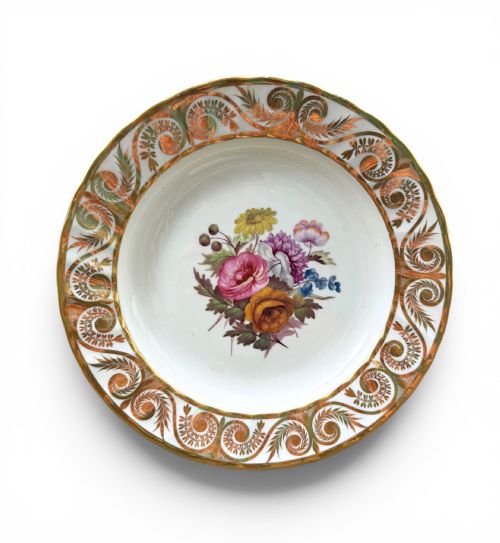
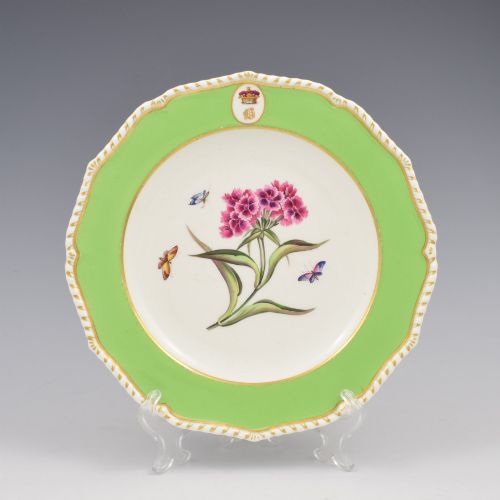
When you search for an antique derby dessert plate, you are looking at fine porcelain tableware created by the historic Derby factories. These items range from individual cabinet plates to larger dessert services featuring hand-painted botanical studies and fruit.
You are most likely to meet examples from the Regency and Georgian periods on this page, alongside later Victorian and Edwardian pieces. The listings include works attributed to notable painters such as Moses Webster and Thomas Steele, as well as Chelsea-Derby pieces decorated by James Giles.
How they were made
Potters shaped these dessert plates from porcelain and bone china before applying intricate hand-painting. Artisans then added gold leaf, gilding, and enamel to highlight the borders and central motifs.
Firing techniques of the 18th and 19th centuries required steady kiln temperatures to set the complex enamel colours and rich gold gilt securely onto the porcelain body.
Listings feature porcelain and bone china adorned with gold leaf, enamel, and gilding across the 18th, 19th, and early 20th centuries.
What varies in quality
The standard of painting sets the finest pieces apart from standard production, particularly when executed by named artists like Thomas Steele or Moses Webster. Botanical accuracy and delicate brushwork elevate a dessert plate from a simple dish to a work of art.
The preservation of the gold leaf and enamel decoration heavily influences the character of each piece. Crisp gilding and vibrant, unrubbed colours indicate superior care and original craftsmanship.
Moses Webster·Thomas Steele·James Giles·Royal Crown Derby
The Antique Derby Dessert Plate Glossary
- Bloor Derby
- Porcelain produced during the period when Robert Bloor managed the Derby works, spanning the early decades of the 19th century. These pieces often feature rich armorial and botanical designs.
- Chelsea-Derby
- Ware made during the phase when the Chelsea factory operated in conjunction with Derby before production consolidated. This early phase is known for delicate fruit painting and fine gilding.
- Armorial
- A design incorporating a coat of arms or heraldic crest, frequently commissioned by noble families for bespoke dessert services.
- Imari
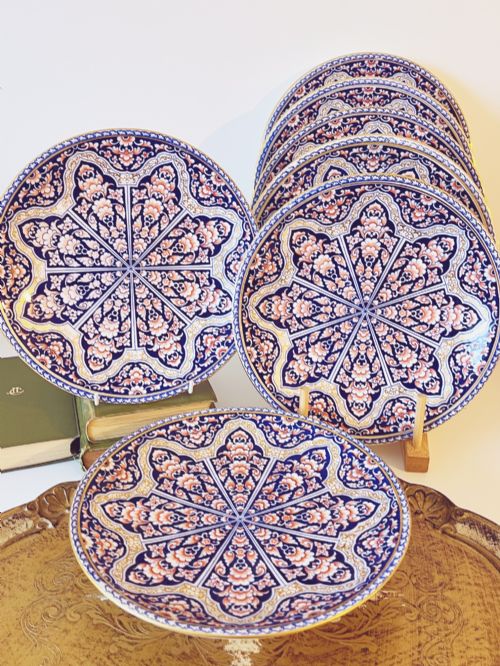
- A decorative style inspired by Japanese exports, characterised by deep cobalt blue, iron red, and gold gilt. Victorian interpretations of this style appear in Derby porcelain.
Antique Derby Dessert Plate: Frequently Asked Questions
How do I identify a Bloor Derby plate?
Bloor Derby pieces typically date from the early nineteenth century and often feature vibrant botanical or armorial painting. Examining the paste, weight, and style of gilding helps distinguish them from later Victorian wares.
Look closely at the reverse of the plate for any factory marks, though many earlier examples rely on stylistic cues and hand-written descriptions rather than standard stamps.
Were these plates used for daily dining?
These porcelain plates formed part of specialised dessert services used for the final course of formal meals. They were designed to showcase fruit, sweetmeats, and confectionary rather than heavy everyday fare.
Because of their decorative purpose and delicate enamel painting, many survived in cabinet collections rather than enduring the wear of daily kitchen use.
What is an Imari pattern Derby plate?
An Imari pattern plate adopts the distinctive Japanese palette of iron red, underglaze blue, and rich gold gilt. Derby factories reinterpreted this aesthetic during the Victorian era with great success.
These patterns are dense and striking, making them distinct from the soft botanical watercolours seen on earlier Regency pieces.
How should I display a cabinet plate?
Displaying a porcelain dessert plate safely requires a secure wall hanger or a stable tabletop stand designed for heavy ceramics. Keep plates away from direct sunlight to protect the delicate enamel colours and gold leaf over time.
Ensure the display location has stable temperature and humidity levels to prevent any stress on the historical porcelain body.