


Georgian Porcelain Milk Pitcher
A georgian porcelain milk pitcher brings eighteenth-century elegance to the breakfast table, offering delicate craftsmanship that collectors prize for its historic charm.
Georgian Porcelain Milk Pitcher
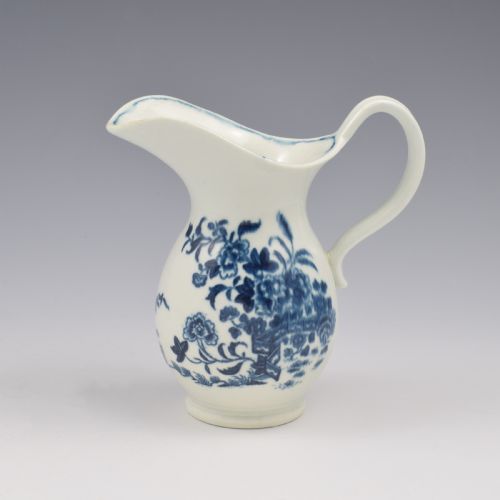
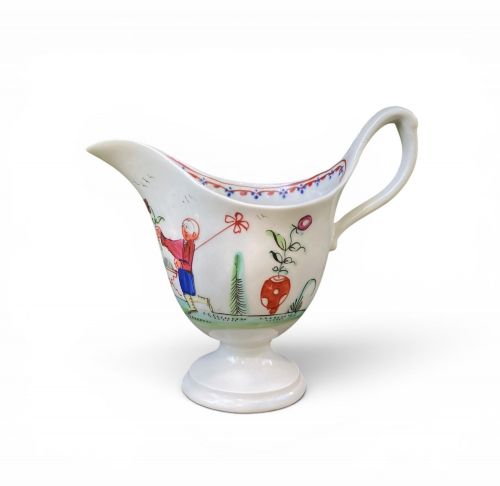
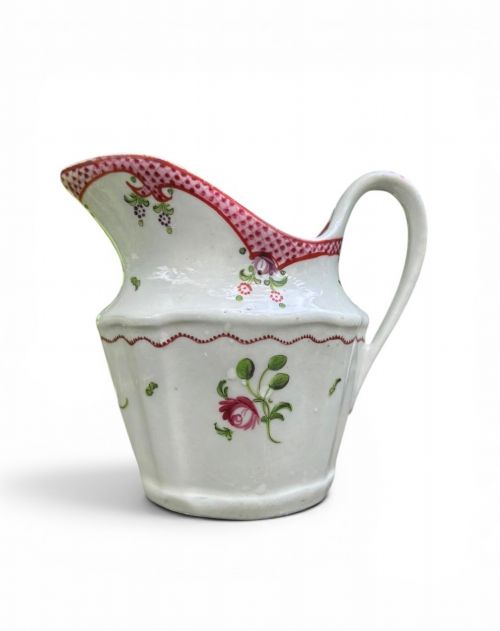
A georgian porcelain milk pitcher encompasses small cream jugs, sparrowbeak ewers, and handled vessels produced during the eighteenth and early nineteenth centuries. These pieces reflect the expanding tea and coffee culture of the period, requiring durable yet refined ceramic forms to serve milk or cream.
Most examples found on this page date from the Georgian and Regency eras, spanning mid-eighteenth-century factories through to the early nineteenth century. Makers from Worcester, Derby, Bow, New Hall, and Coalport dominate the selection, showing distinct regional potting traditions.
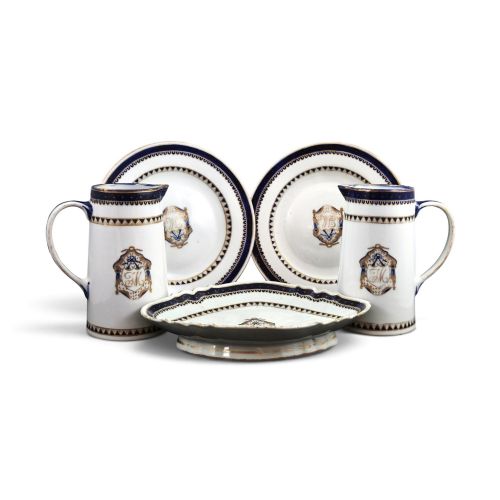
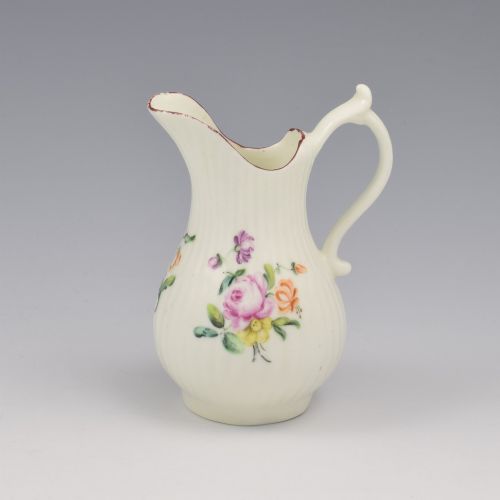
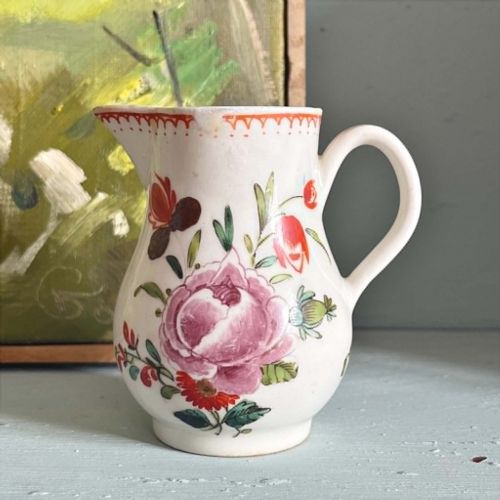
Forms vary from classic sparrowbeak profiles and fluted balusters to clip-handled jugs and low Chelsea ewers. Decoration ranges from hand-painted polychrome flowers and armorial crests to Chinese export monograms and printed topographical views.
Quality distinctions in early ceramics
The fineness of the porcelain body and the crispness of the moulding dictate the upper tier of quality. Superior pieces exhibit translucent pastes, balanced proportions, and precise potting without warping or kiln distortion.
Painted decoration further separates standard utility wares from exceptional cabinet pieces. Skillfully executed polychrome florals, detailed armorial crests, and intact gilding demonstrate the hand of a master decorator rather than a routine factory worker.
Some eighteenth-century birds painted on jugs appear to be staring directly at the cream with intense suspicion.
Dr Wall Worcester·Derby Porcelain·Bow Porcelain·New Hall·H and R Daniel·Chamberlain Worcester·John Rose Coalport·Herculaneum
The Georgian Porcelain Milk Pitcher Glossary
- Soft-paste porcelain
- A glassy, artificial ceramic mixture fired at lower temperatures than true hard-paste porcelain. It typically displays a warm, creamy translucent body beneath the glaze.
- Sparrowbeak
- A small, early jug form featuring a distinctively pinched, protruding spout resembling a bird's beak. This shape was particularly popular for cream jugs in the eighteenth century.
- Armorial
- Ceramic decoration featuring a painted coat of arms or family crest. These bespoke services were commissioned by wealthy households.
- Polychrome
- Decoration employing multiple distinct colours, usually hand-painted over or under the glaze. It brings floral and figural subjects to life on the ceramic surface.
Georgian Porcelain Milk Pitcher: Frequently Asked Questions
What is a sparrowbeak jug?
A sparrowbeak jug is a small eighteenth-century cream pitcher with a characteristic pinched, beak-like spout. These vessels were designed for pouring milk or cream during tea service.
Their compact size and delicate handles make them distinct from larger water ewers. Collectors value them for their charming proportions and early factory origins.
How do I date a porcelain milk jug?
Dating relies on examining the paste body, glaze characteristics, factory marks, and stylistic decoration. Soft-paste bodies and hand-painted floral motifs generally point to the eighteenth century.
Later Regency pieces often feature brighter enamel palettes and sharper moulding techniques. Comparing pattern numbers and known factory shapes helps narrow the production decade.
Were these jugs used daily?
Georgian milk pitchers served practical functions at tea and breakfast tables in wealthy households. They held the cream or milk added to hot beverages.
Despite their delicate soft-paste composition, many survived through careful handling. Today, surviving examples transition from tabletop use to decorative display.
What is soft-paste porcelain?
Soft-paste porcelain is an early European ceramic compound made from clay, glass frit, and ground minerals. It melts at lower kiln temperatures than true Chinese hard-paste porcelain.
This body absorbs glaze evenly and produces a warm, slightly creamy appearance under transmitted light. It defines much of early English ceramic production.