






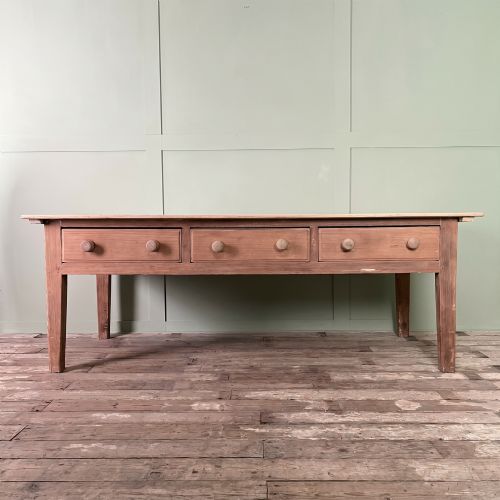

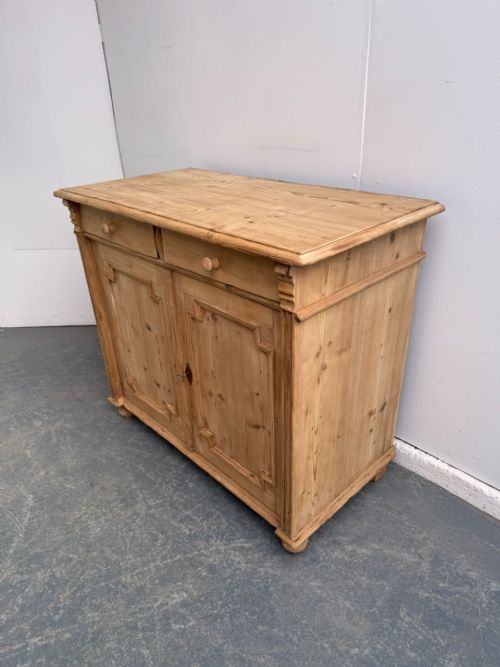
Georgian Pine Sideboard
A georgian pine sideboard brings honest utility and vernacular warmth to a room, offering generous storage through solid timber construction and enduring regional character.
Georgian Pine Sideboard
A search for georgian pine sideboard directs attention toward practical storage furniture originating from country houses and farmhouses. These forms bridge the gap between utilitarian kitchen furniture and formal dining room sideboards, reflecting the domestic habits of earlier centuries.
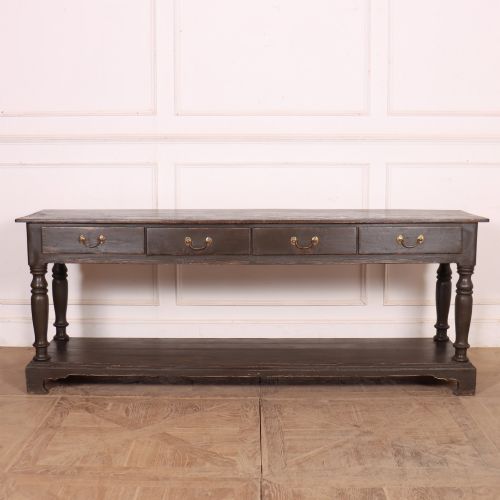
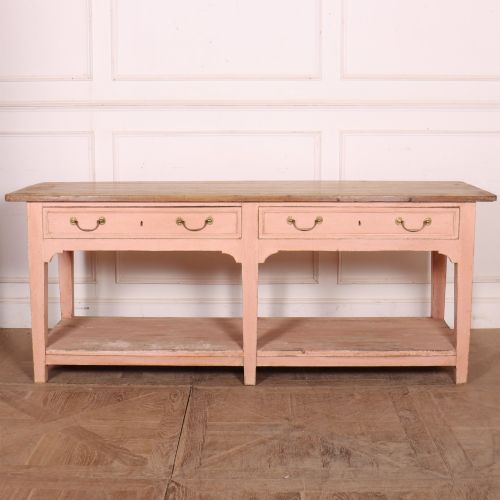
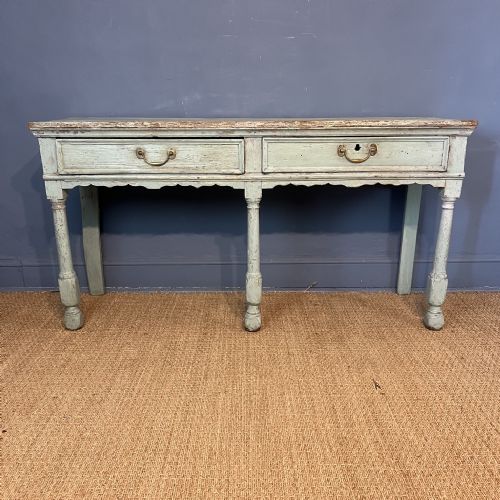
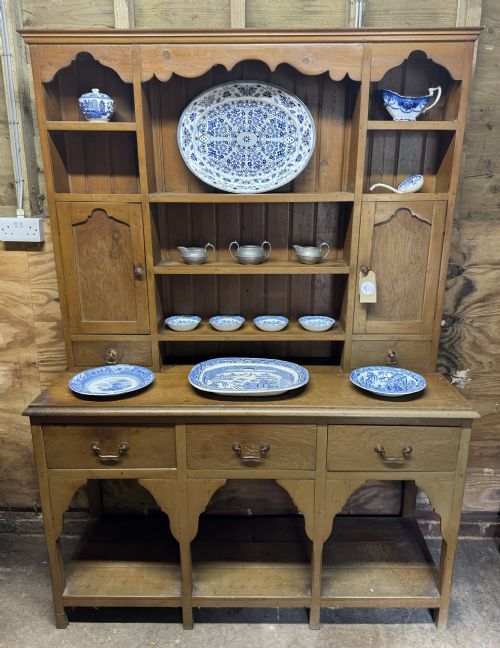
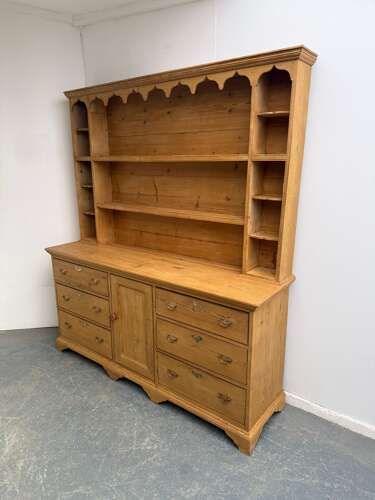
Most examples encountered here align with the broader category of dresser bases, serving tables, and cupboards rather than strict urban sideboards. Regional variations such as Welsh vernacular and West Country pieces dominate the selection, showing distinct local building traditions.
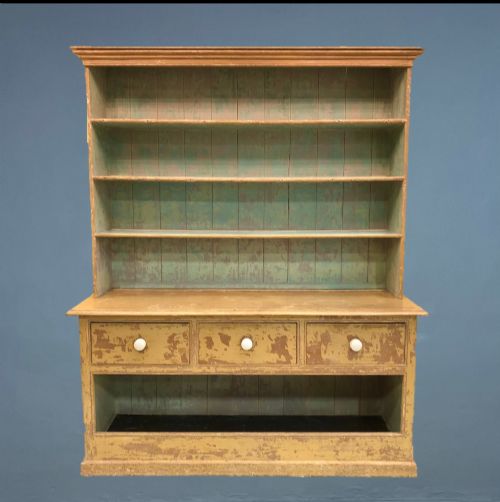
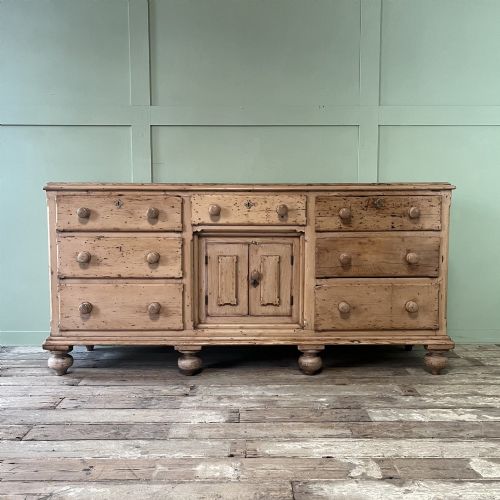
The periods span the eighteenth and nineteenth centuries, incorporating styles from Georgian and Regency eras down to late Victorian adaptations. Buyers find pieces ranging from raw stripped pine to retained historic paint finishes.
How they were made
Makers relied primarily on solid pine, frequently supplemented with secondary hardwoods like oak and sycamore for drawer linings, internal framing, or working surfaces. Iron and brass fittings provide the structural hardware and operational pulls.
Construction techniques prioritise robust daily service over decorative display, utilising pegged joints, sturdy planked tops, and deep drawer construction. Surfaces often display the marks of hand-planing and centuries of domestic use.
Georgian Pine Sideboard Retail Price Guide 2026
Typical asking prices for georgian pine sideboard among the pieces listed under this phrase on Sellingantiques today, from the lower quarter to the upper quarter. They describe what is for sale here now, not the wider market.
The listings span the eighteenth and nineteenth centuries, featuring regional forms like Welsh vernacular and West Country pieces alongside painted finishes.
What varies in quality
Quality rests heavily on the integrity of the surface and the degree of original survival. Pieces retaining an early painted finish or deep waxed patina stand apart from those stripped down to bare timber in modern times.
Proportion and regional identity dictate the standing of individual examples. Well-balanced proportions, such as those found on compact bowfront forms or traditional potboard bases, elevate a piece above standard utilitarian cupboards.
The Georgian Pine Sideboard Glossary
- Potboard
- An open slatted lower shelf built into a dresser base designed for storing heavy pots and pans. This lower tier defines many traditional country kitchen pieces.
- Dresser base
- The lower section of a kitchen dresser, functioning independently as a serving table or sideboard with drawers and cupboards. It provides surface workspace and enclosed storage.
- Patina
- The surface sheen and colour acquired by wood and paint through decades of handling, cleaning, and waxing. It indicates genuine age and continuous use.
- Vernacular
- Furniture designed and built by local craftsmen to satisfy regional domestic needs rather than following strict metropolitan fashion. These pieces reflect local timber supplies and traditional construction methods.
Georgian Pine Sideboard: Frequently Asked Questions
How do I use a pine sideboard today?
These pieces serve well as functional storage units in dining rooms, kitchens, or hallways. Their wide tops offer surface space for serving food or displaying ceramics.
The deep drawers and cupboards easily accommodate tableware, linen, or everyday household items. Placing them in modern interiors adds practical workspace and grounded historic character.
Are painted finishes on these pieces original?
Some pieces retain early or original paint finishes that have acquired a worn, chalky texture over time. Others have been painted or waxed during subsequent historic periods.
Examining the layers of pigment and the way paint wears around handles reveals whether a finish is historic. Many listings explicitly note whether the surface is original or intended for repainting.
How do I date an 18th-century pine piece?
Dating relies on construction methods, hardware types, and timber characteristics. Hand-cut dovetails, pegged framing, and timber shrinkage patterns provide reliable clues to age.
Stylistic markers such as bracket feet, cockbeaded drawers, and regional vernacular traits also point toward specific decades like the Georgian or Regency periods.