
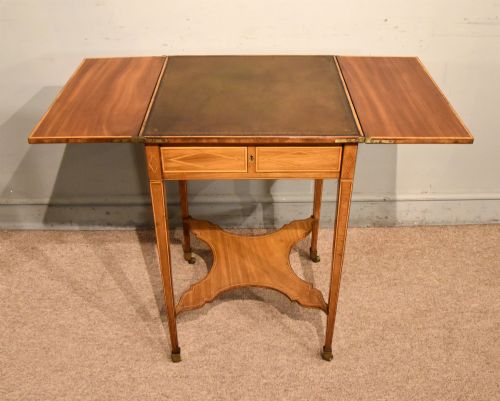
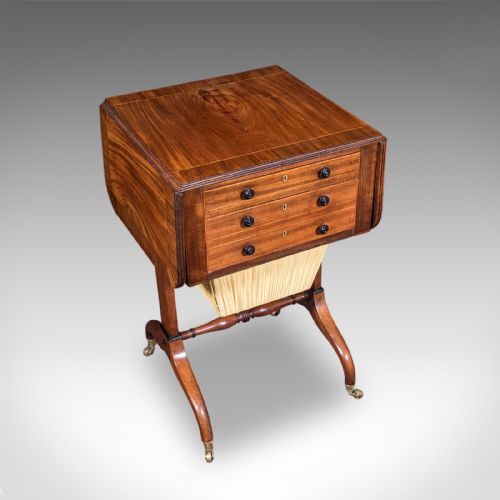
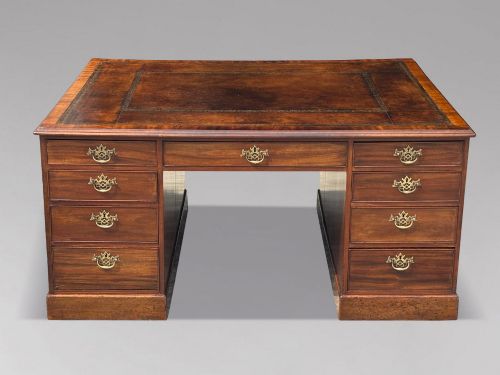

Georgian Period Writing Desk
A georgian period writing desk brings practical utility and warmth into a room, fashioned from rich timbers designed for correspondence and paperwork.
Georgian Period Writing Desk
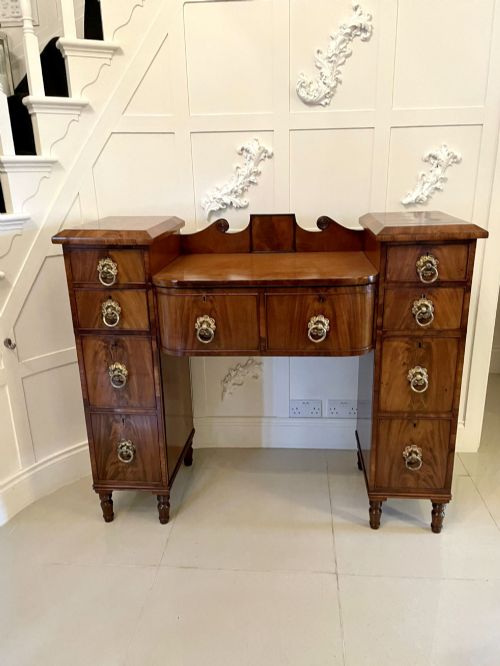
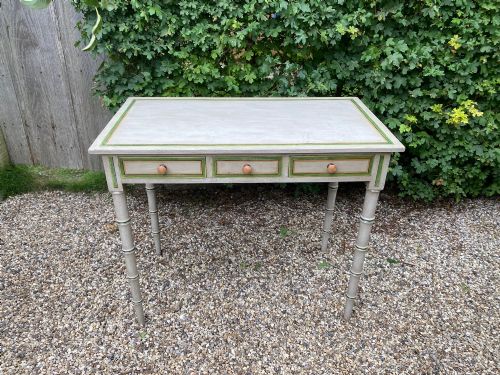
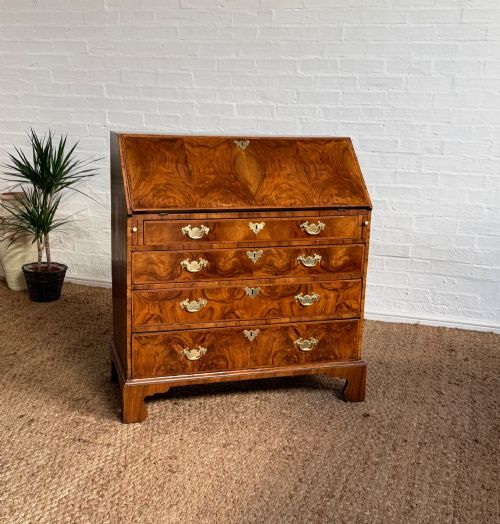
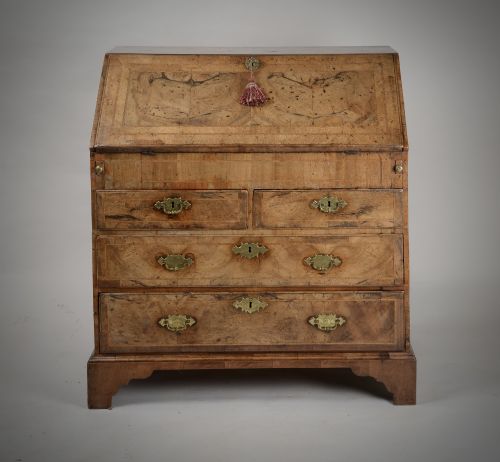
A georgian period writing desk encompasses diverse forms including kneehole desks, bureaux, tambour desks, and partners desks spanning the eighteenth and nineteenth centuries. These pieces originate from eras associated with George I, George II, George III, George IV, and the Regency style.
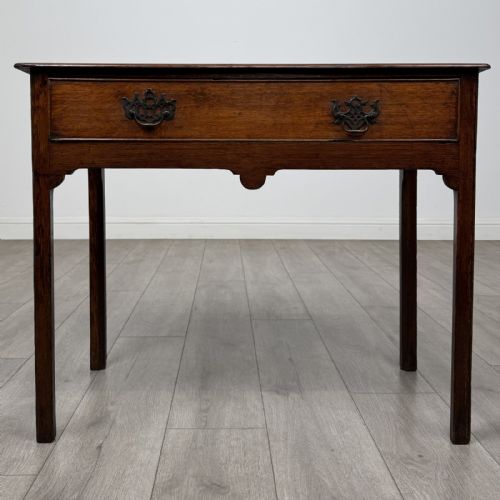
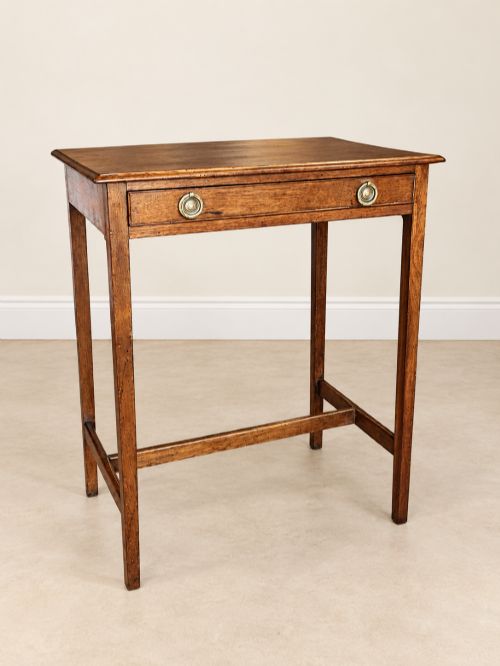
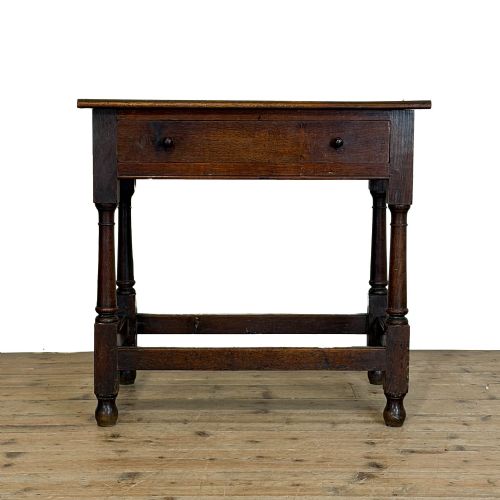
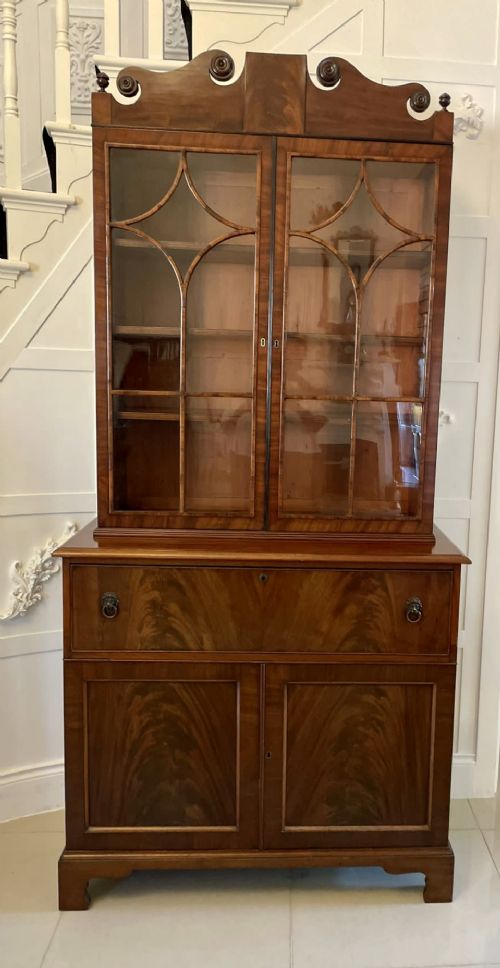
Buyers encountering this selection regularly find varieties constructed from mahogany, oak, and walnut, often finished with leather writing surfaces or fitted interiors. Side tables, lowboys, and secretaire bookcases also appear frequently alongside traditional writing tables and desks.
Materials and construction
Cabinetmakers utilised dense hardwoods such as mahogany, oak, walnut, satinwood, and rosewood, applying figuration and inlay techniques to enhance visible surfaces. Brass handles, escutcheons, and glass elements complement the woodwork on fitted cabinets and bookcases.
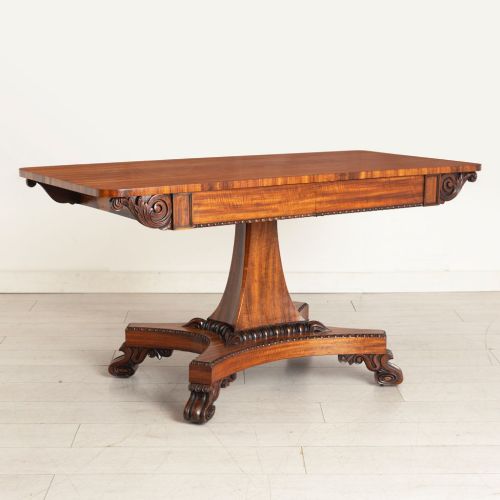
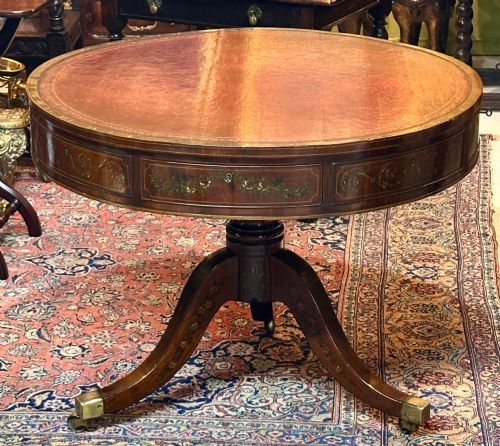
Writing surfaces frequently incorporate panels of leather, while specialised tables employ drop leaves, tambour shutters, or revolving drum tops. Joinery methods reflect period cabinetmaking standards designed to support daily clerical tasks.
Judging execution and timber
Excellence in a georgian period writing desk depends upon the selection of figured timber veneers, such as burr oak or figured walnut, matched evenly across primary surfaces. The subtlety of mahogany inlay and the crispness of cabinet mouldings distinguish superior examples from standard workshop production.
Interior organisation and secondary timbers reveal the underlying standard of construction. Drawers featuring precise dovetailing and well-fitted secret compartments indicate a higher tier of craftsmanship than simpler utilitarian pieces.
Gillows of Lancaster
The Georgian Period Writing Desk Glossary
- Bureau
- A sloping desk that opens to reveal internal pigeonholes and small drawers. This form usually sits above a chest of drawers.
- Kneehole desk
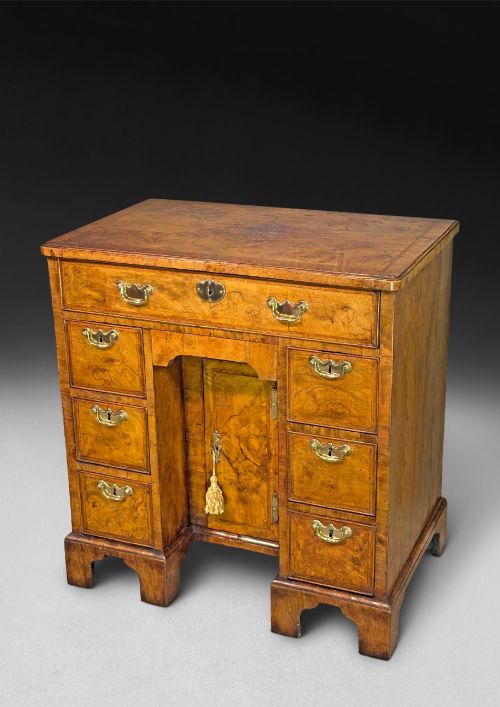
- A compact desk featuring a central recess for the user's legs, flanked by pedestals of small drawers. This design maximises storage within a modest footprint.
- Partners desk
- A large double-sided desk designed for two people to work opposite one another. These pieces typically incorporate drawers and cupboards on both long sides.
- Tambour
- A flexible shutter made of narrow vertical strips of wood glued to canvas backing. This mechanism slides in tracks to enclose a writing compartment.
- Secretaire
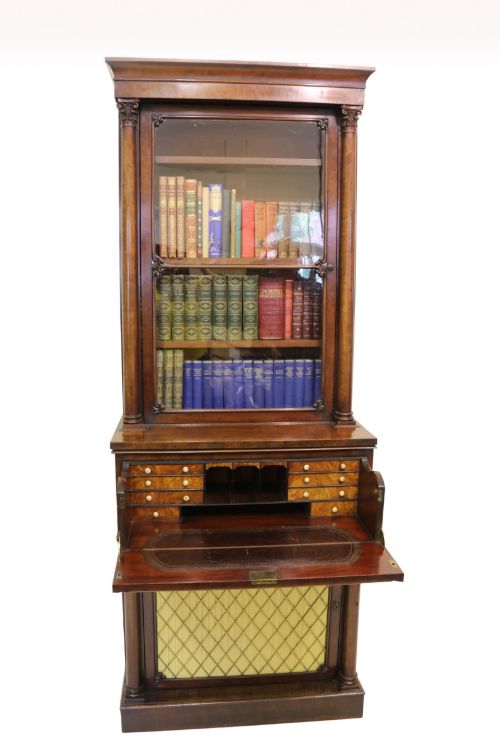
- A cabinet or bookcase containing a pull-down writing drawer that conceals a fitted interior. It combines bookcase storage with a concealed writing surface.
Georgian Period Writing Desk: Frequently Asked Questions
What is a tambour desk?
A tambour desk uses sliding wooden slats on a flexible backing to enclose the writing surface and pigeonholes. This mechanism allowed makers to secure the desk's interior without a conventional hinged lid.
Such desks appeared during the Sheraton period, combining inventive joinery with figured woods like partridgewood.
What is a kneehole desk?
A kneehole desk is a smaller desk featuring a central recessed space for the legs, flanked by columns of small drawers. This layout provides ample storage while maintaining a compact profile suitable for private chambers.
Examples from the early eighteenth century often display figured walnut veneers and brass hardware.
What materials were used for writing surfaces?
Many writing tables and desks incorporated inset panels of leather to provide a smooth, durable surface for ink and quill work. These leather inserts were frequently tooled with gold leaf borders.
Beneath the leather, secondary timbers provided a stable foundation for daily correspondence.