
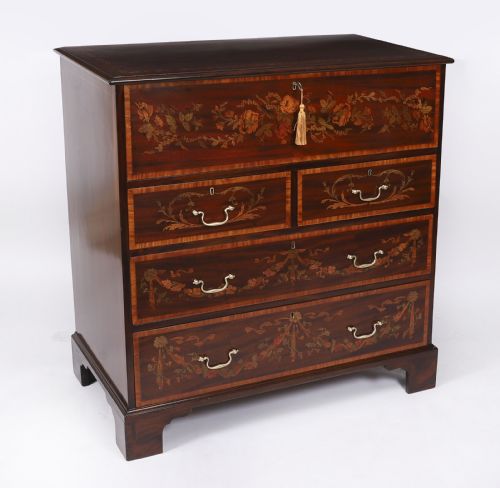


George II Writing Cabinet
A george ii writing cabinet brings mid-eighteenth-century craftsmanship into your study, offering fitted drawers, pigeonholes, and a sloping fall for correspondence.
George II Writing Cabinet
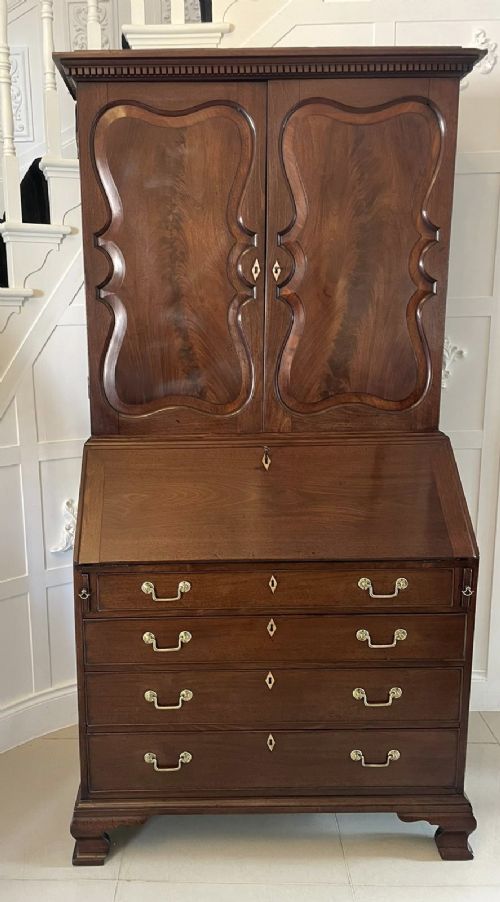
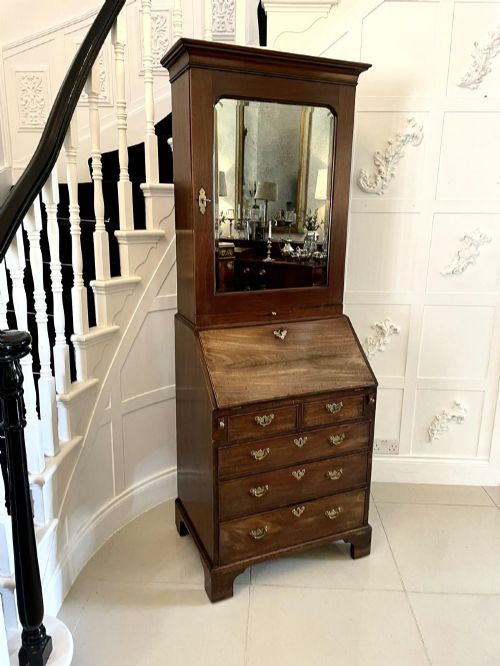
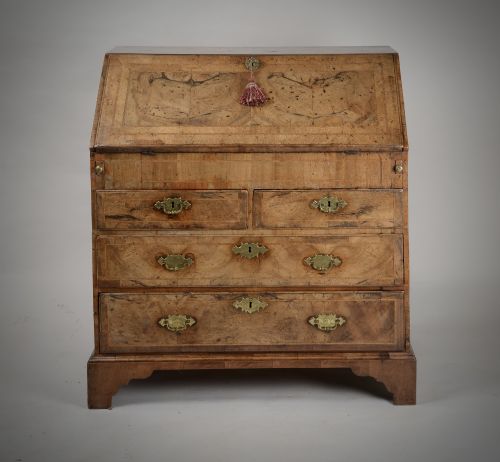
When you search for a george ii writing cabinet, you are looking at substantial case furniture designed for domestic administration during the Georgian era. These pieces combine a writing surface with concealed compartments, often rising into tall bureau bookcases with glazed upper doors or standing as compact knee-hole desks.
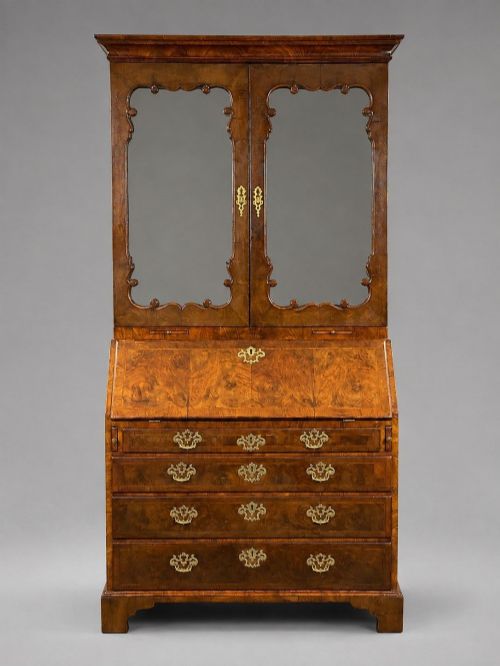
The version you are most likely to meet on this page is the bureau bookcase in walnut or mahogany, standing on bracket feet with fitted interiors. Walnut examples tend to feature figured veneers and crossbanding, whilst mahogany versions showcase dense timber grains developed during the middle decades of the eighteenth century.
What varies in quality
The primary distinction across these pieces lies in the choice and matching of timber veneers, particularly the figuring found on walnut and mahogany surfaces. Superior examples demonstrate continuous grain patterns across drawer fronts and book-matched veneers on the fall.
Interior architecture also separates standard production from finer cabinetwork, seen in secret compartments, carved pigeonholes, and the complexity of the central well slide. The crispness of hand-carved bracket feet and original brass furniture further elevate the standing of a piece.
Listings feature walnut, mahogany, and oak timbers, alongside marquetry inlay and mirror glass details across eighteenth-century bureau forms.
Giles Grendey·Robert Gillows II
The George II Writing Cabinet Glossary
- Bureau bookcase
- A writing cabinet featuring a sloping desk compartment below enclosed shelving for books. These tall pieces served as combined writing desks and libraries in eighteenth-century homes.
- Secretaire cabinet
- A piece of furniture containing a dedicated writing drawer or pull-out writing slide concealed behind a drop-front or cabinet door. It provides workspace without the full sloping lid of a traditional bureau.
- Knee-hole desk
- A compact writing table with a central recessed space for the user's legs, flanked by pedestals of small drawers. They offer a neat footprint for domestic correspondence.
- Escritoire
- An alternative term for a writing cabinet or desk, often applied to walnut pieces from the period. It derives from the French term for writing.
- Bracket foot
- A structural foot supporting the corners of case furniture, shaped in an ogee or simple curved profile. They lift the cabinet off the floor while maintaining a stable stance.
- Book-matching
- A veneer technique where adjacent slices of timber are opened like a page to create symmetrical patterns across a surface. This method highlights the natural figure of walnut and mahogany.
George II Writing Cabinet: Frequently Asked Questions
How do walnut and mahogany pieces differ?
Walnut was predominantly used in the earlier decades of the period, often displaying rich figuring and crossbanded borders. Cabinetmakers utilised its warm tones before mahogany gained dominance.
Mahogany became favored for its strength and deep red-brown colour as timber imports expanded. It allowed for sharper carved details on mouldings and bracket feet.
How were these cabinets used?
Owners used these cabinets to manage household accounts, write letters, and store important documents securely behind locked doors. The sloping fall provided a flat writing surface when lowered.
Inside, the arrangement of small drawers and pigeonholes kept stationery organised. The upper bookcase sections housed leather-bound volumes and valuable collections.
Where should I place one at home?
These cabinets suit studies, drawing rooms, or quiet corners where their substantial presence can be appreciated. Their height and depth require adequate wall space away from direct heat sources.
Allow enough room in front of the piece for the writing slope to fold down fully. Proper clearance ensures you can sit comfortably at the desk.
How do I distinguish walnut from oak versions?
Walnut cabinets display a softer grain with intricate swirling figures and darker growth rings. They often incorporate decorative veneers applied to secondary woods.
Oak versions utilise a tougher, heavily figured timber with prominent medullary rays visible on the surface. Oak was frequently chosen for its durability in simpler provincial pieces.