










Georgian Period Wine Glass
A georgian period wine glass brings tactile history to the table, offering drinking vessels shaped by eighteenth-century glasshouses.
Georgian Period Wine Glass
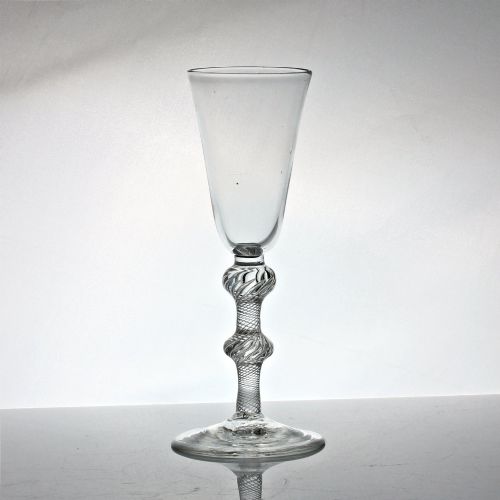
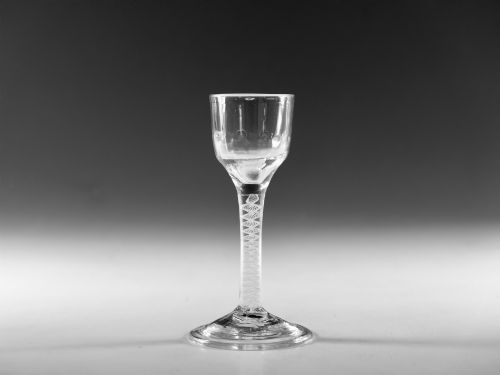
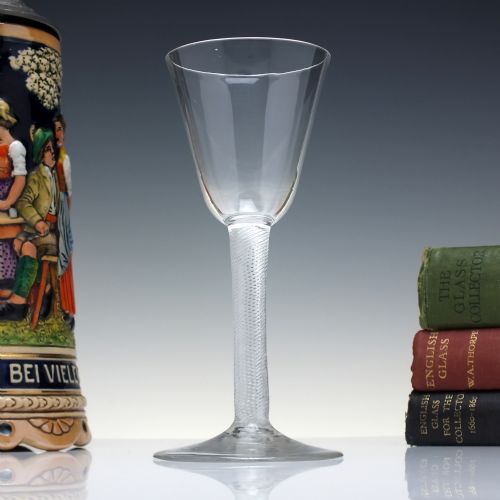
When you search for a georgian period wine glass, you encounter drinking vessels spanning the eighteenth century and the Regency era, taking forms such as wine glasses, port glasses, gin glasses, and ale glasses.
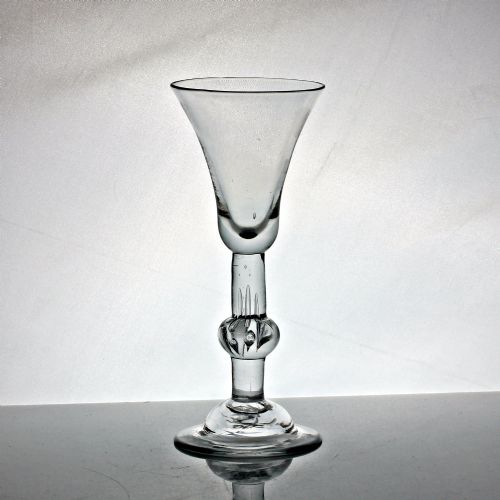
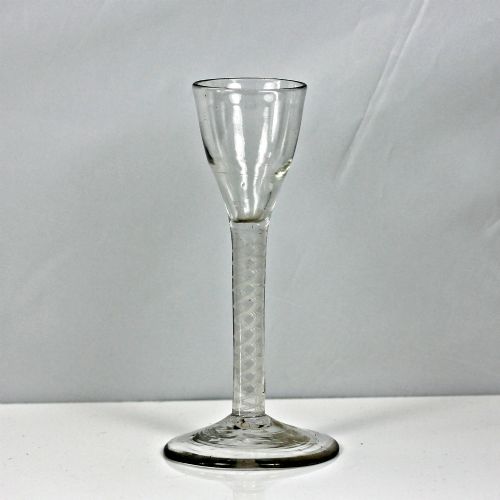
The selection on this page centres heavily on English production from the mid-eighteenth century, particularly pieces featuring baluster stems, air twists, and opaque twists.
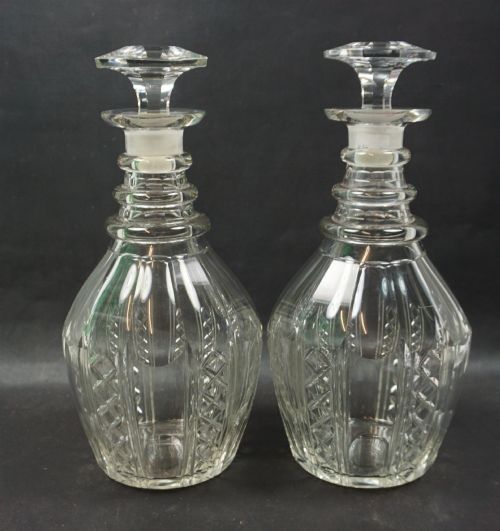
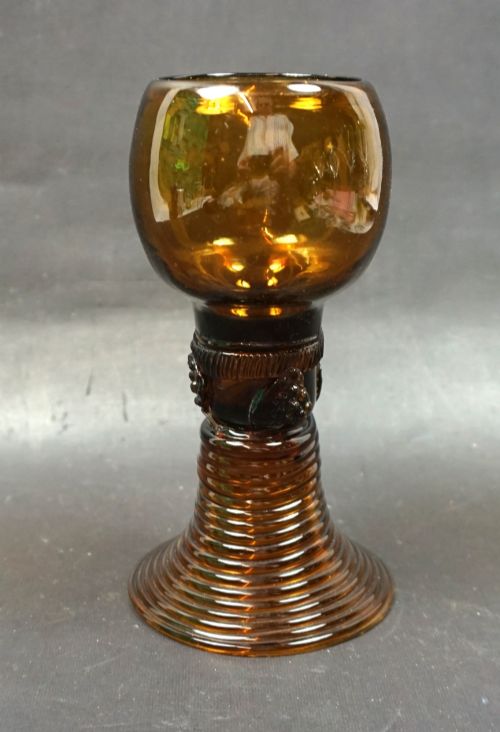
Alongside standard wine glasses, related glassware appears, including decanters, rummers, champagne coolers, and occasional continental examples like German roemers.
How they were made
These items are shaped from lead glass, lead crystal, and clear glass, utilising traditional methods of blowing, drawing, and tooling molten metal by hand.
Stems often incorporate internal air bubbles manipulated into spirals or twisted enamel threads enclosed within the glass matrix, while later pieces rely on surface facet cutting to catch the light.
Georgian Period Wine Glass Retail Price Guide 2026
Typical asking prices for georgian period wine glass among the pieces listed under this phrase on Sellingantiques today, from the lower quarter to the upper quarter. They describe what is for sale here now, not the wider market.
Some eighteenth-century drinkers enjoyed generous measures from heavy rummers featuring bold hobnail cutting designed to catch the flickering tavern candlelight.
What varies in quality
Quality rests in the purity of the metal and the precise execution of the stem formation, whether drawing a clean baluster knop or pulling an even multi-spiral air twist.
The balance of the bowl relative to the foot, the clarity of the crystal free from heavy clouding, and the crispness of any cut facets distinguish superior examples.
The Georgian Period Wine Glass Glossary
- Air twist
- A stem containing elongated internal air bubbles drawn into a spiral thread. This technique creates a delicate linear pattern within the clear metal.
- Opaque twist
- A stem enclosing white or coloured enamel glass threads twisted into single or double series strands. It represents a distinct mid-eighteenth-century English decorative method.
- Baluster
- A heavy, thick stem form derived from architectural pillars, often featuring prominent knops or swelling sections. Early forms dominate the first half of the eighteenth century.
- Folded foot
- A glass foot where the outer rim is folded underneath to create a thickened, rounded edge for extra strength. This detail frequently appears on mid-eighteenth-century drinking vessels.
- Pontil mark
- A rough scar on the base of the glass where the holding rod was snapped off after blowing. Ground and polished pontils indicate careful finishing.
Georgian Period Wine Glass: Frequently Asked Questions
Can I still drink wine from these?
You can use these glasses for special occasions, provided you handle them with care and pour room-temperature or chilled drinks. Their thin walls require a gentle touch.
Keep in mind that eighteenth-century wine glasses possess smaller bowl capacities than modern stemware. They suit modest pours of fortified wine or port rather than large modern servings.
What is an air twist stem?
An air twist stem contains tiny trapped air bubbles drawn and spun into spiral threads inside the clear glass. Makers created this effect before sealing the molten metal.
These twisted threads catch the ambient light, adding visual movement to the stem without adding colour. They date predominantly to the middle decades of the eighteenth century.
How do I date a glass by its stem?
Early pieces from the first half of the eighteenth century rely on heavy baluster forms and plain drawn stems. Mid-century examples introduce air twists and opaque twists.
Later Regency pieces shift toward cut glass stems and faceted bowls. Comparing the stem structure to documented styles provides a reliable guide to the decade of manufacture.