


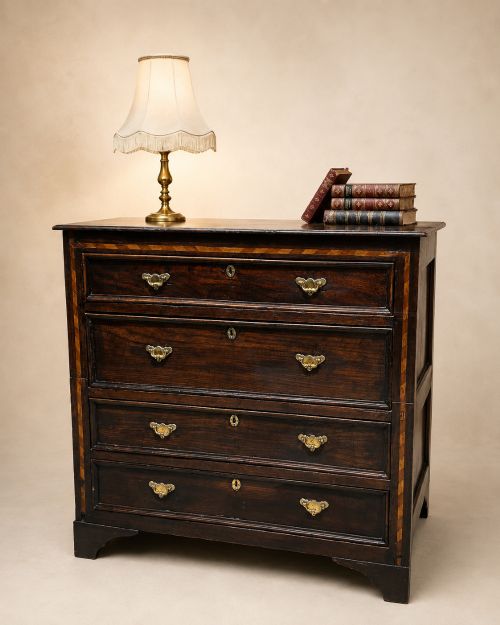
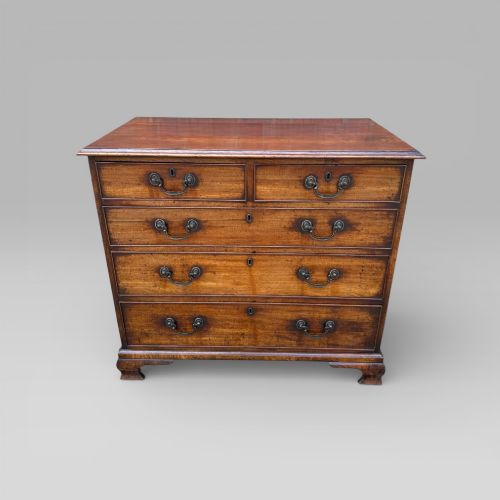
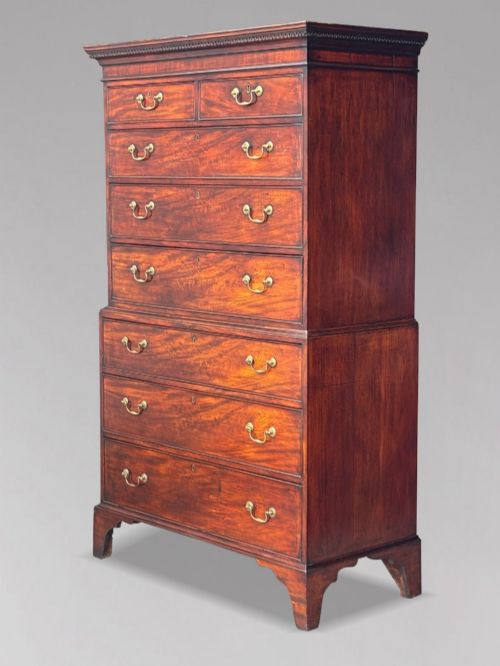
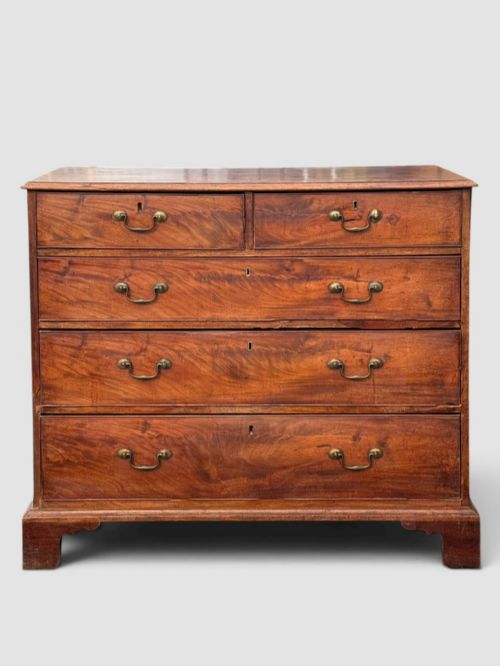
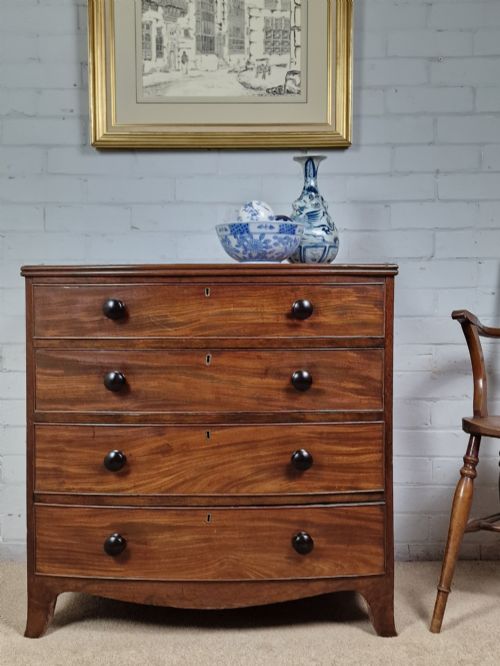
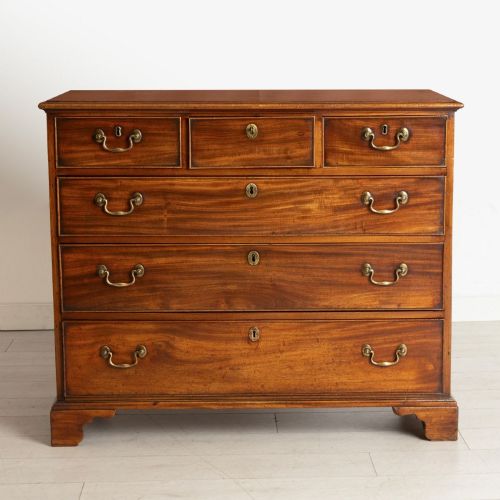
Georgian Period Tallboy
A georgian period tallboy combines soaring vertical proportions with generous storage, built to anchor grand bedroom interiors.
Georgian Period Tallboy
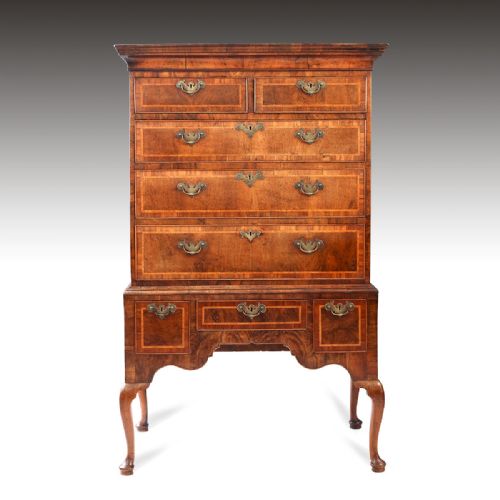
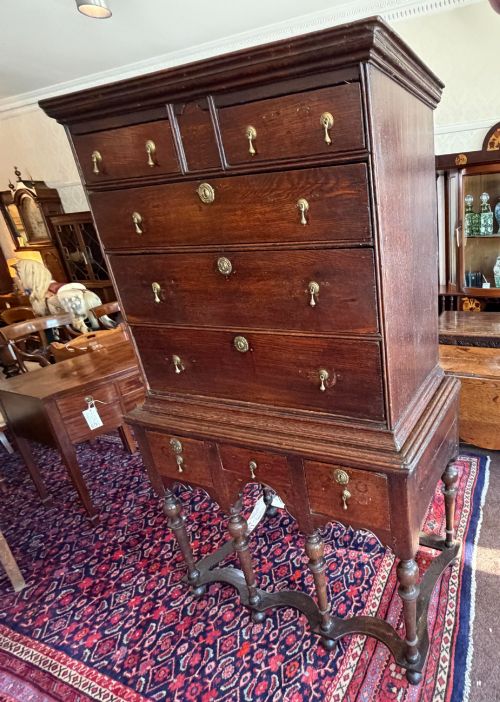
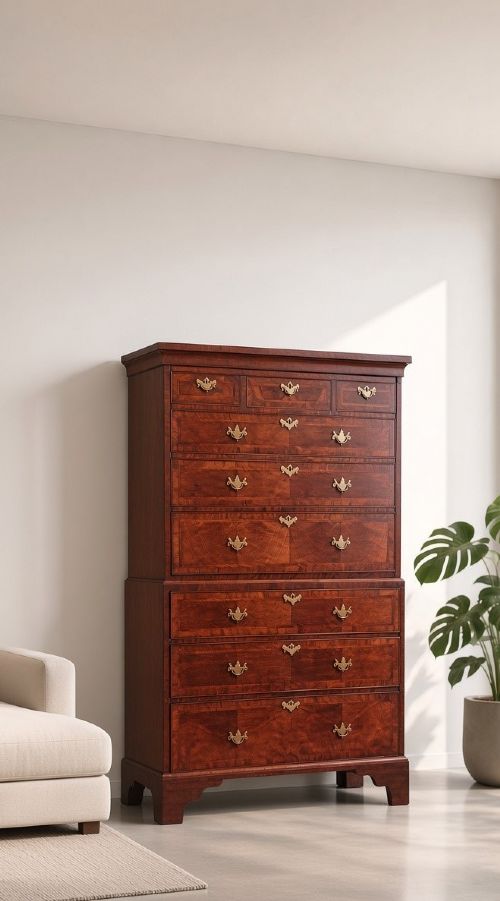
A georgian period tallboy typically presents as a chest on chest or a chest on stand, stacking storage upwards to maximise vertical capacity. The form spans multiple reigns including George I, George II, and George III, utilising considerable height to create a commanding presence in a room.
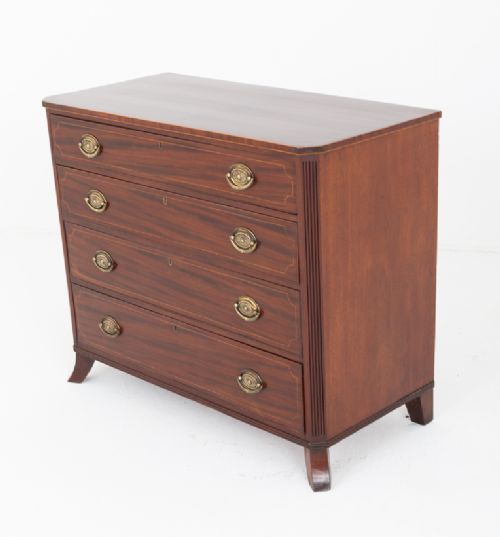
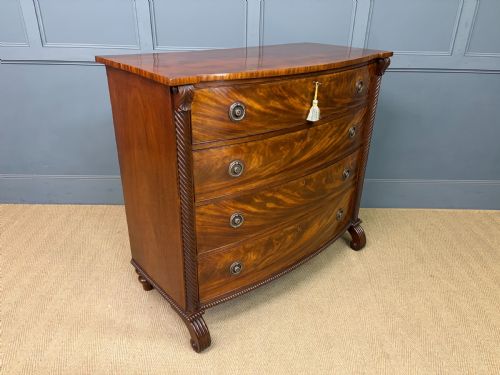
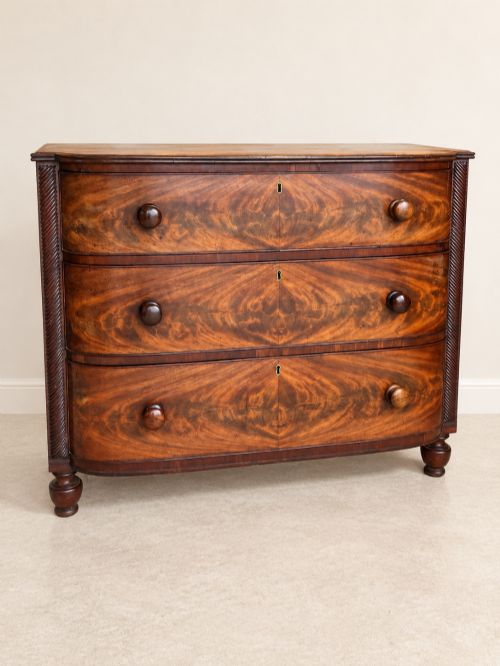
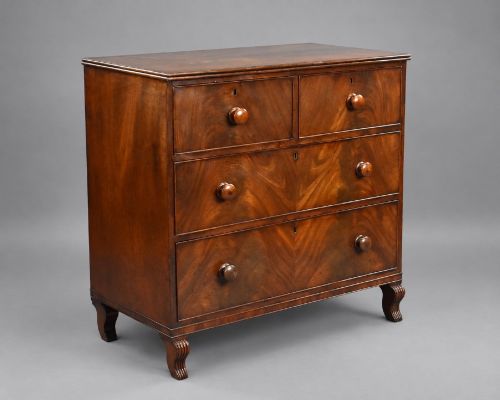
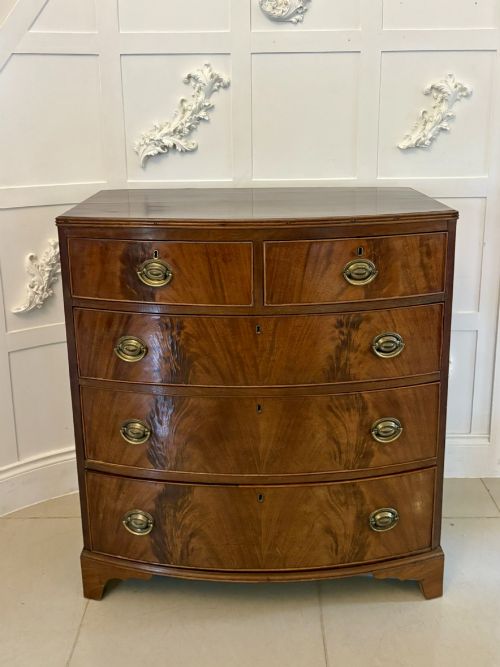
Buyers encountering this phrase on the page will frequently find mahogany and walnut examples, often featuring two smaller drawers over three or more graduated larger drawers. Variations such as serpentine fronts, bow fronts, and secretaire drawers appear alongside the traditional straight-sided tallboy form.
Origins stretch across the eighteenth century, with specific pieces displaying styles from Queen Anne transitional periods through to Regency interpretations. Oak and elm also occur as primary structural woods, particularly in pieces originating from earlier decades of the period.
Materials and Construction Techniques
Cabinet makers built these pieces using solid timbers like mahogany, oak, and walnut, frequently applying figured veneers to create striking visual patterns on drawer fronts. Secondary woods such as pine appear in concealed structural areas like drawer linings and backboards.
Hardware played an essential functional and decorative role, with brass handles and escutcheons secured to drawer faces. Joinery relied on traditional hand-cut dovetails for drawer construction, ensuring durability that survives centuries of daily use.
Listings demonstrate a transition from early eighteenth century walnut and oak forms toward mahogany constructions by the later Georgian period.
Distinguishing Quality in Tallboys
The refinement of the timber selection dictates much of the visual success, particularly where matched flame veneers or highly figured walnut exhibit deliberate grain patterning across multiple stacked drawers. Superior examples maintain crisp mouldings and undisturbed proportions between the upper and lower sections.
The integrity of the original brass hardware and the precision of the dovetail joints indicate the level of craftsmanship invested during manufacture. Preservation of original feet, whether bracket, ogee, or stand configurations, distinguishes untouched examples from those with extensive alterations.
J Moorcroft
The Georgian Period Tallboy Glossary
- Tallboy
- A tall chest of drawers, often constructed in two stacked sections such as a chest on chest. This form provides substantial vertical storage while occupying a smaller floor footprint.
- Chest on Chest
- A tall storage unit comprising an upper chest of drawers resting directly upon a slightly wider lower chest. This configuration allows for massive capacity divided into manageable stacking sections.
- Chest on Stand
- An elevated storage chest supported by a separate table-like stand with legs. This form frequently dates to the earlier eighteenth century.
- Secretaire
- A drawer fitted with a drop-front writing surface and internal pigeonholes or small drawers. It integrates a writing desk directly into the upper drawers of the case.
- Bracket Feet
- Small, corner-mounted architectural feet shaped like brackets that support the base of the chest. They lift the cabinet slightly off the floor.
- Veneer
- A thin layer of finely figured wood applied over a secondary timber base. This technique allowed cabinet makers to display expensive grain patterns economically.
Georgian Period Tallboy: Frequently Asked Questions
How are tallboys structured?
A tallboy typically consists of two distinct sections stacked one upon the other, creating a high vertical tower of drawers. The upper chest usually contains smaller drawers at the top, graduating to larger drawers below.
This two-part construction was originally designed to make transportation through narrow stairwells and doorways manageable during the eighteenth century. The sections separate completely for moving and placement within a room.
Where should a tallboy be placed?
These tall pieces demand adequate vertical clearance and suit bedrooms, dressing rooms, or high-ceilinged hallways. Their significant height allows them to provide maximum storage without dominating floor space.
Securing the upper section to the wall using discreet fixings is often recommended to prevent tipping, given the height and weight of solid timber construction.
How do walnut and mahogany tallboys differ?
Walnut tallboys generally date from the earlier eighteenth century, featuring rich, figured brown tones and occasional crossbanding. Mahogany versions became prevalent later in the century, offering a darker, denser reddish-brown timber capable of holding sharper carved details.
Both woods respond well to traditional wax polishing, which deepens the patina over decades of careful maintenance in the home.
What is a secretaire drawer?
A secretaire drawer conceals a fitted writing compartment behind a drop-down front disguised as a standard drawer face. Inside, small pigeonholes and miniature drawers provide space for stationery and correspondence.
This feature allowed a bedroom chest to double as an impromptu writing desk without requiring a separate piece of furniture in the room.