


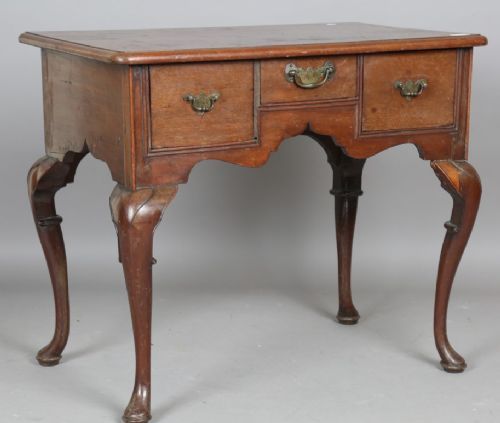


Red Walnut Drawers
These red walnut drawers bring deep, warm timber tones and Georgian craftsmanship straight into a room.
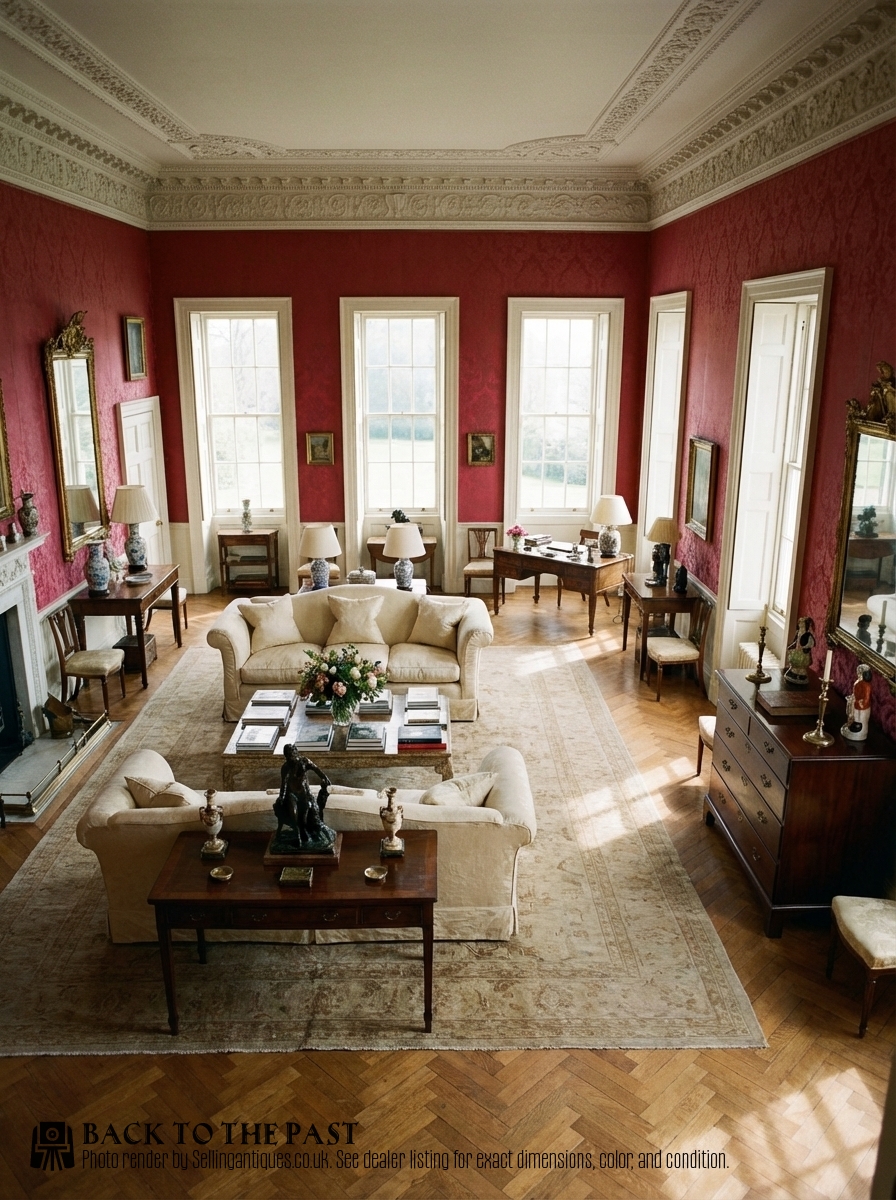
Red Walnut Drawers
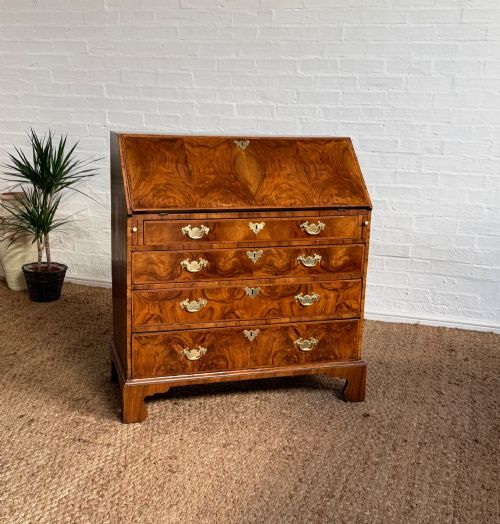
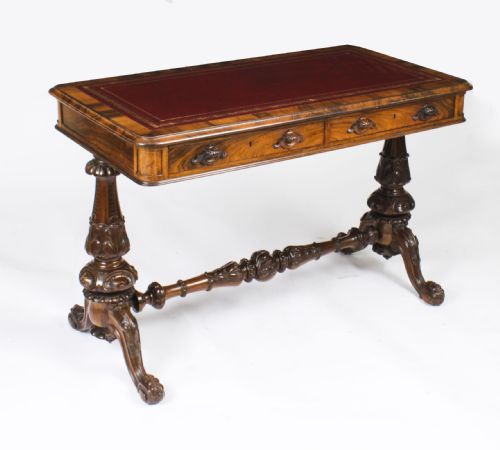
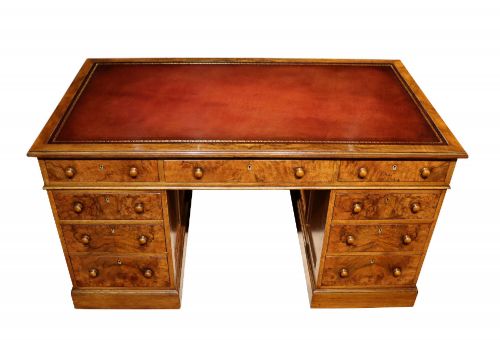
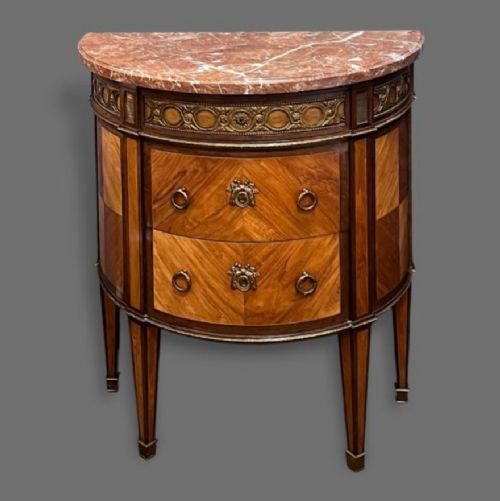
Red walnut drawers encompass classic case furniture designed for storage and writing, principally originating from the Georgian era through to the Victorian period. Pieces appearing under this description range from solid lowboys and tallboys to chests of drawers and fitted writing bureaus.
The material identity shifts between early eighteenth-century solid timber examples and later nineteenth-century veneered iterations incorporating burr walnut, fruitwood, and mahogany accents. Buyers find both provincial English pieces and refined Continental formats sharing the same rich timber palette.
Chest of drawers and bureau forms dominate the selection, offering functional compartments alongside decorative grain patterns. Georgian iterations often present clean proportions, while Victorian variations introduce intricate brass hardware and inlaid details.
How they were made
Joiners built these pieces using solid red walnut or applied fine veneers over secondary woods like oak and pine to create figured grain patterns on drawer fronts. Cabinetmakers utilised dovetail joints for drawer construction and integrated cross-banding or feather inlay to frame the primary timber surfaces.
Hardware such as drop handles, escutcheons, and campaign mounts typically consist of cast brass, fastened to the timber with traditional fixings. Writing surfaces within bureaus and desks incorporate inset leather panels alongside secondary wood pigeonholes and small concealed compartments.
Listings feature walnut, brass, oak, and leather across Georgian and Victorian periods.
What varies in quality
The hierarchy of quality rests primarily on the choice of timber and the symmetry of the figured grain across the drawer fronts. Uniformity in colour and the preservation of original patination distinguish superior examples from pieces with excessive restoration or mismatched timber replacement.
Structural integrity reveals itself in the hand-cut precision of the internal drawer dovetails and the smooth operation of the drawers within their carcase. Original brass handles, intact secondary timbers, and well-executed cross-banding further separate standard utility pieces from collector-grade items.
Edwards & Roberts·Druce & Co
The Red Walnut Drawers Glossary
- Red walnut
- A descriptor used by makers and collectors for walnut timber exhibiting a warm, reddish hue, frequently associated with mid-eighteenth-century English furniture. It provides a distinct visual depth compared to standard dark walnut.
- Bureau
- A desk featuring a sloping fall-front that opens to reveal a fitted interior of small drawers and pigeonholes. It usually sits atop a chest of drawer compartments.
- Lowboy
- A small, low table with one or more rows of drawers, commonly produced during the mid-eighteenth century. It served various domestic functions including dressing and writing.
- Cross-banding
- A border technique where thin strips of veneer are laid so that the grain runs perpendicular to the main panel. This method frames drawer fronts and tabletops with a contrasting geometric edge.
- Tallboy
- A tall chest of drawers made in two stacked sections, often combining a chest on chest configuration. It maximises vertical storage while displaying prominent upper cornices.
Red Walnut Drawers: Frequently Asked Questions
What is a red walnut chest of drawers?
A red walnut chest of drawers is a traditional storage item constructed from walnut timber displaying a warm reddish tone, predominantly dating from the eighteenth and nineteenth centuries.
These pieces typically feature multiple horizontal drawers with hand-cut dovetails, supported by bracket feet or a plinth base.
How do I date an antique bureau?
Dating relies on examining the secondary timbers, construction methods, and hardware styles used throughout the carcase. Early pieces feature solid walnut and oak linings, while later nineteenth-century examples incorporate veneered surfaces and machine-sawn components.
The interior arrangement of pigeonholes and the presence of original brass escutcheons also provide reliable chronological markers.
Where should I place a lowboy?
A lowboy functions effectively as an occasional hall table, a compact desk, or a dressing table in a bedroom. Its modest height and shallow depth allow it to fit into narrow spaces without dominating the room.
Keep the piece away from direct heat sources and strong sunlight to protect the fragile walnut veneers and timber patination.
Are these drawers suitable for daily use?
These pieces accommodate everyday storage when handled with reasonable care and kept in stable environmental conditions. Drawer interiors should remain free from excessive weight or moisture to preserve the historical joinery.
Regular waxing maintains the surface moisture of the wood and protects the antique finish.