

Georgian Panelled Oak Cupboard
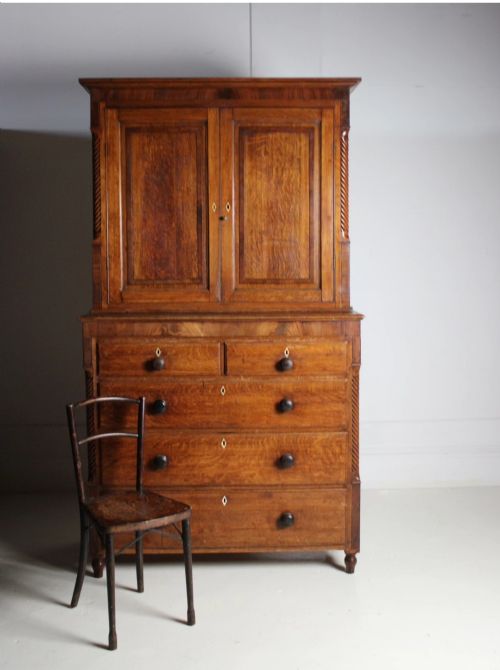
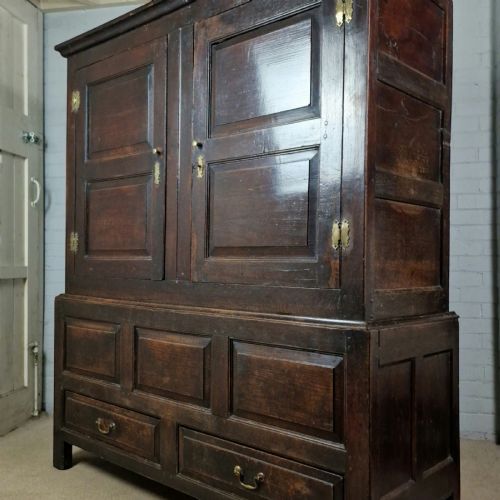
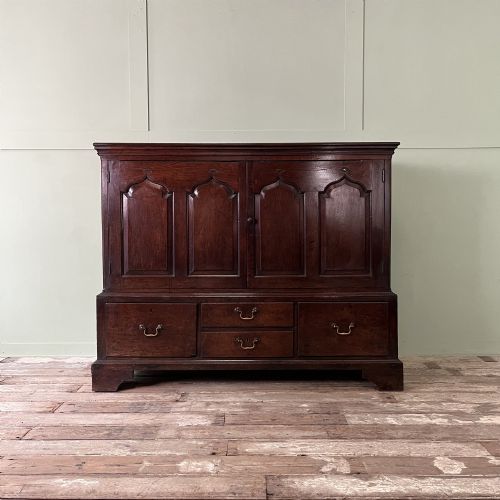
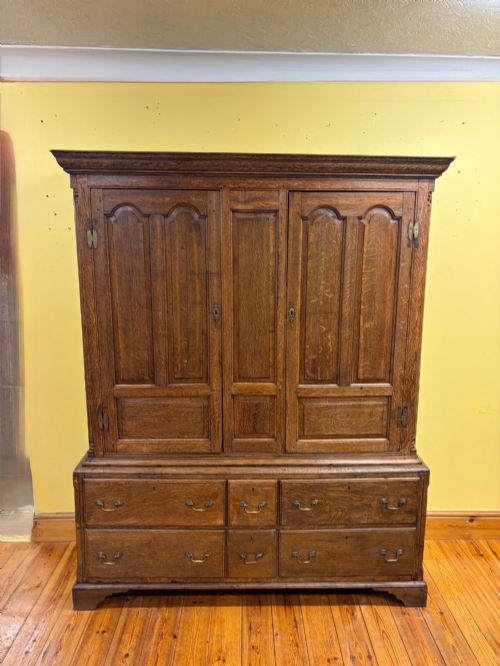
A georgian panelled oak cupboard brings centuries of English country craftsmanship and robust storage directly into a modern home.
Georgian Panelled Oak Cupboard
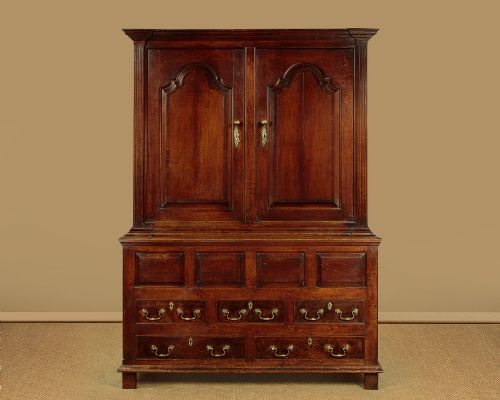
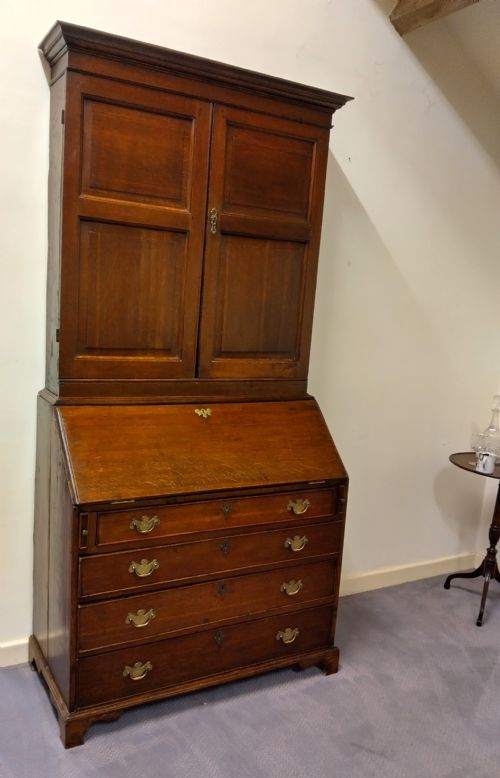
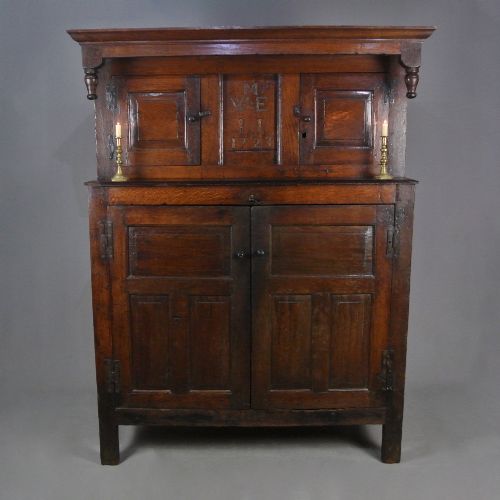
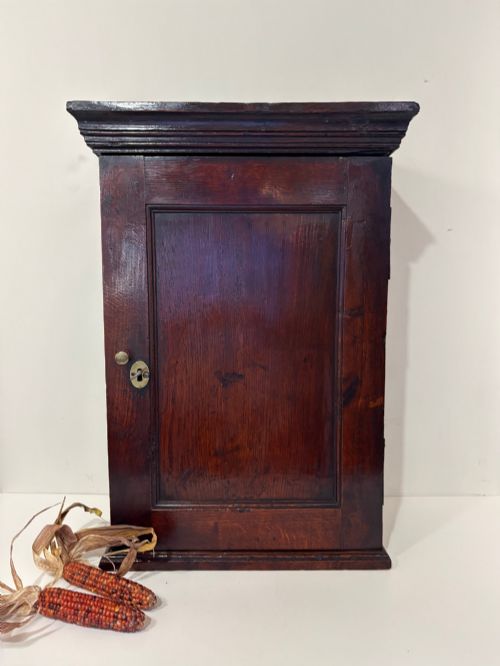
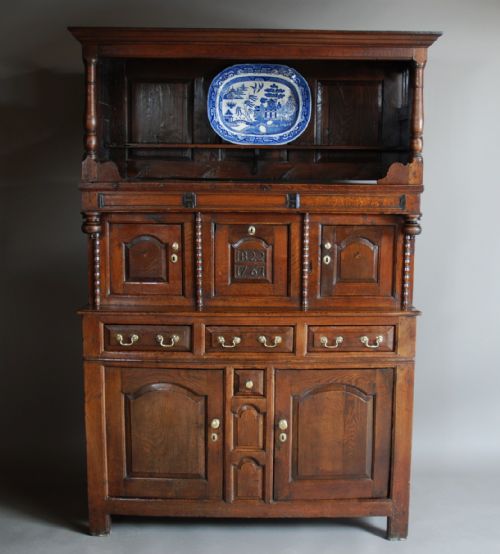
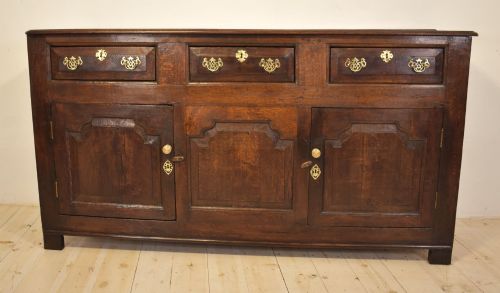
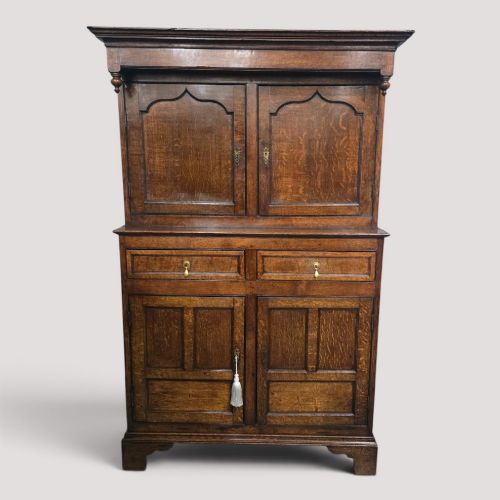
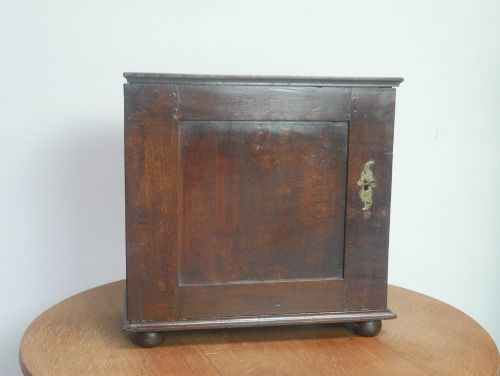
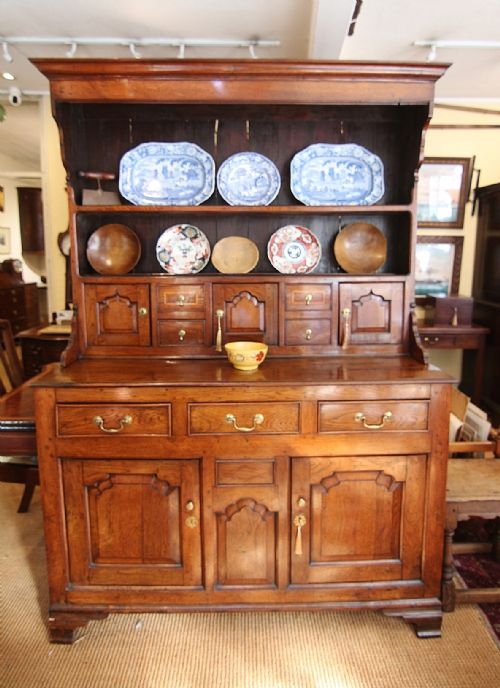
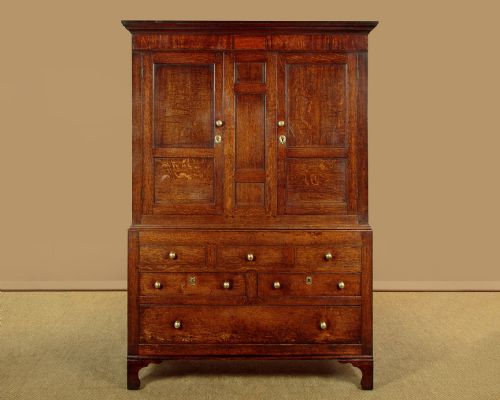
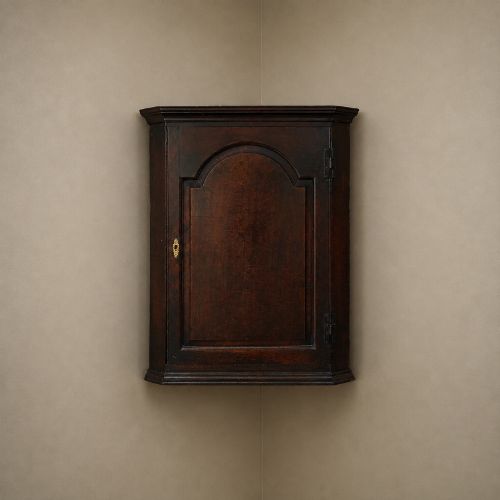
A georgian panelled oak cupboard encompasses a variety of regional forms, from wall-hanging corner cabinets and spice cupboards to substantial housekeepers' presses and court cupboards. These pieces emerge predominantly from eighteenth-century English and Welsh workshops, reflecting local domestic needs for storing provisions, linens, and tack.
The version most likely to be met on this page is the hanging or floor-standing corner cupboard, alongside low linen presses and housekeepers' cupboards. These items showcase vernacular styles rooted in the Georgian period, often bearing panelled doors that define their architectural fronts.
Materials and Technique
Construction relies heavily on solid oak timbers, frequently paired with brass and iron hardware such as hinges, escutcheons, and latches. Secondary woods and occasional fruitwood or marquetry inlay appear on specific regional examples to accent the primary grain.
Joinery methods utilise traditional frame and panel techniques to allow the timber to expand and contract naturally with seasonal humidity changes. Surfaces are finished by hand, developing deep patinas over decades and centuries of daily use.
Georgian Panelled Oak Cupboard Retail Price Guide 2026
Typical asking prices for georgian panelled oak cupboard among the pieces listed under this phrase on Sellingantiques today, from the lower quarter to the upper quarter. They describe what is for sale here now, not the wider market.
Several items retain their original tack and harness hooks, having spent centuries guarding riding gear before entering domestic retirement.
Evaluating the Pieces
Quality separates along the lines of timber selection, structural integrity, and the crispness of the panel mouldings. Pieces retaining their original brass hardware, backboards, and undisturbed surface patinas command greater appreciation among collectors.
Proportion and regional character also dictate distinction, as vernacular pieces from specific areas like Snowdonia or Carmarthenshire display unique regional carving and architectural detailing. Alterations and adapted elements reduce the purity of the historical form.
The Georgian Panelled Oak Cupboard Glossary
- Panel
- A flat piece of wood set within a surrounding frame, allowing timber movement without splitting. This construction method forms the primary visual and structural element of the doors.
- Court cupboard
- A traditional two-tier seventeenth or eighteenth-century cupboard used for displaying plate and storing provisions. These pieces often feature upper recessed cabinets supported by turned posts.
- Linen press
- A tall cupboard designed with sliding trays or shelves in the upper section for storing textiles and linens. The lower section typically incorporates drawer storage.
- Patina
- The surface sheen and deep coloration developed by wood over years of waxing, handling, and ageing. A desirable patina signals genuine age and continuous care.
- Tack cupboard
- A specialised storage piece originally utilised for horse harness and riding equipment. These sturdy cupboards often feature internal hooks and robust iron fixtures.
Georgian Panelled Oak Cupboard: Frequently Asked Questions
What is a housekeeper's cupboard?
A housekeeper's cupboard is a large storage piece traditionally used in country houses to store household linens, dry goods, and provisions.
These large freestanding items often feature multiple panelled doors enclosing interior shelves or sliding trays for organised domestic storage.
How do I identify a Georgian corner cupboard?
A Georgian corner cupboard is built with an angled footprint designed to fit neatly into the corner of a room, saving floor space.
They appear as wall-hanging units or floor-standing cabinets, usually distinguished by architectural cornices and panelled doors.
Are these cupboards made of solid oak?
Most pieces listed utilise solid oak for their main framework, panels, and structural elements, reflecting the durable building traditions of the period.
Some regional examples may incorporate secondary hardwoods or fruitwood inlay for decorative contrast on the primary surfaces.
How should I care for an antique oak cupboard?
Care for antique oak involves placing the piece away from direct heat sources and sudden temperature fluctuations to prevent wood splitting.
Regular application of traditional beeswax helps nourish the timber and preserve the natural surface finish without building up heavy chemical residues.