
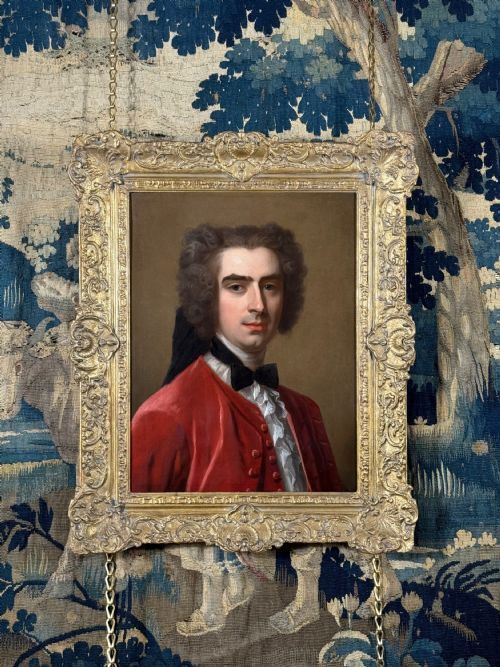
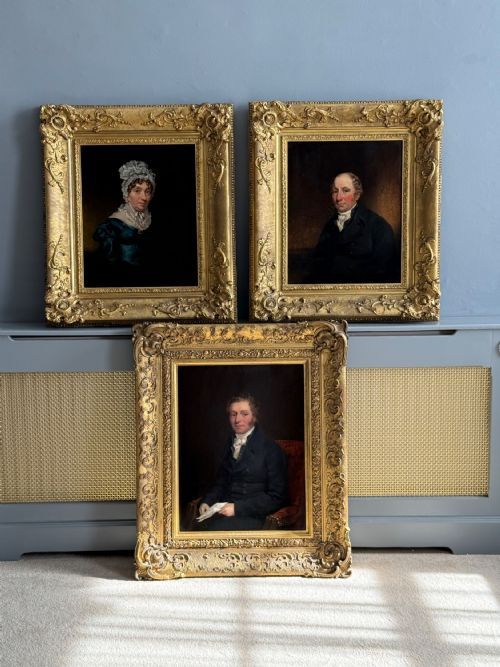
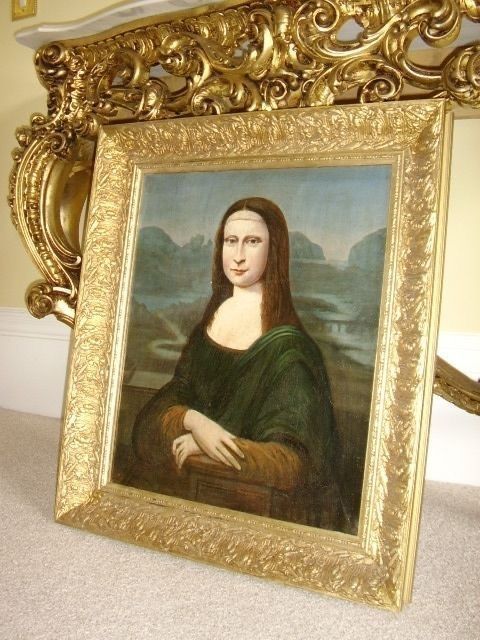
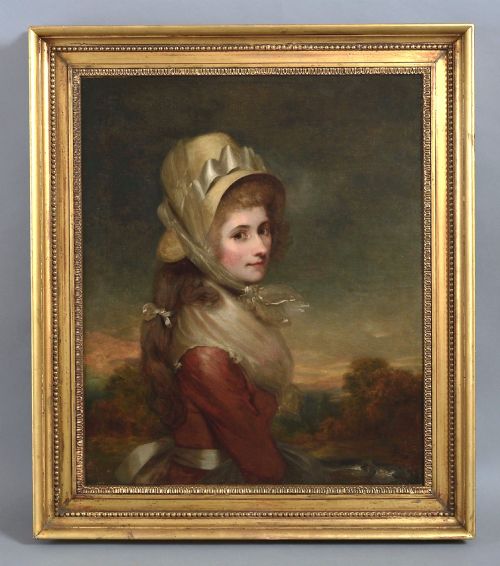
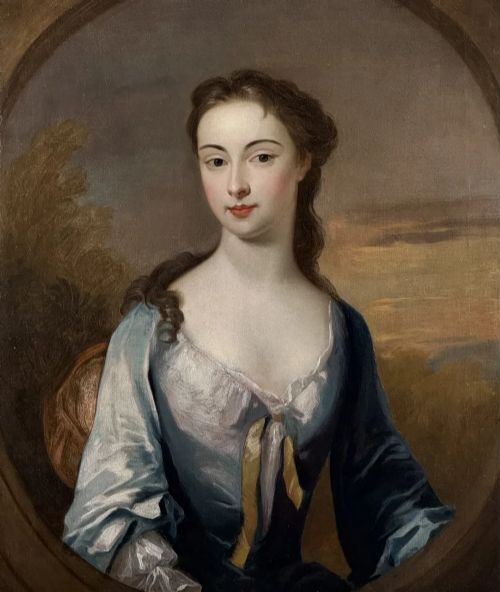
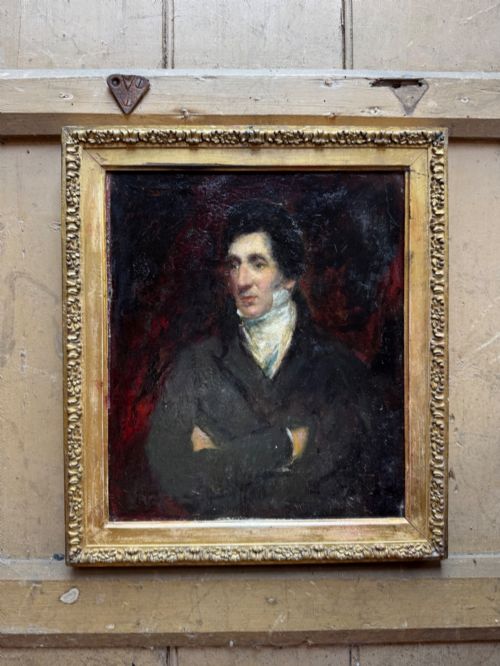
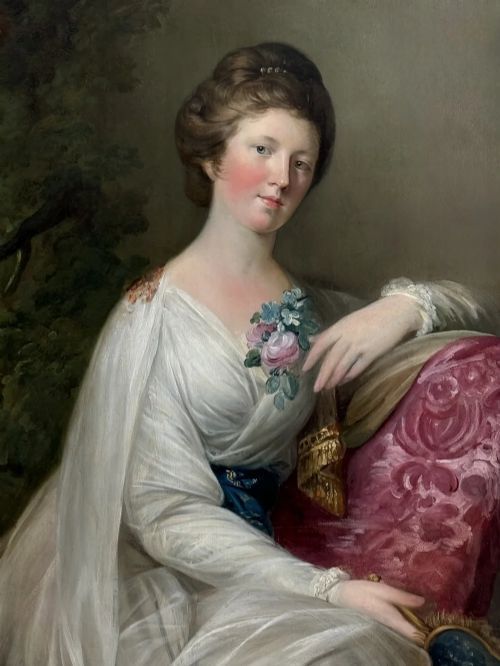
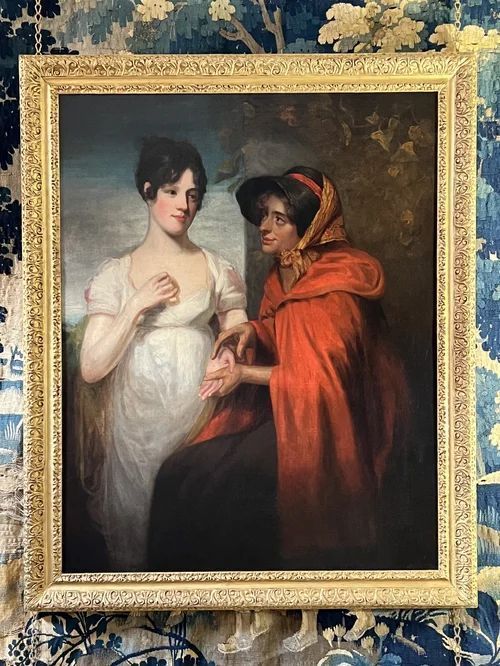
Georgian Oil Portrait Painting
A georgian oil portrait painting captures the likeness and status of past sitters through layered pigments on woven supports.
Georgian Oil Portrait Painting
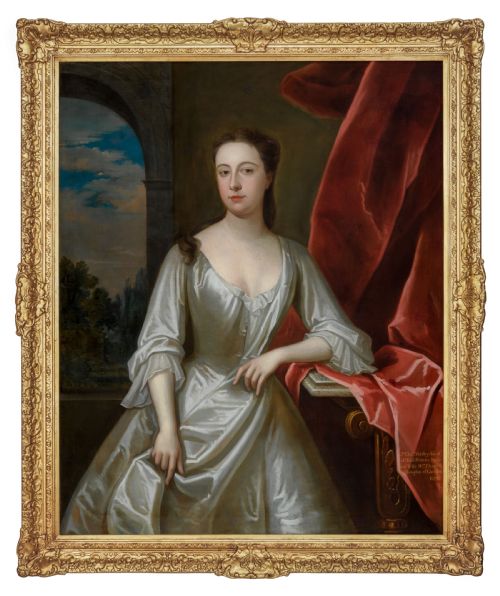
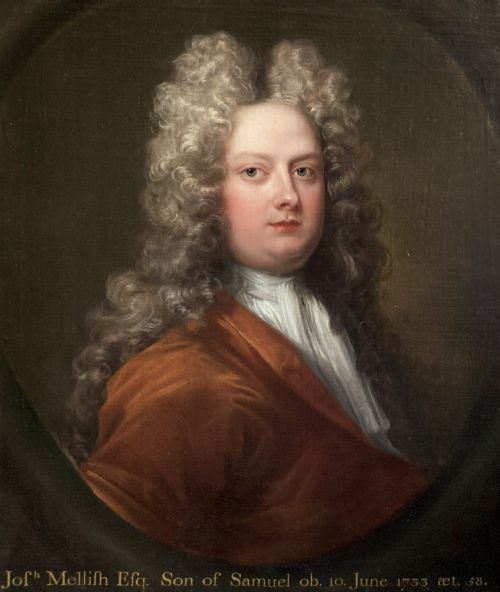
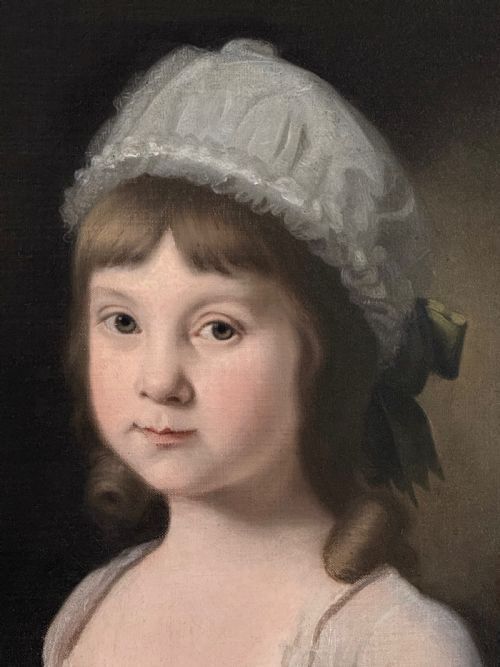
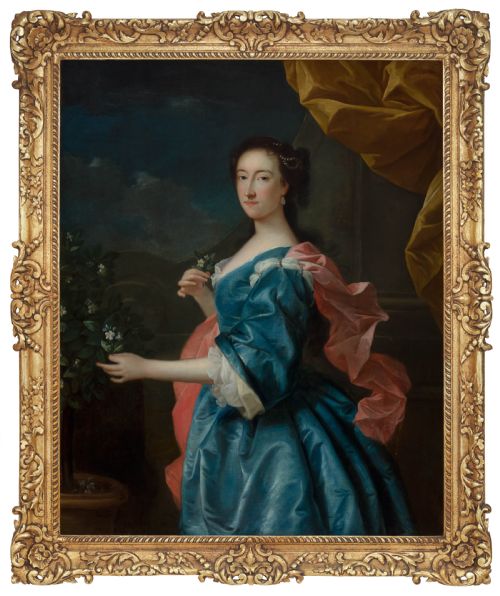
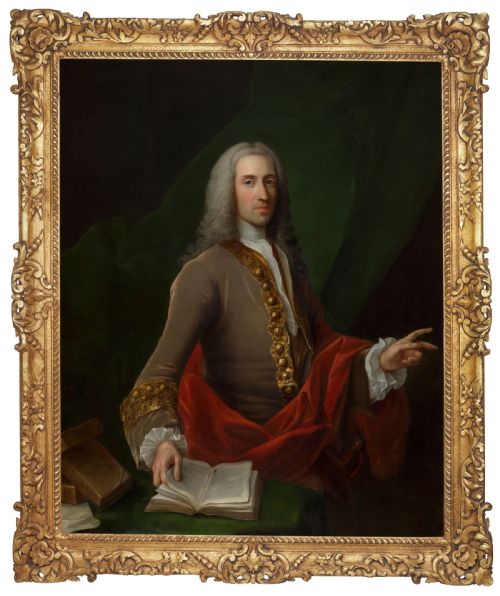
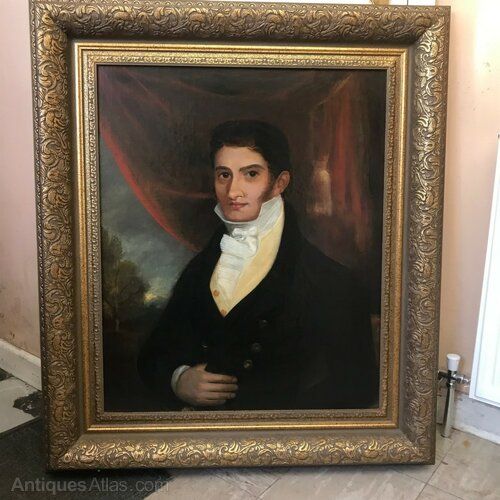
A georgian oil portrait painting depicts subjects ranging from aristocracy and military officers to country girls and actors in character. These works emerge primarily from the eighteenth century and the Regency period, capturing individual identities through formal poses, props such as books or orange trees, and period dress.
Canvases span various scales, from intimate bust-length studies to huge works depicting sitters in elaborate settings. Many follow conventions of British Baroque, classical, or rococo styles, reflecting the aesthetic priorities of their eras.
The selection includes pieces created by named practitioners, studio circles, followers, and anonymous English school hands. Buyers encounter both direct contemporary records of sitters and later interpretations or copies after major masters.
What Varies in Quality
Condition plays a central role, with original unlined canvases and stable paint surfaces holding greater visual integrity than heavily retouched or over-cleaned examples.
Georgian Oil Portrait Painting Retail Price Guide 2026
Typical asking prices for georgian oil portrait painting among the pieces listed under this phrase on Sellingantiques today, from the lower quarter to the upper quarter. They describe what is for sale here now, not the wider market.
Listings feature eighteenth-century and Regency oil paintings on canvas and wood panel, executed in British Baroque and classical styles.
Sir Godfrey Kneller·Charles Jervas·Sir Joshua Reynolds·Jean-Baptiste Van Loo·Joseph Clover·Sir Martin Archer Shee·George Willison·John Opie·Jeremiah Davison·Michael Dahl·Thomas Murray·Lemuel Francis Abbott·Stickland Lowry·John Vanderbank·Thomas Beach·Samuel De Wilde·Charles D’Agar·Sir Thomas Lawrence·George Morland·William Shuter
The Georgian Oil Portrait Painting Glossary
- Oil on Canvas
- A painting medium where pigments suspended in drying oils are applied to a woven fabric support. This combination allowed artists to blend colours smoothly and work across extended periods.
- Giltwood
- Wood carved and covered with a thin layer of gold leaf or metallic powder. It provided opulent frames that reflected candlelight in period interiors.
- Regency
- The period in British history from 1811 to 1820, alongside the broader stylistic era associated with it. Portraiture from this phase often exhibits softer lighting and less rigid formality than earlier Georgian works.
- Studio Circle
- A group of artists working in proximity to a master, often producing works influenced by their methods. These paintings reflect the workshop style without bearing the master's own signature.
- British Baroque
- An artistic style prevalent in the late seventeenth and early eighteenth centuries characterised by grand scale and dramatic movement. Portraits in this mode emphasised status through theatrical drapery and imposing poses.
Georgian Oil Portrait Painting: Frequently Asked Questions
How do I date a georgian oil portrait painting?
Dating relies on stylistic clues such as wig styles, costume details, and hair arrangement, which shifted rapidly across the eighteenth century. Inscriptions on the canvas or stretcher frame often provide direct documentary evidence of the sitter and year.
Comparison with documented works by the same artist or studio helps narrow the decade of execution. Pigment analysis and canvas examination offer further technical markers for period verification.
What is the difference between a studio work and a follower piece?
A studio work was produced within the physical workshop of a named master, frequently under their direct supervision or utilising their preliminary sketches. These pieces share the technical proficiency and compositional approach of the principal artist.
An artwork by a follower was painted later or independently by someone influenced by the master's style. These pieces emulate the aesthetic without direct connection to the primary workshop.
How were these portraits displayed in period homes?
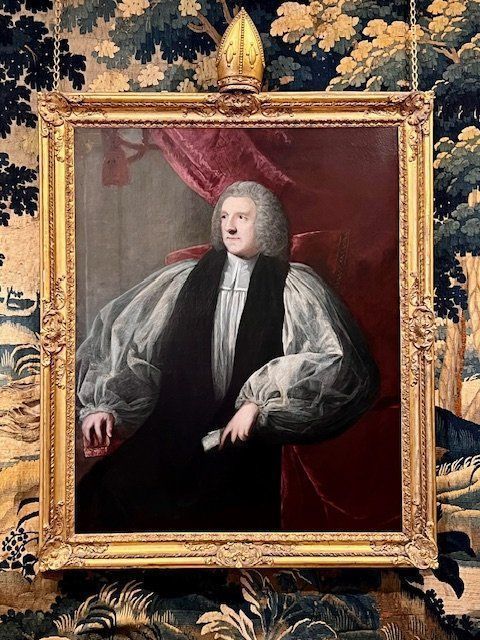
Landowners and merchants hung large canvases in reception rooms, halls, and galleries to project lineage, status, and political allegiance. Heavy giltwood frames isolated the portraits against panelled or tapestried walls.
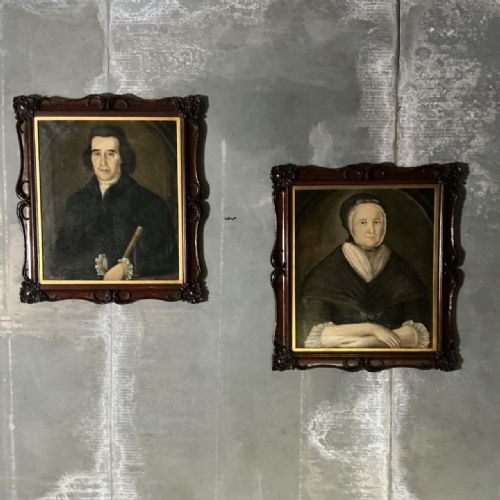
Smaller formats appeared in intimate family spaces such as parlours and private bedchambers. Lighting came from tall windows by day and candles by night, making the reflective gold leaf and luminous oil glazes essential for visibility.
Why do some portraits feature objects like books or fruit?
Props served as visual shorthand for the sitter's education, wealth, interests, or virtues. Books indicated scholarly pursuits or legal professions, while items like orange trees referenced exotic trade and prosperity.
These symbolic elements helped viewers read the social standing and intellectual life of the individual portrayed. Botanical details also demonstrated the sitter's refined taste in estate management and gardening.