
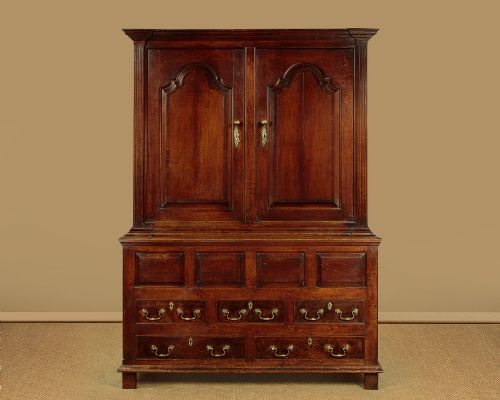
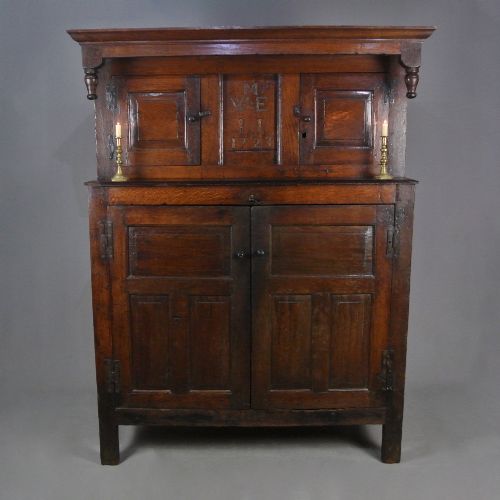
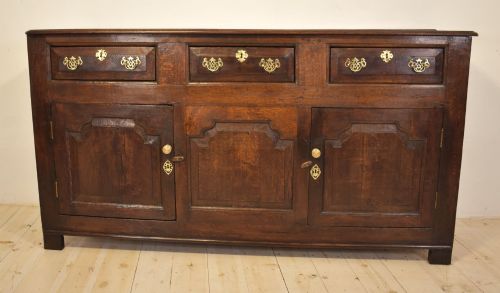
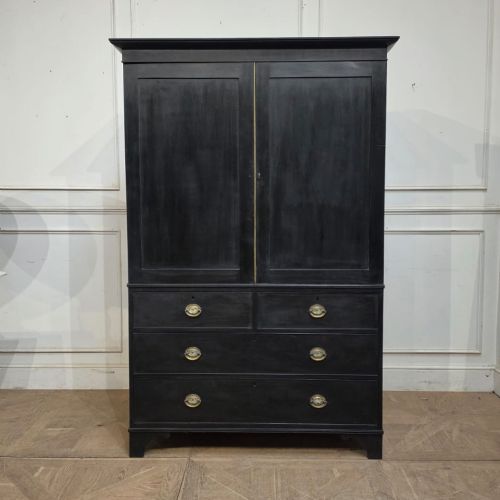
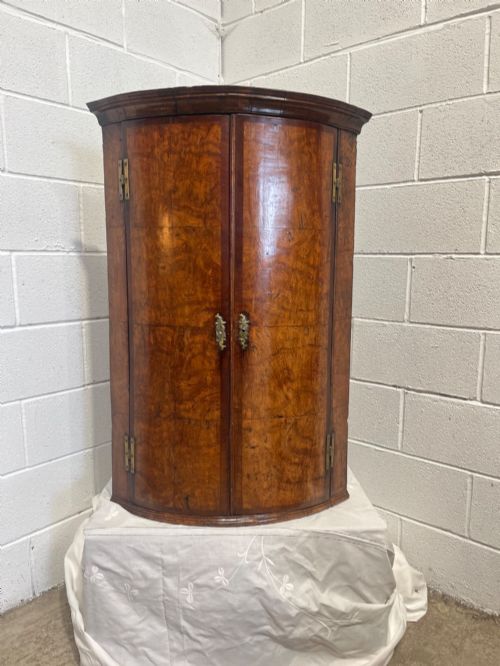
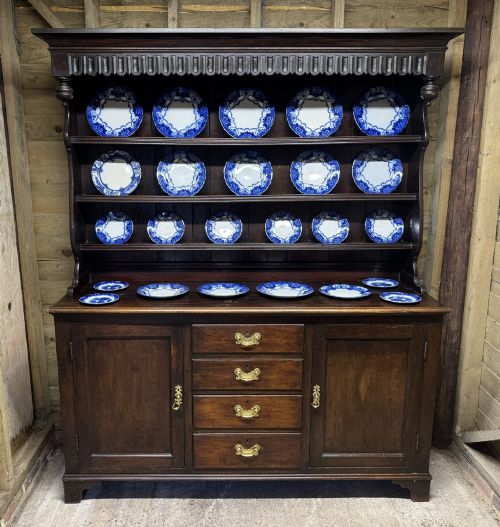
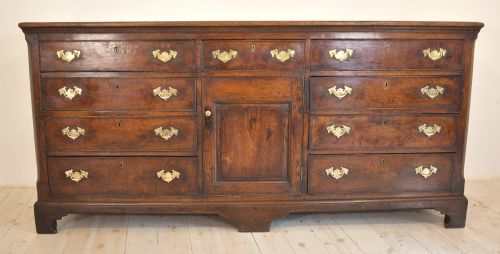
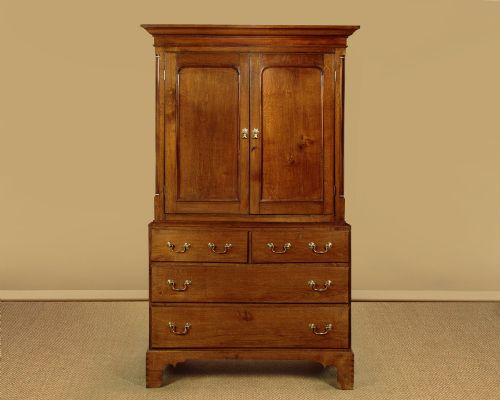
Georgian Oak Storage Cupboard
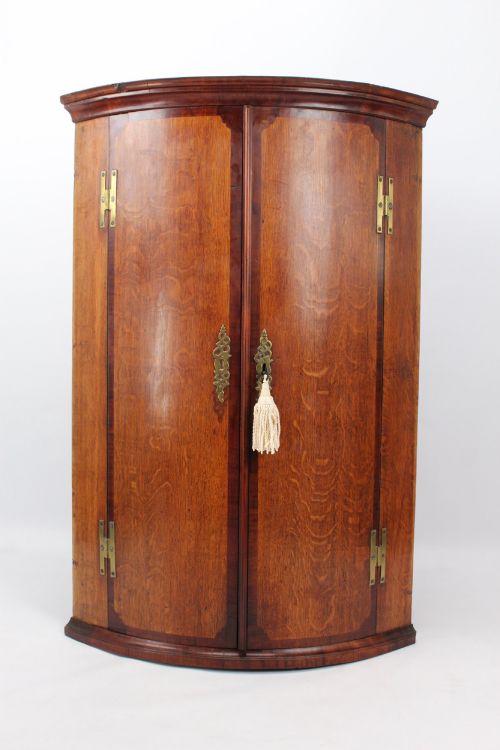
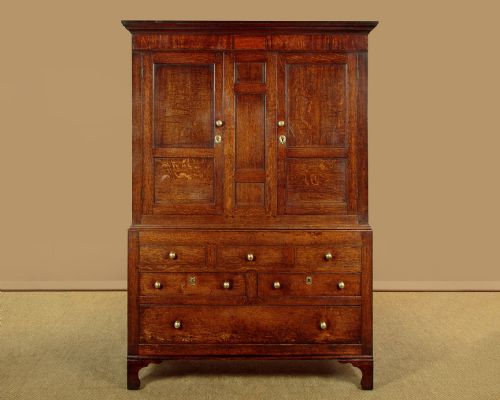
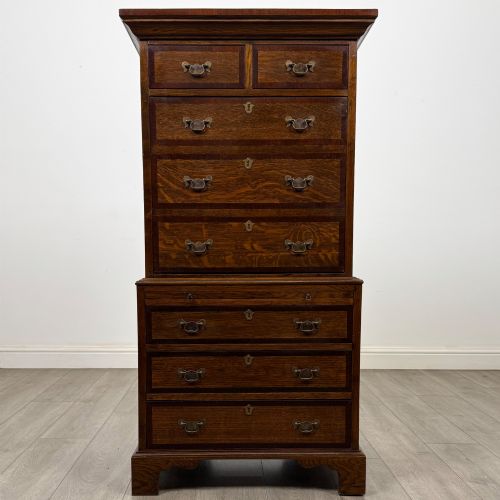
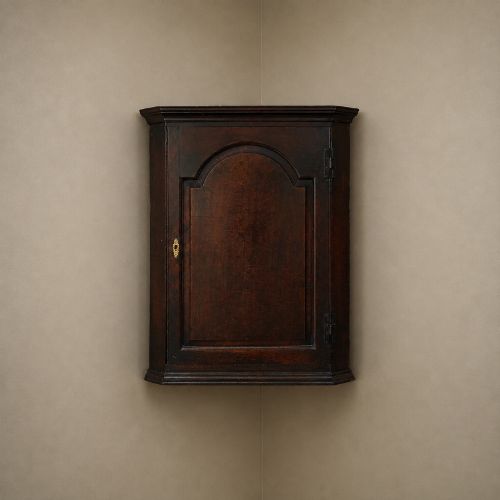
A georgian oak storage cupboard provides sturdy utility, ranging from corner cabinets to housekeepers' presses built for rural homes.
Georgian Oak Storage Cupboard
The regional vernacular dominates these listings, with many pieces originating from Wales and provincial English counties like Lancashire. Buyers frequently encounter floor-standing and wall-hanging corner units alongside large livery and court cupboards spanning the seventeenth to twentieth centuries.
How they were made
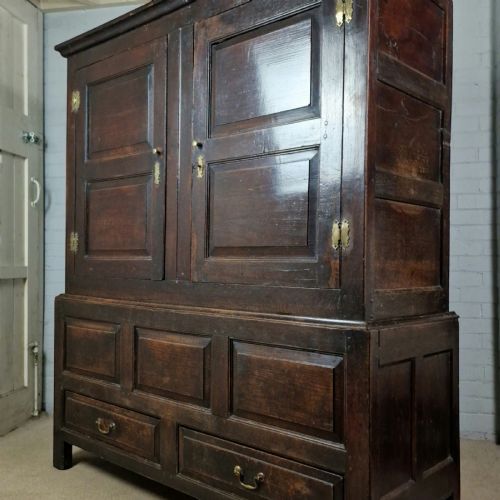
Construction relies heavily upon solid timber framing, predominantly oak, supplemented by secondary materials such as pine, mahogany, and burr elm. Blacksmith-made iron hinges, iron locks, and brass hardware provide the structural and functional fastenings for heavy doors and drawers.
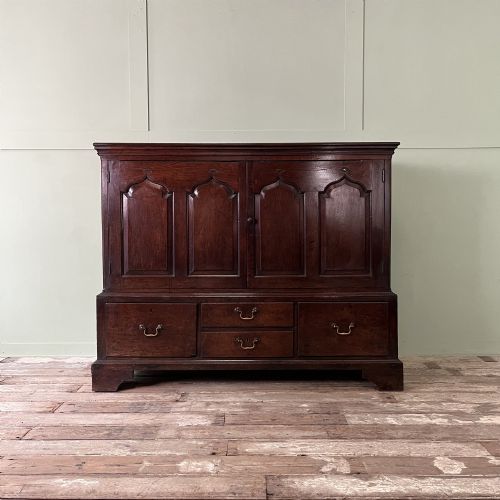
Joinery methods reflect traditional country craftsmanship, utilising panelled doors, pegged joints, and occasional burr oak or marquetry decorative elements. Surfaces typically display the natural grain of the wood, sometimes enhanced through ebonising rather than heavy veneers.
Listings span from the seventeenth to the twentieth century, combining regional Welsh vernacular pieces with formal Georgian and Victorian forms.
What varies in quality
Quality rests upon the selection of timber, the integrity of the original hardware, and the sophistication of the regional construction. Pieces retaining their original blacksmith-made locks, hinges, and untouched surface patination command greater interest among purists.
The proportion and scale dictate overall success, distinguishing utilitarian farm furniture from more ambitious urban or provincial cabinet work. Finer examples display careful grain matching, particularly in burr sections, alongside well-proportioned cornices and unbroken mouldings.
The Georgian Oak Storage Cupboard Glossary
- Housekeeper's cupboard
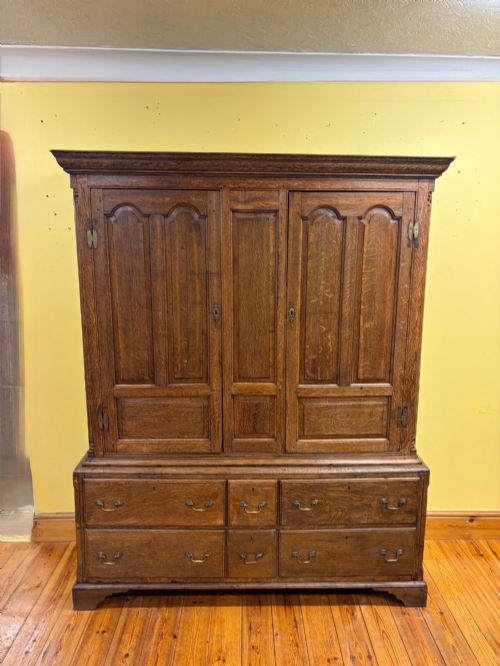
- A large storage piece traditionally used for linen, dry goods, and domestic provisions. These tall cupboards often feature multiple doors enclosing shelves and hanging space.
- Corner cabinet
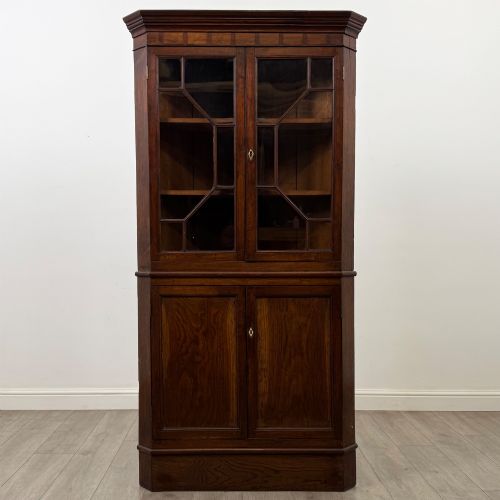
- A specialised storage unit designed to fit neatly into the ninety-degree angle of a room. They appear in both wall-hanging and floor-standing formats with glazed or panelled doors.
- Linen press
- A tall storage item featuring upper doors concealing sliding trays for folded textiles above a base of lower drawers. They often incorporate Georgian or Victorian oak construction.
- Court cupboard
- An early form of buffet or enclosed storage featuring a recessed upper section supported by turned pillars. These heavy seventeenth and eighteenth-century pieces anchor country interiors.
- Dresser base
- A low utilitarian table fitted with rows of drawers and sometimes cupboards beneath the top surface. They served as primary food preparation and storage hubs in farmhouse kitchens.
Georgian Oak Storage Cupboard: Frequently Asked Questions
What is a housekeeper's cupboard?
A housekeeper's cupboard is a large, upright storage piece traditionally used in country houses to store household linens, blankets, and dry provisions. These practical items often feature multiple panelled doors opening to interior shelving or hanging space.
Built for heavy daily use, they represent the sturdier side of domestic storage from the eighteenth and nineteenth centuries. Their generous proportions make them highly functional for modern bedroom or hallway placement.
How do I date an oak cupboard?
Dating relies upon examining construction methods, timber selection, hardware, and stylistic vernacular. Earlier seventeenth and eighteenth-century examples utilise pegged frame-and-panel joinery, hand-carved details, and heavy iron blacksmith hinges.
Later nineteenth and twentieth-century interpretations often incorporate machine-cut elements, standard brass fittings, and cleaner internal linings. Regional variations in Welsh and English country styles also provide useful chronological clues.
How do I care for antique oak?
Antique oak benefits from stable indoor humidity and protection from direct sunlight, which can dry out the timber and fade the surface patination. Regular dusting with a dry or very slightly damp soft cloth preserves the finish.
Applying traditional beeswax occasionally helps nourish the wood without building up heavy chemical residues. Avoid placing these heavy wooden items near direct heat sources.