


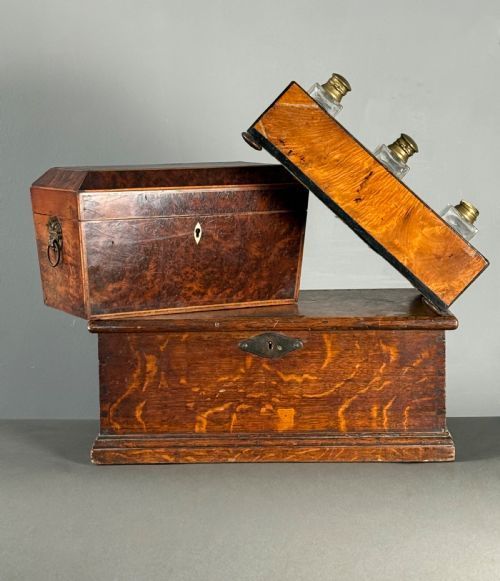
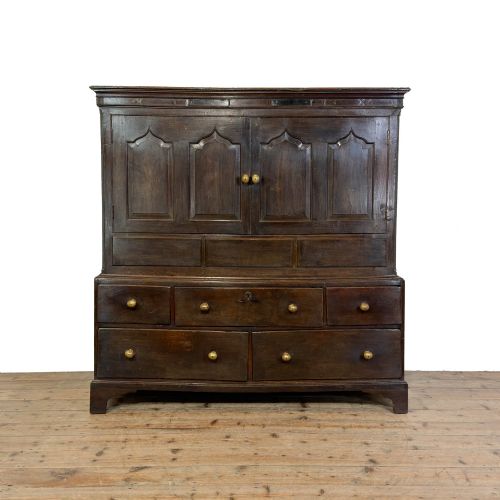
Georgian Oak Storage Box
A georgian oak storage box brings robust utility and honest country craftsmanship into a room, offering enduring space for household goods.
Georgian Oak Storage Box
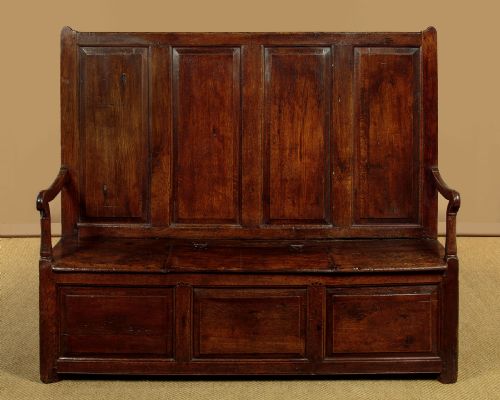
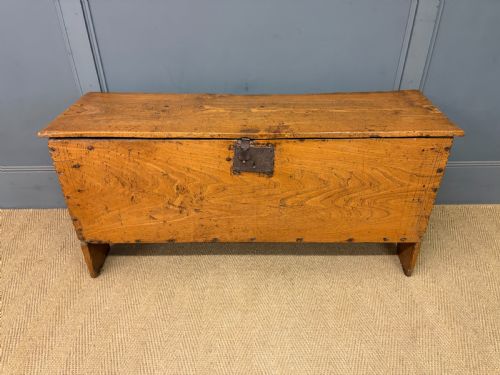
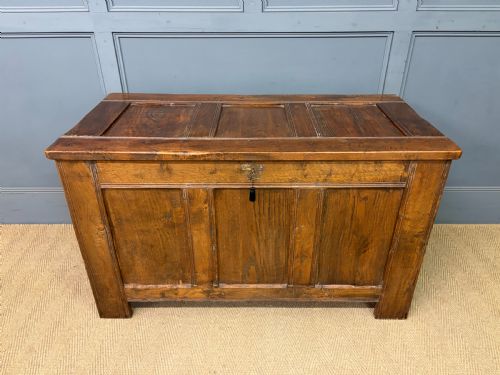
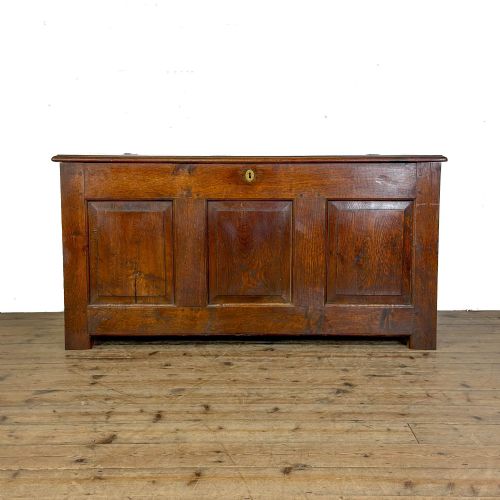
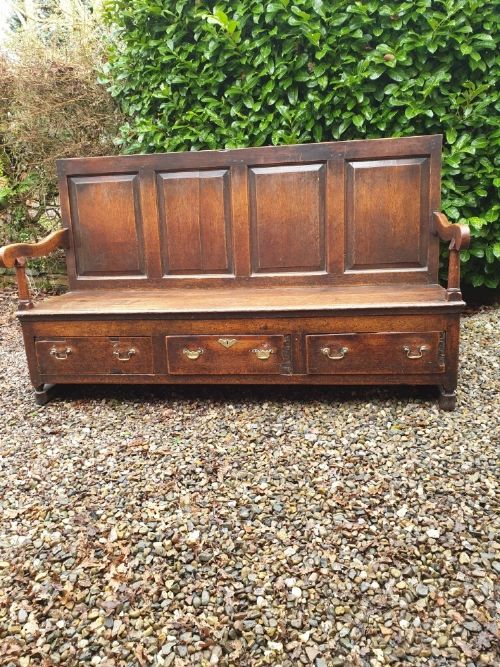
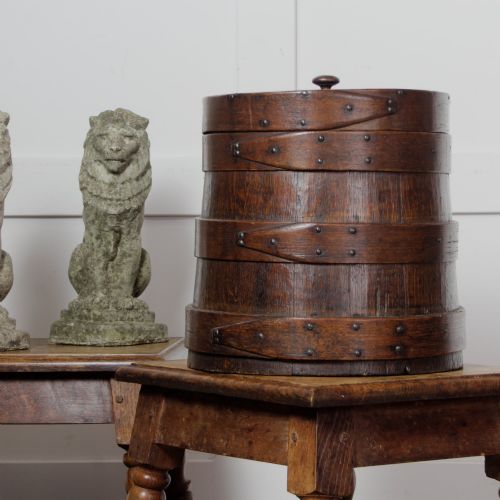
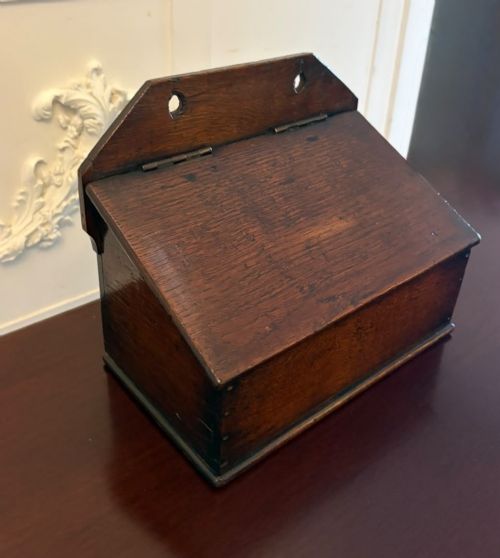
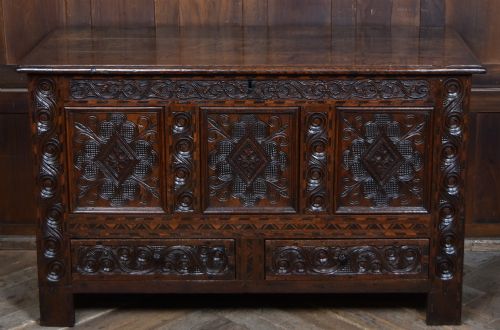
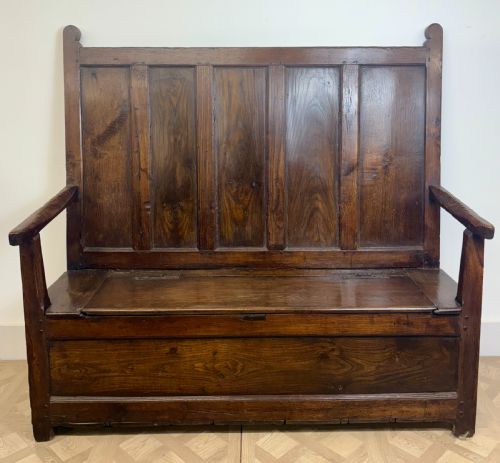
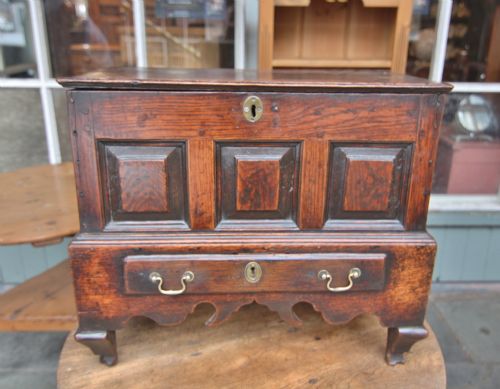
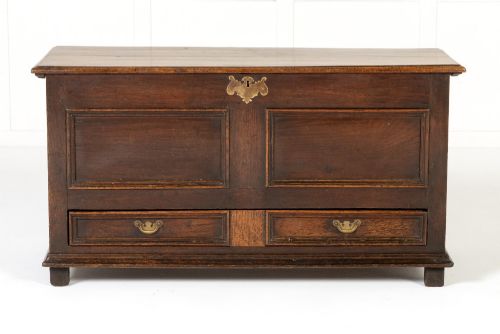
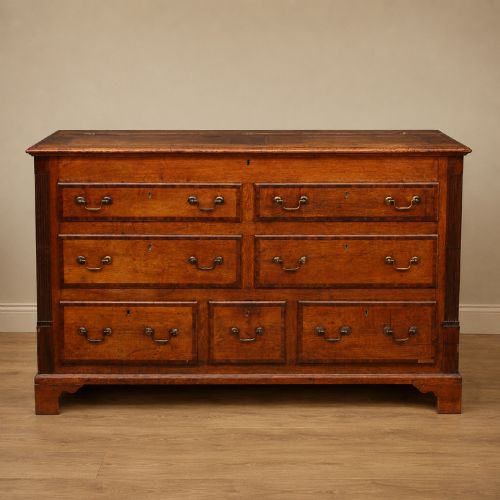
A georgian oak storage box encompasses solid receptacles built for holding linen, valuables, documents, and provisions in domestic settings. The pieces vary in scale from small wall-hanging candle boxes and tabletop bible boxes up to large blanket chests, mule chests fitted with bottom drawers, and box settles.
Most examples originate from the eighteenth century, bearing the vernacular traditions of English and Welsh workshops. Buyers frequently encounter standard coffers and mule chests constructed primarily from oak, alongside smaller lidded boxes designed for specific household tasks.
How they were made
Local joiners and country craftsmen built these items using solid native timber, predominantly oak supplemented by elm, ash, and mahogany for secondary elements or decorative crossbanding. Panels were typically held within framed structures using traditional pegged mortise and tenon joints to allow the timber to move naturally with seasonal humidity changes.
Hardware played a functional and structural role, with heavy iron hinges, latches, and brass escutcheons securing the lids and compartments. Surfaces received simple finishes, sometimes incorporating carved details, inlaid wood, or polished patination built up through decades of handling.
Early candle boxes feature tapered rectangular bodies designed to hang neatly on cottage walls away from wandering farm animals.
What varies in quality
Quality rests in the integrity of the timber selection, the crispness of any hand carving, and the survival of original structural components like feet, hinges, and base boards. Pieces utilising burr elm panels or neat mahogany crossbanding reflect more ambitious regional cabinet-making rather than basic domestic utility.
The depth of patination and the proportion of the carcass dictate the visual appeal of an item. Superior examples retain their original boarded lids, untouched surface colour, and well-balanced dimensions without excessive timber replacement or unsympathetic alterations.
The Georgian Oak Storage Box Glossary
- Coffer
- A large wooden chest traditionally used for storing valuables, textiles, or documents. These sturdy containers often feature panelled construction and hinged lids.
- Mule chest
- A storage chest fitted with one or more drawers beneath the main lidded compartment. This form bridges the gap between a traditional coffer and a chest of drawers.
- Coffer bach
- A small Welsh box or chest, often featuring a drawer beneath the main compartment. The term translates literally from Welsh as little coffer.
- Box settle
- A wooden bench featuring a high back and a box seat with a hinged lid for storage. These dual-purpose seats sat near hearths in country houses.
- Crossbanding
- A decorative border technique where thin strips of veneer are laid across the grain of the primary wood. This method frames panels on finer vernacular furniture.
- Patina
- The surface sheen and mellow colour developed by wood over long periods through handling, light exposure, and waxing. It serves as an indicator of age and continuous use.
Georgian Oak Storage Box: Frequently Asked Questions
What is a coffer bach used for?
A coffer bach served as a miniature storage chest for domestic valuables, important documents, or personal keepsakes within Welsh homes.
Craftsmen often built these small boxes as presentation pieces for marriages or significant family milestones, combining display value with practical storage.
How do I tell a mule chest apart from a standard coffer?
A mule chest includes one or more drawers built into the base beneath the primary lidded compartment. A standard coffer consists only of the main upper chest cavity accessed solely from the top lid.
This addition of drawers allowed owners to access frequently used items without needing to lift the heavy items stored inside the top section.
Where should I place a box settle in my home?
A box settle works well in hallways, large kitchens, or living spaces where its high back can create a functional partition or seating nook. The internal compartment beneath the seat provides discreet storage for blankets or boots.
Because these benches were originally designed for draughty farmhouse hearths, they suit placement against solid walls or in entryways.
How do I care for antique oak furniture?
Keep oak storage pieces away from direct heat sources, radiators, and strong sunlight to prevent the solid timber from drying out, splitting, or warping. Maintain stable indoor humidity levels to protect the traditional pegged joinery.
Apply a traditional beeswax polish sparingly and buff with a soft cloth to preserve the surface sheen without building up excessive residue.