


Rustic Wooden Bible Box
These rustic wooden bible box pieces are solid timber containers built to hold sacred texts, offering a tactile connection to domestic history.
Rustic Wooden Bible Box
A rustic wooden bible box is a traditional lidded chest designed for household devotion and safekeeping. The pieces gathered under this phrase span the seventeenth and eighteenth centuries, reflecting early English vernacular cabinetmaking.
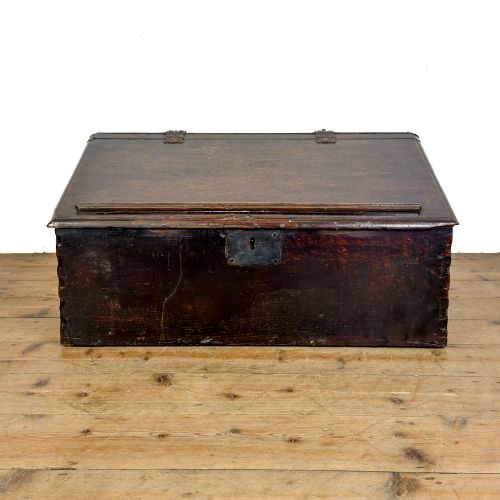
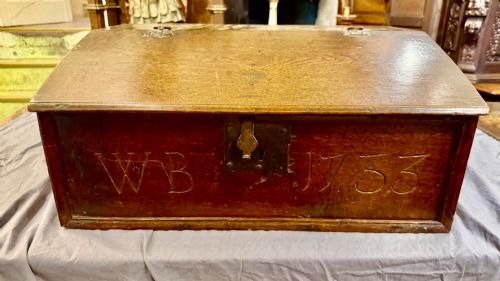
Buyers most frequently encounter oak examples from the Georgian and seventeenth century periods. These encompass forms described as document boxes, desk boxes, slant front bible boxes, and box stools.
Origins include Welsh workshops alongside general English vernacular pieces. They serve equally today as desk tops, writing boxes, or small coffers for domestic storage.
How they were made
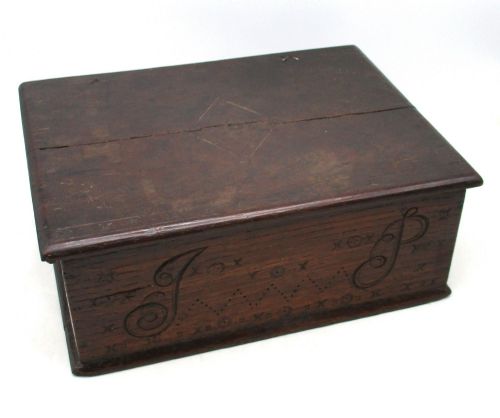
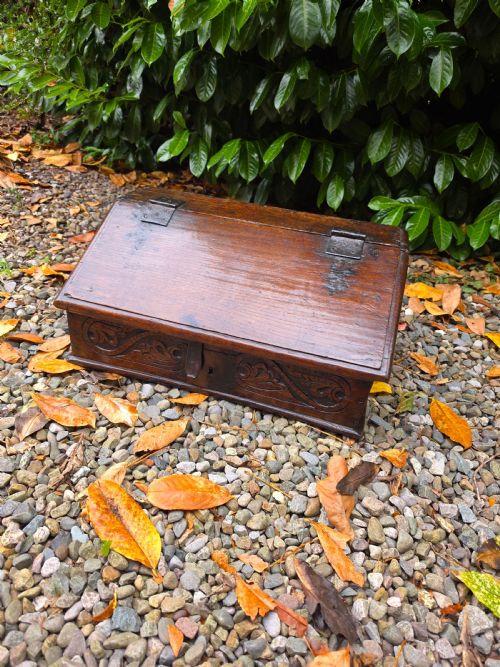
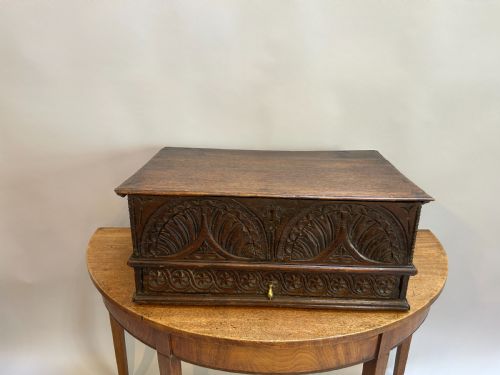
Makers built these items primarily from solid oak, utilising dense native timber suited to rigorous daily use. Surfaces often display carved decoration reflecting seventeenth century Jacobean and early eighteenth century styles.
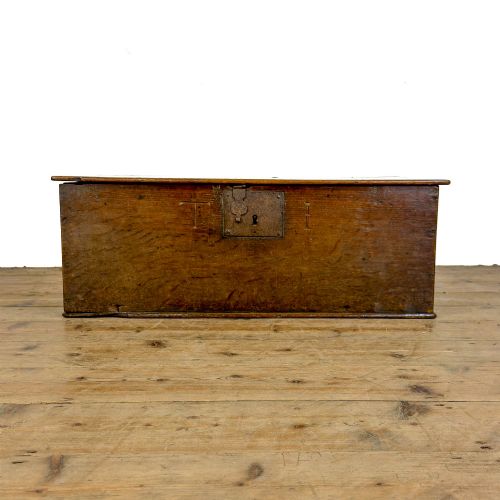
Hardware consists of iron and brass fittings such as hinges, latches, and escutcheons. Joinery relies on traditional pegged framing and board construction designed to endure centuries of handling.
Early owners kept their most precious books safe from damp church floors by locking them inside these sturdy oak boxes.
What varies in quality
Quality rests upon the crispness of the original carved detail and the integrity of the timber. Pieces featuring sophisticated seventeenth century carving command greater attention than plain utility boxes.
The degree of original surface paturation and the survival of early iron or brass hardware distinguish standard domestic receptacles from finer surviving examples.
The Rustic Wooden Bible Box Glossary
- Bible box
- A small portable wooden chest historically made to protect and transport a family bible. These pieces often double as writing surfaces when rested on a table.
- Slant front
- An angled top design that provides an ergonomic surface for writing or reading. This configuration appears on seventeenth century desk boxes.
- Box stool
- A hybrid form combining a seat with a lidded storage compartment beneath the top. This object type serves multiple functions within early domestic interiors.
Rustic Wooden Bible Box: Frequently Asked Questions
What is a rustic wooden bible box?
A rustic wooden bible box is a small seventeenth or eighteenth century chest built from oak to store sacred texts and valuable documents. These lidded containers were essential items in early homes.
They often double as portable writing desks or small storage coffers. Their simple timber construction reflects traditional vernacular cabinetmaking.
How were these boxes used historically?
Households utilised these wooden containers to keep family bibles clean, dry, and secure from damage. The lidded boxes also served as portable repositories for important legal papers and letters.
Some variants featured sloping lids to function as impromptu writing desks. They sat upon tables or benches within domestic spaces.
How do I tell seventeenth and eighteenth century boxes apart?
Seventeenth century pieces often display characteristic Jacobean style carving, such as geometric strapwork or stylised foliage. Their construction typically employs heavy pegged oak framing.
Eighteenth century examples tend toward plainer surfaces or simpler Georgian lines. The overall timber patination and joinery style also help indicate the period of origin.
What materials are used in these pieces?
Makers constructed these boxes almost entirely from solid oak, which provided durable strength for daily domestic life. The timber ages to a deep, warm tone over centuries.
Hardware components comprise functional iron and brass fastenings, including hinges and locking plates. These metal elements secure the lidded compartments.