
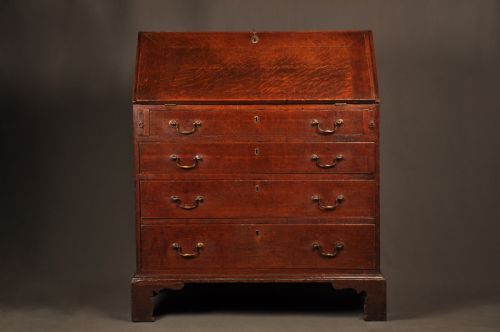

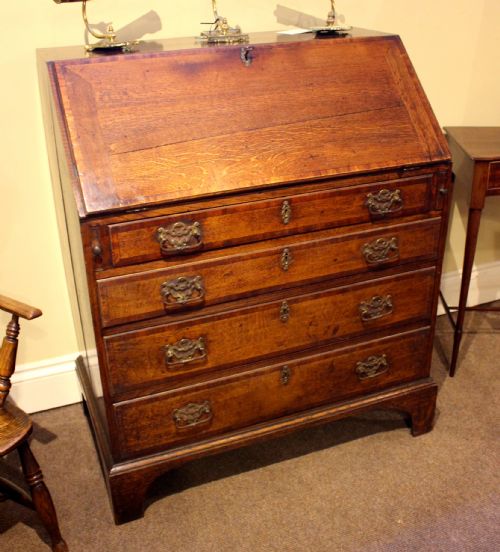


Georgian Oak Secretary Desk
A georgian oak secretary desk combines a fitted writing cabinet with concealed compartments, offering timeless practicality and robust provincial charm.
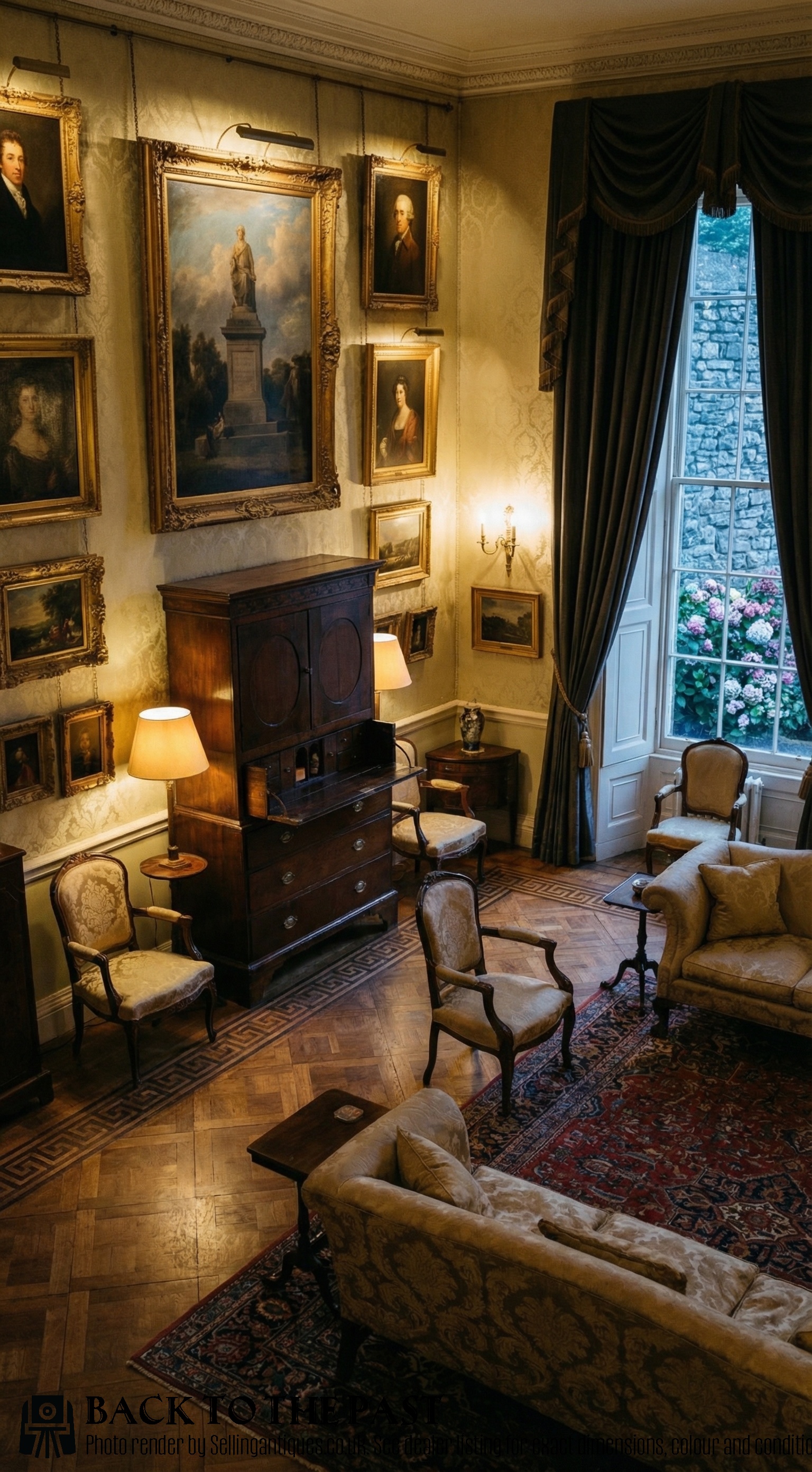
Georgian Oak Secretary Desk
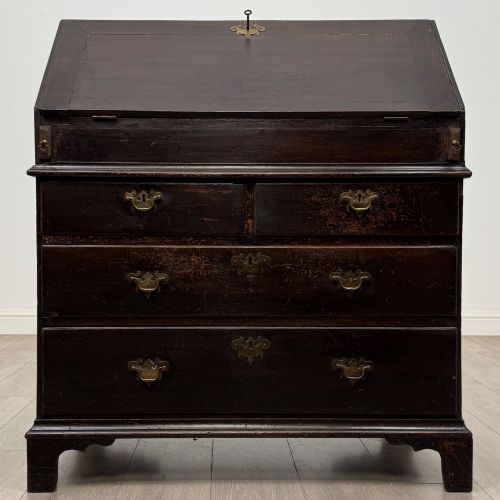
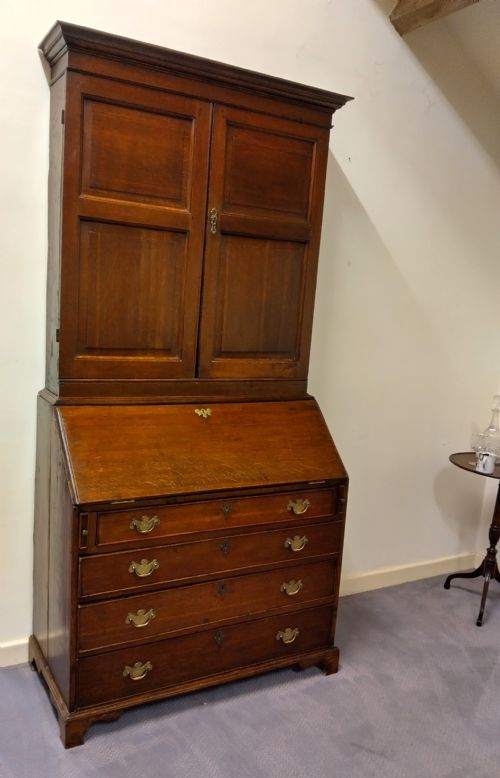
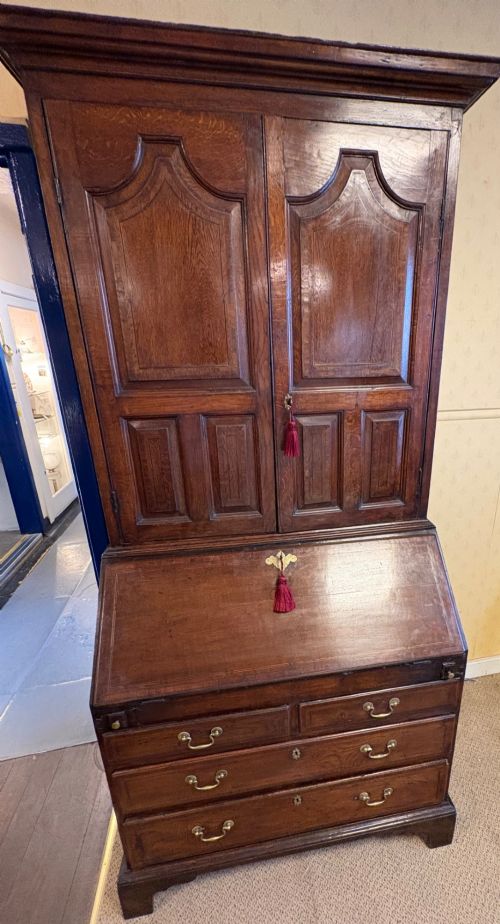
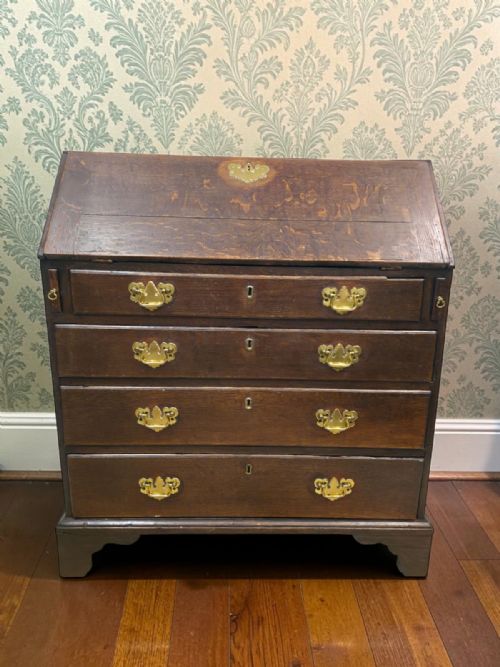
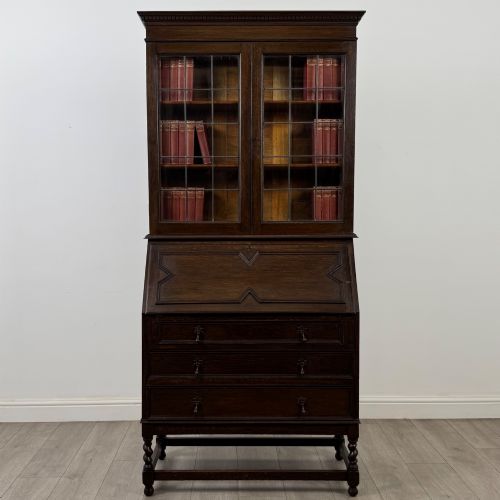
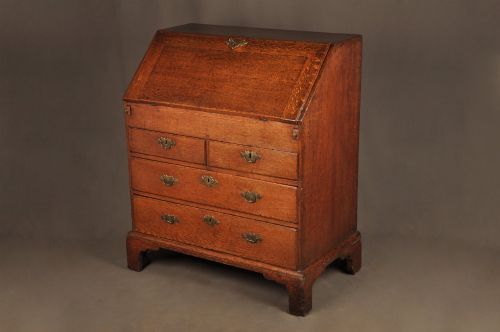
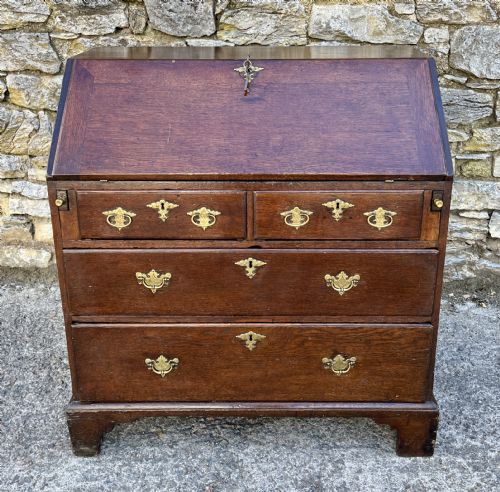
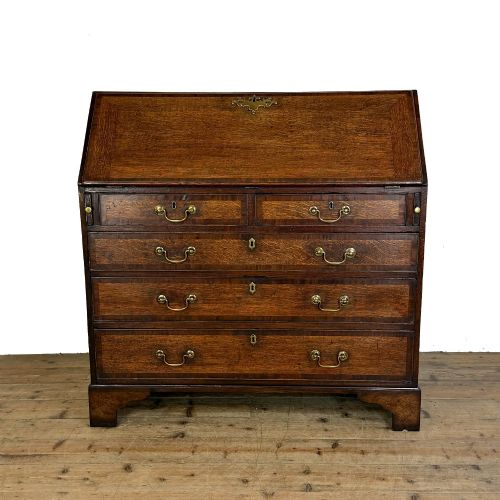
A georgian oak secretary desk primarily manifests as a fall-front bureau or a towering bureau bookcase, merging a sloping writing flap with tiered drawers below. These items span from the early eighteenth century through the George III period, reflecting vernacular and formal domestic trends alike.
Buyers frequently encounter compact provincial examples alongside taller dual-section bookcase combinations featuring glazed upper doors. The interior configuration typically reveals a stepped arrangement of small drawers and pigeonholes designed for correspondence.
Originating largely from British workshops, these pieces rely on sturdy local timber rather than exotic veneers. The surviving items showcase the enduring utility of domestic workspace furniture from the seventeen hundreds and onward.
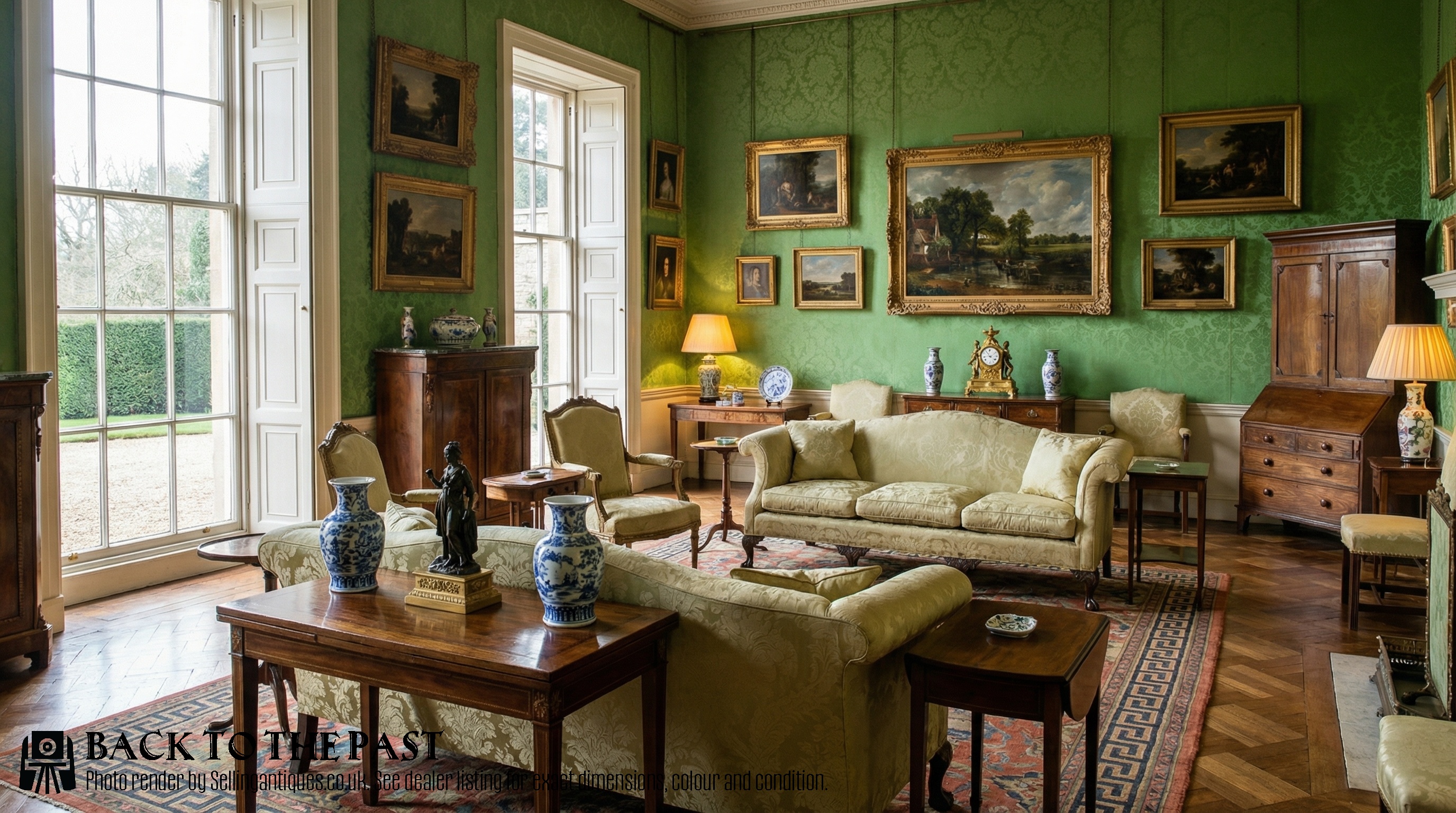
Materials and Construction Methods
Carpenters constructed these items predominantly using solid oak, occasionally incorporating mahogany crossbanding or wood inlay for decorative contrast. Structural durability stems from dense native timber boards joined to form heavy carcases and fall-front writing surfaces.
Makers integrated brass hardware such as escutcheons and drop handles alongside internal fittings lined in green baize or leather. Glass panels were glazed into upper bookcase doors to protect library collections, while internal drawers utilised fine secondary woods.
Georgian Oak Secretary Desk Retail Price Guide 2026
Typical asking prices for georgian oak secretary desk among the pieces listed under this phrase on Sellingantiques today, from the lower quarter to the upper quarter. They describe what is for sale here now, not the wider market.
Current listings feature oak writing furniture spanning from seventeen hundred through the Edwardian era, including pieces adapted for modern technology.
Markers of Distinction and Craftsmanship
Superior examples distinguish themselves through the figuration of the oak timber, the restraint of any crossbanding, and the complexity of the stepped interior compartments. Finer pieces maintain original brass handles and hinges alongside untouched drawer linings.
The refinement of the bracket feet or plinth base separates standard provincial items from more ambitious cabinet work. Alterations, adaptations for modern technology, or heavily replaced hardware diminish the integrity of the original construction.
The Georgian Oak Secretary Desk Glossary
- Fall-front
- A hinged writing flap that drops forward to create a horizontal desk surface. When closed, it conceals the interior pigeonholes and small drawers.
- Bureau bookcase
- A two-part form combining a lower writing desk with an upper glazed cabinet for books. These towering pieces dominate the room and provide dual storage functions.
- Crossbanding
- A narrow strip of veneer laid across the grain direction of the primary wood to frame a drawer front or flap. This technique adds subtle visual contrast.
- Step interior
- A stepped arrangement of internal drawers and pigeonholes rising in tiers within the desk section. It organises stationery and valuable documents securely.
- Secretaire
- A cabinet or chest incorporating a disguised writing drawer or pull-out flap. It serves the same function as a bureau within a formal case piece.
Georgian Oak Secretary Desk: Frequently Asked Questions
How do I use a secretary desk today?
The drop-down flap provides a practical writing surface for a laptop or notebook while keeping modern clutter hidden away behind closed panels.
Internal compartments and small drawers organise stationery, letters, and small office supplies just as they did centuries ago.
Are these desks difficult to maintain?
Solid oak requires minimal upkeep beyond regular dusting with a dry cloth and occasional applications of traditional beeswax to nourish the timber.
Keeping the furniture away from direct heat sources and radical humidity changes prevents the heavy oak panels and internal drawers from warping.
How can I tell an eighteenth-century piece apart from later revivals?
Examination of the drawer construction, hand-cut dovetails, and timber shrinkage patterns reveals the true age of the carcase and internal components.
Later Edwardian or reproduction pieces built in revival styles often display uniform machine-sawn timber and different interior secondary woods.
What is the difference between a bureau and a secretary?
In British furniture terminology, a bureau typically refers to a slant-front desk, whereas a secretaire involves a drawer that pulls out to reveal a writing surface.
Both terms describe multifunctional furniture designed for correspondence and storage within the home.