

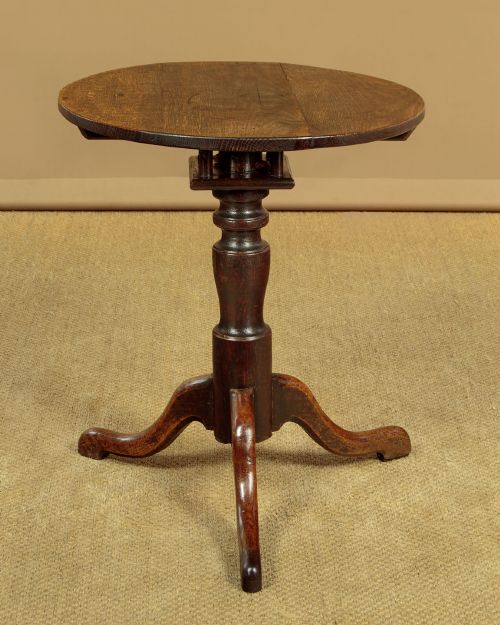
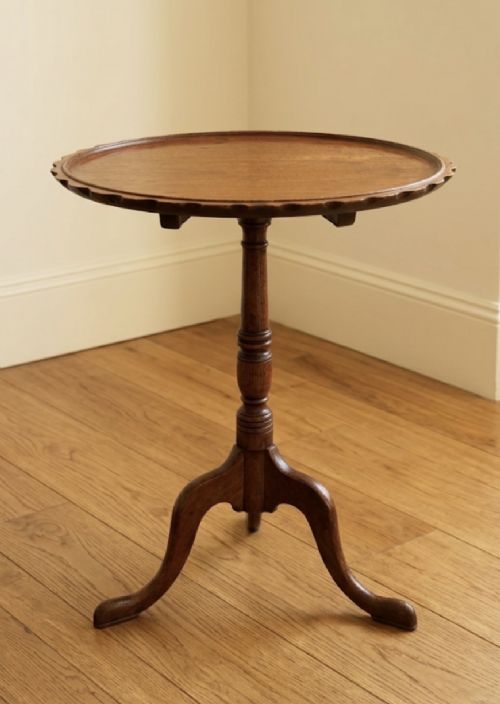
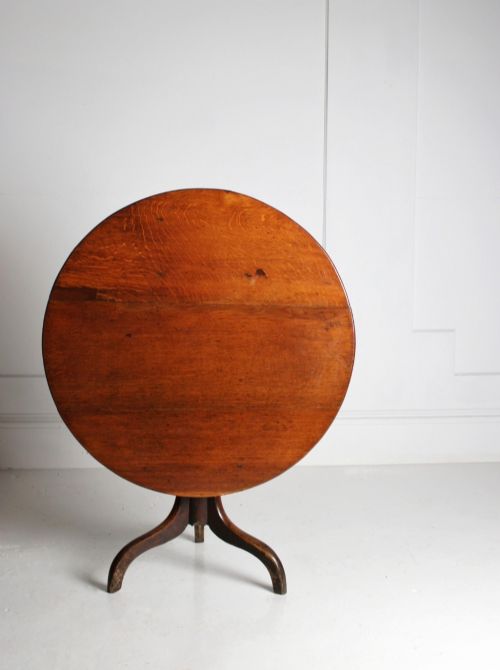


Georgian Oak Circular Table
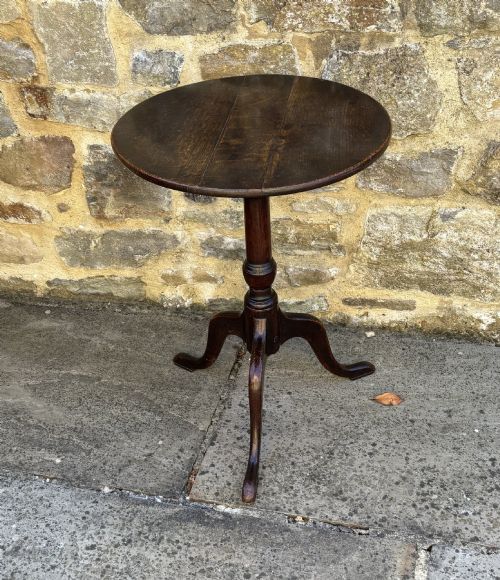
A georgian oak circular table brings sturdy vernacular warmth to a room, offering practical surface space on a pedestal or tripod base.
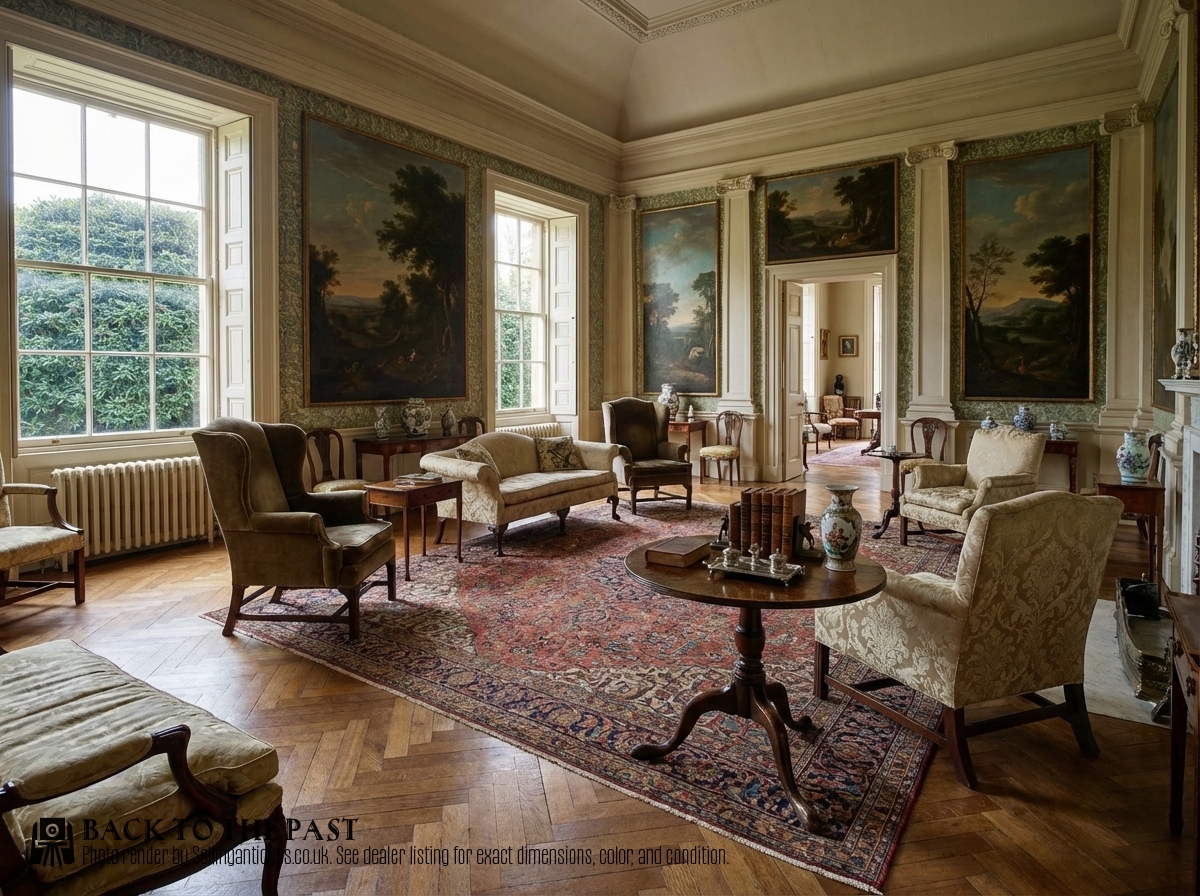
Georgian Oak Circular Table
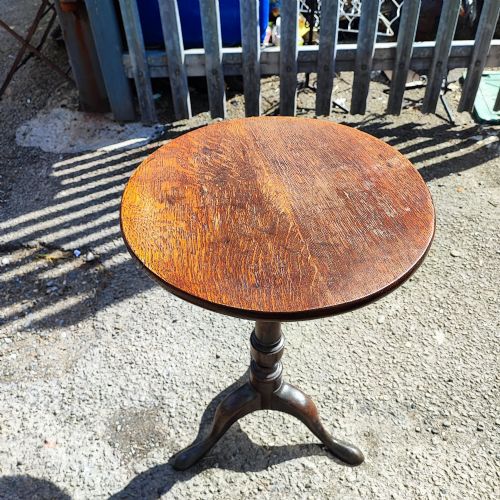
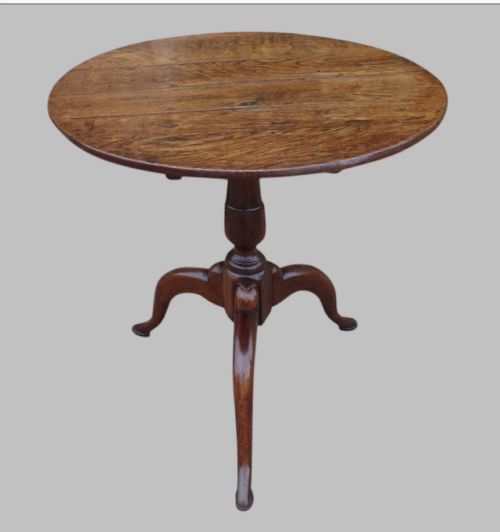
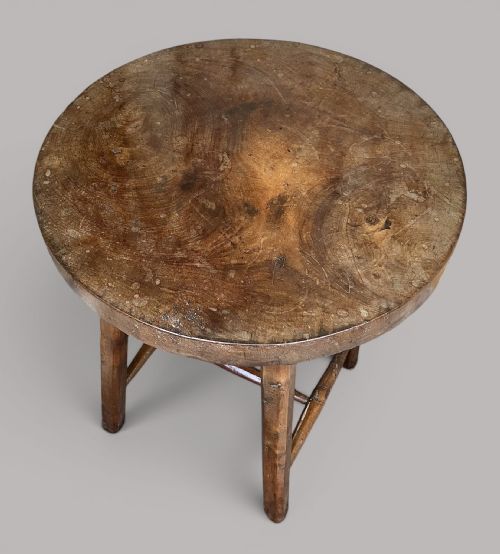
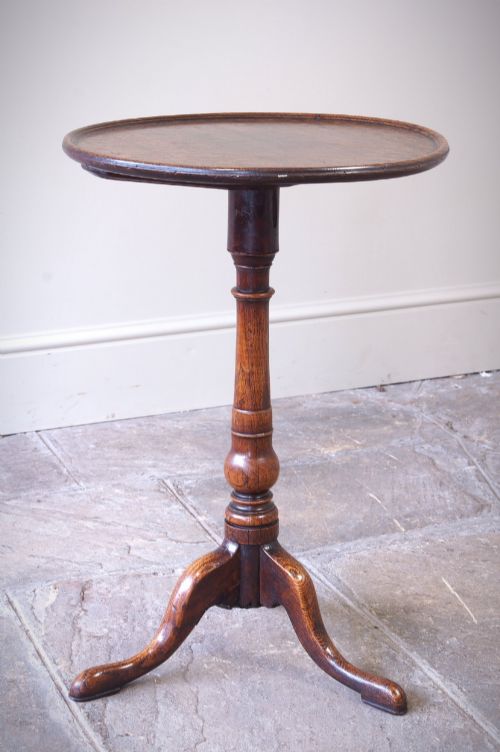
When searching for a georgian oak circular table, a buyer encounters domestic English furniture built primarily during the eighteenth and early nineteenth centuries. These pieces appear most frequently as compact tripod wine tables, tilt-top occasional tables, and cricket tables used for tea or supper.
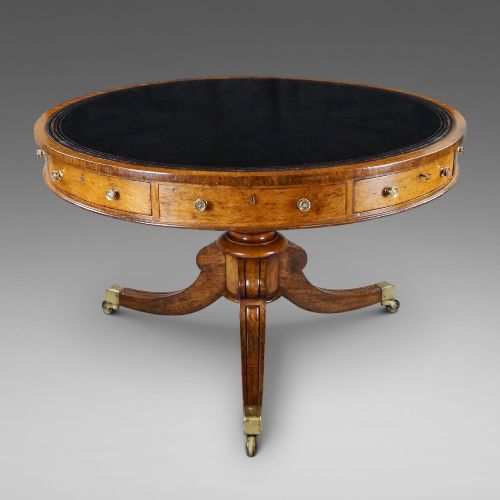
The selections span vernacular country workshops and refined George III designs, alongside later Victorian and Regency interpretations. Most versions rest on three-legged pedestals, though gateleg dining formats and library drum tables also emerge from the records.
How they were made
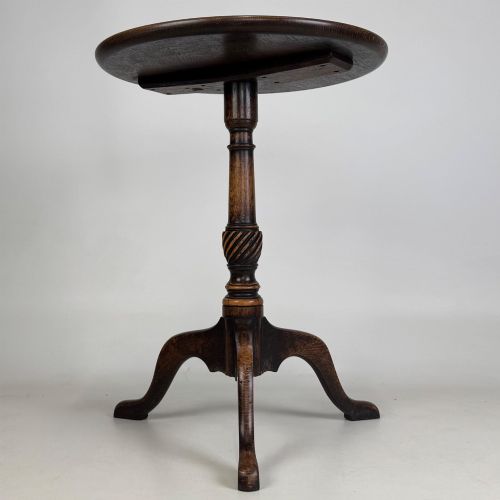
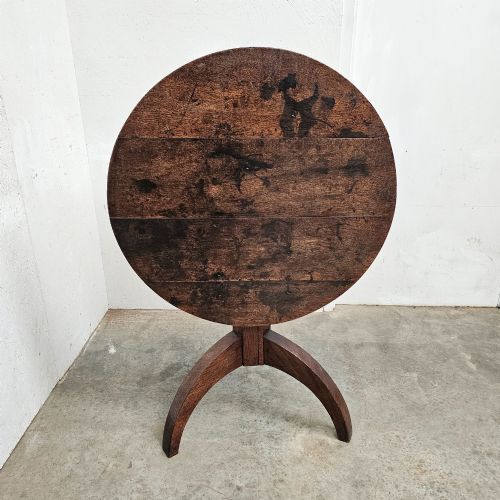
Construction relies heavily on solid oak, frequently paired with fruitwood, burr oak, or mahogany for specific tops and accents. Many examples utilise a tilt-top mechanism with a birdcage support, allowing the circular surface to pivot and fold flat when not in use.
Joinery techniques reflect period country craftsmanship, incorporating pegged joints, turned pedestals, and sturdy tripod legs shaped from single timbers. Surfaces often display patinated finishes developed through decades of domestic use and polishing.
Some tilt-top tables retain traces of candle wax spilled during quiet Georgian evenings centuries ago.
What varies in quality
Quality rests in the harmony of proportion between the circular top and the supporting pillar, alongside the crispness of the turning on the stem. Tables retaining their original tilt mechanisms and uncompromised block supports hold greater integrity than those altered over time.
The depth of timber patination and surface colour distinguish superior examples, particularly where burr oak or well-figured grain is present. Finer proportions separate modest utilitarian work from more ambitious regional cabinet-making.
The Georgian Oak Circular Table Glossary
- Tripod table
- A small freestanding table supported by a pillar on three legs. These versatile pieces were easily moved around a room for serving tea or holding lamps.
- Tilt-top table
- A table with a hinged top that pivots vertically. This allowed the furniture to be stored compactly against a wall when not in daily use.
- Birdcage
- A timber framework beneath the top of a tilt-top table that permits the surface both to rotate and to tip. It represents a more complex mechanism than a direct pivot.
- Cricket table
- A small low table with a circular top and three splayed legs. The design provides stability on uneven flagged floors.
- Patination
- The surface sheen and colour developed by wood over long periods of handling and waxing. It indicates age and careful maintenance.
Georgian Oak Circular Table: Frequently Asked Questions
What is a tilt-top table used for?
These tables served primarily as occasional surfaces for tea, reading, or holding lighting in sitting rooms and parlours.
Because the top pivots vertically, the table could be tucked against a wall to clear floor space when entertaining.
Are these tables suitable for modern rooms?
Their compact dimensions make them ideal as side tables beside armchairs or as lamp stands in constrained spaces.
The warm tones of aged oak blend effectively with both traditional and contemporary interior schemes.
What distinguishes a wine table from a dining table?
Wine tables are built on single pedestals with small circular tops designed to hold a single bottle and glasses.
Larger dining variants utilise gateleg frames or substantial pedestals to support multiple diners.