

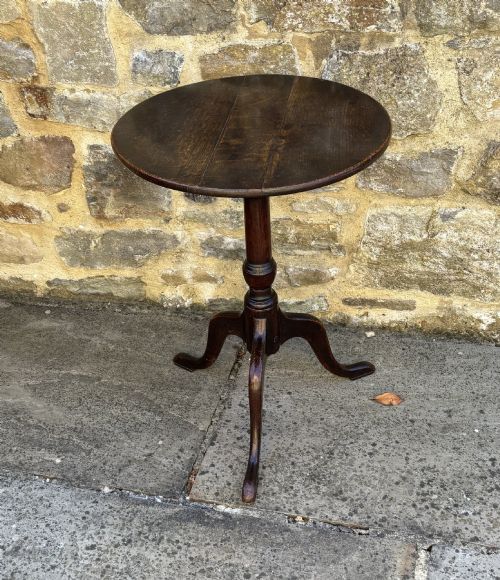
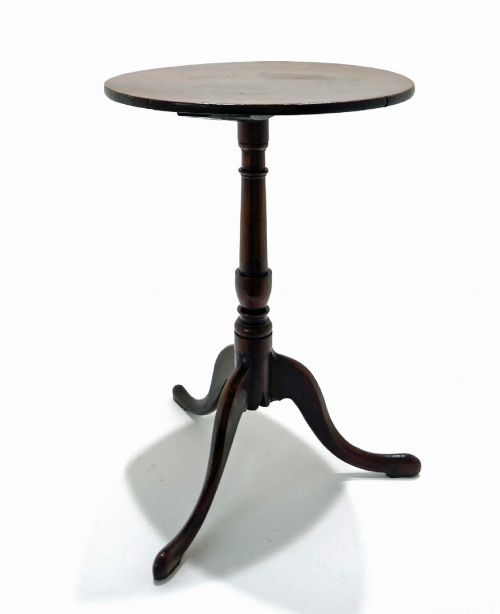
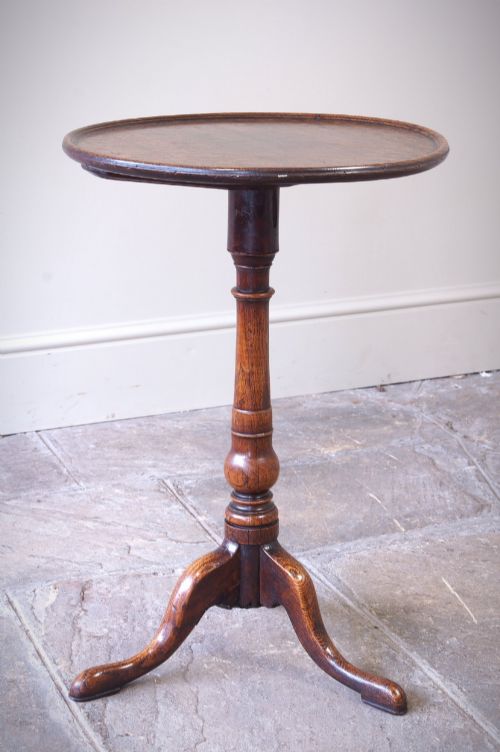
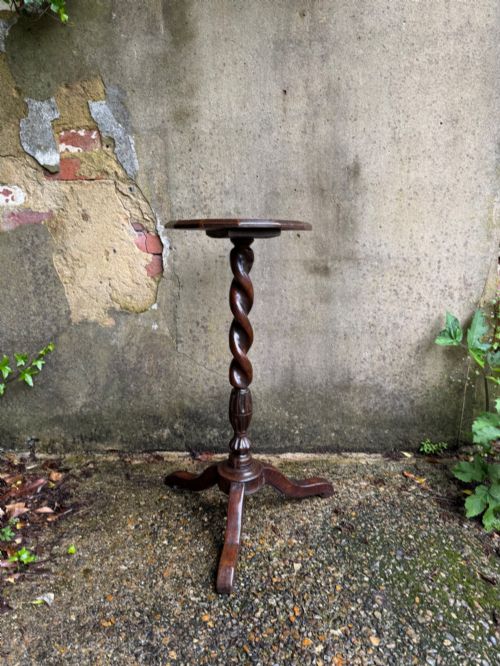
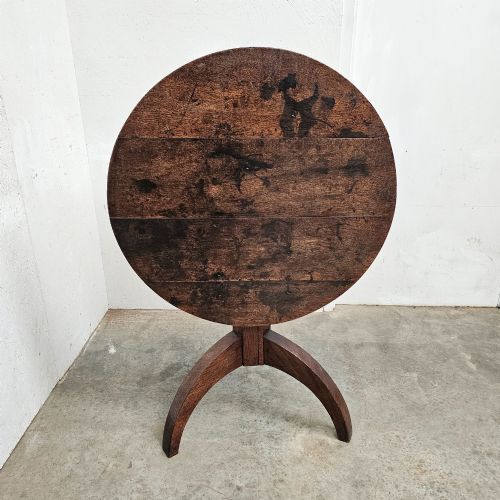
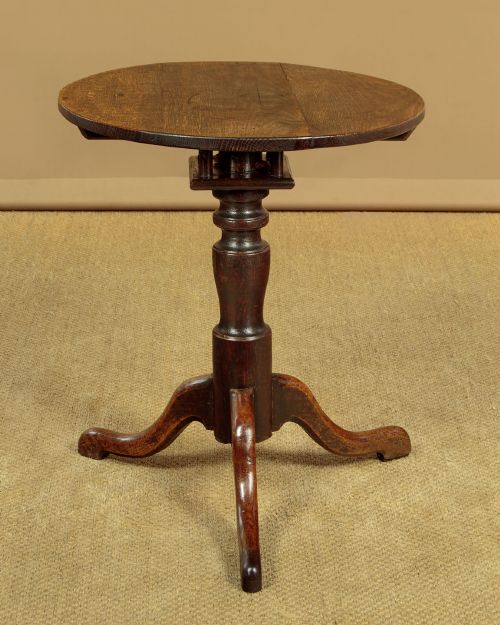
Dark Oak Tripod Stand
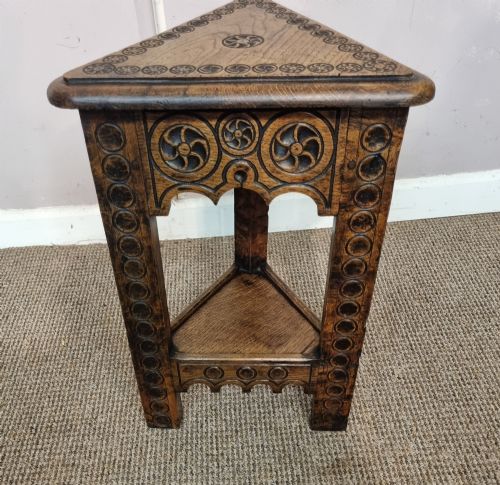
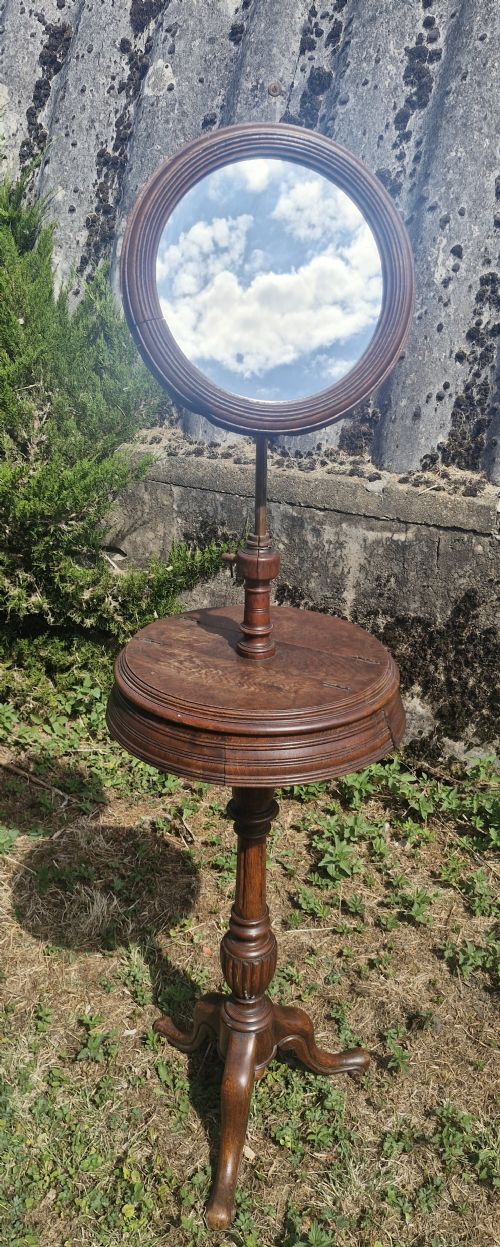
A dark oak tripod stand brings sturdy timber and nimble three-legged proportions into a room, serving as a reliable surface for lamps, drinks or candles.
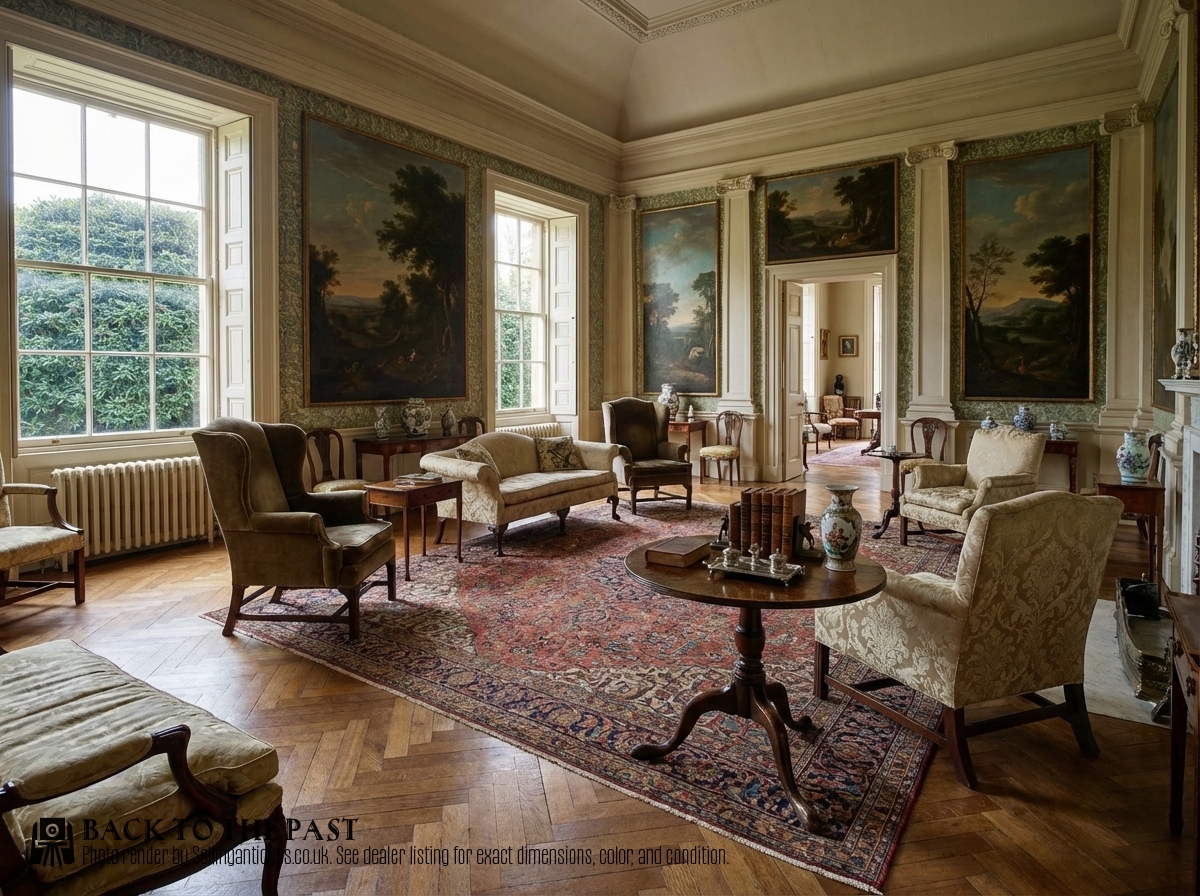
Dark Oak Tripod Stand
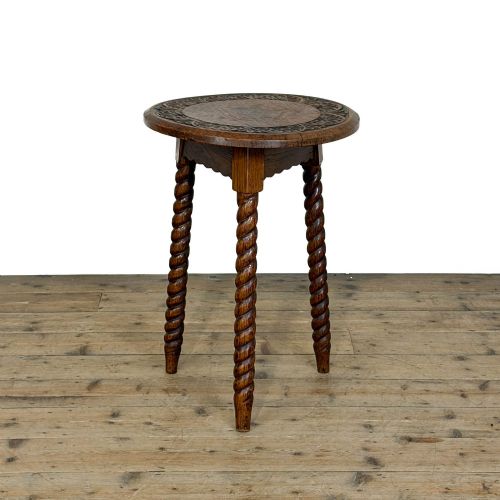
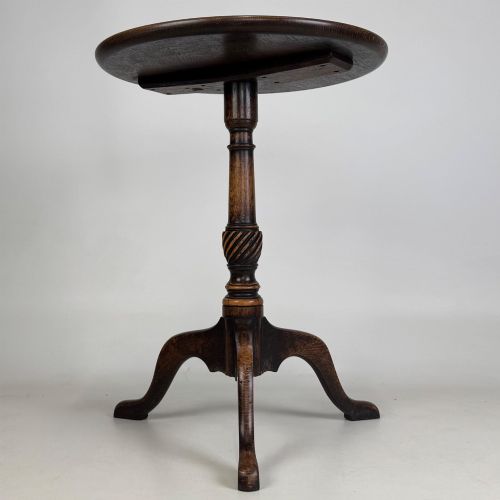
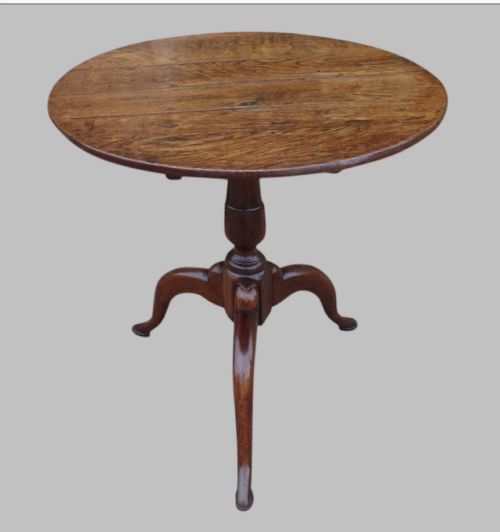
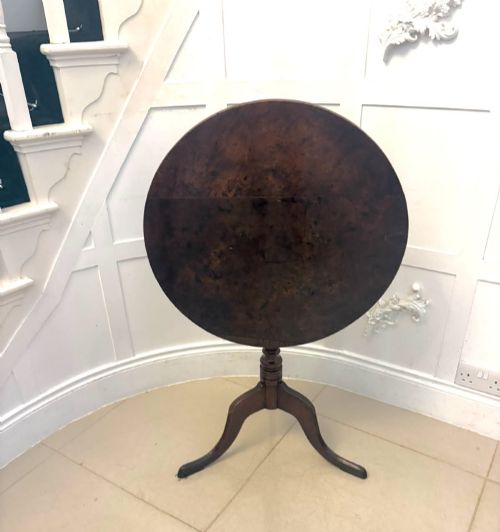
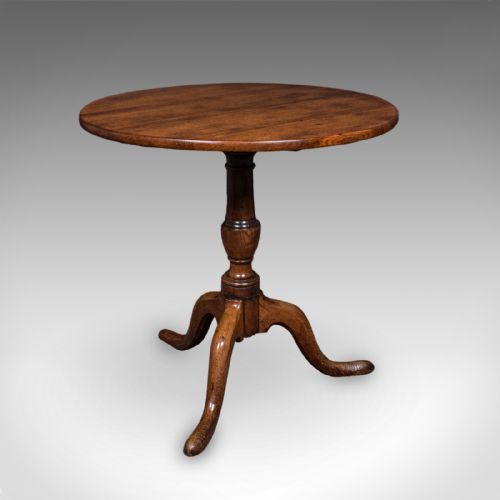
A dark oak tripod stand is a compact table supported by a central pillar and three splayed legs. These pieces range from Georgian candle stands and wine tables to Victorian occasional pieces and Edwardian plant stands.
The version most commonly met on this page is the small occasional or wine table dating from the eighteenth or nineteenth century. Makers built these forms for versatility, allowing them to sit easily beside a chair or in a corner.
Surviving examples display regional variations, from vernacular country workshop items to more refined urban furniture. Their primary function remains holding small household items while adding distinct timber character to an interior.
Materials and construction methods
Construction relies heavily on native hardwoods, with solid oak forming the primary tops, turned columns and legs. Workshops frequently combined oak with secondary timbers such as beech or fruitwood for internal components and turning.
Joinery techniques involve precision turning on a lathe for the slender central pillars and solid dovetail or tenon joints for the framing. Tilt-top mechanisms utilise timber catches and wooden or iron hinges to allow the table top to fold flat when not in use.
Indicators of quality and distinction
Quality rests in the choice of timber figure, particularly where burr oak or quarter-sawn boards reveal intricate grain patterns. Superior examples display slender, well-proportioned columns and hand-turned legs that taper gracefully to pad or snake feet.
The integrity of the tilting mechanism and the stability of the three-legged base determine structural merit. Pieces retaining original surface patination and deep natural colour outrank items with overly stripped or heavily refinished timber.
The Dark Oak Tripod Stand Glossary
- Tilt-top
- A tabletop hinged to the central pillar so it can fold vertically to save space. This mechanism is frequently found on eighteenth-century wine and lamp tables.
- Torchere
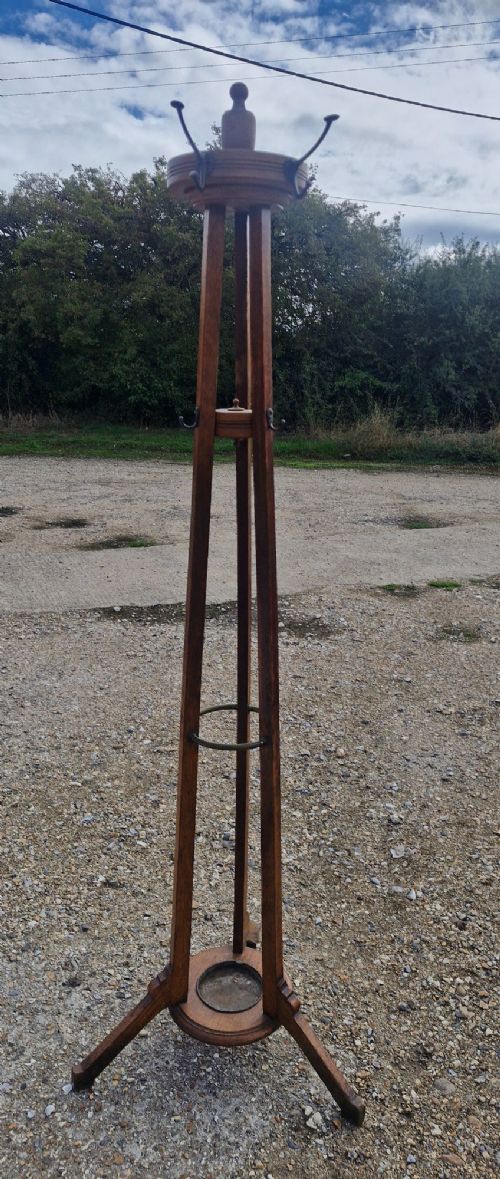
- A tall, slender stand designed to hold a candle or lamp. These pieces often feature carved columns and elevated platforms.
- Tripod base
- A support structure comprising three legs radiating from a central vertical column. This design ensures stability on uneven floors.
- Patina
- The surface sheen and colour developed over decades of handling, polishing and exposure to light. Good patination indicates age and gentle maintenance.
- Cricket table
- A small, three-legged occasional table originating in country houses. They typically feature a round wooden top and sturdy peg-joined legs.
Dark Oak Tripod Stand: Frequently Asked Questions
What was a tripod stand used for originally?
These stands served practical daily roles in domestic interiors, holding lighting devices, reading materials or beverages near seating areas.
Their lightweight construction allowed servants or residents to move them around the room as needed throughout the day.
How do I date an antique oak tripod table?
Dating relies on examining the turning style of the central column, the method of joint construction and the wear patterns on the feet.
Eighteenth-century examples often display simpler hand-turned geometry and pegged joints, whereas later Victorian pieces incorporate heavier carving and machine assistance.
Are tilt-top mechanisms delicate?
The wooden catches and pivot pins on tilt-top tables require gentle handling when raising and lowering the surface.
Over-tightening the mechanism can stress the timber block beneath the top, so routine care involves supporting the weight manually.
How do I care for a dark oak stand?
Maintenance requires keeping the timber away from direct heat sources and rapid humidity shifts that cause wood to split.
Applying a traditional beeswax polish occasionally helps nourish the surface and preserve the natural sheen of the oak.