


Period Oak Tripod Table
A period oak tripod table brings honest country craftsmanship and practical small-scale surfaces into a room without fuss.
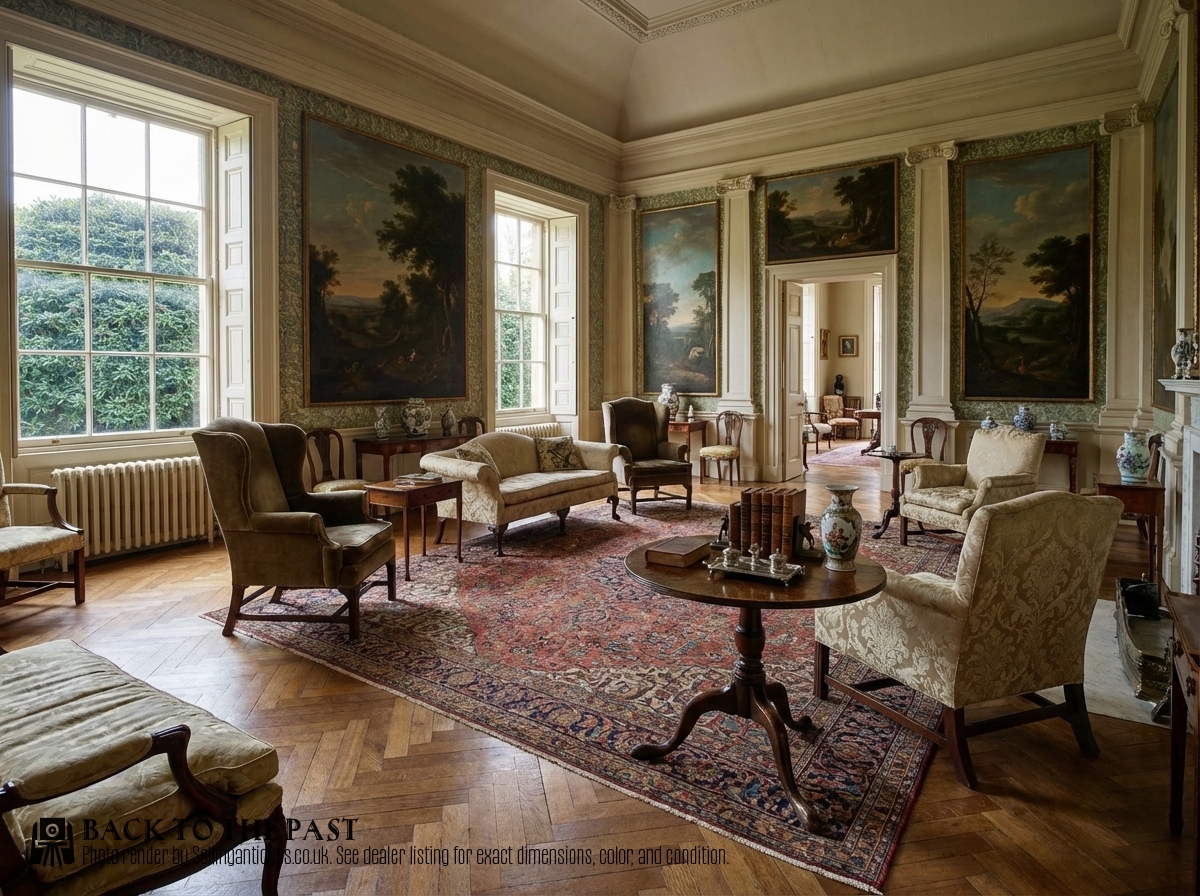
Period Oak Tripod Table
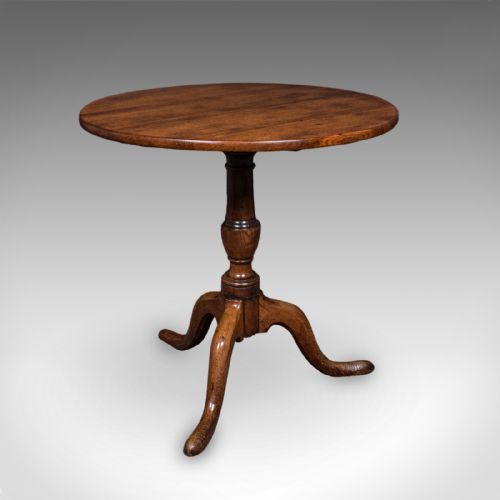
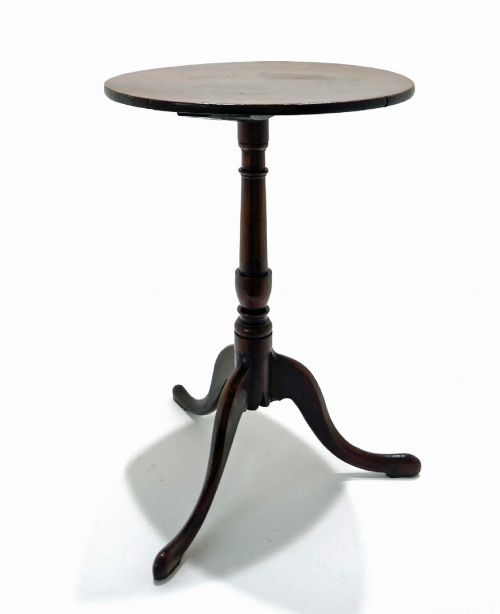
A period oak tripod table sits on three legs supporting a central column, offering a stable surface historically used for drinking tea, reading, or holding small lights. The selection on this page centres heavily on pieces from the eighteenth century, alongside Georgian examples and later revivals from the nineteenth and Edwardian periods.
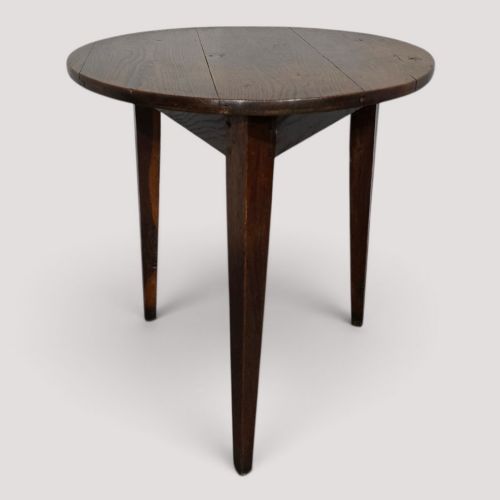
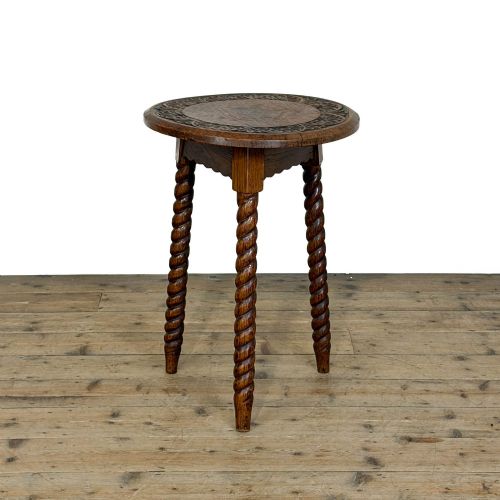
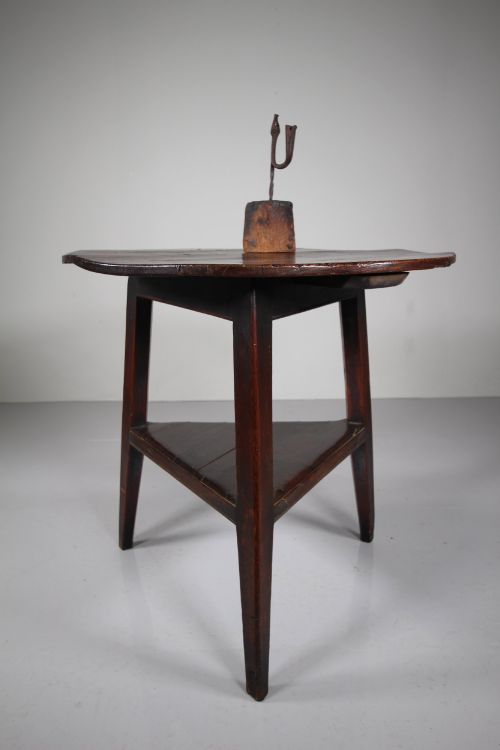
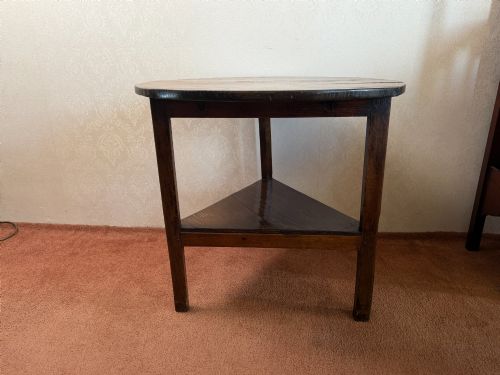
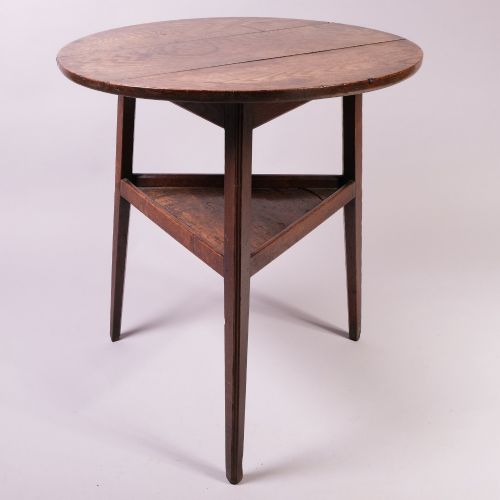
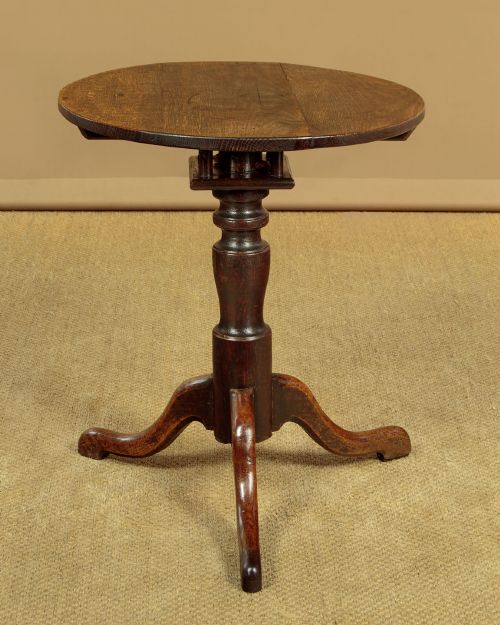
Forms within this search vary from traditional cricket tables with three splayed legs and circular tops to tilt-top occasional tables and slender candle stands. Makers utilised local timbers to supply functional furniture for domestic interiors, resulting in vernacular designs that remain remarkably adaptable for modern rooms.
Materials and construction
Makers constructed these tables primarily from solid oak, often combining it with supporting timbers such as beech, ash, and burr wood for columns or secondary framing. This mix of native hardwoods provided the structural rigidity needed for three-legged pedestals and circular tops.
Joinery relied on traditional turning for the central columns and sturdy pegging for the leg joints, while tilt-top mechanisms utilised simple wooden catches to allow the surface to drop flat when not in use.
Listings span multiple eras, crossing the eighteenth and nineteenth centuries alongside Edwardian revivals.
Judging quality in a tripod table
Quality in these tables rests on the harmony of proportions between the column thickness, leg splay, and top diameter, where slender turnings and well-balanced three-leg arrangements separate superior regional pieces from heavier, less graceful examples. The integrity of the timber surfaces, showing honest patination rather than over-restoration, dictates the visual success of the piece.
The sophistication of the turning on the central shaft and the neatness of the block joints beneath the top indicate the care taken by the original maker, distinguishing vernacular utility items from more refined urban workshops.
The Period Oak Tripod Table Glossary
- Cricket table
- A small three-legged round table typically featuring sturdy pegged construction and a solid timber top. These tables take their name from their characteristic tripod stance.
- Tilt top
- A hinged tabletop mechanism that allows the surface to pivot into a vertical position for compact storage against a wall. This clever design saved valuable floor space in smaller period rooms.
- Candle stand
- A tall, slender occasional table designed specifically to hold a single light source close to a seat or bed. They usually feature diminutive tops and delicate columnar supports.
- Vernacular
- Everyday furniture made by regional craftsmen using local materials rather than following strict high-style metropolitan fashions. These pieces often display charming local eccentricities in construction.
- Occasional table
- A light, movable small table intended to be placed wherever a temporary surface is needed in a room. They form a versatile category of domestic furniture.
Period Oak Tripod Table: Frequently Asked Questions
What is a tripod table used for?
These tables served as versatile movable surfaces for holding candles, tea equipment, or books in domestic rooms.
Today they function as compact side tables next to armchairs or as display surfaces in corners.
How do I tell an 18th century table from a later one?
Early examples show hand-turned columns, pegged joinery, and timber patination developed over centuries of use.
Later nineteenth-century and Edwardian pieces often display machine tooling and more standardised proportions.
What is a cricket table?
A cricket table is a specific form of three-legged round table rooted in vernacular English tradition.
The three legs naturally stabilize the table on uneven flagged or wooden floors.