

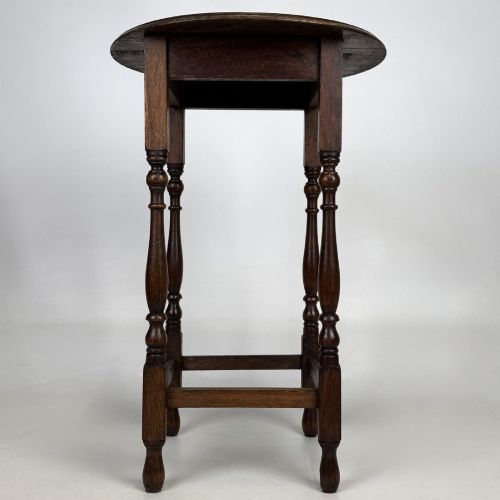
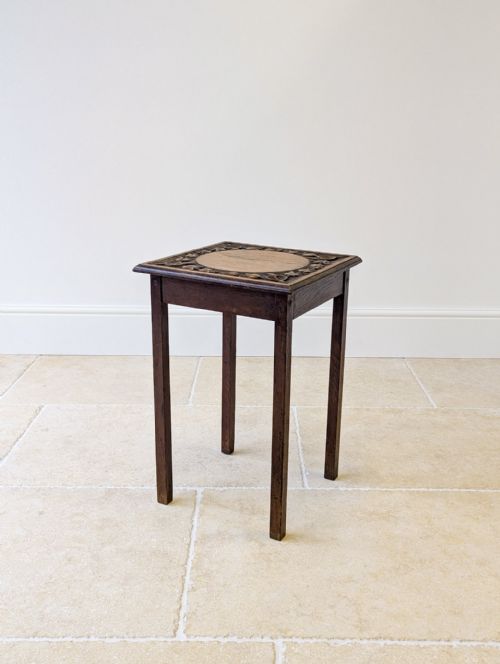
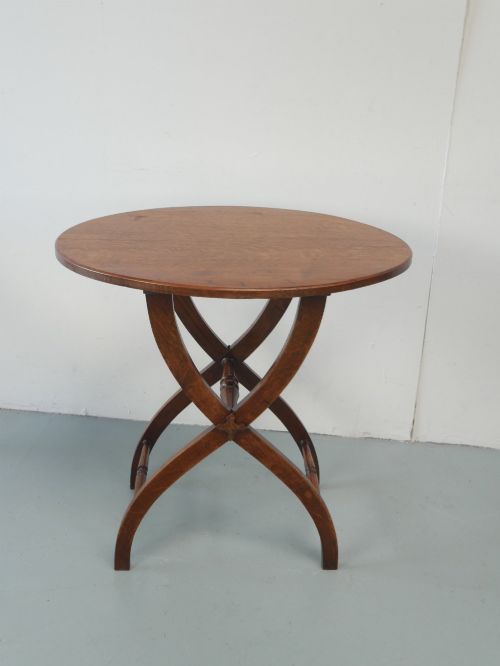
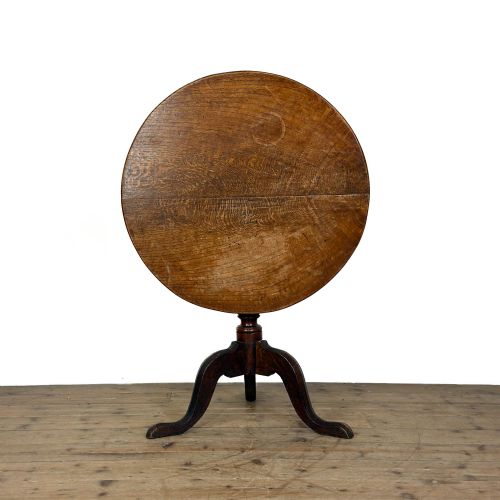
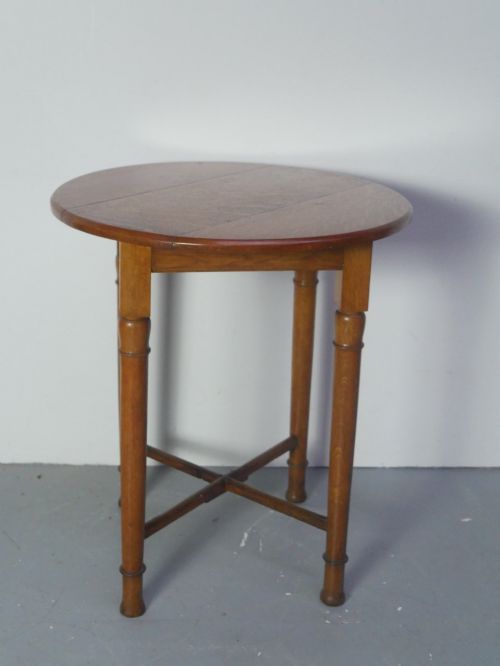


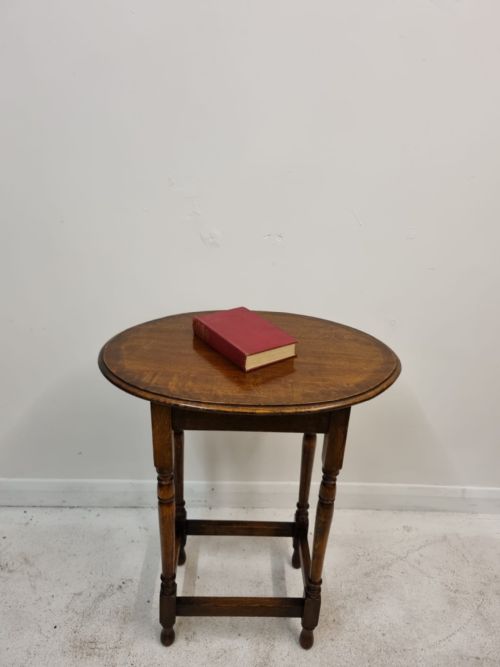


Traditional Oak Wine Stand
A traditional oak wine stand brings sturdy timber and compact British design to a room.
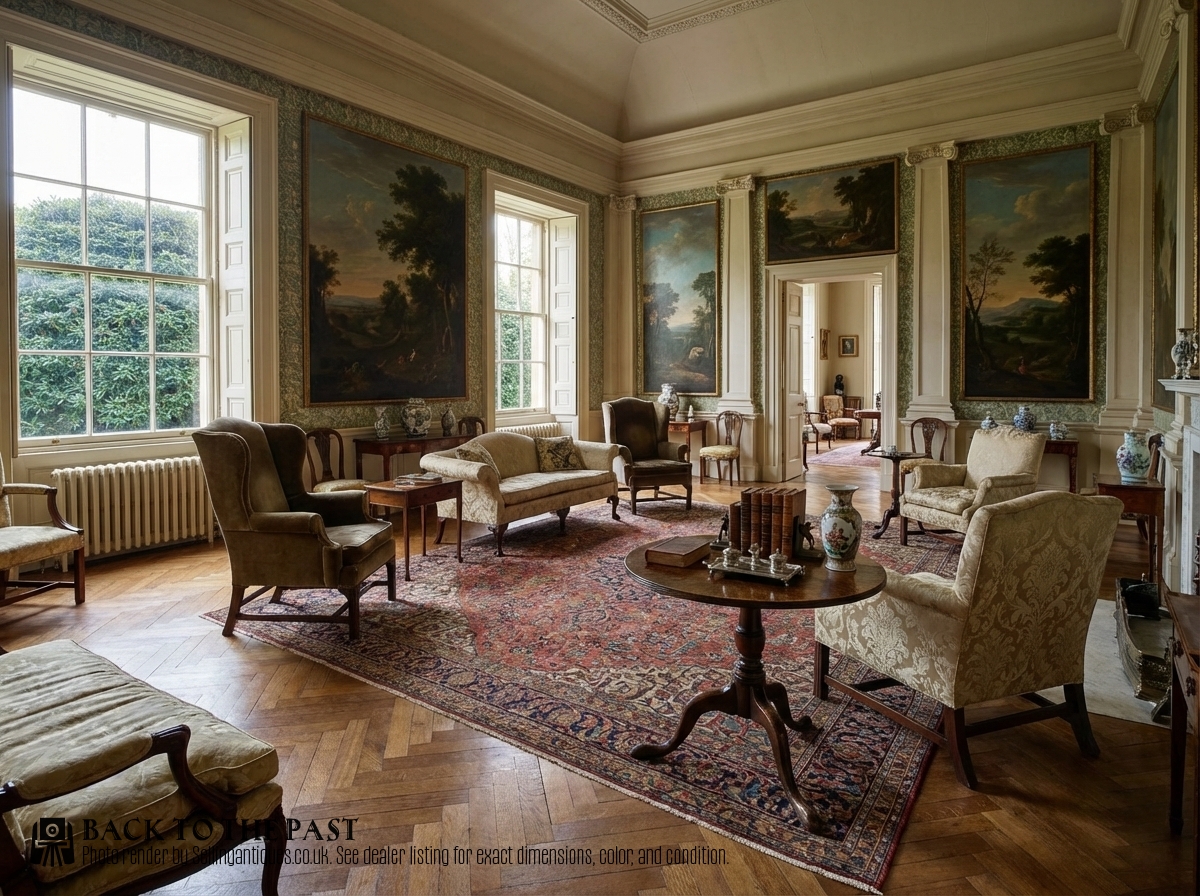
Traditional Oak Wine Stand
When you search for a traditional oak wine stand, you find small timber tables and bottle holders designed to hold drinks and glassware.
The pieces on this page span several eras, including Georgian, Victorian, Edwardian, and the 1920s.
Construction and materials
These items rely on solid oak and general wood construction, shaped into tripod bases and small occasional surfaces.
Makers utilised traditional joinery methods to build stable stands capable of supporting decanters and bottles.
Some Victorian and Edwardian examples incorporate brass or metal hardware alongside baize linings.
Traditional Oak Wine Stand Retail Price Guide 2026
Typical asking prices for traditional oak wine stand among the pieces listed under this phrase on Sellingantiques today, from the lower quarter to the upper quarter. They describe what is for sale here now, not the wider market.
Current listings feature oak pieces spanning from the eighteenth century through to the 1930s, including tripod tables and cocktail cabinets.
Judging quality in oak stands
Quality rests upon the selection of timber and the proportion of the tripod legs relative to the top.
Earlier Georgian examples display finer hand-turned columns and smoother tilt-top mechanisms compared to later revival pieces.
The integrity of the joints and the finish of the oak surface distinguish everyday utility items from finer collector pieces.
Waring & Gillows
The Traditional Oak Wine Stand Glossary
- Tripod table
- A small occasional table supported by a central pillar above three legs. This design provides stability on uneven historic floors.
- Tilt-top
- A tabletop hinged to the pillar so it can pivot vertically when not in use. This mechanism saved space in smaller historic parlours.
- Decanter coaster
- A low tray or stand, often fitted with wheels or a baize base, designed to hold wine bottles on a dining table.
- Treen
- Small handmade wooden household objects. These items showcase domestic woodworking skills from various centuries.
- Jacobean Revival
- A nineteenth or twentieth century style imitating seventeenth century English carving and dark oak finishes.
Traditional Oak Wine Stand: Frequently Asked Questions
What is a traditional oak wine stand used for?
These small tables serve as convenient surfaces for holding glasses, decanters, and bottles during social gatherings.
Historically, compact tripod designs allowed servants to move drinks easily around a drawing room or parlour.
How do I date an oak wine stand?
Dating relies on examining the construction methods, turning styles, and overall proportions of the timber frame.
Georgian and eighteenth century pieces typically feature hand-cut joints and simpler turned pillars, whereas revival pieces from the 1920s show twentieth century machine tooling.
Are tilt-top tables stable?
The tipping mechanism holds the surface firm during normal use when the catch sits correctly in the block.
These tables were designed to stand securely on three legs while holding light refreshments.
Where should I place a wine stand in my home?
Their compact footprint makes them suitable beside armchairs, in corners, or alongside larger sideboards.
They function well as lamp tables or display surfaces for small decorative objects.