




Georgian Night Cupboard
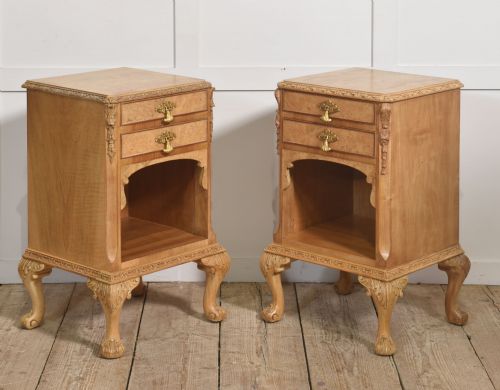
A georgian night cupboard provides discreet bedside storage with compact proportions suited to period and revival bedrooms alike.
Georgian Night Cupboard
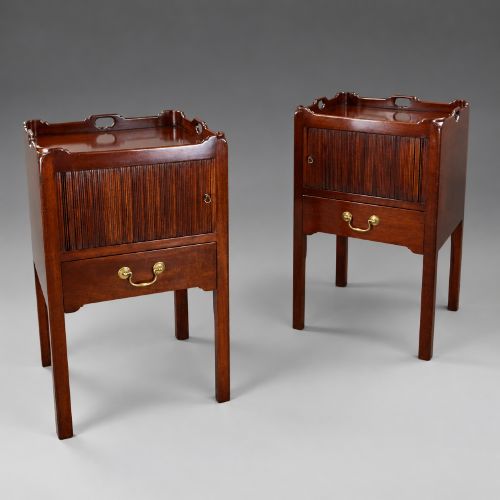
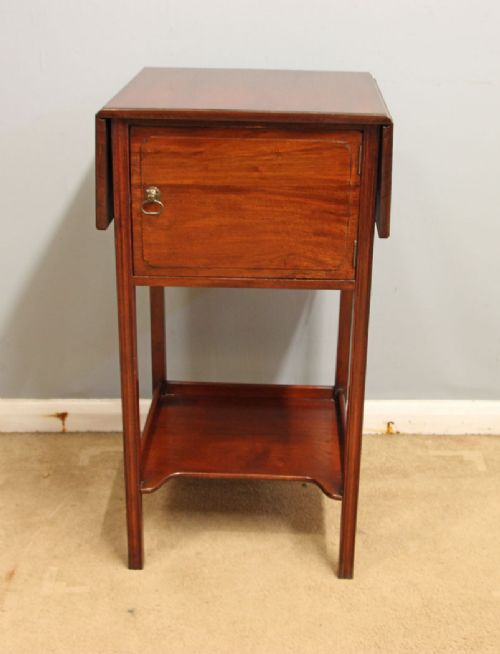
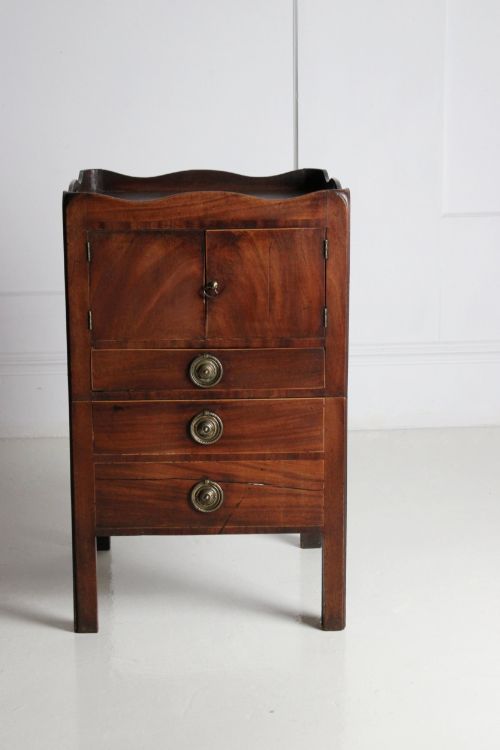
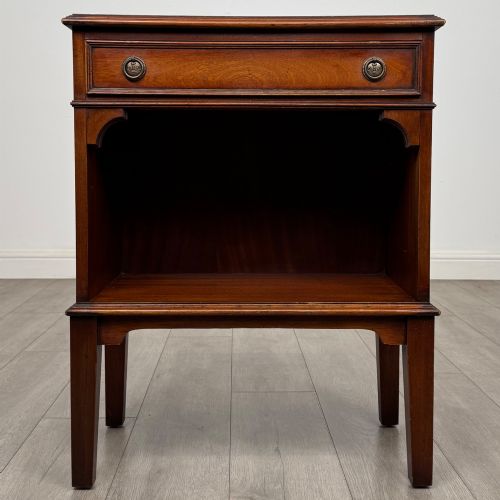
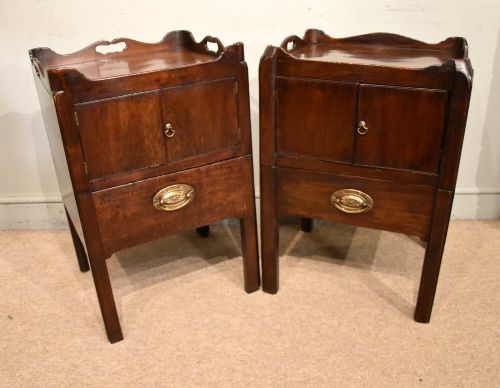
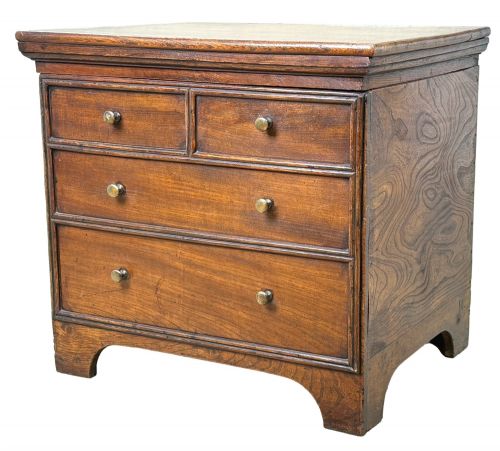
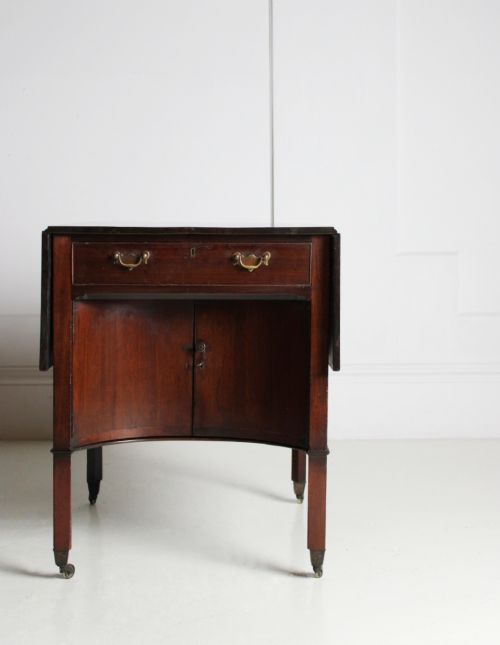
A georgian night cupboard serves as a compact bedroom cabinet designed to hold chamber utensils or personal items beside a bed. These pieces appear in forms such as bedside tables, nightstands, and enclosed commodes.
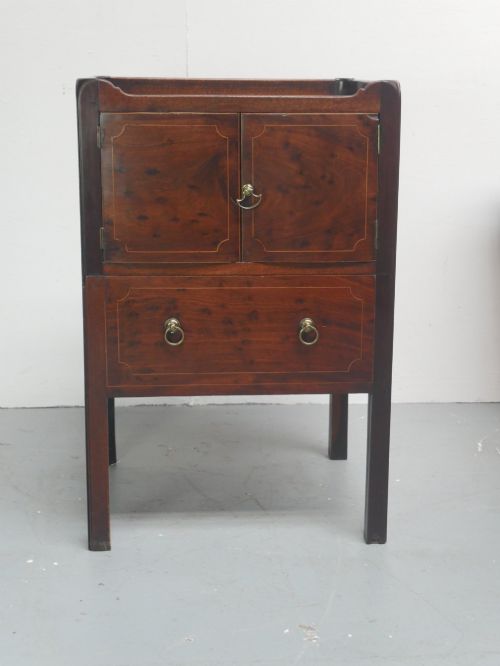
The version you meet most often on this page is constructed from mahogany, dating from the eighteenth century or the subsequent revival periods of the nineteenth and twentieth centuries.
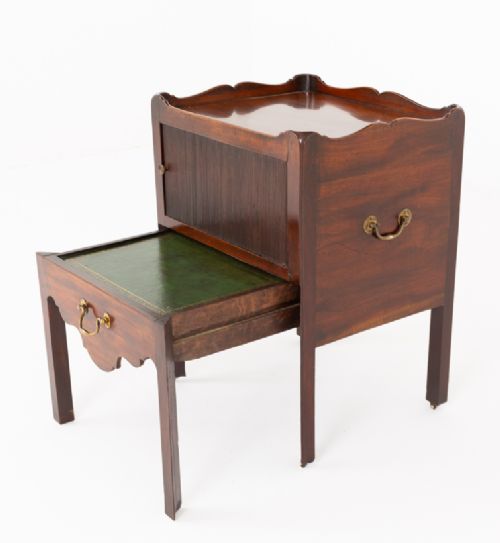
Makers shaped these utilitarian items with hinged tops, enclosed cupboards, or tambour shutters to conceal the interior while maintaining a tidy surface.
How they were made
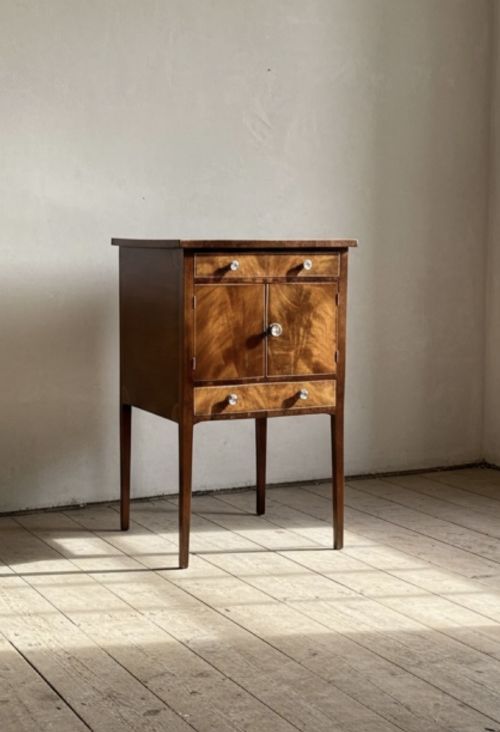
Cabinet makers utilised dense timbers like mahogany, walnut, and elm, often applying flame veneer or satinwood and boxwood inlay to decorative surfaces.
Structural integrity relied on stable carcase construction, sometimes incorporating brass handles and hardware to operate doors and sliding tray tops.
Many of these bedside companions once concealed porcelain pots, proving that early domestic discretion had a very specific wooden disguise.
What varies in quality
The distinction between ordinary examples and finer pieces lies in the selection of timber figures, such as flame mahogany or burr walnut, and the precision of the joinery.
Subtleties in proportion, delicate inlay work, and the original retention of brass fitments separate standard utilitarian pieces from high-style workshop productions.
The Georgian Night Cupboard Glossary
- Commode
- A low cabinet or chest with doors enclosing shelving or space originally intended for a chamber pot. These items often feature shaped tray tops or serpentine fronts.
- Tambour
- A flexible shutter formed of narrow vertical strips of wood glued to canvas, allowing a curved door to slide smoothly around a corner.
- Tray top
- A raised rim around the upper surface of a table or cabinet designed to prevent items from rolling off. This feature is frequently shaped or pierced with hand grips.
- Pot cupboard
- A small bedside enclosure designed to house a chamber utensil out of sight. They commonly feature a door above a lower compartment.
- Revival
- A later design movement that mimics the stylistic characteristics of earlier historical periods such as the Georgian era or the Sheraton aesthetic.
Georgian Night Cupboard: Frequently Asked Questions
What is a georgian night cupboard used for today?
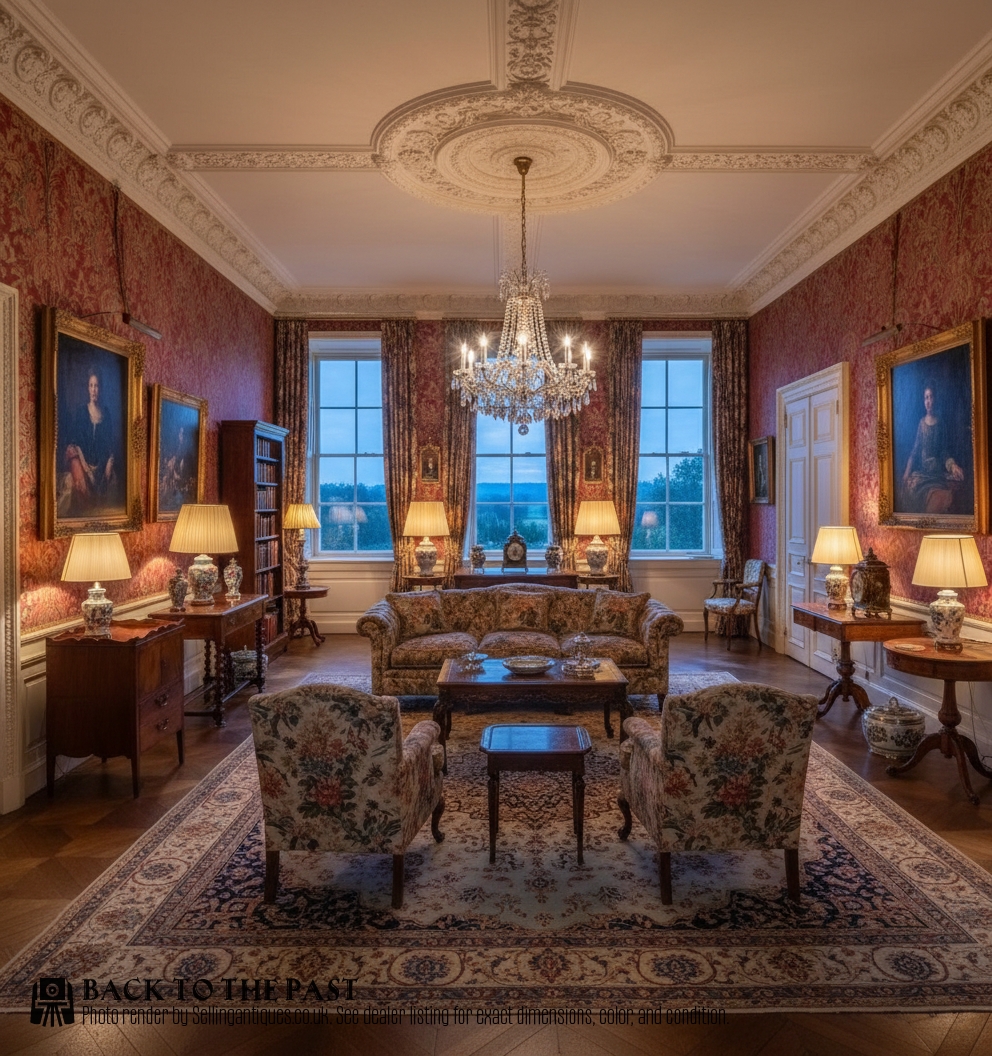
Modern interiors utilise these compact cabinets as bedside tables or lamp tables. Their enclosed storage keeps small items hidden while the top surface holds lighting or books.
The modest footprint makes them practical for smaller bedrooms where floor space is limited, adding period character without bulk.
How do I tell an original eighteenth century piece from a revival piece?
Examination of timber ageing, internal secondary woods, and hand-cut joinery helps distinguish eighteenth-century work from later nineteenth or twentieth-century revivals. Tool marks and construction methods reveal the period of manufacture.
Revival pieces often display cleaner, more standardised machine preparation and different interior lining timbers compared to Georgian workshops.
Did these cupboards always have doors?
Not all examples feature hinged wooden doors. Some designs incorporate open shelving beneath a tray top, while others use sliding tambour shutters or pull-out drawers.
Variations depended on the specific function required by the original owner and the prevailing fashion of the cabinet maker's workshop.
How do I care for mahogany and walnut surfaces?
Routine maintenance involves dusting with a soft, dry cloth and avoiding excessive moisture or direct sunlight. Periodic application of traditional wax preserves the finish and nourishes the antique timber.
Keeping the furniture away from direct heat sources prevents the wood from drying out and guards against veneer lifting.