





Georgian Moulded Glass
Georgian moulded glass brings tactile depth to drinking vessels and tablewares through patterned patterns shaped inside half-moulds before blowing.
Georgian Moulded Glass
When you examine georgian moulded glass, you encounter functional tablewares shaped by pressing molten metal into small multi-part metal or wooden moulds to create raised exterior patterns before expansion on the blowpipe.
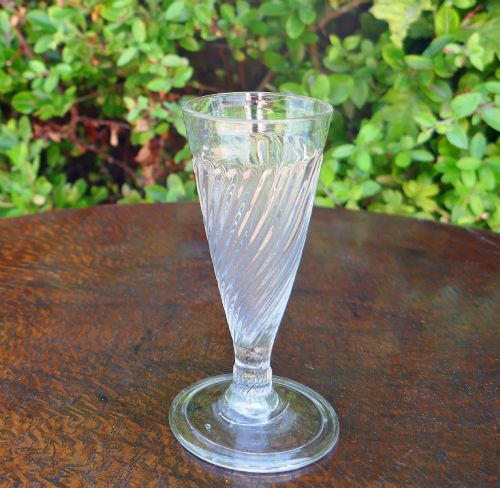
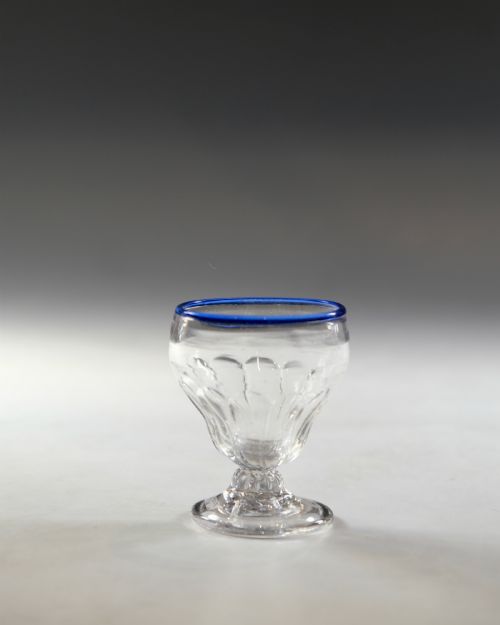
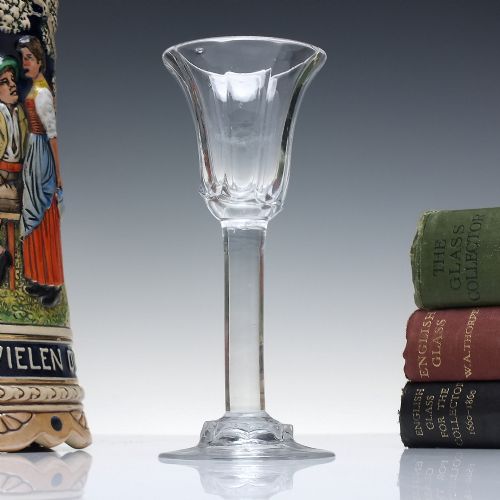
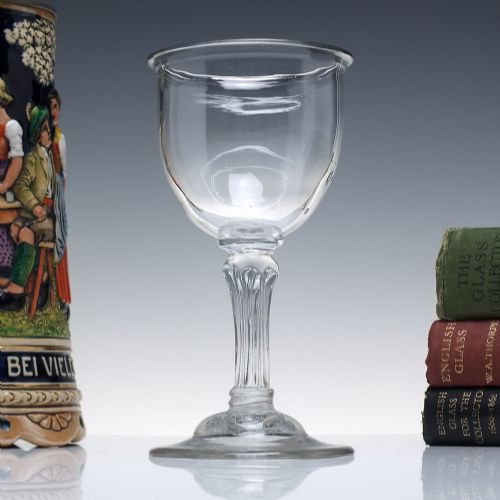
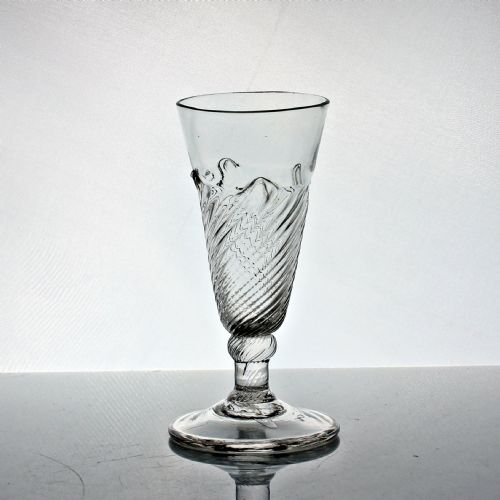
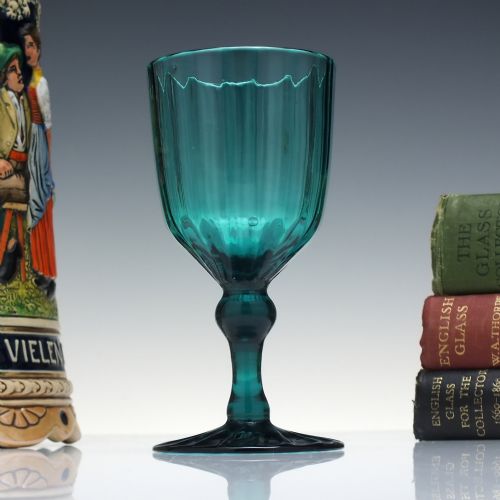
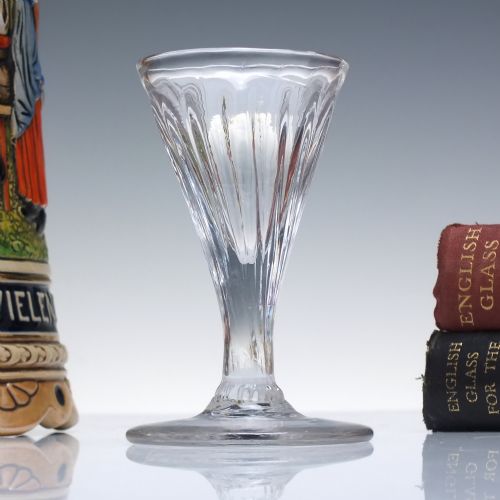
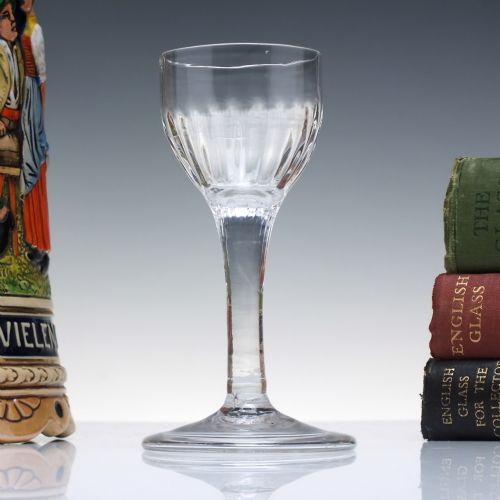
The selection here centres heavily upon eighteenth-century drinking vessels, including rib-moulded dram glasses, wrythen-patterned ale glasses, and petal-moulded rummers, alongside sweetmeat glasses and small jelly containers.
Beyond vessels, the category extends to table accessories such as honeycombed patch stands, bonnet glasses, and cream jugs, frequently displaying the tactile ribs or honeycombs characteristic of early lead glass production.
How they were made
Craftsmen gathered molten lead glass onto the end of a blowpipe and lowered the glowing gather into a patterned dip-mould or full-size metal mould to impress ribs, flutes, or honeycomb facets onto the exterior surface.
The partially shaped gather was then withdrawn from the mould and inflated further to expand the pattern, after which workers applied separate components like folded feet, pedestal stems, or applied handles to complete the vessel form.
Tiny patch stands waited on dressing tables, holding small black silk beauty spots designed to highlight a Georgian complexion.
What varies in quality
Distinctions in quality rest upon the crispness of the moulded relief against the body and the relative clarity or weight of the lead glass metal itself.
Pieces possessing deep, sharply defined flutes or honeycombs demonstrate superior execution during the initial pressing stage, whereas softer, blurred patterns indicate worn moulds or excessive subsequent expansion.
The Georgian Moulded Glass Glossary
- Rib-moulded
- A technique producing raised vertical or diagonal ridges around the bowl or body of a vessel by pressing the glass into a fluted dip-mould.
- Wrythen
- A spiral twist imparted to surface ribs or mould-blown patterns by twisting the glass gather while expanding it on the blowpipe.
- Honeycomb
- A repeating hexagonal cell pattern impressed into the glass surface during moulding, often seen on sweetmeat glasses and patch stands.
- Folded foot
- A rim turned underneath at the base of a glass to create a smooth, thickened edge that adds stability and weight to early drinking vessels.
- Sweetmeat glass
- A stemmed vessel with a shallow bowl designed for serving confectioneries, nuts, or preserved fruits at the conclusion of a formal meal.
Georgian Moulded Glass: Frequently Asked Questions
How do I identify rib moulding?
Rib moulding appears as raised parallel lines running vertically or diagonally along the exterior surface of the glass vessel. These tactile ridges were formed when the molten gather was pressed into a patterned dip-mould before being inflated.
On authentic pieces, the interior often retains a corresponding smooth counter-impression while the outside shows clear relief. This technique provides both a secure grip and decorative texture to eighteenth-century drinking glasses and jugs.
What is a bonnet glass?
A bonnet glass is a small, flared vessel featuring moulded decoration, utilised historically for serving individual portions of sweetmeats or custards. Their distinctive shapes often incorporate ribbing, fluting, or hexagonal panels.
Collectors prize these small forms for their survival rate and the variety of pressed patterns applied to their bodies. They sit comfortably among table displays alongside contemporary dram and wine glasses.
Are these glasses made of lead glass?
Many eighteenth-century tablewares incorporate lead oxide into the batch, producing a heavy, resonant metal with high refractive qualities. This heavier composition allowed makers to achieve sharp definition when pressing glass into intricate moulds.
Lead glass responds well to light and develops a soft polish over centuries of handling. Testing involves observing the ring of the metal and checking for the characteristic density associated with the period.
How should I clean antique glass?
Cleaning requires warm water and mild detergent applied gently by hand, avoiding harsh abrasives or submerged soaking in hot water. Sudden temperature changes can stress old metal and damage delicate applied elements like folded feet.
Dry the surface immediately with a soft lint-free cloth to preserve the natural lustre of the lead glass. Proper maintenance protects the delicate moulded relief from unnecessary wear over time.