




Georgian Metal Tea Urn
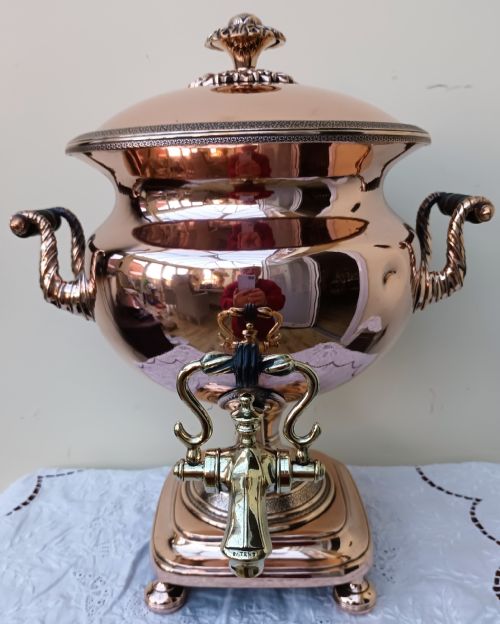
A georgian metal tea urn is a masterclass in domestic engineering and design, built to anchor the table during formal gatherings.
Georgian Metal Tea Urn
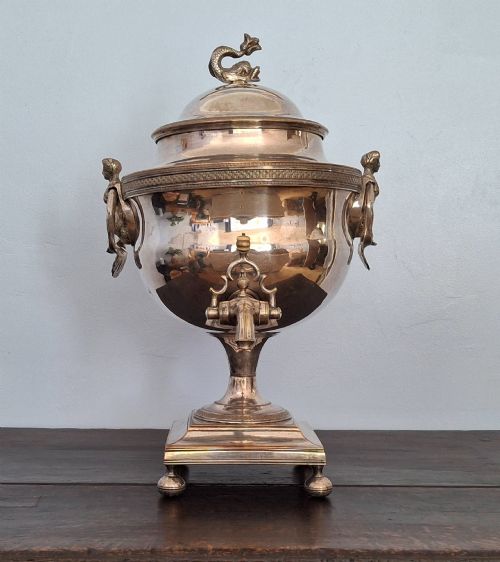
When you search for a georgian metal tea urn, you are looking at large vessels designed for heating and dispensing water for tea or coffee in period homes. These pieces combine utility with formal elegance, serving as the social centrepiece of the table during the eighteenth and nineteenth centuries.
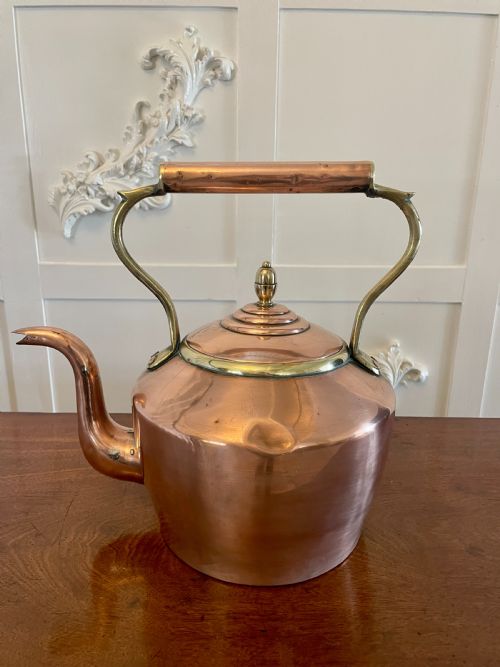
The versions you are most likely to meet on this page span the Georgian, Regency, and mid-eighteenth-century periods, often manifesting as samovars or kettles. They originate from English and Dutch workshops, reflecting diverse regional interpretations of utilitarian metalwork.
Forms range from hanging water urns to table-standing coffee urns and samovars equipped with original taps. The inventory includes variants that incorporate bronze, brass, bell metal, and silver plating alongside the primary body materials.
Materials and construction
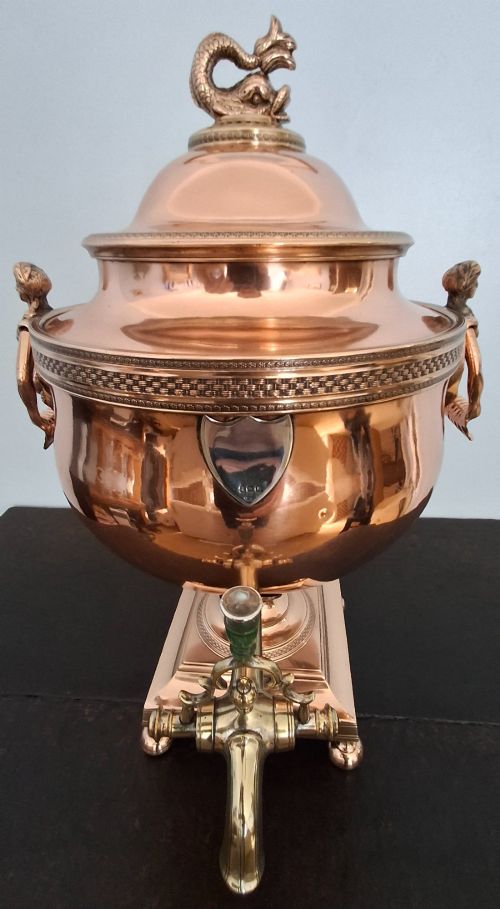
Makers constructed these vessels primarily from copper, often pairing it with contrasting metals such as brass, bronze, and bell metal for handles, spouts, and feet. Copper provided the necessary thermal conductivity for heating water efficiently over charcoal or heated metal cylinders.
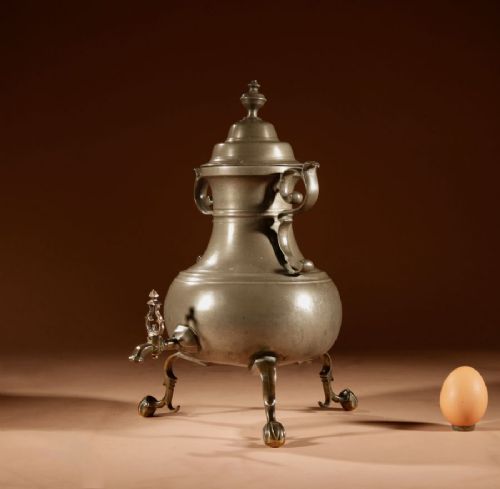
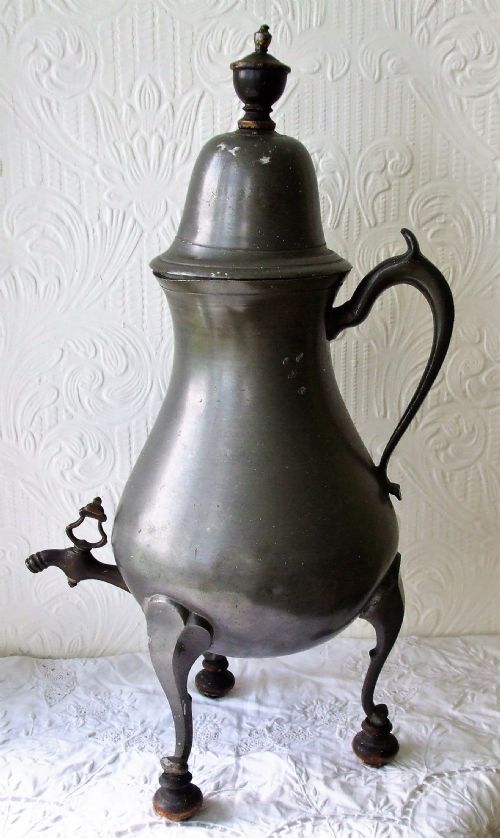
Craftsmen also utilised pewter for specific regional forms, particularly in Dutch pieces, while other examples feature a silver plate over the base metal to mimic solid silver service ware. Surviving pieces frequently retain their original fittings, including internal heating tubes and functional brass stopcocks.
Surface treatments vary from polished finishes to bronzed copper applications, showcasing the versatility of metalworking techniques during the Georgian and Regency eras.
Georgian Metal Tea Urn Retail Price Guide 2026
Typical asking prices for georgian metal tea urn among the pieces listed under this phrase on Sellingantiques today, from the lower quarter to the upper quarter. They describe what is for sale here now, not the wider market.
Some vessels double as portable indoor hot water fountains, ensuring tea remained hot while guests debated politics.
Distinctions in quality
Quality in these vessels rests upon the integrity of the original fittings and the skill required to shape heavy-gauge metal into complex neoclassical silhouettes. Urns that retain their internal heaters, original spigots, and matching lids command greater interest from collectors.
The refinement of the surface decoration and the successful integration of mixed metals, such as bronze accents upon a copper body, separate standard utilitarian containers from exceptional examples. Proportion and casting precision in handles and pedestals define the upper tier of surviving pieces.
The Georgian Metal Tea Urn Glossary
- Samovar
- A heated metal urn used to boil and dispense water, traditionally associated with tea service. These vessels often feature an internal vertical tube for hot charcoal.
- Kraantjeskan
- A traditional Dutch metal liquid container featuring a tap, frequently utilised as a coffee or tea urn. These pieces often date to the mid-eighteenth century and incorporate pewter and bronze elements.
- Bell metal
- An alloy of copper and tin traditionally used for bells, utilised here for durable and resonant vessel components. It provides a distinct tonal quality and robust durability.
- Silver plate
- A thin layer of silver applied to a base metal such as copper, offering the appearance of solid silver at a different scale of production. This technique appeared on formal Georgian tea urns.
- Regency
- The period of British history spanning from 1811 to 1820, though the style extends from the late eighteenth century. Pieces from this era often display distinct neoclassical influences and clean geometric lines.
Georgian Metal Tea Urn: Frequently Asked Questions
What is a samovar?
A samovar is a heated metal vessel used to boil water for tea, functioning through an internal cylindrical tube that held hot coals or a heating block.
These pieces served as central fixtures in formal entertaining spaces during the Georgian and Regency periods.
How were these urns heated?
Many examples utilised an internal heating tube or heater inserted directly into the water chamber to maintain temperature throughout a service.
Others relied on the heavy copper or bronze body to retain heat from pre-boiled water added to the reservoir.
Where were these vessels made?
The listings show production originating primarily from English and Dutch workshops during the eighteenth and nineteenth centuries.
Stylistic influences reflect Georgian neoclassical design alongside distinct regional European forms like the Dutch kraantjeskan.
Are original fittings important?
Retaining original taps, handles, and internal components significantly contributes to the integrity of a period tea urn.
Original hardware indicates that the vessel maintains its historical assembly rather than relying on later replacements.