

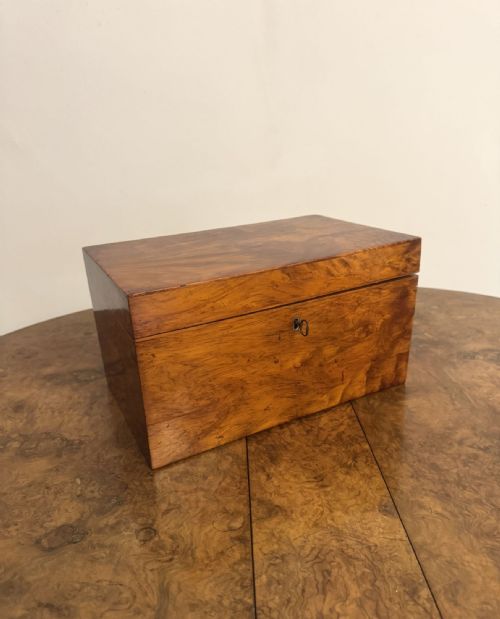

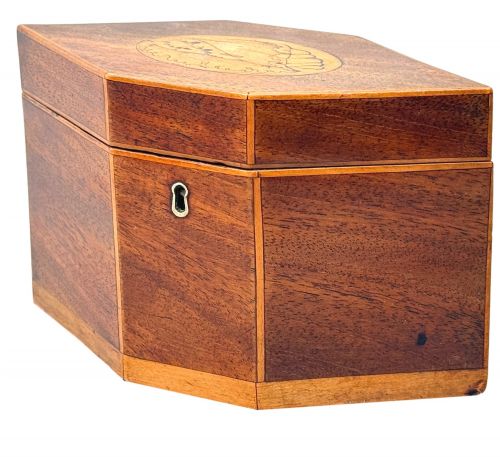
Georgian Mahogany Tea Box
A georgian mahogany tea box stores the valuable leaves of the past, offering sturdy timber construction and refined proportions.
Georgian Mahogany Tea Box
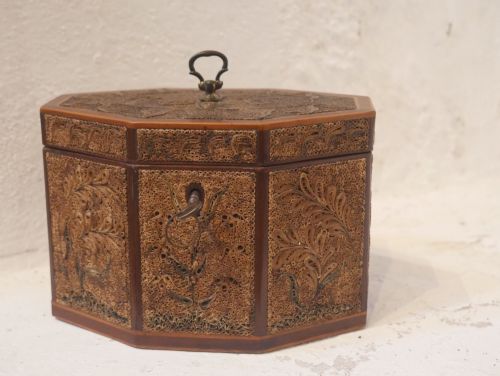
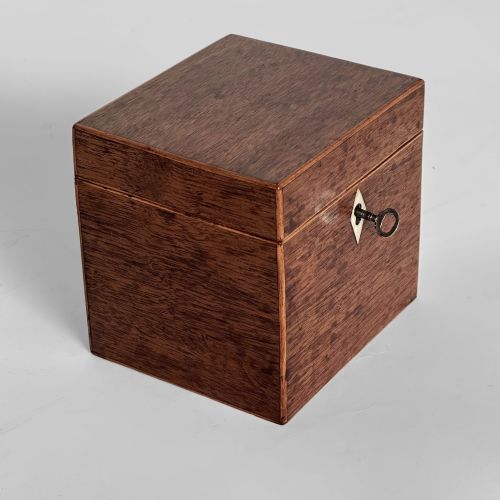
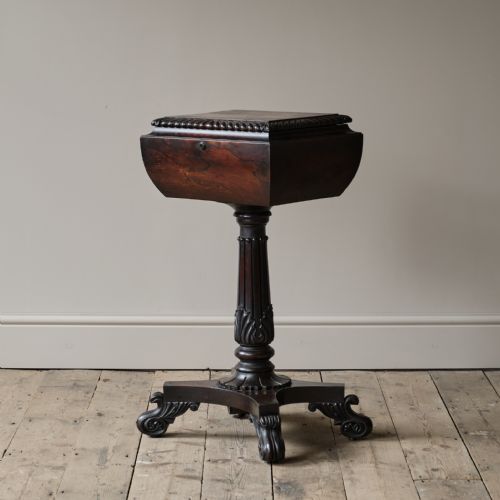
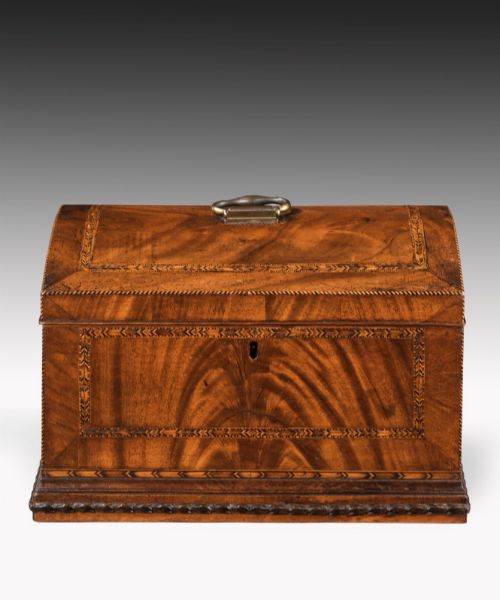
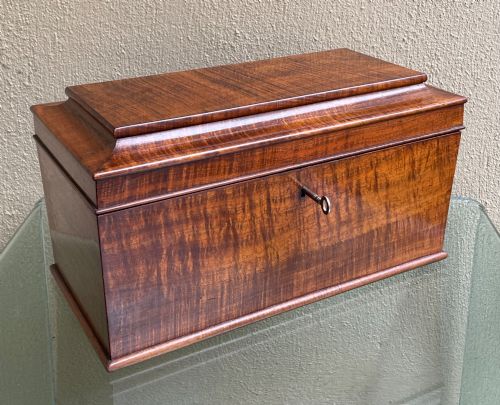
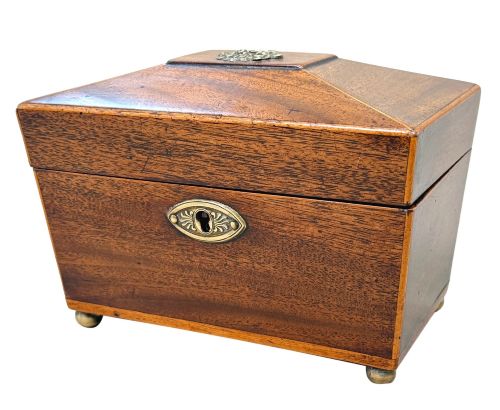
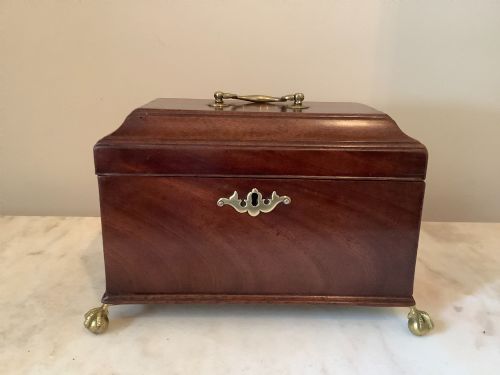
A georgian mahogany tea box encompasses compact lidded containers and compartmentalised caddies designed to secure precious dry leaves in domestic spaces. The pieces appearing here span the eighteenth and nineteenth centuries, taking rectangular, hexagonal, oval, domed, and sarcophagus forms.
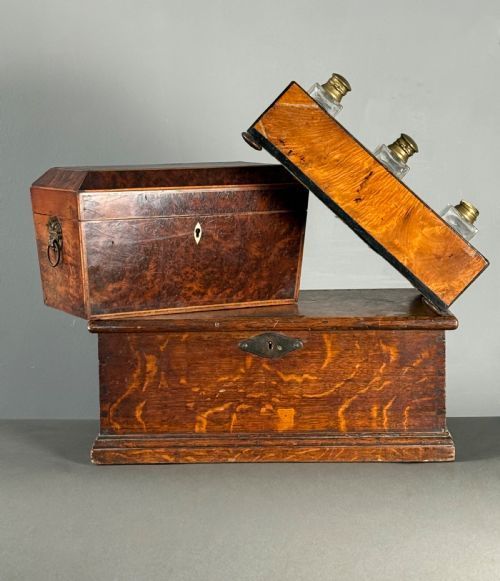
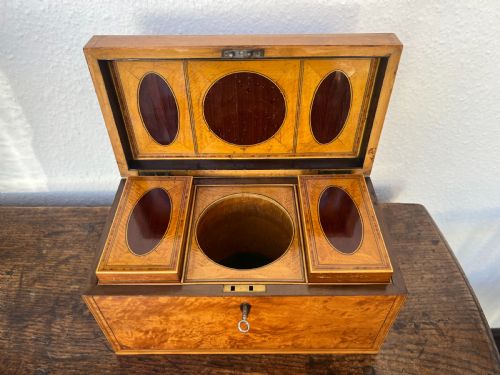
Makers shaped these containers during the Georgian and Regency periods, utilising figured timbers alongside specialised interior fittings. Buyers frequently encounter examples featuring internal lidded canisters and mixing bowls made from cut glass.
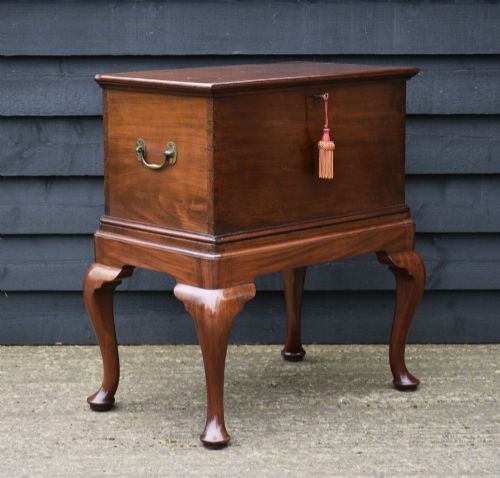
The selection extends from simple tabletop boxes to elaborate miniature sideboards and teapoys raised on stands. Several variants incorporate secret drawers or inlaid borders executed in contrasting woods.
Materials and Technique
Cabinetmakers constructed these boxes primarily from solid and veneered mahogany, often selecting flame or figured varieties for decorative surfaces. They integrated contrasting elements such as boxwood, ebony, and satinwood stringing to define edges and panels.
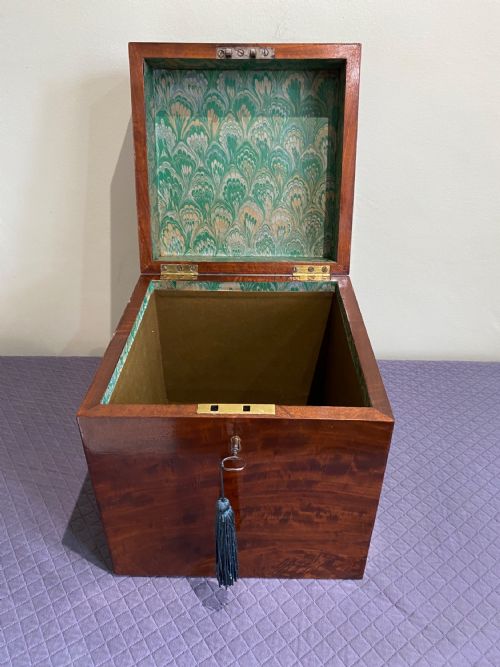
Internal compartments frequently rely on bone, mother of pearl, and specialised wooden dividers to separate different tea varieties. Brass hardware, including escutcheons, hinges, and carrying handles, secures the lids and reinforces the corners.
Current listings demonstrate varied forms including sarcophagus boxes, miniature sideboards, and inlaid tea caddies spanning the Georgian and Regency periods.
Proportion and Detail
Quality rests in the crispness of the timber selection and the precision of the joinery employed across the carcase. Grain alignment on curved surfaces and the integration of delicate stringing elevate individual examples.
The preservation of original interior components, such as mixing bowls and lidded canisters, distinguishes the finer boxes. Subtle variations in profile, from bombée curves to neat sarcophagus volumes, demonstrate the maker's skill.
The Georgian Mahogany Tea Box Glossary
- Tea Caddy
- A box or chest designed for storing loose tea leaves. These containers often featured internal divisions and locking lids to protect expensive contents.
- Teapoy
- A pedestal table or large box fitted for tea storage, frequently elevated on a central pillar or supporting stand.
- Sarcophagus Form
- A tapered box shape with a stepped lid, referencing classical monumental architecture popular during the Regency era.
- Stringing
- Inlay work consisting of narrow lines of contrasting wood set flush into the primary timber surface to create decorative borders.
- Bombé
- A swelling, convex outward curve seen on the sides of advanced cabinet furniture and select tea containers.
Georgian Mahogany Tea Box: Frequently Asked Questions
What fits inside a georgian mahogany tea box?
These boxes contain fitted compartments intended to hold different varieties of dry tea leaves safely away from moisture and light. Many also accommodate small glass bowls used for blending.
Interior spaces often include individual lidded canisters made of wood or metal. Some examples incorporate hidden compartments accessed through secret drawers.
How are these boxes dated?
Dating relies on observing structural characteristics, timber choices, and prevailing decorative styles associated with the eighteenth and nineteenth centuries. Details such as brass hardware types and inlay techniques provide clear chronological indicators.
Specific forms like the sarcophagus shape or bombée curves point directly toward Regency periods. Plain rectangular boxes with simple bracket feet typically suggest earlier Georgian manufacture.
Where were tea boxes placed?
Households kept these containers in reception rooms, frequently on side tables or dedicated teapoys where hosts prepared beverages for guests. The locked lids protected valuable contents from household staff and visitors.
Their portable nature allowed owners to move them between rooms as daily entertaining routines required. They functioned as both practical storage and decorative tabletop objects.
How do I care for the wood?
Maintain these surfaces by keeping them away from direct sunlight and sudden humidity changes to prevent timber movement. Gentle dusting with a dry cloth preserves the finish without harming older polishes.
Avoid using modern liquid polishes or silicone sprays on historic timber surfaces. Wax applied sparingly helps maintain the natural lustre of the mahogany.