
Georgian Mahogany Side Cabinet
A georgian mahogany side cabinet brings rich timber and refined proportion to any room, taking many forms from compact bedside cupboards to glazed display pieces.
Georgian Mahogany Side Cabinet
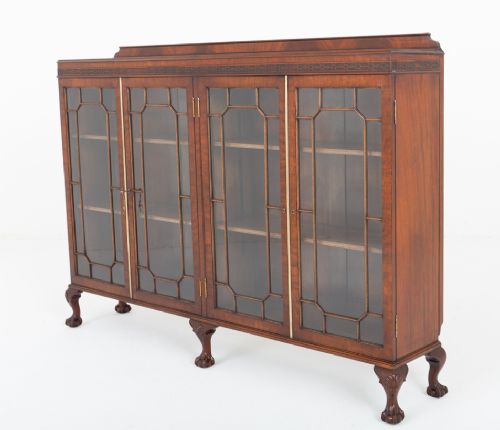
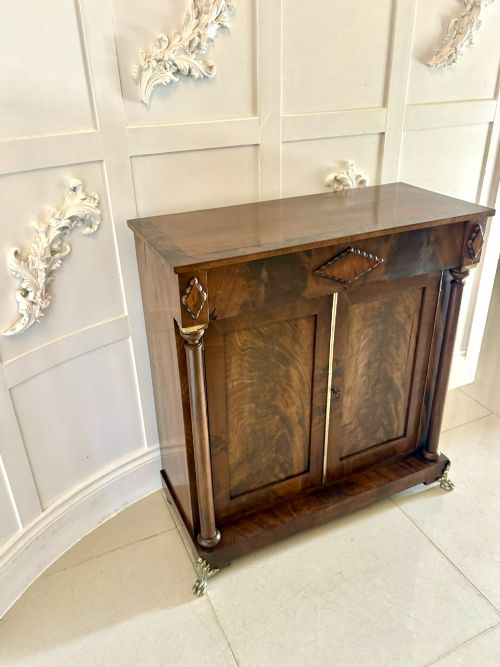
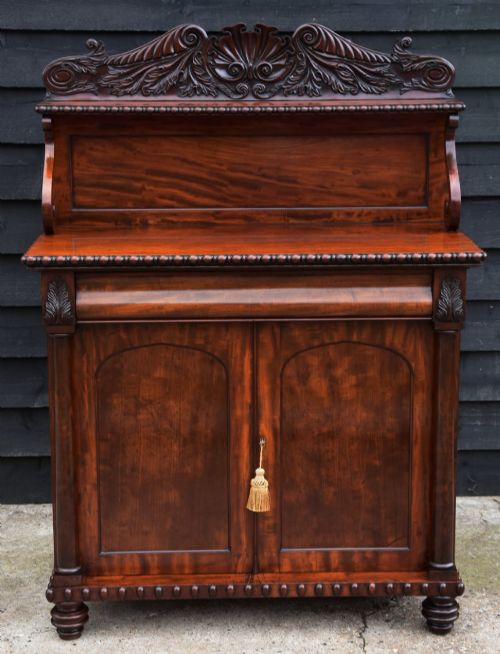
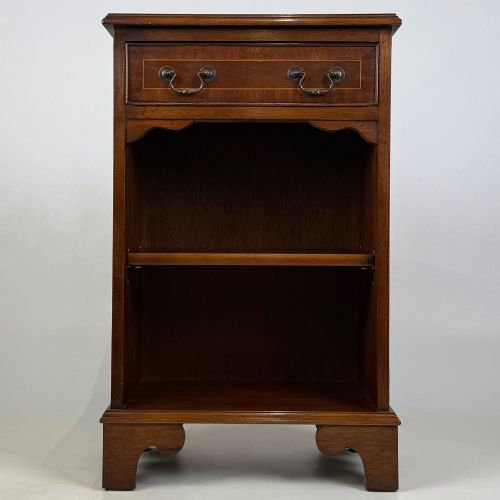
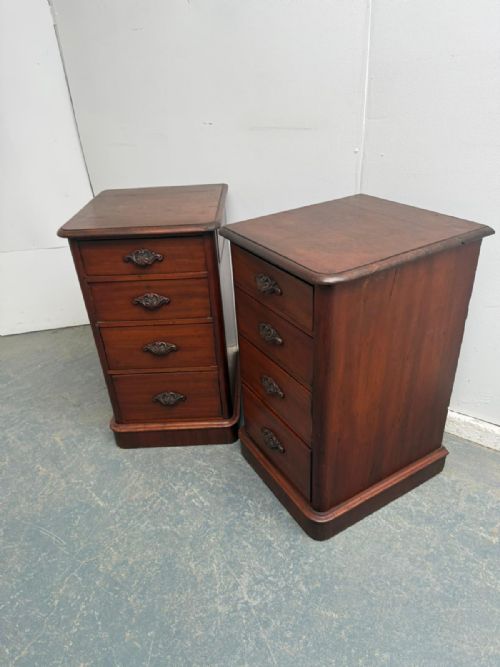
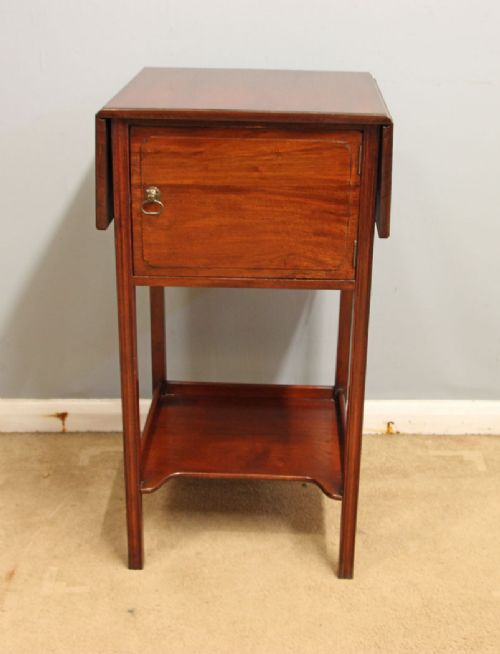
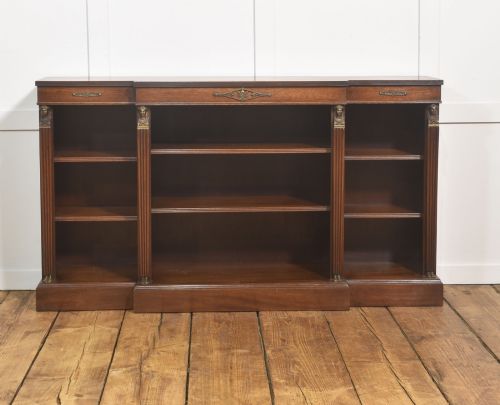
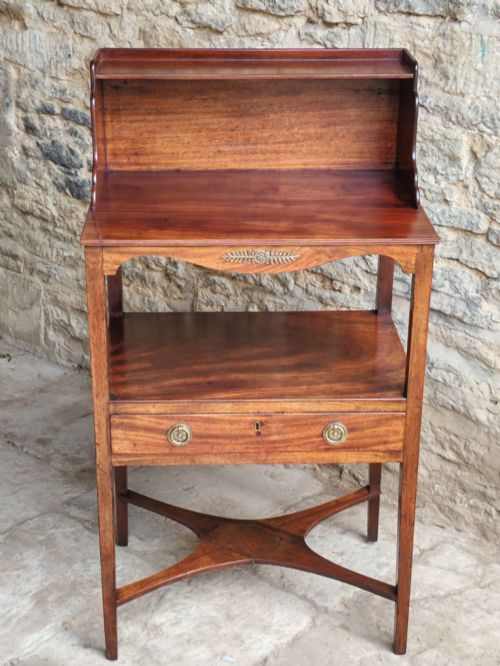
A georgian mahogany side cabinet encompasses a diverse group of practical domestic furniture, ranging from compact bedside night tables and pot cupboards to larger multi-door cabinets, chiffoniers, and bookcases.
The pieces appearing here span genuine Georgian and Regency origins through to later revival periods such as Edwardian interpretations and 1920s reproductions.
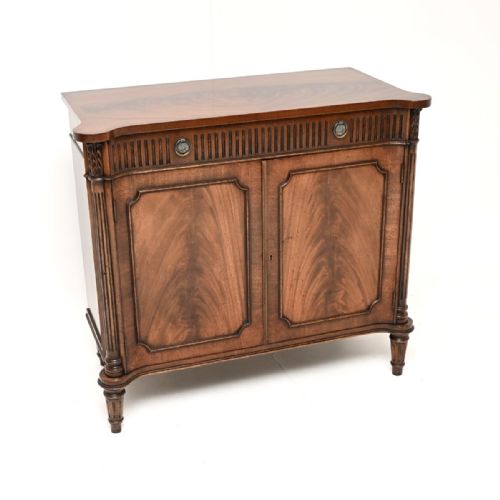
Buyers most frequently encounter bedside variations and smaller lamp tables alongside two-door side cupboards constructed from solid timbers and veneers.
Materials and construction
Cabinetmakers utilised dense mahogany and figured flame mahogany veneers over secondary woods like oak, securing surfaces with traditional joinery methods.
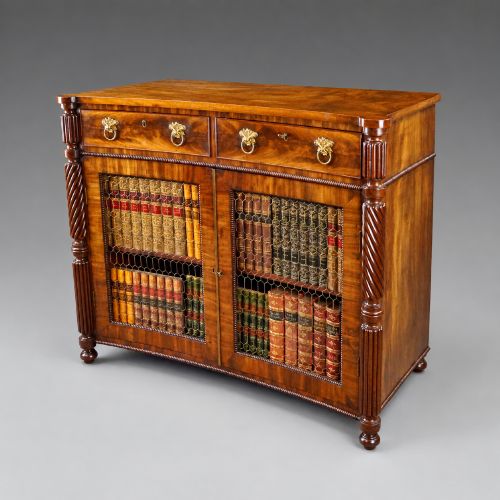
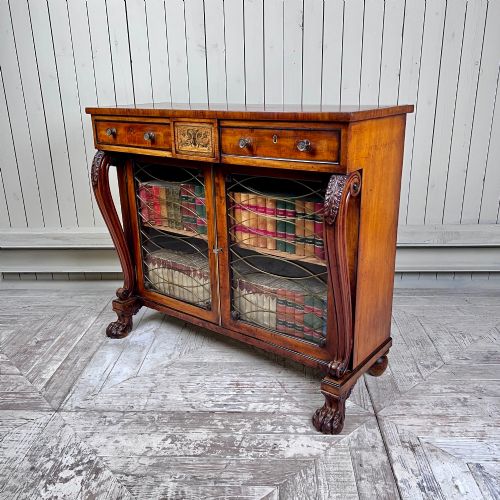
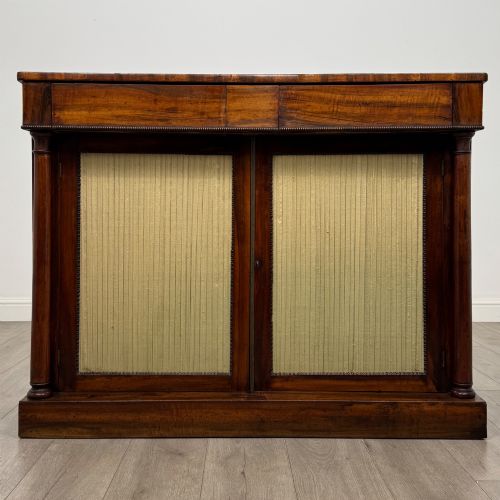
Many examples incorporate decorative details such as brass grilles, ebony inlay, marquetry work, and fabric linings behind glazed doors.
Hardware ranges from turned wooden knobs to cast brass handles and drawer pulls characteristic of the nineteenth century and earlier.
Georgian Mahogany Side Cabinet Retail Price Guide 2026
Typical asking prices for georgian mahogany side cabinet among the pieces listed under this phrase on Sellingantiques today, from the lower quarter to the upper quarter. They describe what is for sale here now, not the wider market.
Several historical bedside models concealed enclosed chambers specifically designed to house porcelain night-pots out of polite sight.
Assessing craftsmanship
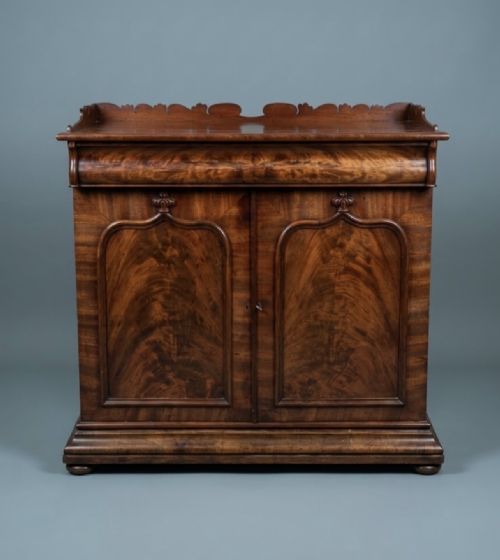
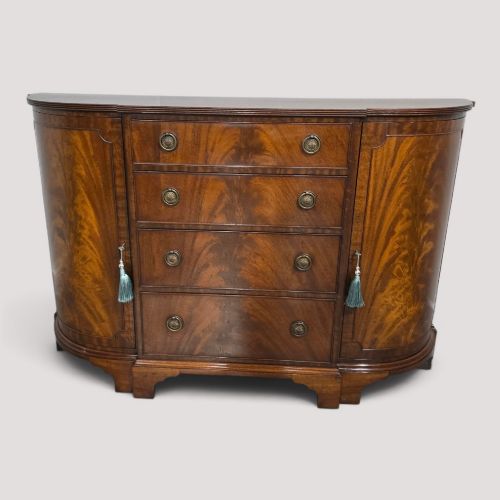
Quality rests upon the selection of timber figures, particularly the grain matching across flame mahogany drawer fronts and cabinet doors.
Superior examples display precise inlay work, crisp moulding profiles, and original brass fittings that sit flush within their designated housings.
Structural integrity depends on stable carcase construction and well-fitted drawers that slide smoothly within their solid timber runners.
Gillows
The Georgian Mahogany Side Cabinet Glossary
- Flame mahogany
- A highly decorative wood veneer displaying distinct, undulating patterns resembling flickering flames, prized for high-status cabinet work.
- Chiffonier
- A compact sideboard or cabinet developed during the Regency period, often featuring glazed or fabric-backed doors beneath a short shelf.
- Pot cupboard
- A small enclosed bedside cabinet originally designed to house a chamber pot, also known as a night table.
- Breakfront
- A piece of furniture featuring a central section that projects forward beyond the flanking sides.
- Marquetry
- The art of applying decorative pieces of veneer to a structure to form intricate floral or geometric designs.
Georgian Mahogany Side Cabinet: Frequently Asked Questions
How were these cabinets used originally?
These pieces served practical storage functions in bedrooms, parlours, and dining rooms across domestic homes. Bedside variants held night-time essentials or chamber pots, while larger side cabinets stored linen, books, or dining china.
In reception rooms, chiffonier models displayed decorative items on top shelves while keeping silver or documents concealed below. Their versatile sizing allowed them to adapt easily to changing household requirements over generations.
Are these pieces suitable for modern bedrooms?
Their compact proportions make them exceptionally well-suited for use as bedside tables or lamp stands in contemporary homes. The enclosed storage provides practical space to conceal modern electronics or reading materials out of sight.
Placing a small cupboard beside a bed or sofa introduces warmth and historical character without dominating the floor space. The flat upper surfaces easily accommodate modern lighting, clocks, and everyday items.
How do I distinguish Regency from Georgian pieces?
Georgian furniture generally displays classical architectural proportions with restrained carved enrichment and straight lines. Regency pieces, dating from the early nineteenth century, often introduce bolder brass inlay, ebonised details, and heavier classical influences derived from French and Roman design.
Timber choice also provides clues, as Regency workshops frequently utilised deeply figured mahogany and contrasting borders of exotic woods. Looking at interior secondary woods and construction methods helps confirm the manufacturing era.
What is flame mahogany?
Flame mahogany is a highly figured wood veneer sliced from the point where major branches join the main tree trunk. This specific growth creates rippling, three-dimensional patterns that resemble tongues of fire across the polished surface.
Cabinetmakers reserved this prized timber for the most prominent exterior panels, such as drawer fronts and cabinet doors, to catch the light. It remains a hallmark of superior decorative quality in period case furniture.