

Georgian Mahogany Lowboy Drawers
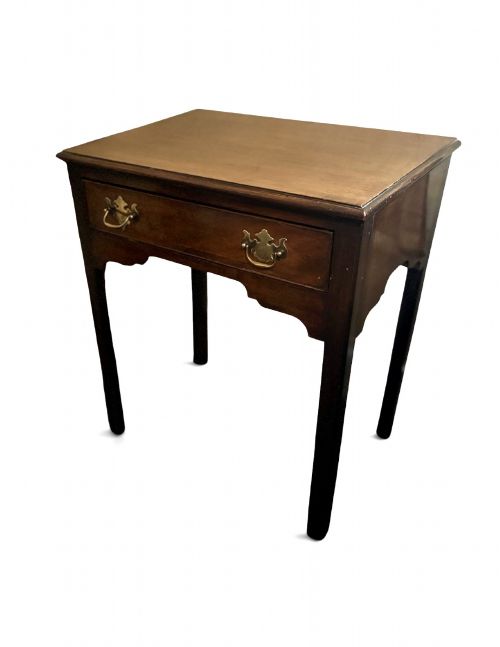
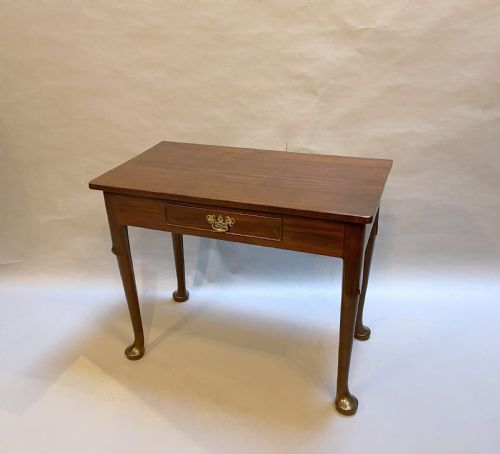
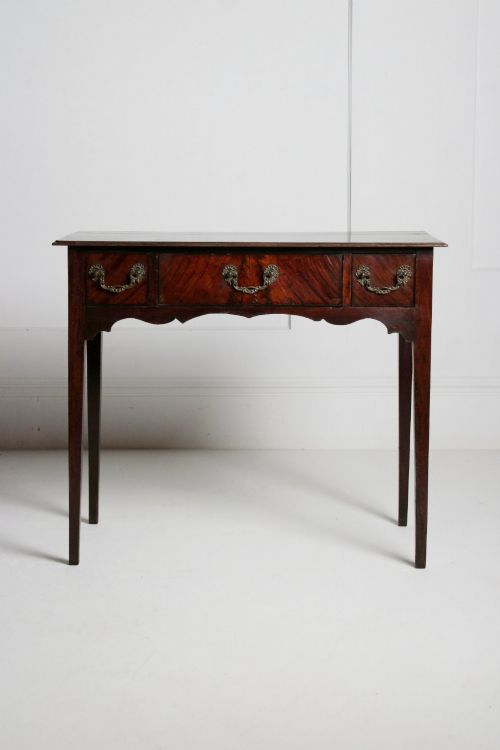
Georgian mahogany lowboy drawers combine compact table forms with fitted storage, offering practical surfaces shaped by eighteenth-century cabinet-makers.
Georgian Mahogany Lowboy Drawers
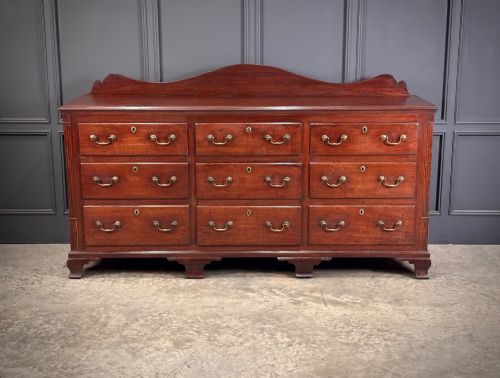
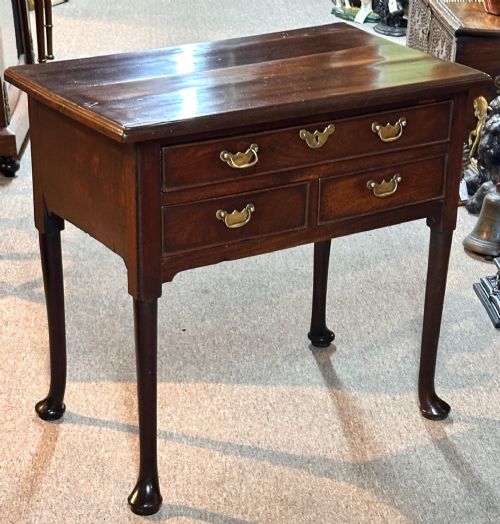
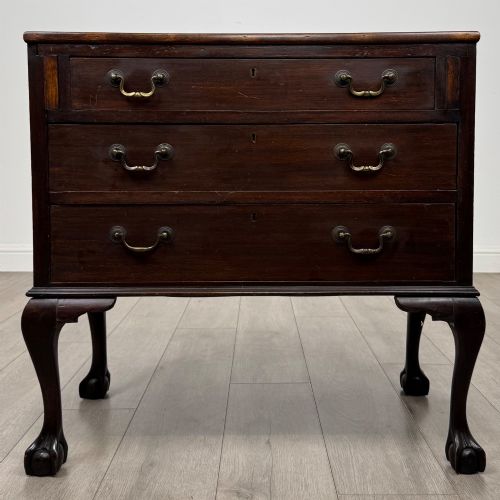
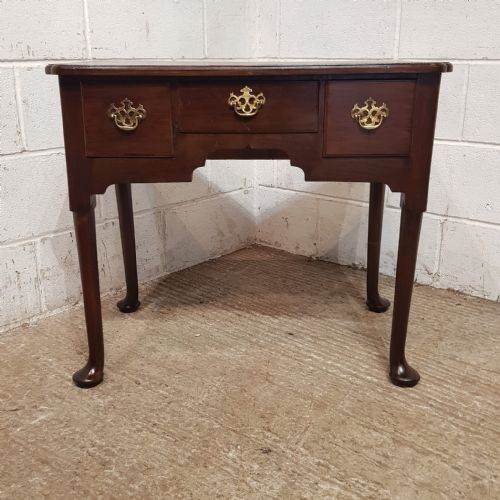
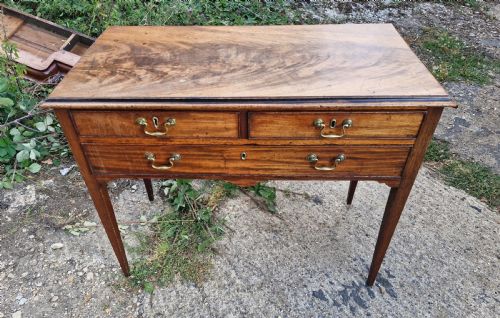
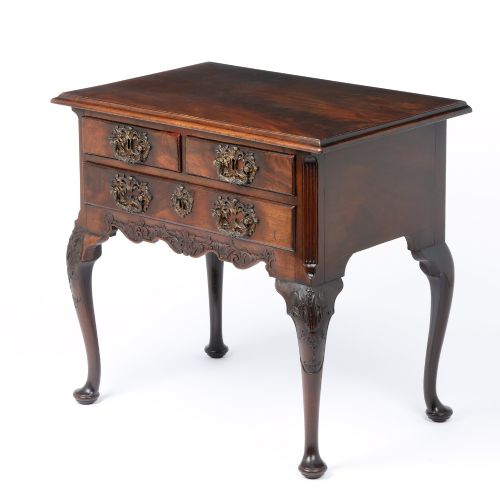
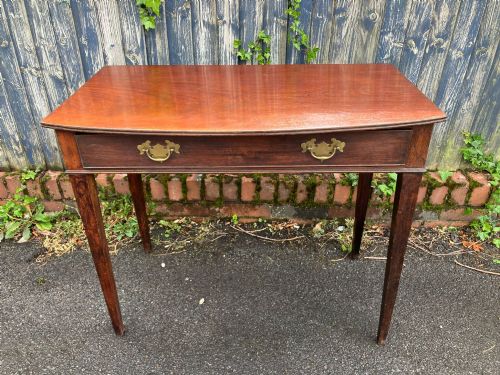
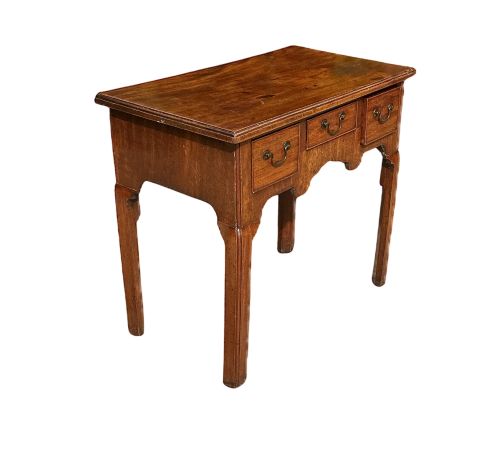
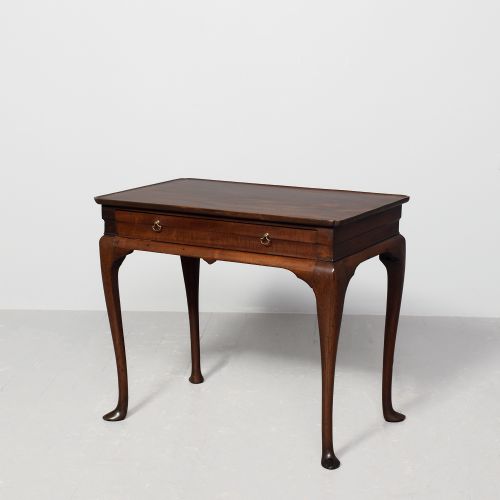
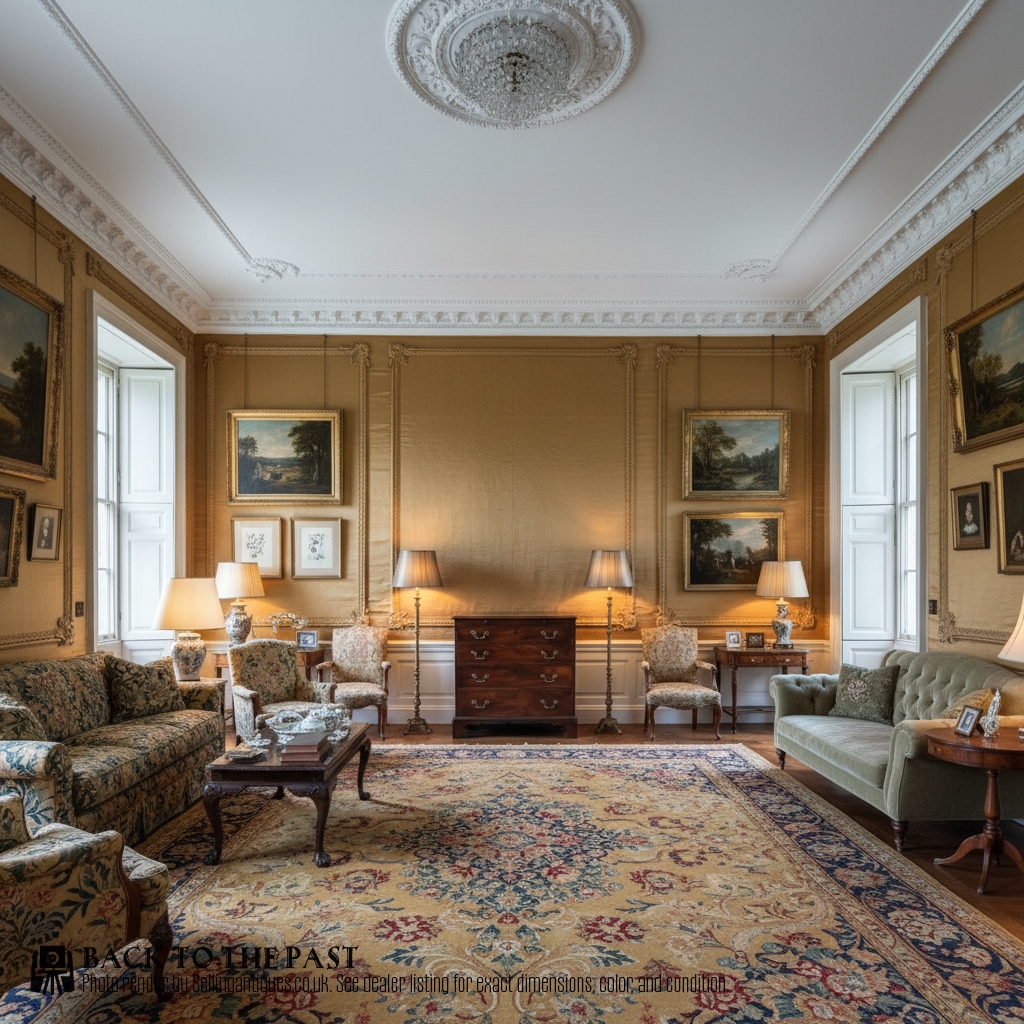
When you search for georgian mahogany lowboy drawers, you encounter low-standing tables equipped with drawer arrangements designed for personal grooming or writing. The pieces on this page span the Georgian, George II, and George III periods, alongside later nineteenth-century revivals.
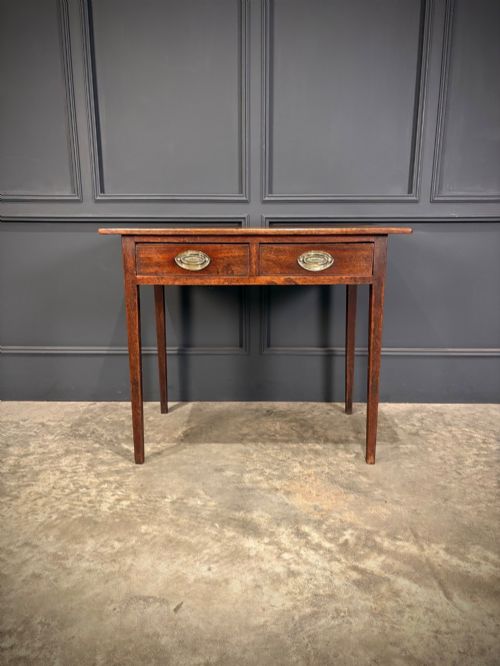
You are most likely to meet straightforward side tables and lowboys featuring single or multiple drawers beneath the top board. Formats vary from small provincial examples to larger George III pieces with shaped aprons and slender legs.
Originating primarily in eighteenth-century workshops, these items function as dressing tables, side tables, or compact desks. The surviving selection includes pieces dated around seventeen-fifty up to nineteen-hundred, reflecting enduring utility in domestic spaces.
Materials and construction methods
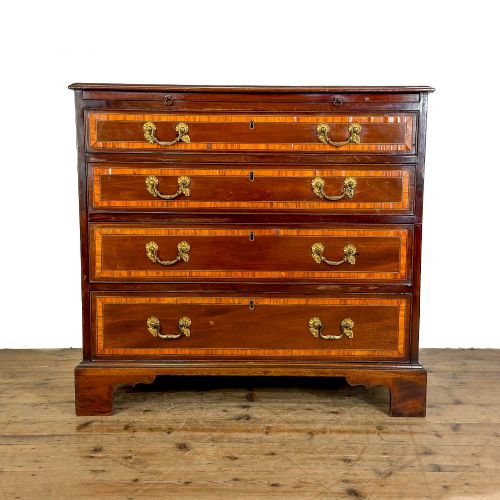
Cabinet-makers relied heavily on solid mahogany and Cuban mahogany for primary visible surfaces, frequently pairing them with oak or pine secondary timbers for drawer linings and carcases. Boxwood and satinwood stringing occasionally provide subtle inlay detail along drawer fronts and borders.
Hardware consists principally of brass handles and escutcheons, securing the structural integrity of the pull-out drawers. Joinery techniques from the period involve hand-cut dovetails and pegged frames that support the weight of the timber over centuries of use.
Several lowboys include secretive little side drawers originally designed to hide confidential correspondence away from prying household eyes.
Assessing quality in construction and timber
Quality rests on the selection of figured mahogany timber and the crispness of the hand-carved details on the legs and aprons. Superior pieces display well-matched grain patterns across the drawer fronts and sound, unaltered secondary timbers inside the carcase.
Proportion and untouched original brass hardware distinguish finer workshops from simpler provincial output. Subtle differences in leg profiling and drawer lining thickness separate standard utility tables from exceptional examples.
Muirhead Moffat & Co
The Georgian Mahogany Lowboy Drawers Glossary
- Lowboy
- A small low table with drawers, typically used as a dressing table or side table in eighteenth-century interiors. These pieces rest on four legs and feature a shallow drawer configuration beneath the top surface.
- Mahogany
- A durable hardwood imported from the West Indies and Central America, valued for its rich reddish-brown tone and resistance to shrinking. Cabinet-makers utilised both solid boards and veneers for tabletops and drawer fronts.
- Dovetail
- A joint formed by interlocking wedge-shaped fingers, used extensively to secure drawer corners and frame structures. Hand-cut dovetails indicate traditional period construction methods.
- Escutcheon
- A flat plate of brass surrounding a keyhole to protect the surrounding wood from wear. Period pieces feature cast or stamped brass designs secured with small pins.
Georgian Mahogany Lowboy Drawers: Frequently Asked Questions
What is a lowboy used for?
A lowboy functions primarily as a small side table or a personal dressing table with integrated drawer storage. Historically, owners placed them in bedrooms or reception rooms to hold small valuables and grooming items.
Today, they serve well as compact hall tables or writing desks in smaller spaces where full-sized furniture overwhelms the room.
How do I identify a George III piece?
George III furniture typically dates from seventeen-sixty to eighteen-twenty, showing refined proportions and specific decorative idioms like straight square legs or cabriole supports. Examination of the secondary timbers such as oak inside the drawers helps confirm the period.
Construction details like hand-cut dovetails and period brass hardware further distinguish genuine eighteenth-century pieces from later nineteenth-century revivals.
Are mahogany lowboys fragile?
Solid mahogany provides a robust structure that withstands daily domestic use when treated with reasonable care. The timber resists warping better than many softer woods, though extreme humidity changes remain harmful.
Routine maintenance involves dusting with a dry cloth and avoiding placement near direct heat sources to protect the historic finish and joints.
What distinguishes a lowboy from a chest of drawers?
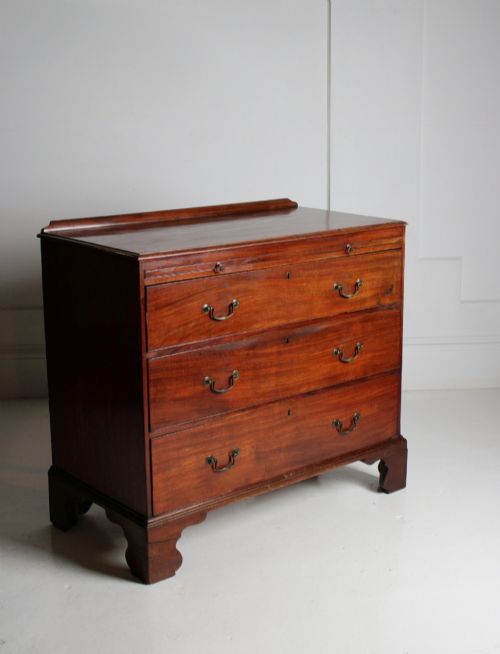
A lowboy stands on relatively tall legs with a shallow body containing one to three drawers, designed at a height for seated tasks. A chest of drawers rises much higher from the floor with stacked drawers occupying the full vertical carcase.
Lowboys maintain an open, table-like appearance underneath, whereas chests of drawers sit solidly on small feet or base mouldings.