




Georgian Mahogany Coffer
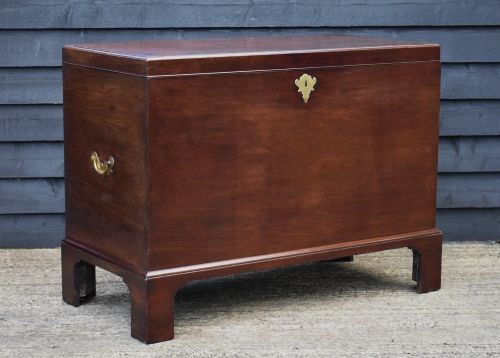
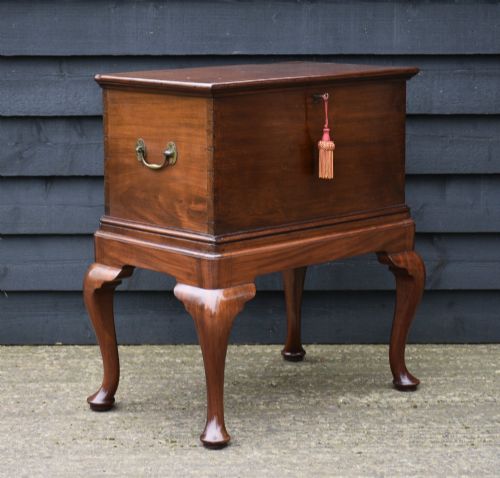
A georgian mahogany coffer brings solid domestic storage and rich timber grain into a room, spanning blanket boxes, mule chests and trunks.
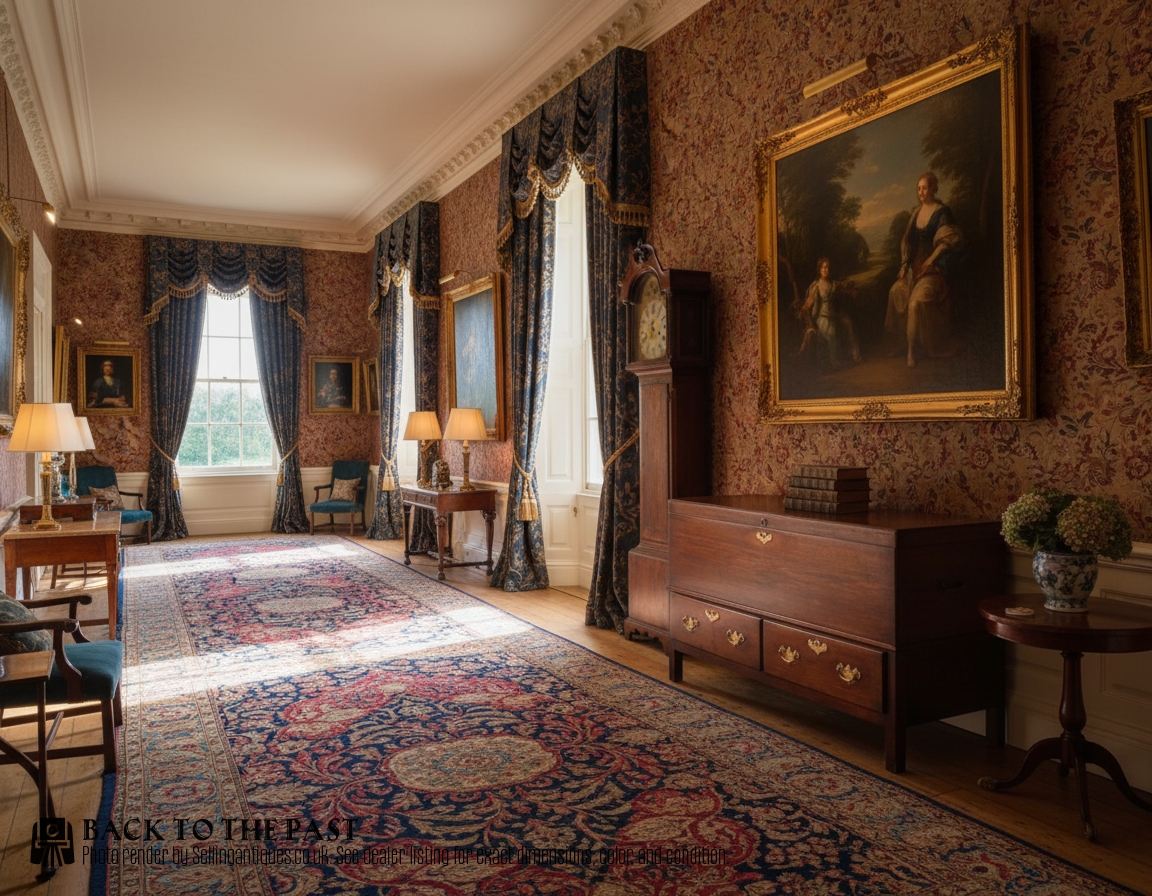
Georgian Mahogany Coffer
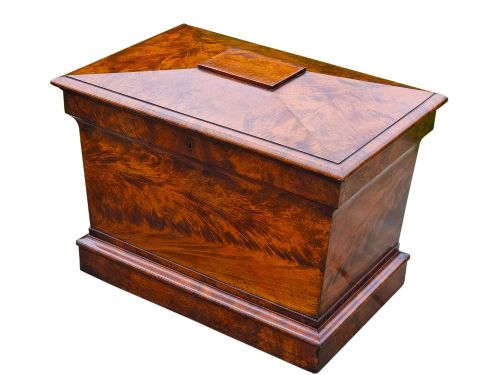
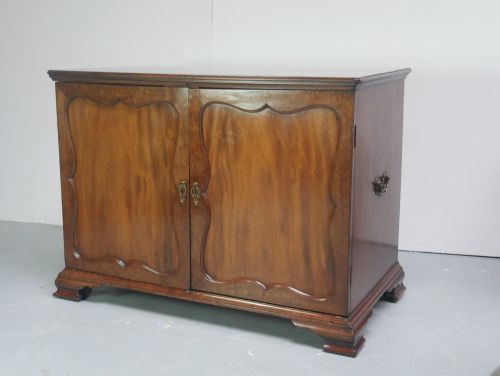
When you search for a georgian mahogany coffer, you encounter substantial timber storage pieces spanning blanket boxes, mule chests, linen presses and cellarettes. These items originated in period houses to store textiles, silver, or wine, combining utility with robust cabinetmaking.
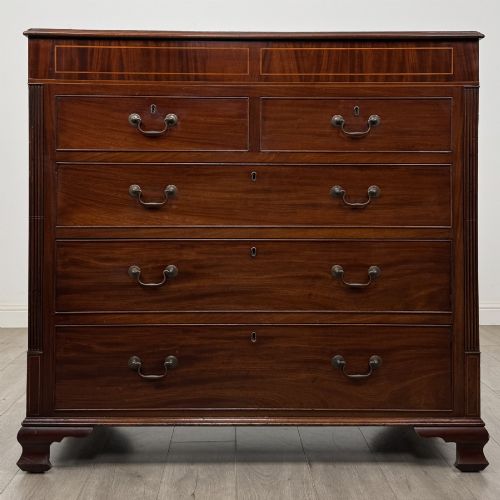
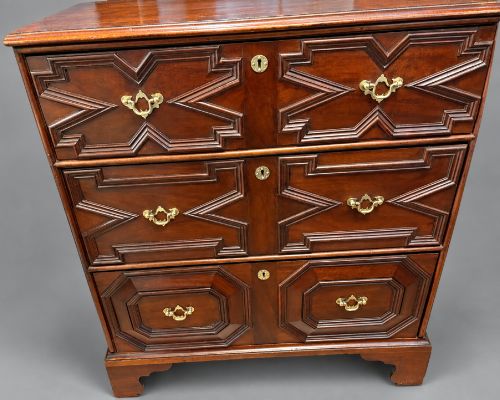
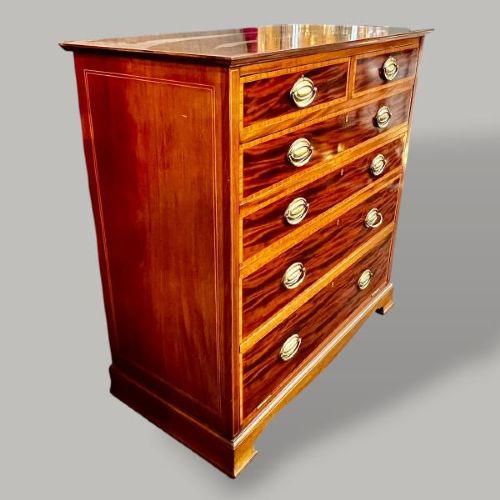
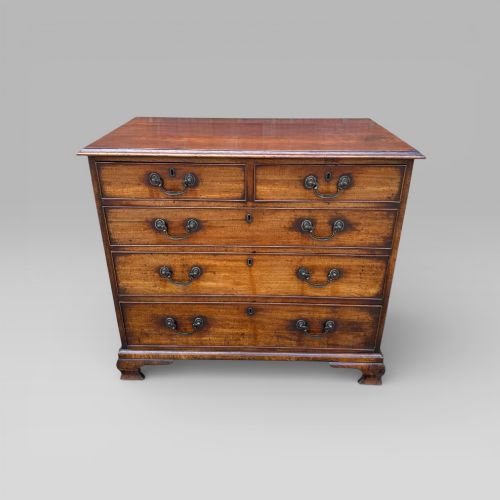
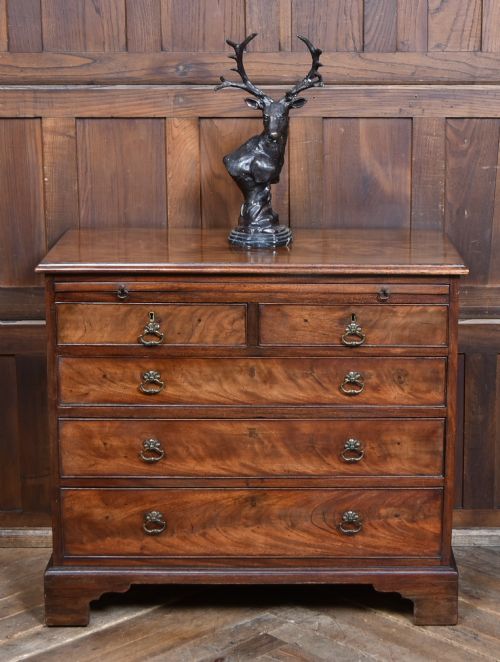
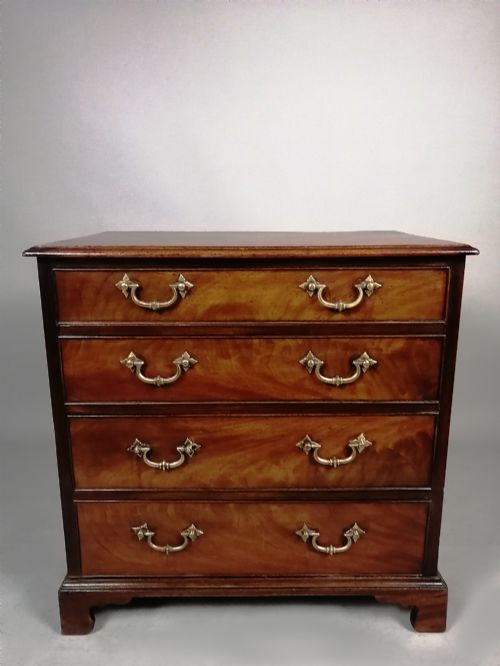
The pieces on this page mostly date from the Georgian and Regency eras, alongside later nineteenth century interpretations. You find chests of drawers and boxes on stands sitting alongside traditional mule chests fitted with lower drawers.
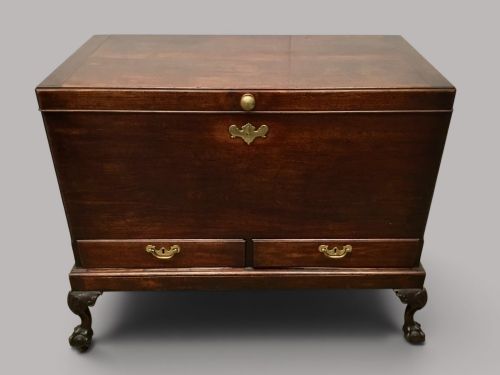
Forms vary from plain blanket boxes to sarcophagus shaped wine coolers and crossbanded Lancashire mule chests. Each variant reflects the specific domestic requirements of the eighteenth and nineteenth centuries.

Materials and technique
Cabinetmakers utilised solid mahogany, Cuban mahogany and flame mahogany veneer, frequently supported by secondary timbers like oak and pine. Brass handles, mounts and hinges provided both structural reinforcement and functional decoration.
Surface enrichment relied on boxwood inlay, crossbanding and polished timber grains rather than excessive carving. Construction methods involved dovetailed joints, panelled lids and sturdy internal framing designed to withstand heavy domestic use.
Georgian Mahogany Coffer Retail Price Guide 2026
Typical asking prices for georgian mahogany coffer among the pieces listed under this phrase on Sellingantiques today, from the lower quarter to the upper quarter. They describe what is for sale here now, not the wider market.
Some travel chests retain their original keys, ready to lock away secrets kept since seventeen fifty.
What varies in quality
Quality rests in the selection of timber, particularly the depth of flame mahogany veneer and the figuring of Cuban mahogany boards. Dense primary woods paired with sound secondary timbers indicate superior workshop standards.
Refinement shows in the precision of boxwood inlay, the integrity of brass hardware, and the crispness of mouldings around the lid and base. Original fittings and undisturbed timber patination elevate an example above standard utility pieces.
J Moorcroft
The Georgian Mahogany Coffer Glossary
- Mule chest
- A storage chest featuring one or more drawers built into the base beneath the main compartment. This form evolved during the eighteenth century to hold linens and garments.
- Cellarette
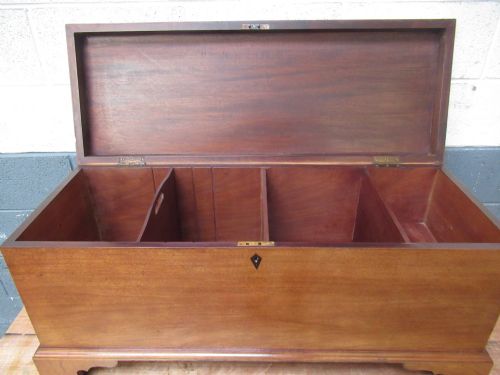
- A fitted container designed to hold bottles of wine or spirits securely. These items often feature lead linings and internal dividers.
- Crossbanding
- A decorative border technique where veneer strips are applied across the grain of the primary wood. It creates a contrasting geometric frame around drawer fronts or lids.
- Sarcophagus shaped
- A monumental casket form with a rounded or domed lid and panelled sides, popular for Regency wine coolers and grand boxes.
- Brushing slide
- A pull-out shelf integrated into the facade of a chest, used for folding clothes or inspecting items.
Georgian Mahogany Coffer: Frequently Asked Questions
What is a georgian mahogany coffer used for?
These pieces served as heavy-duty domestic storage for blankets, linen, silver, and wine reserves in period households. Their deep interior compartments kept textiles and valuables secure from dust and damp.
Today, they function practically as blanket boxes at the foot of a bed or as coffee tables with hidden storage in a living room.
How do I tell a mule chest from a standard coffer?
A standard coffer consists of a simple lidded box, whereas a mule chest incorporates one or more working drawers beneath the main storage well. This addition allowed access to smaller items without disturbing the contents piled on top.
Mule chests frequently combine oak carcases with mahogany veneers or feature crossbanded drawer fronts.
Are these pieces made of solid mahogany?
Many examples utilise solid timbers, particularly dense Cuban mahogany or native British framing woods, while others employ figured veneers laid over sturdy secondary planks of oak or pine. Cabinetmakers matched primary display surfaces with robust internal framing.
Examining the interior and drawer linings reveals the combination of timbers used in construction.
How do I date a nineteenth century mahogany chest?
Dating relies on observing changes in hardware styles, construction methods, timber selection, and overall architectural proportions. Earlier Georgian pieces often display simpler lines and hand-cut dovetails, while Regency and Victorian variants introduce bolder mouldings and sarcophagus forms.
Secondary woods and the presence of factory-produced components help distinguish later nineteenth century production from eighteenth century work.