





Georgian Lockable Tea Box
A georgian lockable tea box keeps precious leaf secure under lock and key, offering a tactile glimpse into domestic life centuries ago.
Georgian Lockable Tea Box
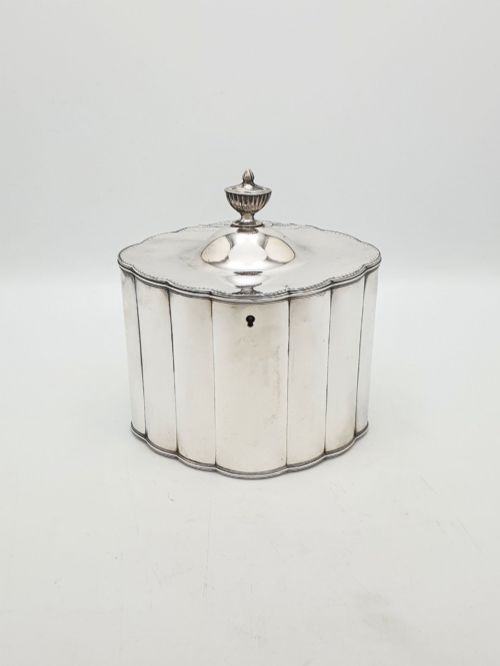
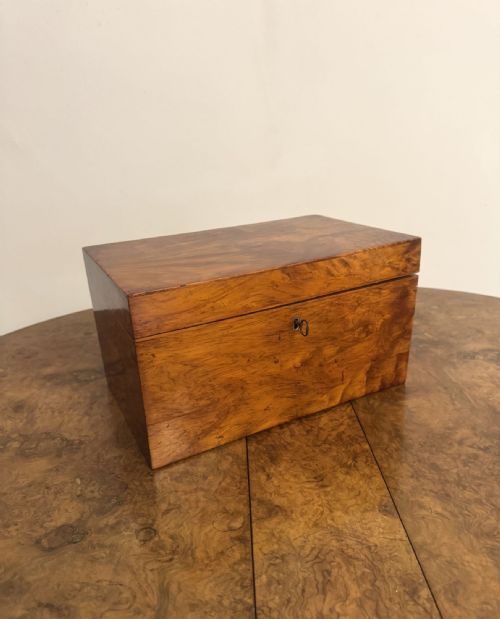
A georgian lockable tea box is a dedicated storage vessel designed to protect valuable dry tea leaves from household servants and dampness. These pieces appear primarily as tea caddies and decorative boxes spanning the Georgian, Regency and Victorian periods, often housing internal compartments or mixing glasses.
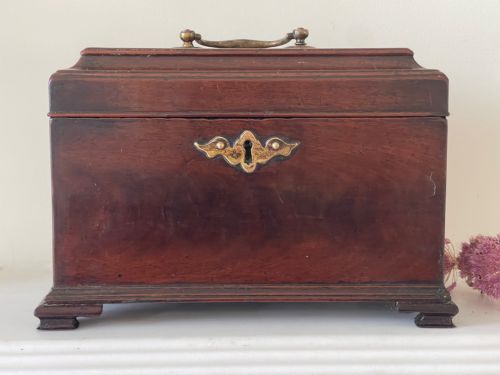
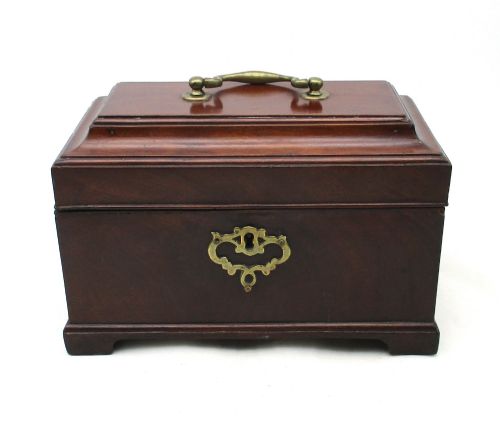
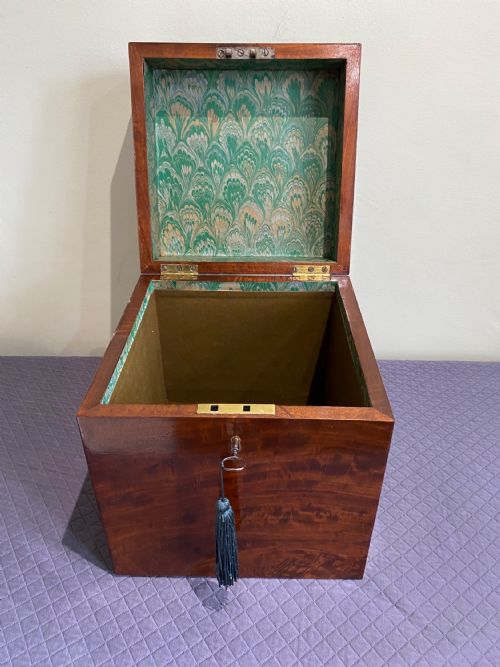
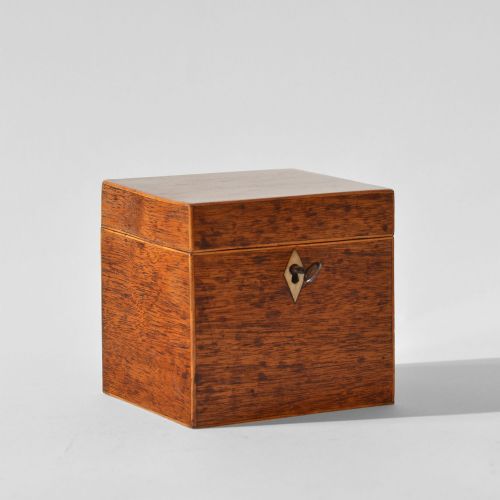
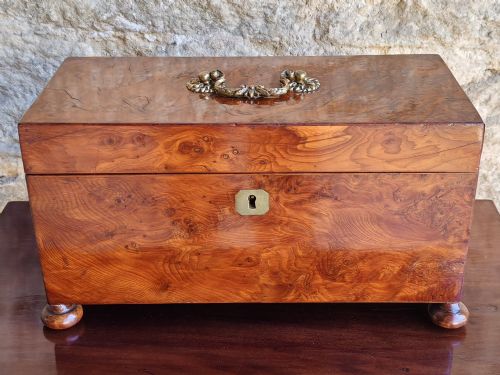
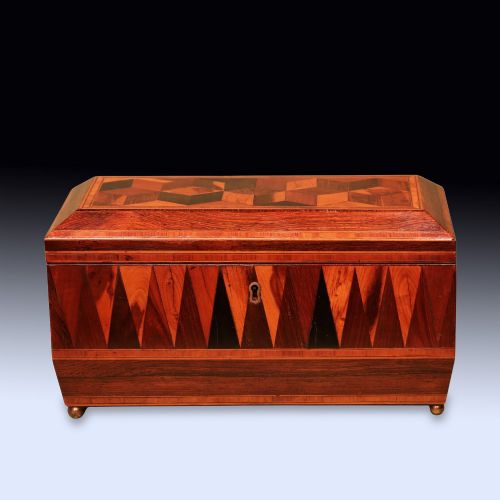
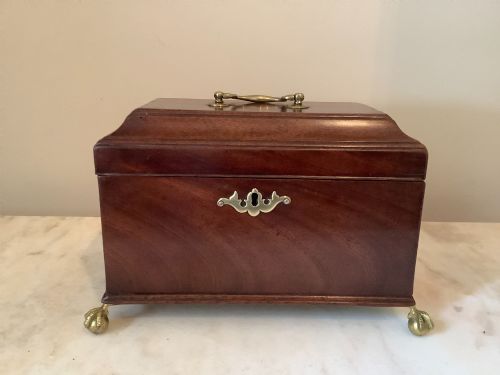
Makers shaped these containers in mahogany, rosewood, yew, satinwood and walnut, frequently incorporating brass hardware, bone escutcheons and working keys. Surviving examples demonstrate forms ranging from simple rectangular mahogany caddies to elaborate sarcophagus shapes with lion mask handles.
Materials and Construction
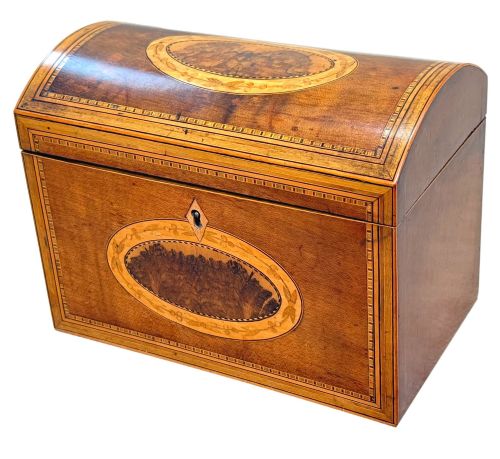
Cabinetmakers utilised dense timbers such as mahogany, walnut and rosewood as foundational carcases, often applying finer veneers of satinwood, amboyna, gonçalo alves and burr maple to visible surfaces. Artisans embellished these exterior grains using intricate parquetry, marquetry and star inlay work with boxwood and ebony.
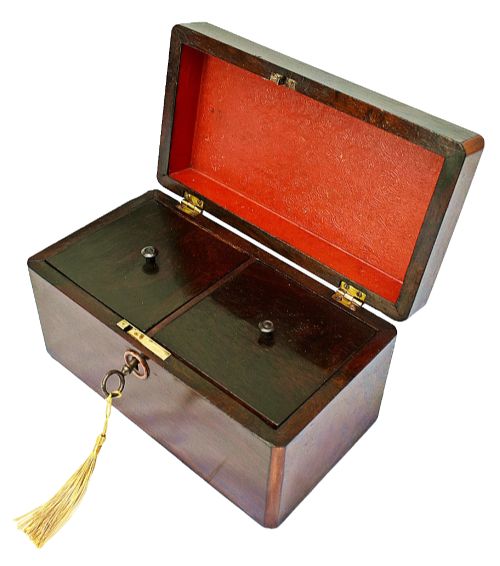
Internal arrangements involved fitted compartments for loose leaf canisters alongside spaces for mixing bowls made from metal or glass. Functional security relied on brass locks and key mechanisms, sometimes accompanied by concealed secret drawers.
Georgian Lockable Tea Box Retail Price Guide 2026
Typical asking prices for georgian lockable tea box among the pieces listed under this phrase on Sellingantiques today, from the lower quarter to the upper quarter. They describe what is for sale here now, not the wider market.
Lion mask brass handles glare sternly from the sides of Regency sarcophagus boxes, guarding the dry leaves within.
Factors of Quality
Distinctions in quality rest upon the selection of timber veneers and the precision of decorative inlay work. Pieces featuring rarer woods like partridge wood, harewood or amboyna, paired with complex parquetry or shell motifs, sit higher in the range than plain mahogany alternatives.
The sophistication of the box's architectural form also dictates standing, with sarcophagus shapes and detailed brass lion mask handles representing more ambitious design than simple rectangular caddies.
The Georgian Lockable Tea Box Glossary
- Escutcheon
- A protective plate surrounding the keyhole, frequently fashioned from bone or brass on these caddies. It prevents the wood from splitting around the lock.
- Sarcophagus
- A monumental box shape featuring a domed or tapered lid reminiscent of a stone coffin. Regency makers favoured this substantial silhouette for grander drawing rooms.
- Marquetry
- The art of forming decorative patterns using thin veneers of different coloured woods. Craftsmen applied this technique to create elaborate geometric or pictorial lids.
- Parquetry
- Geometric mosaic woodwork formed by small pieces of timber laid in regular patterns. This technique surfaces on Regency period boxes.
- Canister
- A fitted internal vessel intended to hold individual dry tea leaves securely. Some boxes pair these with a central mixing glass.
Georgian Lockable Tea Box: Frequently Asked Questions
What were georgian lockable tea boxes used for?
These boxes stored precious black and green tea leaves when tea was an expensive, heavily taxed commodity. The lock prevented unauthorized access by household staff.
Inside, compartments separated different varieties of leaf or held a glass bowl used for blending infusions before serving.
How do I identify a georgian lockable tea box?
Look for period timber choices like solid mahogany, burr walnut or rosewood combined with period brass hardware and working locks. Construction details often include hand-cut dovetails on the internal partitions.
Stylistic cues range from George III bracket feet and straight sides to Regency sarcophagus forms and inlaid shell motifs.
Did all these boxes come with keys?
Many surviving examples retain their original or replacement working keys to operate the brass lock set into the front escutcheon. A functioning lock remained essential for the owner to maintain control over the tea supply.
Some historical boxes now survive without keys, though the locking mechanism itself remains integrated into the front panel.
How should I care for a wooden tea box?
Keep the box away from direct sunlight and sudden temperature shifts to protect the delicate antique wood veneers from warping or splitting. Gentle dusting with a dry cloth preserves the polished finish.
Avoid using modern liquid polishes or harsh chemical cleaners which can damage the aged wax and historic timber surfaces.