

Georgian Lighting
Georgian lighting encompasses candlesticks, wall lights, and chandeliers designed to illuminate rooms before electricity, built to catch and reflect candlelight.
Georgian Lighting
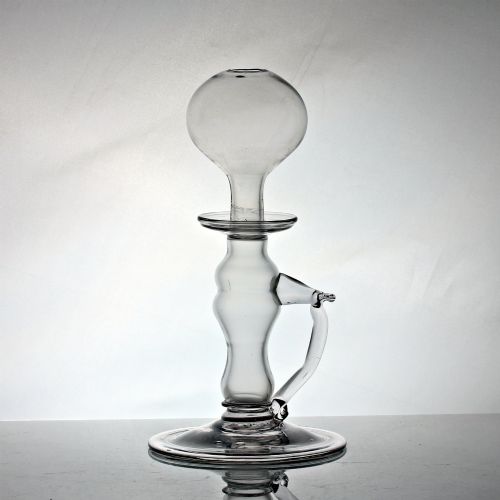
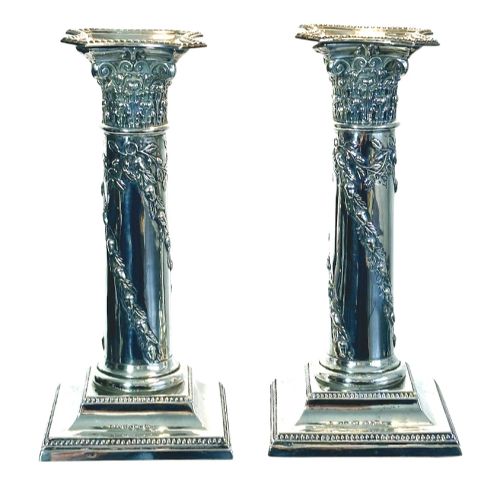
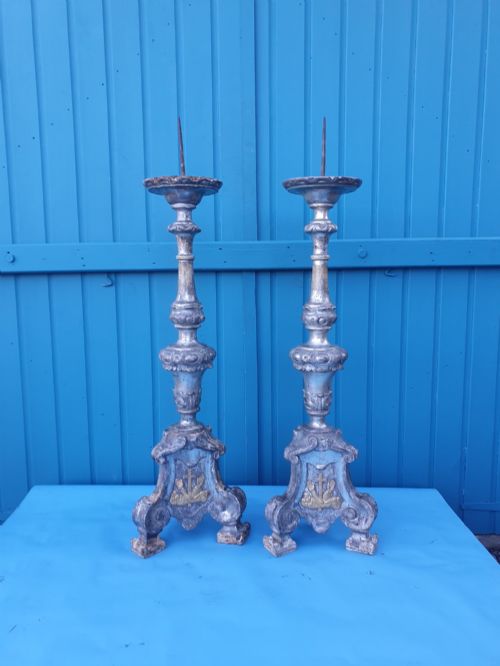
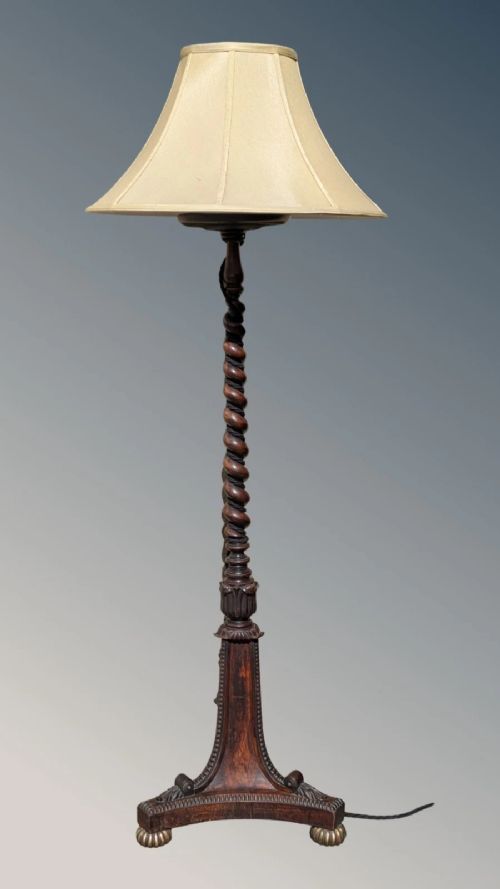
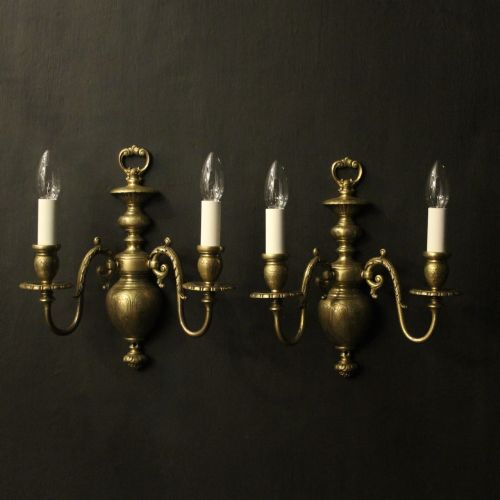
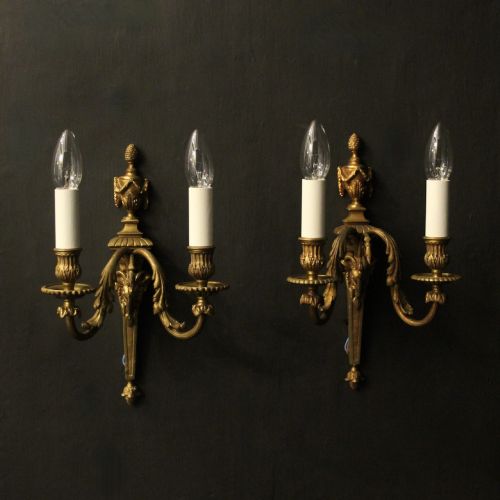
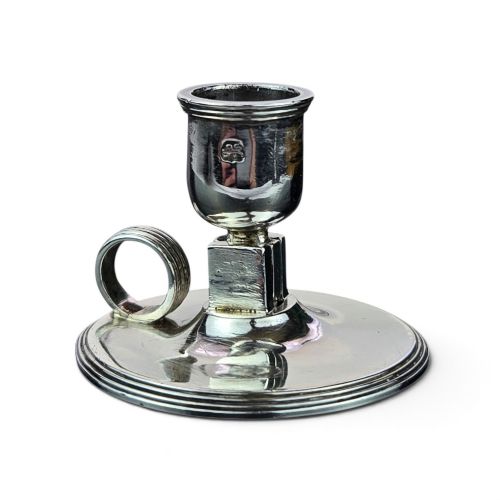
When exploring georgian lighting, buyers encounter objects designed to hold candles or burn oil for interior illumination during the eighteenth and early nineteenth centuries. These pieces survive in brass, bronze, silver plate, mahogany, pewter, and glass, reflecting the materials available to period makers.
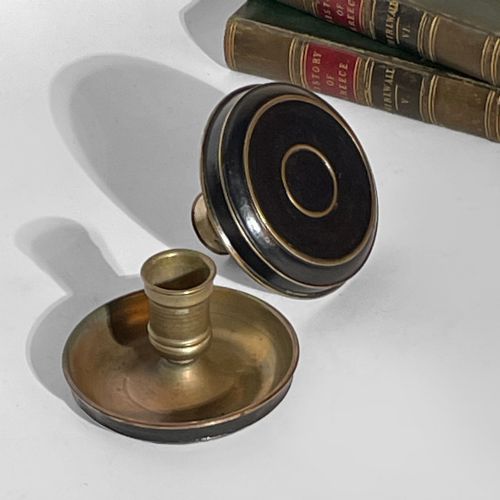
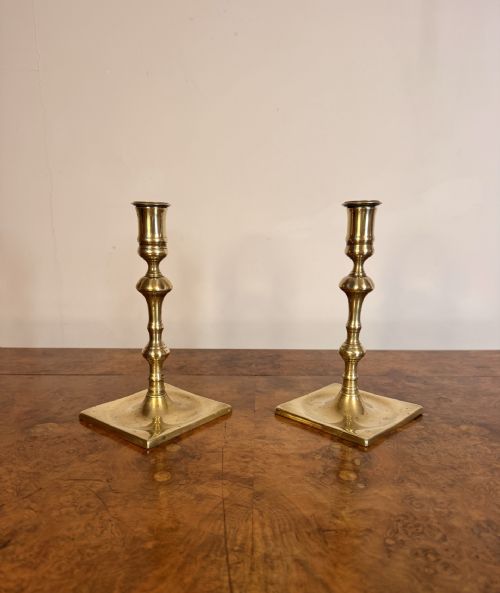
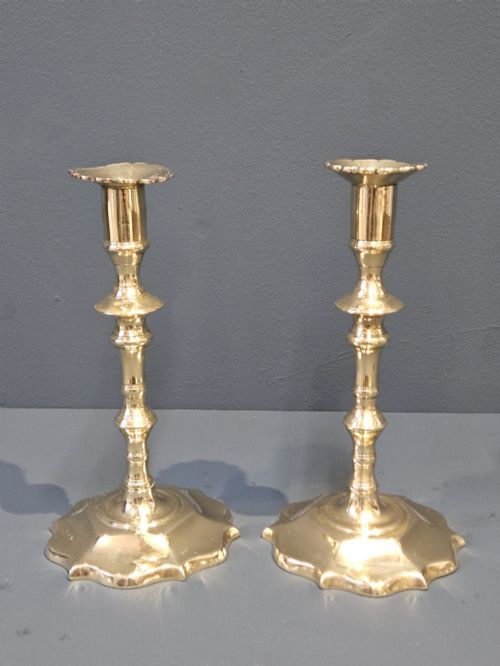
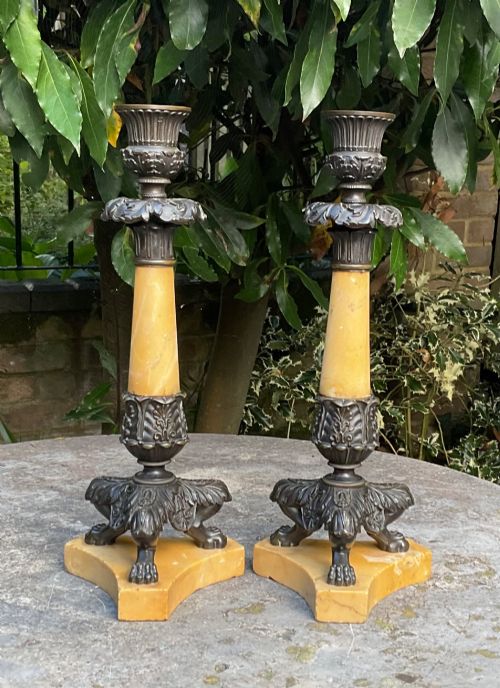
The most common forms found in this selection are candlesticks, wall sconces, and chandeliers, ranging from simple domestic brass examples to elaborate giltwood and bronze pieces. Many survive as pairs, used originally on mantelpieces, dining tables, or in hallways to maximise the reflection of light.
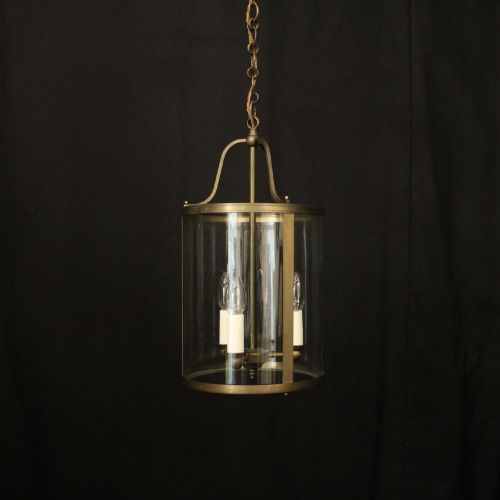
The objects span periods from the seventeenth century through to Regency and later revivals, maintaining forms dictated by the practical need for portable or fixed flame illumination. Buyers also find occasional lamp conversions and specialised items like tapersticks and hall lanterns.
How they were made
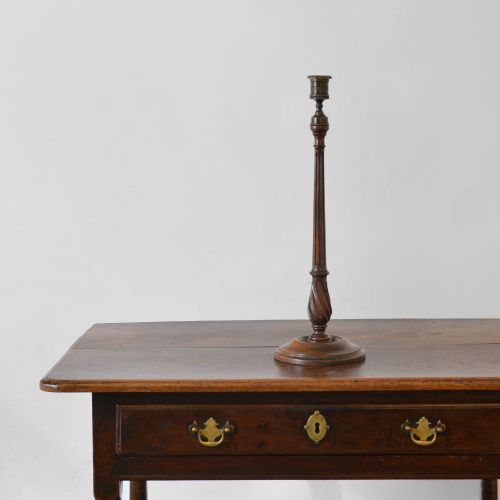
Metal lighting pieces relied on casting techniques, such as seaming brass components together or casting bronze and brass in moulds to create decorative stems and bases. Finished surfaces often received hand-patination or gilding, while wooden items like mahogany candlesticks were turned on lathes and polished.
Glass lighting and components utilised blowing and cutting methods, seen in chandeliers and oil lamps, sometimes paired with applied handles or cast metal mounts. Iron items like rushlight holders were hand-forged by blacksmiths using traditional heating and hammering techniques.
Georgian Lighting Retail Price Guide 2026
Typical asking prices for georgian lighting among the pieces listed under this phrase on Sellingantiques today, from the lower quarter to the upper quarter. They describe what is for sale here now, not the wider market.
Listings feature lighting from the 17th, 18th, and 19th centuries, alongside Regency and Victorian pieces.
What varies in quality
Quality in these lighting pieces depends on the crispness of the casting detail, the weight of the metal, and whether original elements such as ejector mechanisms or sconces remain intact. Superior examples display refined proportions, clean chasing on bronze or brass, and well-preserved surface patination.
The integration of materials also dictates standard, where fine Ormolu mounts, matched marble bases, or balanced giltwood carving elevate the piece from basic utilitarian hardware to decorative luxury.
John Reilly·Barr Flight And Barr·Matthew Boulton
The Georgian Lighting Glossary
- Taperstick
- A small candlestick designed specifically to hold a thin wax taper used for sealing letters or lighting pipes and fires. These miniature versions mirror the larger proportions of standard candlesticks.
- Candelabra
- A multi-branched lighting device holding several candles simultaneously. They often incorporate central stems with detachable arms.
- Girandole
- An ornamental wall mirror with attached candle sconces designed to reflect and multiply the candlelight in a room. The frames are frequently carved and gilt.
- Rushlight
- A simple holder for a dried rush stem dipped in animal fat, providing cheap illumination in earlier periods. These are typically forged from wrought iron.
- Ejector
- A mechanical device built into the socket of a candlestick to push out the remaining candle stump. They appear frequently in brass examples from the eighteenth century onwards.
Georgian Lighting: Frequently Asked Questions
What is a taperstick used for?
A taperstick holds a thin wax taper rather than a thick household candle, serving as a portable light source for sealing letters with wax.
People kept them on desks and writing tables during the Georgian period for quick access to a flame.
How do I clean antique brass lighting?
Antique brass generally requires only gentle dusting with a soft cloth to preserve the historical surface and patination.
Aggressive metal polishes remove the aged skin that collectors value on eighteenth-century metalwork.
Were these lights converted to electricity?
Some period items like oil lamps and candlesticks undergo conversions to hold electrical fittings for modern domestic use.
Conversion methods vary, and listings usually note whether wiring has been added to the original structure.
How can I tell Regency from Georgian?
Regency lighting often displays distinct classical revival motifs influenced by French Empire design, utilising bronze, marble, and gilt finishes.
Georgian pieces from earlier decades tend to feature simpler brass casting, mahogany turnings, or Rococo ornamentation.