





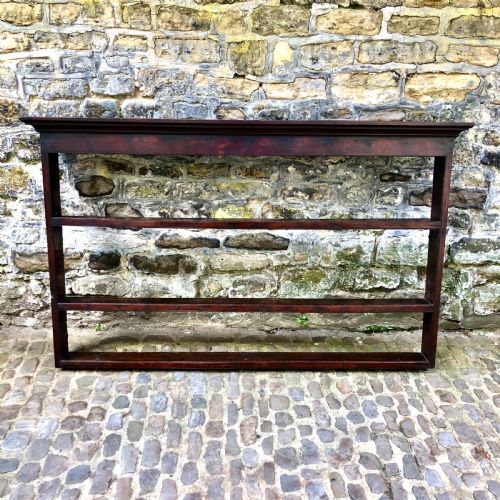


Georgian Kitchen Wall Shelves
Georgian kitchen wall shelves bring practical 18th-century English country utility and robust timber construction straight into a modern interior.
Georgian Kitchen Wall Shelves
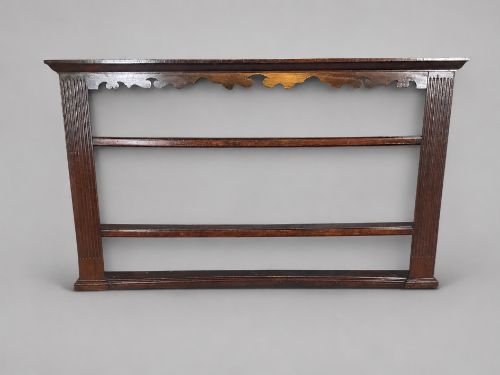
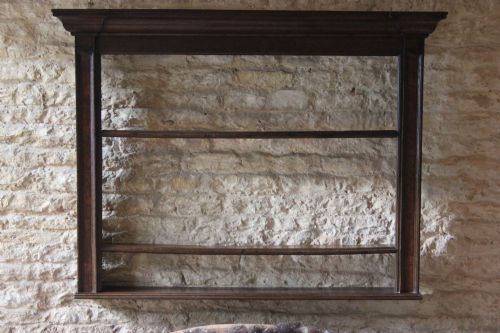
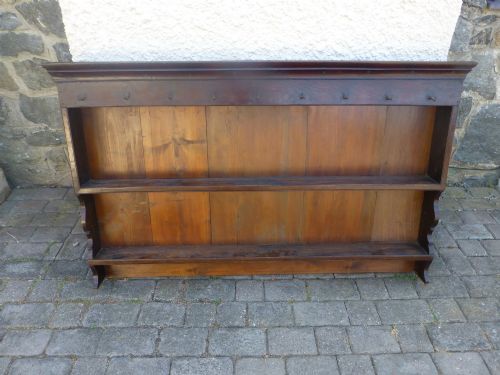
Georgian kitchen wall shelves are utilitarian storage units designed to hold domestic earthenware and plates securely against a wall. These pieces typically take the form of plate racks, hanging wall shelves, or dresser racks meant for kitchen organisation.
Most examples found here date from the 18th century, encompassing the Georgian period and the George III era around seventeen-fifty to seventeen-eighty. English country workshops produced these functional furnishings for everyday domestic use.
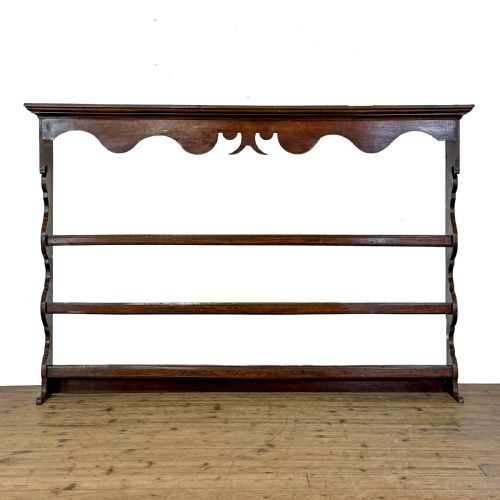
Buyers are most likely to meet sturdy oak or pine constructions featuring traditional slatted plate rails and occasionally fretwork details. These items reflect the straightforward domestic requirements of period kitchens.
How they were made
Craftsmen built these wall shelves primarily using solid oak and pine timbers sourced locally. Joinery methods relied on sturdy pegging and simple board construction to withstand the heavy weight of stacked ceramic plates and dishes.
Hardware such as iron and brass occasionally appeared on these racks for hanging or structural reinforcement. Workshops shaped the pine examples with decorative fretwork to add modest visual interest to otherwise utilitarian kitchen furniture.
Georgian Kitchen Wall Shelves Retail Price Guide 2026
Typical asking prices for georgian kitchen wall shelves among the pieces listed under this phrase on Sellingantiques today, from the lower quarter to the upper quarter. They describe what is for sale here now, not the wider market.
Some pine racks feature cheerful fretwork cut by hand, proving that 18th-century cooks appreciated a touch of decoration above the scullery sink.
What varies in quality
The standard of these shelves rests upon the quality of the timber selection and the integrity of the original construction. Pieces fashioned from thick, well-figured oak exhibit greater longevity and resilience than simpler pine variants.
Proportion and decorative restraint dictate the desirability of individual examples. Refined fretwork details and intact early hanging mechanisms elevate the status of a shelf above purely rustic utilitarian boards.
The Georgian Kitchen Wall Shelves Glossary
- Delft rack
- A wall-mounted wooden shelf specifically designed with wooden bars or rails to display tin-glazed earthenware plates upright. This form kept ceramics visible and accessible in 18th-century kitchens.
- Plate rack
- A functional shelving unit featuring vertical slats or rails to hold plates safely on display. These fixtures formed a standard part of Georgian kitchen storage.
- Fretwork
- Openwork ornamentation cut into wood using a thin saw, often seen along the crests of pine racks. This decorative touch lifted simple utilitarian furniture into domestic gentility.
- George III
- The period of British history spanning from seventeen-sixty to eighteen-twenty. Furniture from this era displays classic proportions and traditional English country craftsmanship.
Georgian Kitchen Wall Shelves: Frequently Asked Questions
What are Georgian kitchen wall shelves?
These are wooden storage fixtures built during the 18th century to hold ceramic plates and kitchenware in English homes.
They combine robust oak or pine boards with practical slatted rails designed for everyday domestic use.
How were these plate racks used?
Families hung them securely on kitchen walls to keep heavy earthenware plates organised, dry, and easily reachable during meal preparation.
The open design allowed damp dishes to air dry while displaying the household's ceramic collection.
How do I hang a heavy oak rack?
Due to the substantial weight of old oak timber and stacked ceramics, secure wall fixings into solid masonry or studwork are essential.
Professional installation ensures the original structural integrity of the antique frame remains safe under load.