
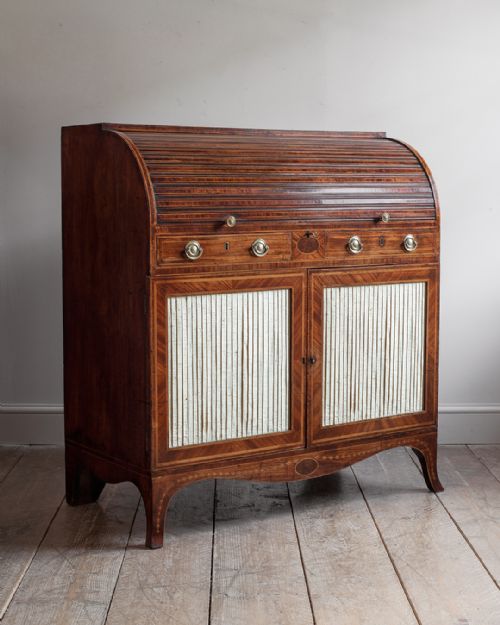
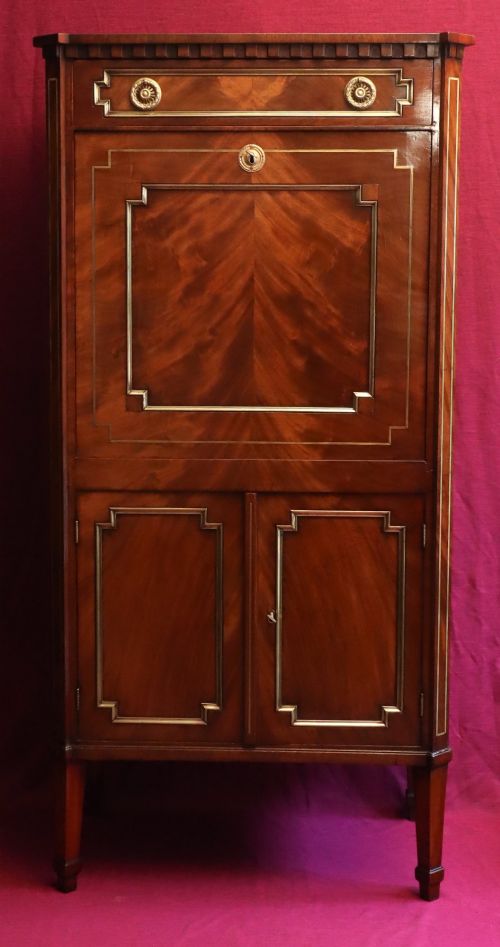
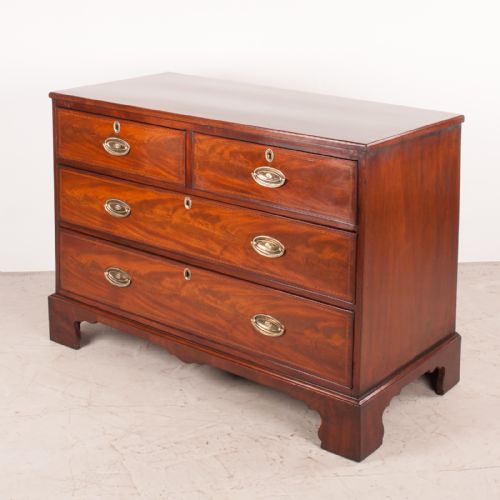
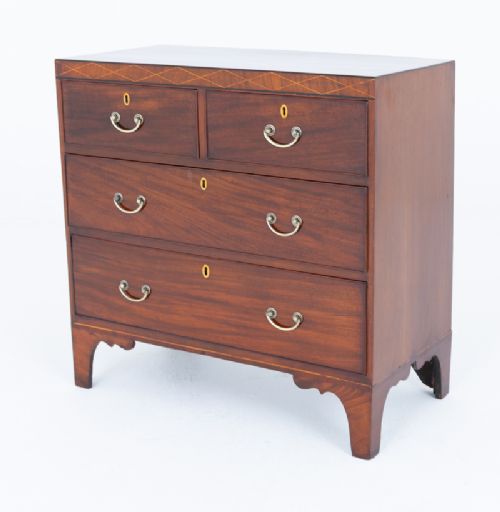



Georgian Inlaid Mahogany Bureau
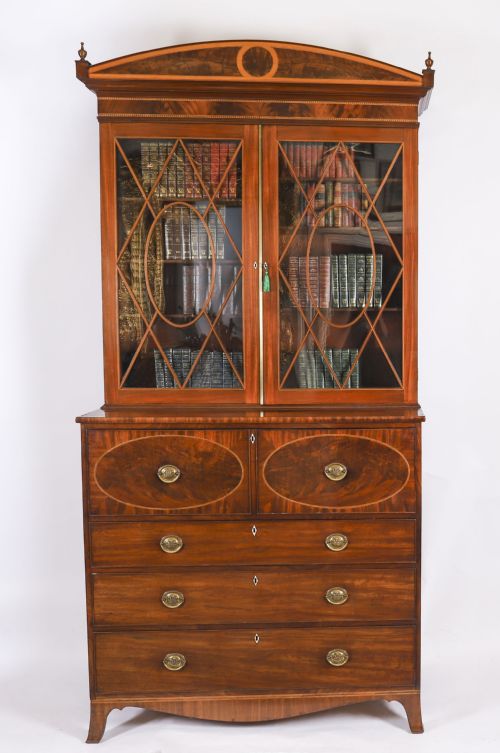
A georgian inlaid mahogany bureau brings architectural warmth to a room while offering a fitted drop-front writing surface.
Georgian Inlaid Mahogany Bureau
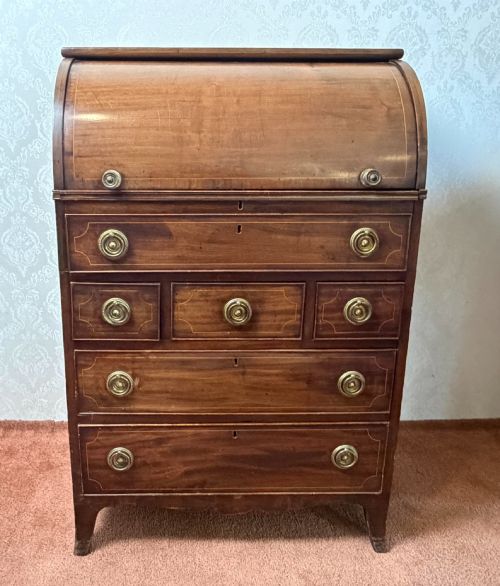
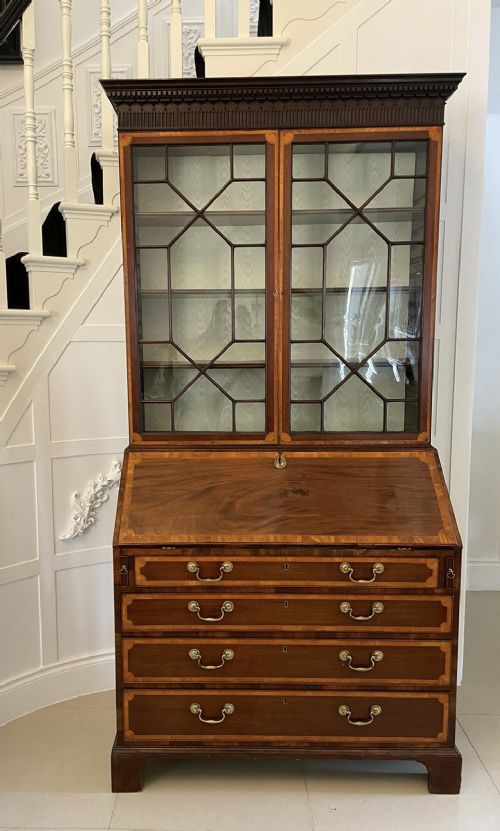
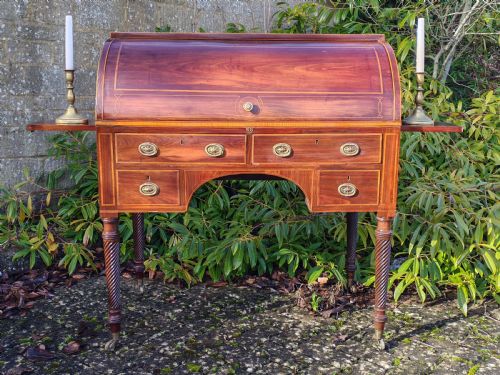
When you search for a georgian inlaid mahogany bureau, you encounter case furniture designed for correspondence and storage, spanning the eighteenth century through the Regency period and later revivals. The form typically pairs a fall-front writing flap with internal pigeonholes and small drawers, resting above graduated drawers.
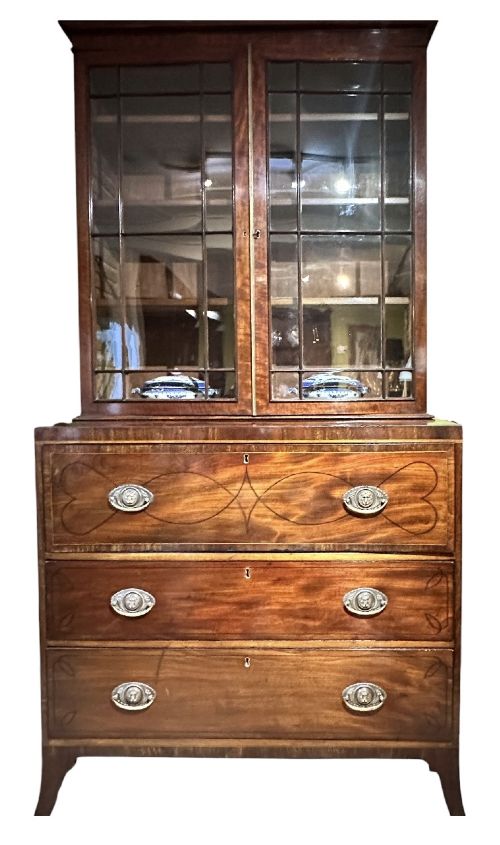
Bureau bookcases and secretaire bookcases appear frequently, extending the writing cabinet upward with glazed shelving for books. These pieces originate primarily from Georgian and Regency workshops, alongside Edwardian and later revival iterations reflecting Sheraton design vocabulary.
Materials and Technique
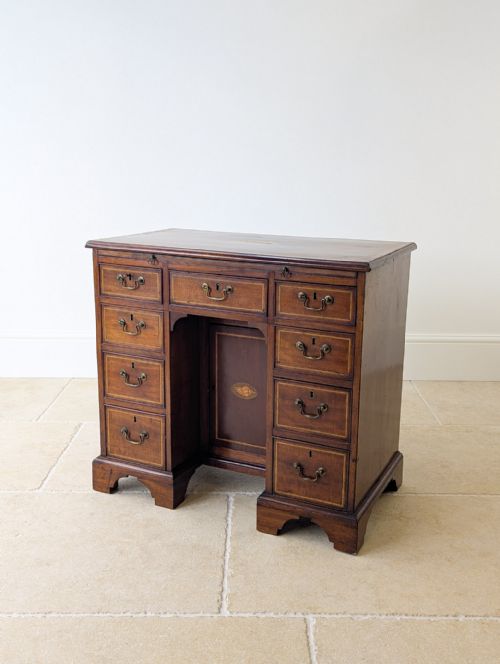
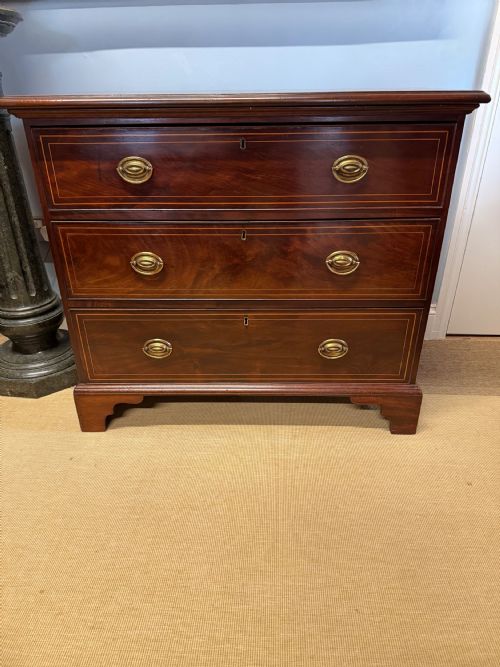
Cabinetmakers relied on solid mahogany and flame mahogany veneers, often enhanced by contrasting satinwood, boxwood, and partridgewood line inlay. Secondary timbers such as oak lined internal drawers.
Brass handles, glass panes, and occasionally leather writing inserts completed the construction, while cylinder mechanisms and tambour shutters provided alternative enclosures for writing surfaces.
Listings feature mahogany, satinwood, brass, and leather across Georgian, Regency, and Edwardian periods.
Judging Quality
Quality rests in the selection of timber figures, such as dense flame mahogany and neatly contrasted satinwood stringing, compared to plainer surfaces. The precision of the inlay work and the internal joinery of the fitted compartments distinguish finer examples.
Proportion and scale dictate the visual success of the piece, where smaller writing desks or well-balanced bureau bookcases demonstrate superior cabinetmaking relative to heavier, unrefined proportions.
Mawer and Stephenson
The Georgian Inlaid Mahogany Bureau Glossary
- Bureau
- A writing desk featuring a sloping fall-front that opens to reveal internal drawers and pigeonholes. It serves as both a writing surface and a chest of drawers.
- Inlay
- A decorative technique where contrasting woods like satinwood or boxwood are set into the mahogany surface to create geometric lines or motifs.
- Secretaire bookcase
- A tall cabinet combining a fitted writing drawer or fall-front desk with upper shelving enclosed by glass doors. It merges a bookcase with a writing workstation.
- Tambour
- A sliding shutter constructed from narrow vertical strips of wood glued to a canvas backing, allowing it to curve around cylinders in desks. This mechanism conceals the writing surface.
- Flame mahogany
- Timber cut from the fork of the mahogany tree to produce a distinctive, flamy grain pattern. Cabinetmakers reserved this veneer for principal drawer fronts and falls.
Georgian Inlaid Mahogany Bureau: Frequently Asked Questions
How do I use a bureau?
Drop the hinged writing flap to reveal the internal pigeonholes and small drawers for storage and correspondence. When finished writing, fold the flap upward to conceal the workspace.
The lower drawers remain accessible for general storage regardless of whether the writing flap is open or closed, maintaining the piece's function as a chest of drawers.
Where did these desks originate?
These writing pieces originate primarily from British workshops dating from the eighteenth and nineteenth centuries. Cabinetmakers constructed them for domestic studies and reception rooms.
Later examples reflect Edwardian and twentieth-century revivals inspired by George III and Sheraton aesthetics.
How do I tell periods apart?
Georgian and George III pieces display restrained proportions, bracket feet or ogee feet, and subtle satinwood stringing. Regency and later nineteenth-century examples often incorporate bolder brass mounts and cylinder tops.
Revival pieces from the Edwardian era adopt lighter Sheraton vocabulary with refined satinwood inlay on mahogany carcases.
What is satinwood inlay?
Satinwood inlay involves embedding light-coloured exotic timber into channels carved within darker mahogany surfaces. This technique creates contrasting geometric borders and decorative motifs.
Boxwood and partridgewood also appear alongside satinwood to accentuate drawer margins and fall-front edges.