






Georgian Swan Neck Handles
Georgian swan neck handles belong to classic eighteenth and nineteenth century chests of drawers and tables, bringing authentic period character to any room.
Georgian Swan Neck Handles
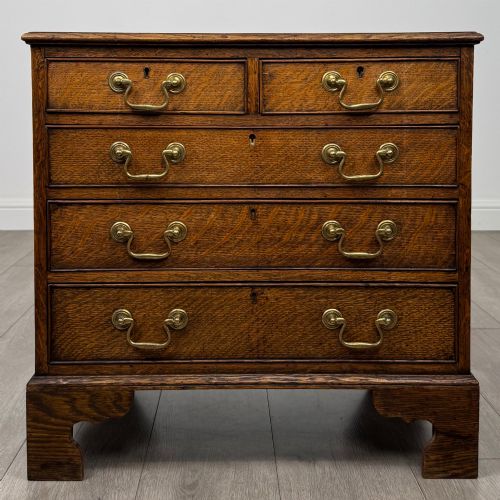
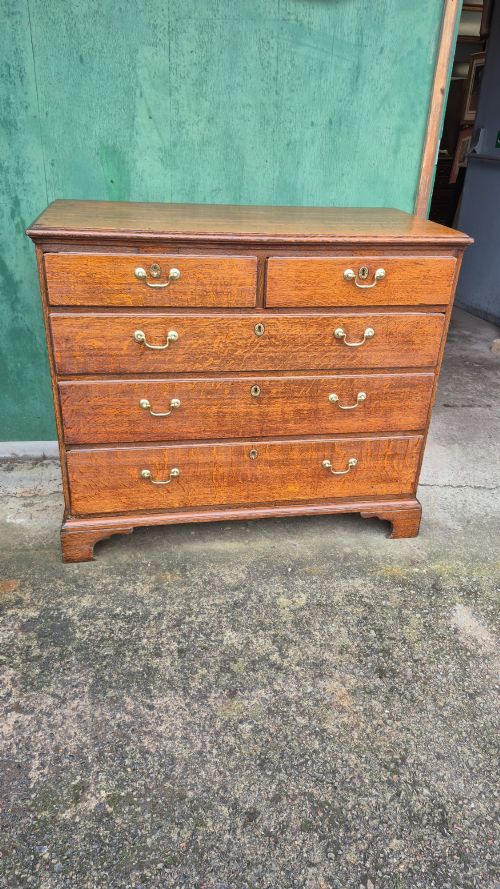
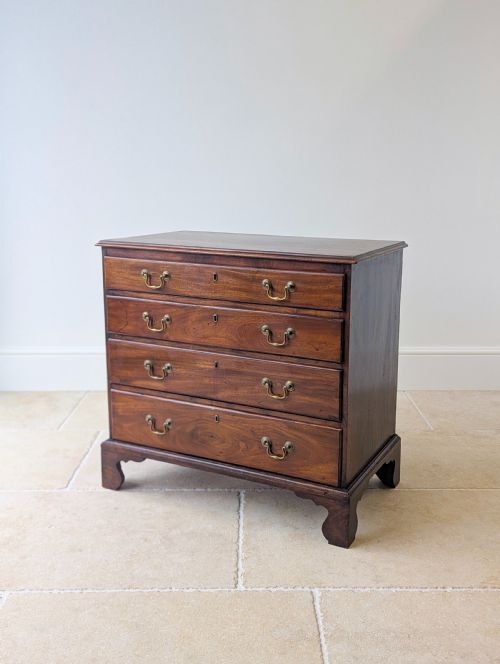
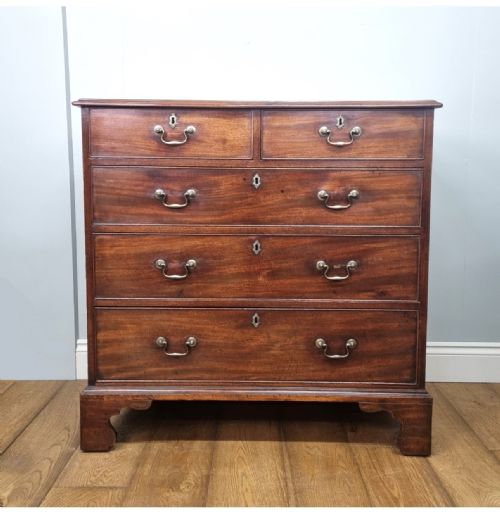
When you search for georgian swan neck handles, you find traditional brass hardware fitted to eighteenth and nineteenth century chests of drawers, side tables and chests on chests. These shaped handles add period proportion and historical integrity to mahogany, oak and serpentine furniture.
The versions you meet most often on this page appear on George III mahogany and oak drawer units, including small proportions, cross banded pieces and serpentine fronts. They sit alongside pedestal pembroke tables and occasional side tables from the same eras.
Such hardware forms an integral part of period case furniture originating from the seventeen fifties through to the nineteenth century. They define the aesthetic of formal and provincial English cabinet work alike.
How they were made
The brass hardware is cast or beaten into smooth, double-curved shapes resembling a swan's neck, then secured through the drawer front with threaded posts and interior nuts or pins. These metal mounts accompany cabinet work constructed from solid mahogany, golden oak and Cuban mahogany.
Cabinet makers combine these brass fittings with secondary timbers like oak for drawer linings, applying wood inlay, line inlay and cross banding to enhance the exterior surfaces. Drawers frequently feature ogee feet, brushing slides and structural divisions suited to domestic storage.
Georgian Swan Neck Handles Retail Price Guide 2026
Typical asking prices for georgian swan neck handles among the pieces listed under this phrase on Sellingantiques today, from the lower quarter to the upper quarter. They describe what is for sale here now, not the wider market.
Every swan neck handle nods gently toward the bird it mimics, keeping watch over your socks for centuries.
What varies in quality
Quality rests on whether the brass hardware remains original to the piece or constitutes a later replacement. Original brasses show appropriate casting texture, wear patterns and matching patination consistent with the surrounding timber.
The standard of cabinet making sets the higher end apart, visible in solid mahogany or oak construction, fine drawer linings, and refined details such as serpentine fronts, ogee feet and precise wood inlay.
The Georgian Swan Neck Handles Glossary
- Swan neck handle
- A double-curved brass handle mounted on two vertical backplates popular in the eighteenth century. This design provides a secure grip while offering an elegant silhouette.
- Serpentine
- A front profile curving convexly in the centre and concavely at the ends. This shape demands considerable skill from the cabinet maker.
- Cross banding
- A narrow strip of veneer laid across the grain of the primary surface to form a border. It creates a neat visual frame on drawer fronts.
- Ogee feet
- An S-shaped bracket foot moulding supporting the base of a chest. This form lifts the carcass off the floor with a subtle curve.
- Brushing slide
- A pull-out shelf integrated above the top drawers of a chest. It acts as a writing or dressing surface.
Georgian Swan Neck Handles: Frequently Asked Questions
Are these handles original to the furniture?
Many pieces retain their original brass hardware, though some replacement mounts appear across eighteenth and nineteenth century items. Original fixtures show matching patination and appropriate wear around the fixing points.
Examining the interior of the drawer front helps reveal whether the mounting holes match the current brass backplates without unnecessary previous plugging.
What timber species are used?
Primary woods include mahogany, Cuban mahogany, golden oak and solid oak with occasional wood inlay decoration. Secondary timbers like oak appear frequently in drawer linings.
Different cuts of timber produce varied grain patterns, from straight-grained mahogany to richly figured oak drawer fronts.
How do I care for period brass?
Period brass requires minimal intervention to preserve its aged surface and historical patination. Gentle dusting keeps the metal free from abrasive particles.
Harsh commercial metal polishes remove the aged dark tones that collectors value on eighteenth century hardware.
Where were these pieces placed?
Chest of drawers and chests on chests stood primarily in bedrooms and dressing rooms for storing garments. Side tables and pembroke tables functioned in parlours and reception rooms.
Their compact proportions allowed them to fit neatly against walls in domestic interiors of various scales.