



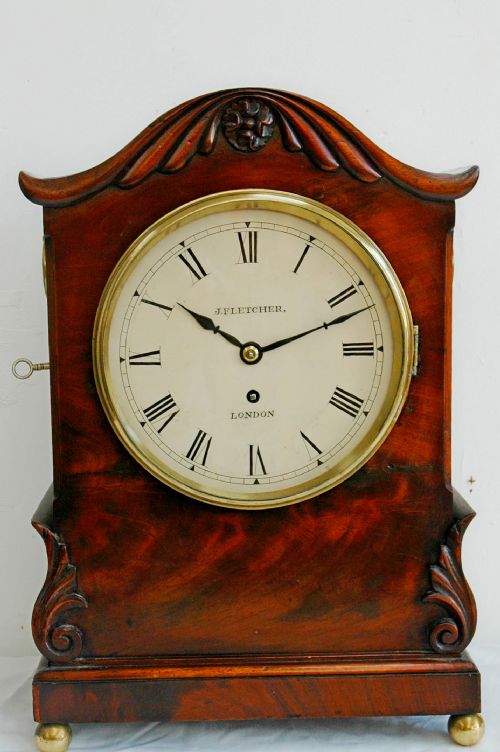
Georgian Horology
When you examine georgian horology, you encounter mechanical timepieces spanning longcases, wall clocks and pocket watches driven by brass, wood and steel.
Georgian Horology
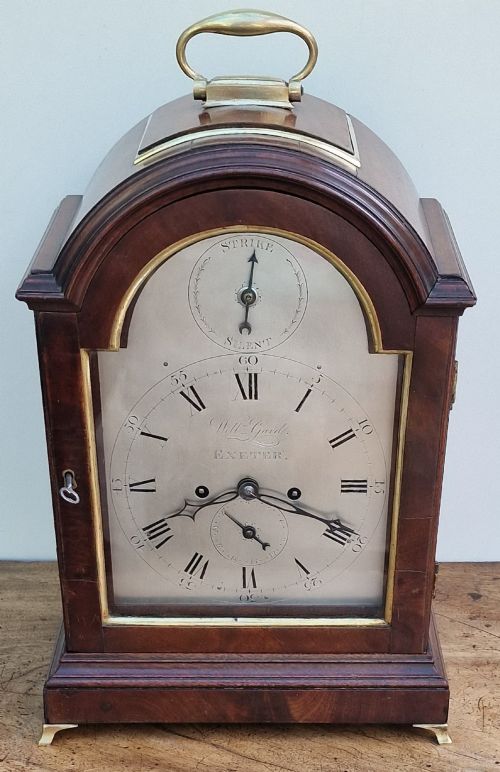
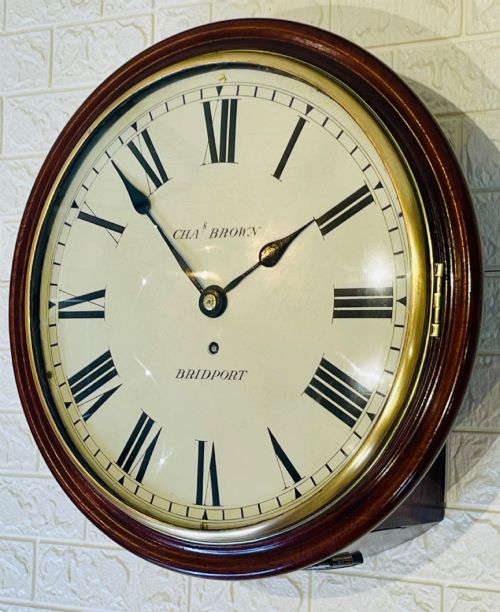
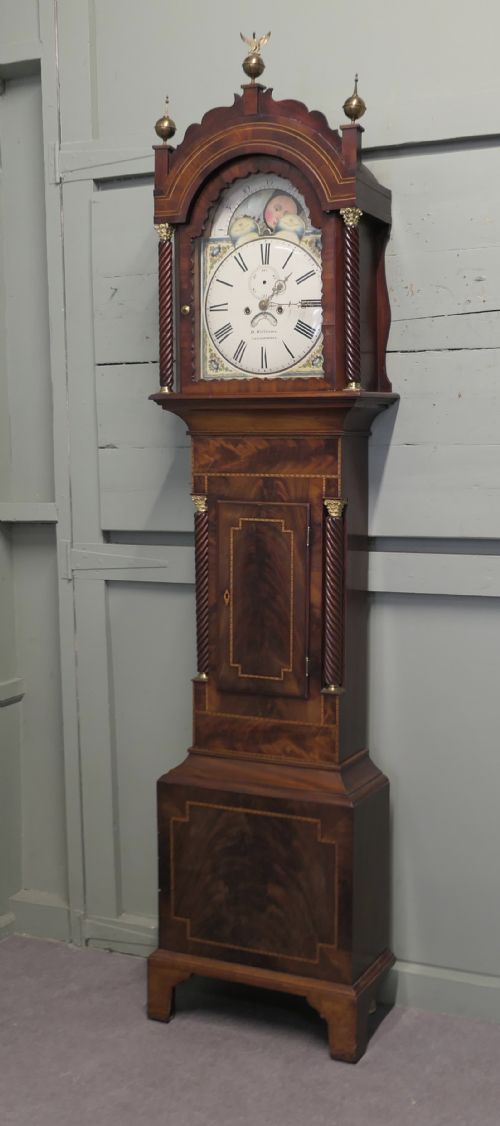
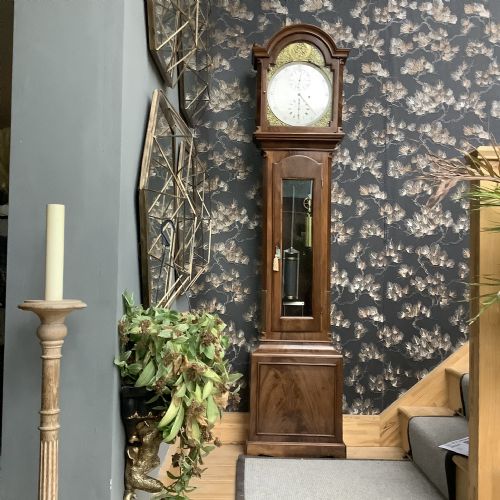
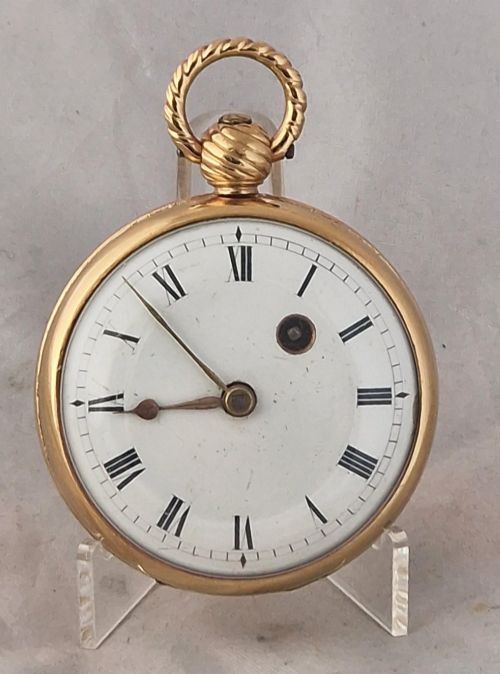
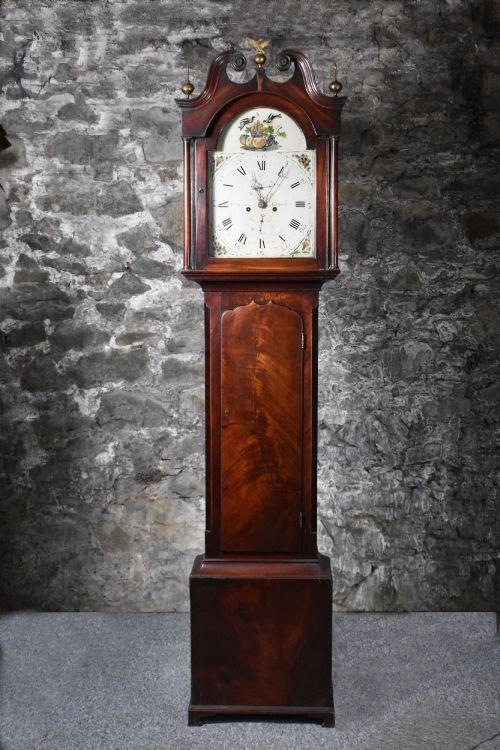
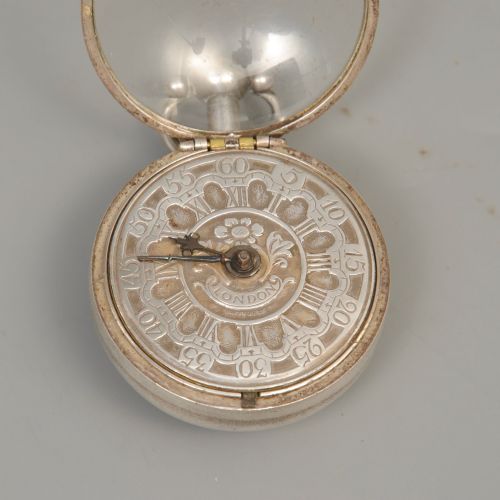
When you search for georgian horology, you look at mechanical timepieces created primarily during the eighteenth and early nineteenth centuries. The examples on this page span substantial floor-standing longcases, bracket clocks, wall dials and delicate silver pocket watches.
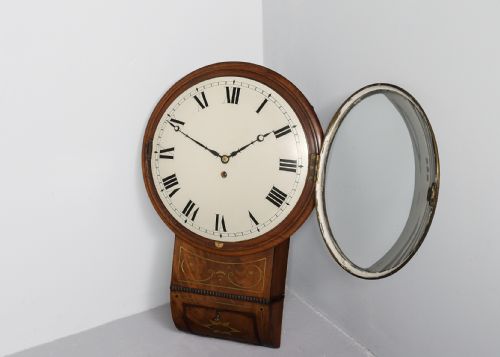
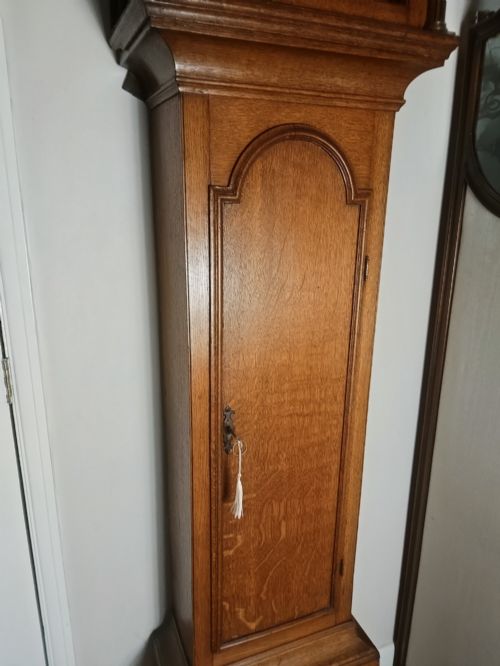
Longcase clocks dominate the larger forms, constructed in oak or mahogany with brass dials, while bracket and wall clocks provide more compact timekeeping. Pocket watches in silver pair cases represent the portable side of this mechanical discipline.
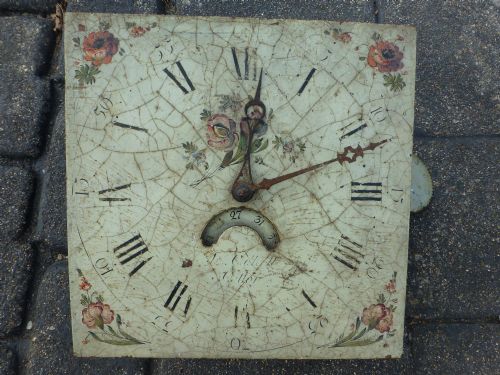
The period encompasses work from London specialists alongside provincial makers operating across England, Scotland and Wales. Dial variations include painted scenes, lunar phases and traditional roman numerals.
Materials and Construction
Makers utilised timber such as mahogany, oak and kingwood for casework, housing brass movements fitted with steel wheels, pinions and escapements. Fusee mechanisms appear frequently, ensuring even tension across the drive train as the mainspring unwinds.
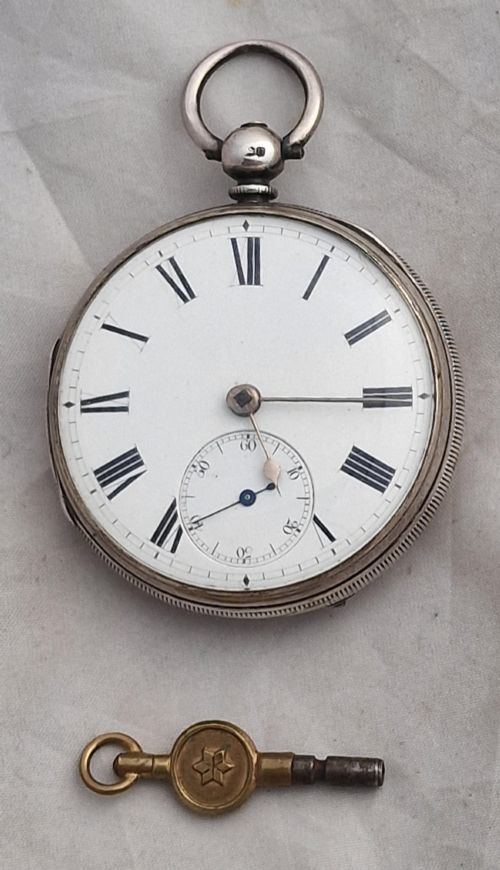
Dials combine engraved brass, painted iron and occasionally wood, protected by glass bezels and housed in cases finished with brass inlay or ebony details. Pocket watches employ silver pair cases, horn and enamel to safeguard delicate verge or fusee movements.
One pocket watch dial records a painted ship leaving port while a clock mechanism tracks high water lunar phases.
Distinctions in Execution
The sophistication of the movement and the crispness of the brass engraving dictate the standing of an individual clock or watch. Finer workshop production displays precise wheel-cutting and well-finished escapements that maintain accurate time over centuries.
Cabinetwork quality separates standard regional pieces from premier metropolitan examples, visible in the selection of figured mahogany, precise brass inlay and proportion. Dial artistry, whether through detailed moonphase mechanisms or hand-painted naval scenes, also marks superior output.
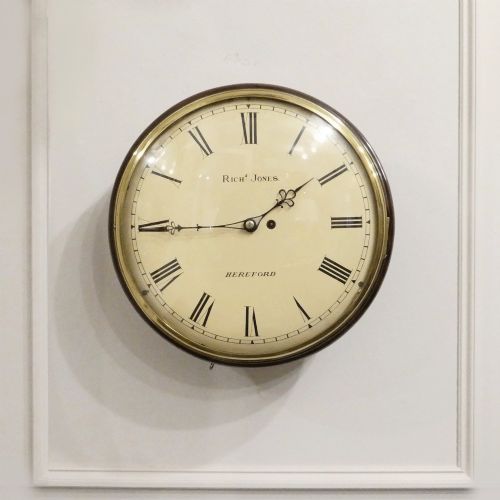
Richard Jones of Hereford·William Gard·Mappin & Webb·D Williams of Crickhowell·Henry Weedon London·L. Vick of Stroud·Turner of London·John Witherston·Benj Reeves Lamberhurst·J Wilders London·John Waller·William Barrow·Henry Deykin·Whitelaw of Edinburgh
The Georgian Horology Glossary
- Fusee
- A conical pulley used with a cord or chain to equalize the torque of the mainspring as it unwinds. This mechanism ensures consistent force is delivered to the gear train.
- Verge escapement
- An early type of escapement utilising a crown wheel and a rod with pallets. It governs the release of power in many 18th-century clocks and pocket watches.
- Pair cased
- A pocket watch design featuring an inner case that holds the movement and a protective outer case covered in fishskin, horn or precious metal.
- Strike and silent
- A mechanism allowing the striking train of a clock to be disengaged so the piece chimes silently. It is often found on better bracket and longcase clocks.
- Lantern clock
- An early brass chamber clock driven by weights, featuring an open bell top and side frets. They represent some of the earliest domestic mechanical timekeepers.
Georgian Horology: Frequently Asked Questions
What is a fusee movement?
A fusee is a conical pulley connected to the mainspring via a chain or cord, designed to maintain even power delivery as the spring relaxes.
This clever mechanical device compensates for the dropping tension of the unwinding spring, helping the clock or pocket watch keep more accurate time.
How do I wind a longcase clock?
Longcase clocks are typically wound using a crank key inserted into winding holes on the dial face, which raises the hanging weights inside the trunk.
Care must be taken not to overwind the mechanism, stopping as soon as resistance is felt on the key.
What is a pair cased watch?
A pair cased watch uses two separate enclosures, an inner case protecting the movement and a removable outer case lined with fabric or horn.
This style was common in the eighteenth century to shield delicate verge movements from dust and pocket debris.
How do I tell an 18th century clock from a later one?
Examining the dial construction, brass work and cabinetry style reveals the period, with earlier pieces often featuring engraved brass chapter rings and simpler movement layouts.
Signatures inscribed directly onto the brass dial or movement backplate frequently point to the original maker and approximate date of manufacture.