

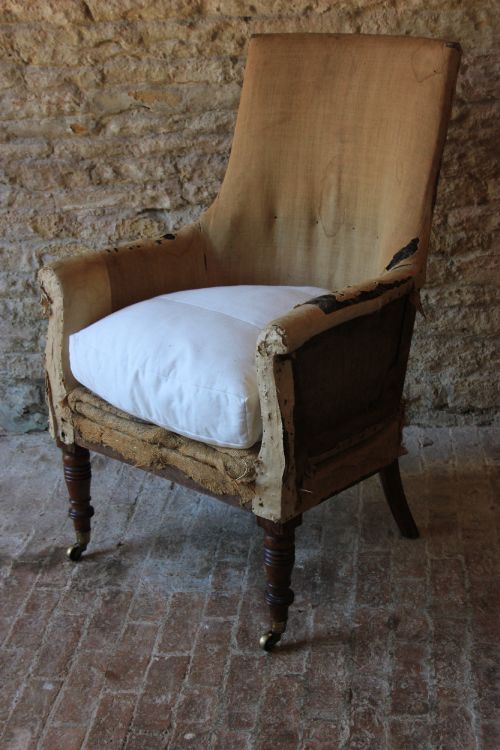
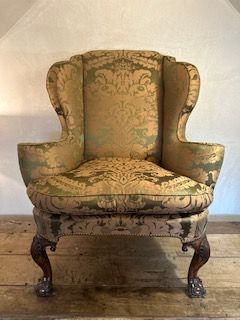
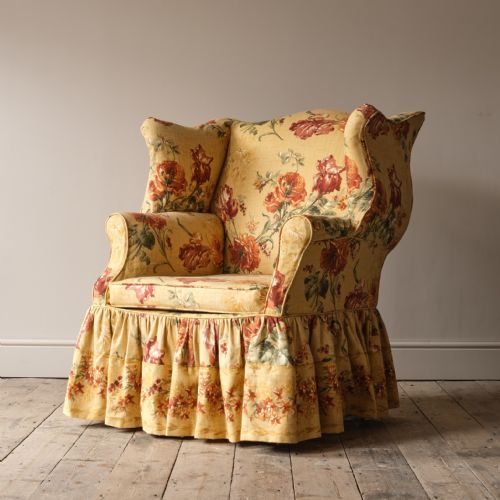
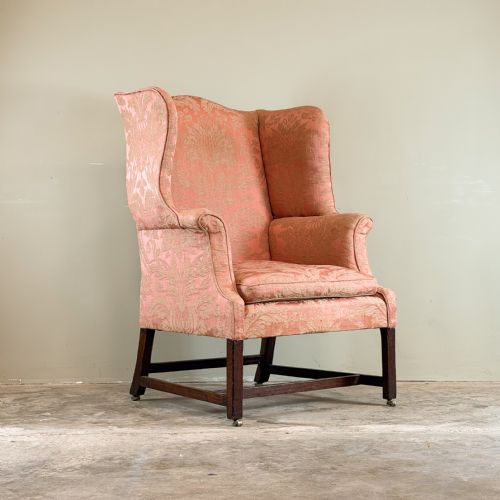
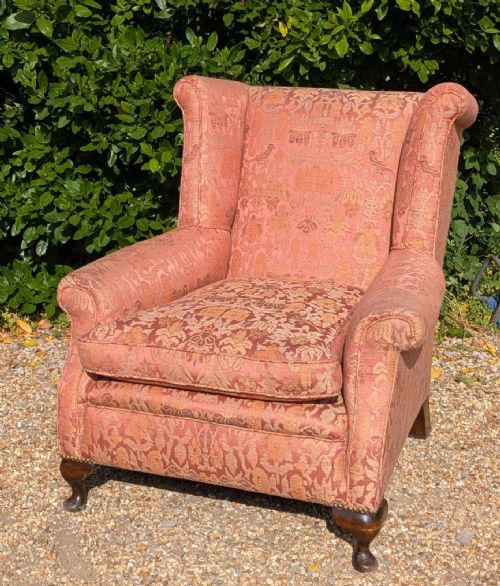
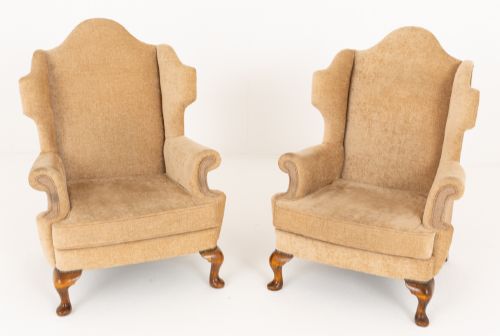
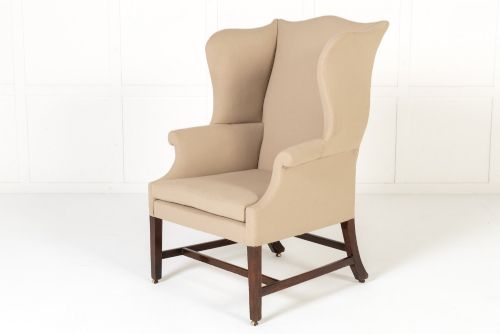
Georgian High Back Armchair
A georgian high back armchair offers substantial support and presence, bringing traditional comfort and distinct period character to a room.
Georgian High Back Armchair
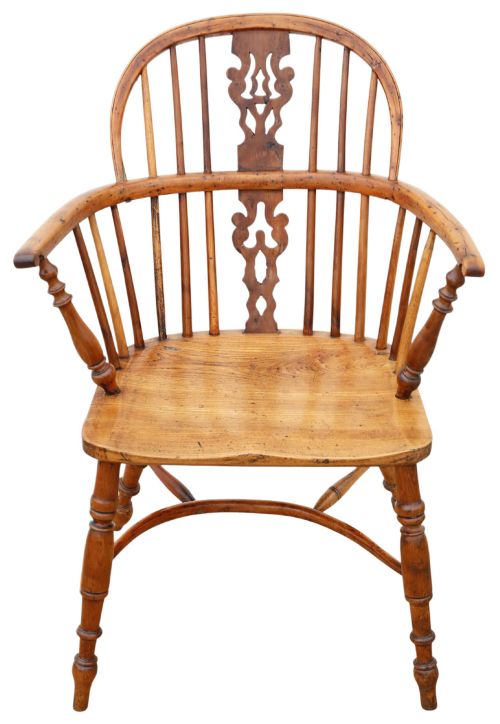
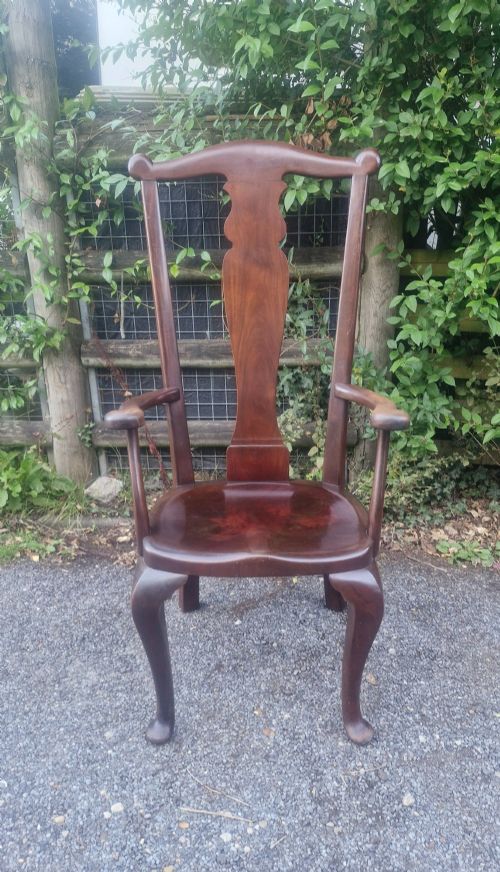
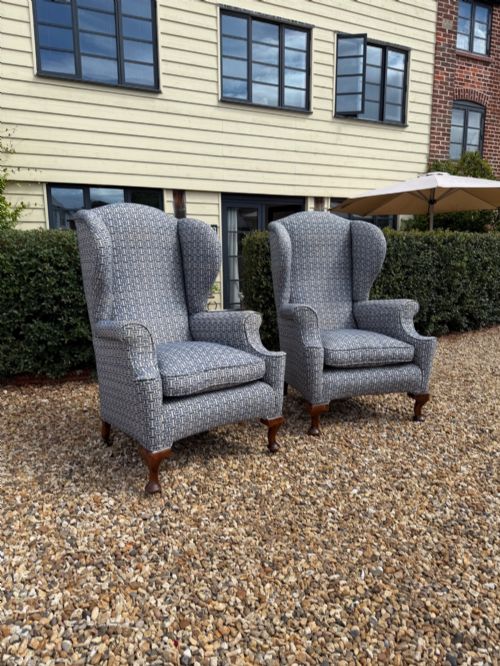
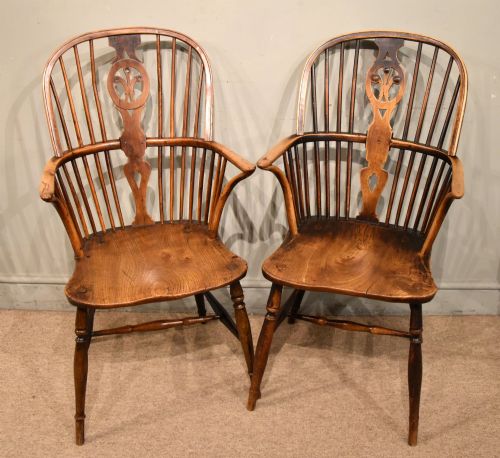
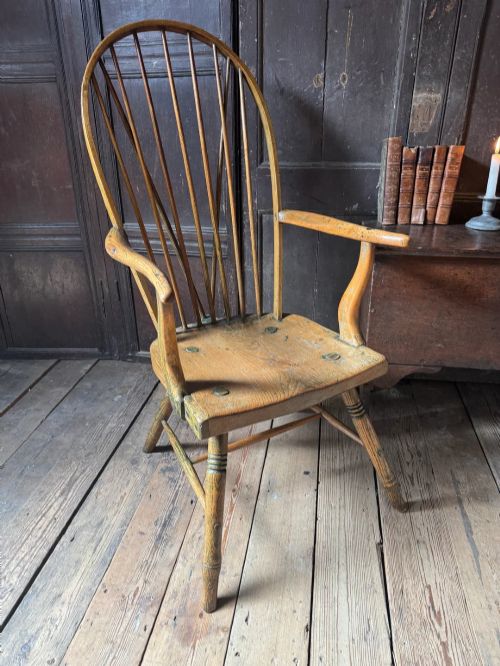
A georgian high back armchair encompasses robust wingback designs and tall Windsor forms originating from the eighteenth century alongside later revivals. Buyers encounter substantial seating featuring tall upright backs designed to shield occupants from draughts.
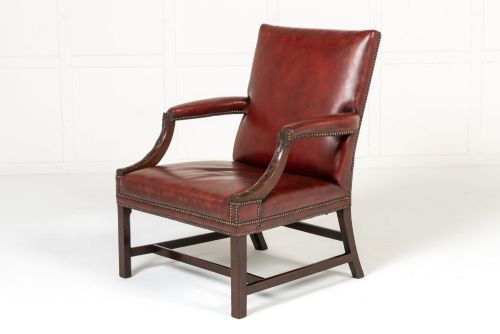
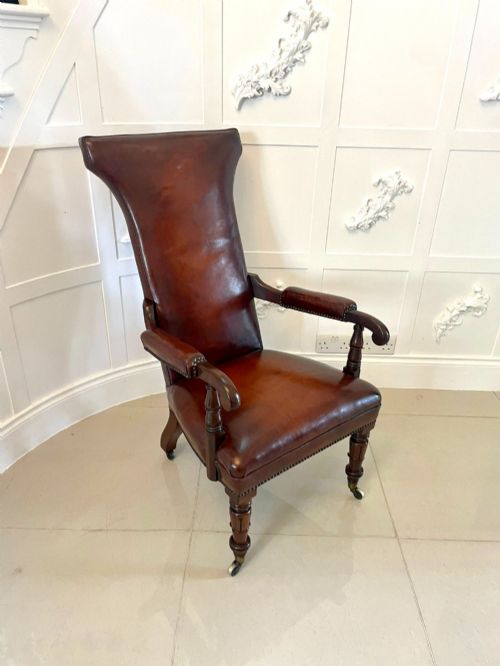
The selection ranges from vernacular country styles in timber to formal upholstered library and Gainsborough seating. Examples span eighteenth-century originals through nineteenth-century interpretations up to twentieth-century revivals.
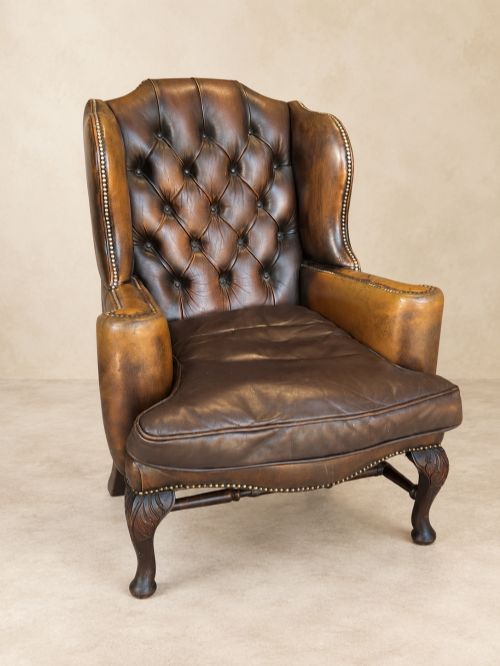
Forms include comb-back and hoop-back Windsor variations alongside leather-upholstered wing chairs resting on cabriole or straight legs. Regional pieces, including Welsh and Thames Valley designs, frequently appear alongside standard English country types.
Materials and Construction
Frames rely heavily on timbers such as mahogany, elm, ash, yew, and walnut, chosen for structural strength and grain. Cabinetmakers and country artisans combined these woods in single pieces, utilising elm seats and ash or yew spindles for Windsor forms.
Upholstered versions employ internal webbing and traditional stuffing materials beneath leather, fabric, velvet, or chenille coverings. Frame joints depend upon traditional pegging, mortise and tenon techniques, and sturdy brass or wooden fittings where appropriate.
High backs were originally designed to trap fireplace heat around the head, effectively serving as personal central heating for ancestors.
Judging Quality and Proportion
Quality rests upon the integrity of the timber frame, the balance of the proportions, and the authenticity of period components. Superior examples maintain original timber surfaces and unaltered structural framing without excessive replacement of parts.
Finer seating displays careful attention to carved detail on legs and arms, such as cabriole shaping or precise turning on spindle backs. The harmony between the height of the back and the sweep of the wings dictates the visual success of the piece.
Howard And Sons
The Georgian High Back Armchair Glossary
- Wingback
- An upholstered armchair featuring side panels designed to deflect cold draughts. These protective wings merge into low arms.
- Windsor Chair
- A wooden seating form constructed with a solid sculpted seat into which legs and spindles are directly wedged. The back incorporates a central splat or multiple slender spindles.
- Gainsborough Chair
- An open-framed armchair with upholstered seat and armrests standing on short legs. These chairs typically served libraries and desks during the eighteenth century.
- Comb Back
- A Windsor variant where the top rail resembles the spine of a comb, held by vertical spindles rising from the main back bow. This design provides robust upper back support.
- Cabriole Leg
- A furniture leg curving outward at the knee and tapering inward toward the foot. This shape echoes animal limbs and frequently terminates in pad or claw feet.
Georgian High Back Armchair: Frequently Asked Questions
How do I identify an original eighteenth-century chair?
Examine the timber patination, construction pegging, and tool marks beneath the seat or inside the frame. Eighteenth-century pieces display hand-worked surfaces and signs of age consistent with period joinery.
Compare the proportions and wood species against documented examples from the same region. Secondary timbers used in the internal framing often provide clues to the true age.
Where should I place a high back chair?
These tall chairs suit corners, beside fireplaces, or anchoring reading spaces where their height provides a strong visual anchor. Their enclosed backs create an intimate seating area away from room draughts.
Ensure adequate surrounding space so the wings and high back do not crowd smaller furniture. They function effectively as statement pieces in studies, libraries, and drawing rooms.
How do I care for leather upholstery?
Keep leather furniture away from direct sunlight and heat sources to prevent drying and cracking. Dust regularly with a soft, dry cloth to remove surface particles.
Apply suitable leather conditioners periodically to maintain suppleness. Avoid harsh chemical cleaners that strip natural oils from antique hides.