



Georgian Hand Painted Ceramic Urn
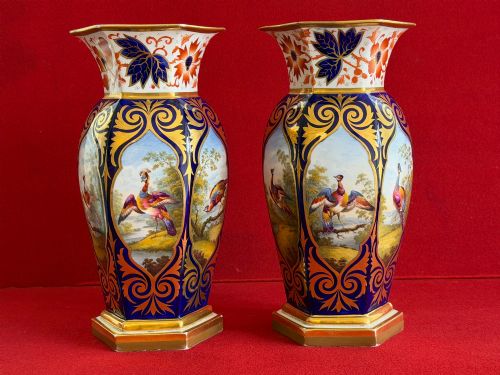
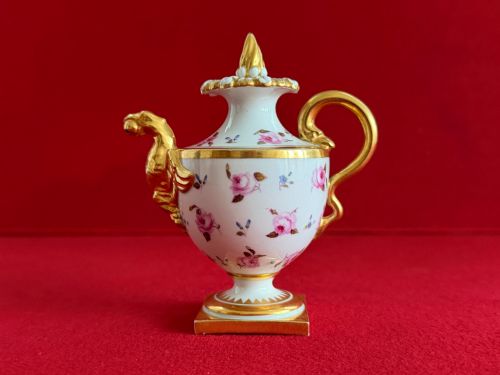
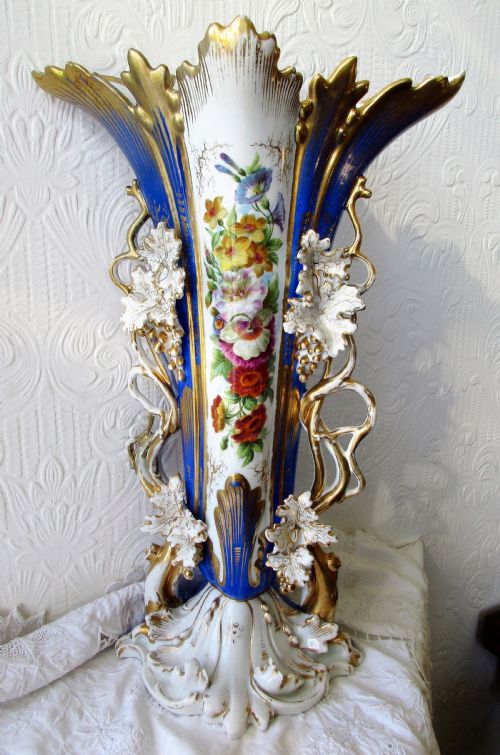
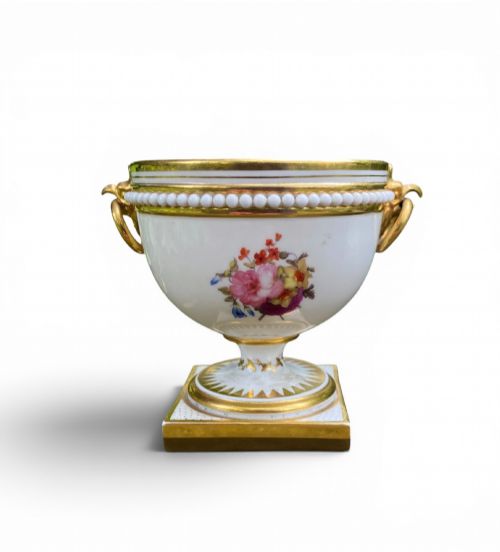
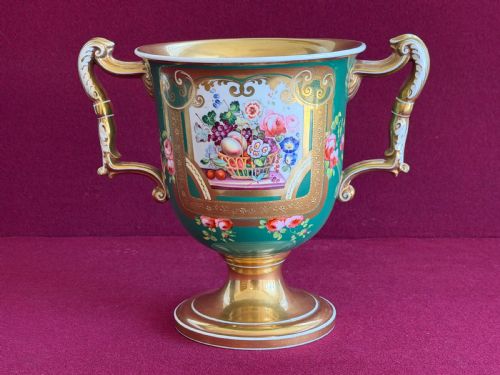
A georgian hand painted ceramic urn brings painted porcelain and earthenware into a room, offering classic form and floral or chinoiserie detail.
Georgian Hand Painted Ceramic Urn
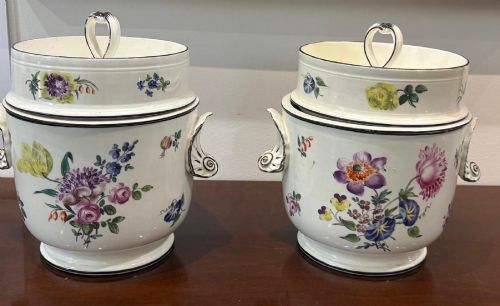
When you search for a georgian hand painted ceramic urn, you encounter vessels that span the eighteenth and nineteenth centuries, including the Regency period. The selection includes vases, ice pails, jardinières, loving cups, bough pots, and table lamps.
These pieces emerge from English and Dutch traditions, taking forms such as the classical Warwick vase shape, two-handled vessels, and Delft jars. Production encompasses porcelain, creamware, ironstone, and tin-glazed earthenware.
Makers and factories of the era decorated these ceramic bodies with hand-applied motifs, gold leaf, gilding, and enamel work. The designs range from neoclassical subjects to Chinoiserie scenes and floral compositions.
Materials and methods
Potters shaped these vessels from refined ceramic bodies including soft-paste and hard-paste porcelain, creamware, and tin-glazed earthenware. Artisans then applied manual painting techniques using enamel colours alongside gold leaf and gilding.
Some forms incorporate additional elements such as brass components or tin-glazing typical of Dutch Delftware production. Kiln firing fixed the painted pigments and glazes to the clay body before final finishing.
Listings feature porcelain, creamware, ironstone, and tin-glazed earthenware across Georgian and Regency periods.
Evaluating quality and execution
Quality rests in the crispness of the ceramic form and the precision of the hand-painted decoration. Finer pieces display detailed brushwork by named painters or established factory standards, whereas simpler items show more robust, everyday execution.
The application of gold leaf and enamel work distinguishes standard production from exceptional factory output. Preservation of the painted surface and original form also determines the standing of an individual vessel.
Flight, Barr and Barr·Barr, Flight and Barr·H and R Daniel·Miles Mason·Spode
The Georgian Hand Painted Ceramic Urn Glossary
- Creamware
- A refined earthenware with a pale yellowish-buff glaze developed in England during the eighteenth century.
- Chinoiserie
- European decorative motifs inspired by Chinese art and design, popular on ceramics of this period.
- Tin-Glazed Earthenware
- Pottery coated with an opaque white tin glaze that accepts painted enamel decoration directly.
- Bough Pot
- A decorative vessel designed to hold cut branches or flowers for interior display.
- Warwick Vase
- A classical vase shape modelled on a famous ancient Roman marble discovery, widely reinterpreted in English porcelain.
Georgian Hand Painted Ceramic Urn: Frequently Asked Questions
What is a georgian hand painted ceramic urn?
These are decorative ceramic vessels produced during the Georgian and Regency periods, painted by hand with floral or scenic motifs.
They include vases, ice pails, and bough pots made from porcelain, creamware, or earthenware.
How were these ceramic urns used originally?
Many served as decorative garniture on mantelpieces or side tables in grand interiors, while specific forms held ice at dining tables or displayed cut flowers.
Larger vessels functioned purely as ornamental art pieces within domestic display settings.
How do I care for an antique ceramic urn?
Keep painted ceramics out of direct sunlight to prevent enamel fading, and dust them gently with a soft, dry cloth.
Avoid using water or cleaning solutions on antique gilded or hand-painted surfaces.
How do I tell Regency pieces from earlier Georgian items?
Regency ceramics often feature sharper neoclassical forms like the Warwick vase, alongside brighter enamel palettes and gilt highlights.
Earlier eighteenth-century pieces tend toward softer creamware bodies, Delftware tin-glazing, or hand-painted floral panels.