
Georgian Hall Desk
When you want a georgian hall desk, you are looking at utilitarian tables and supportive chairs shaped by eighteenth and early nineteenth century hands.
Georgian Hall Desk
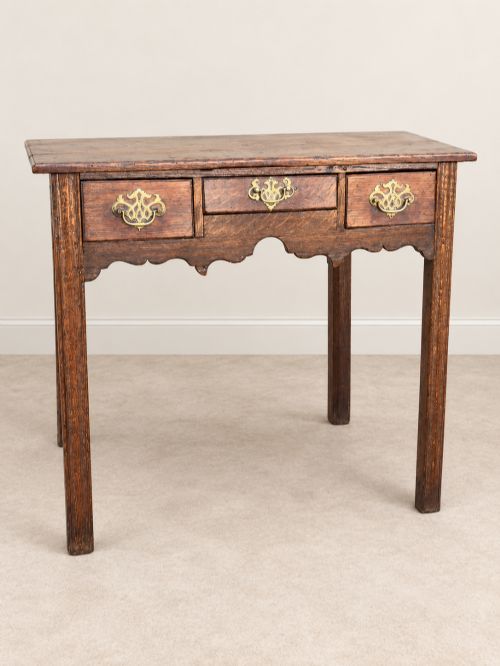
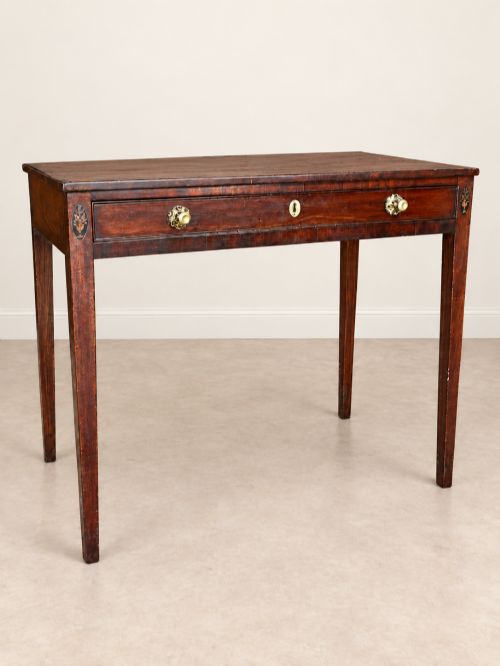
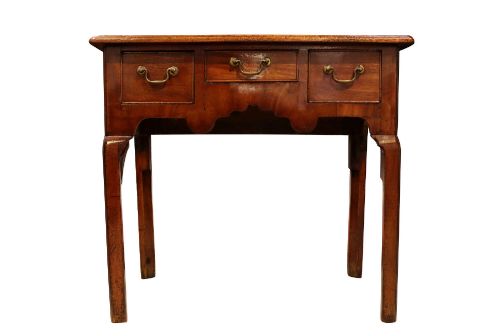
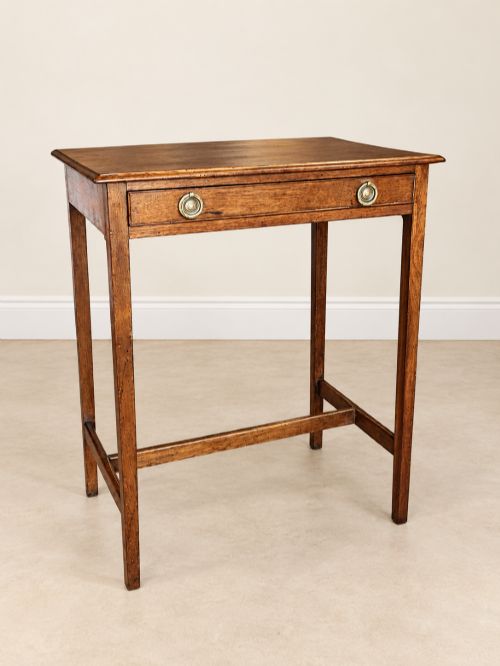
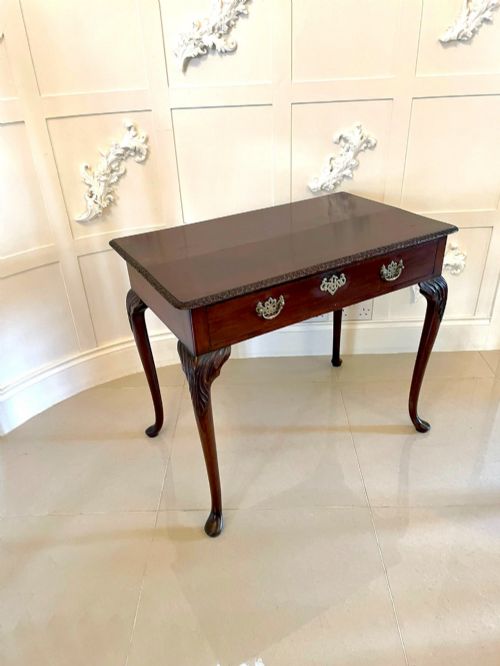
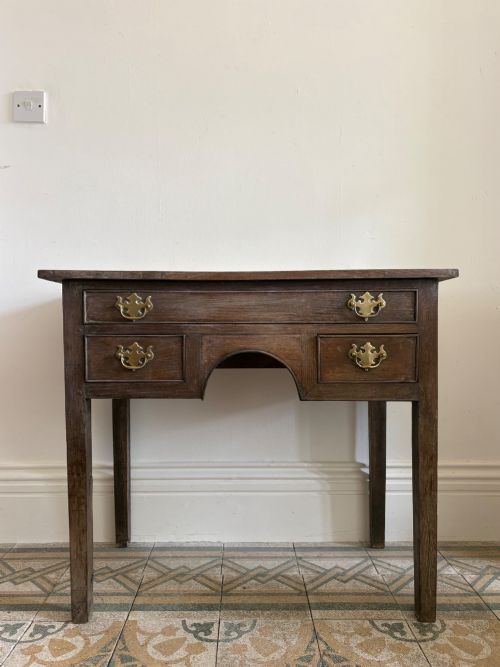
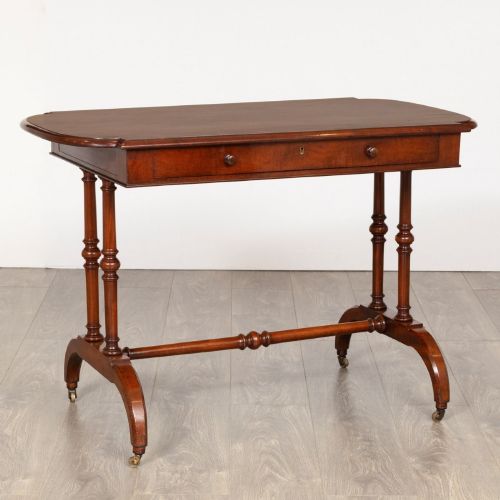
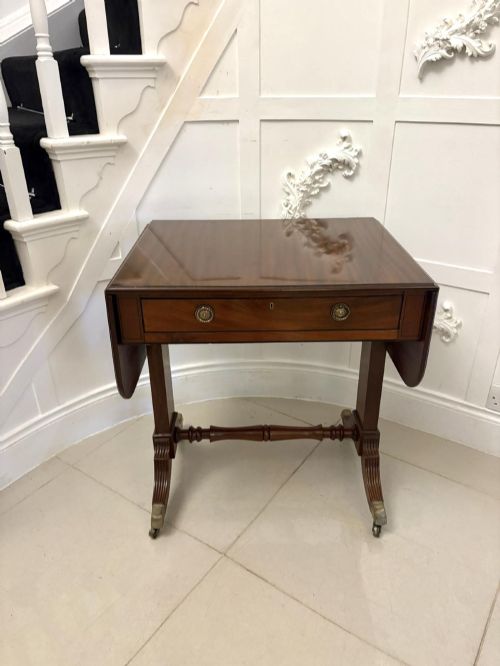
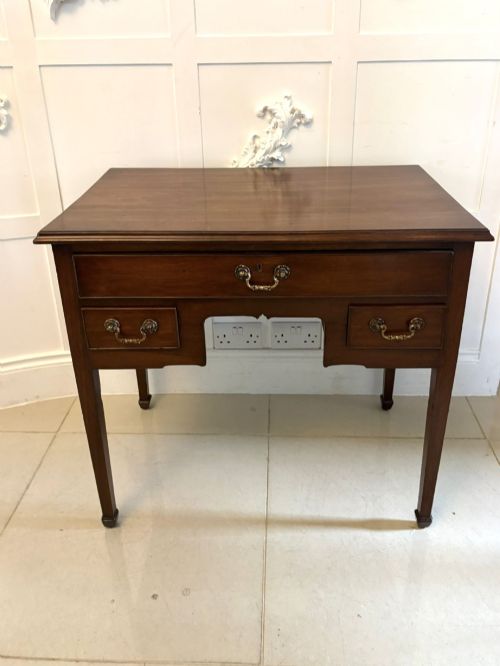
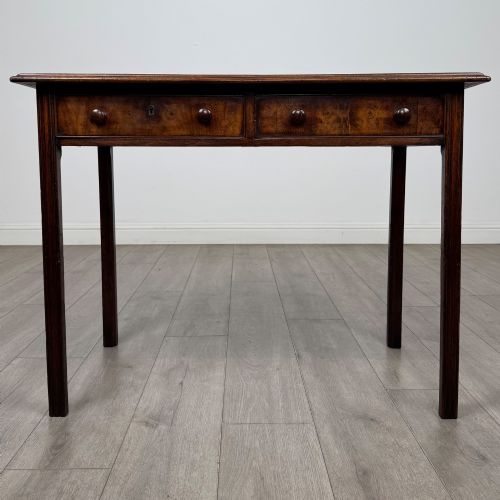
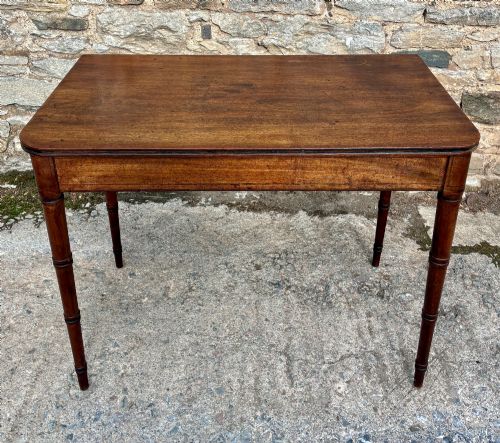
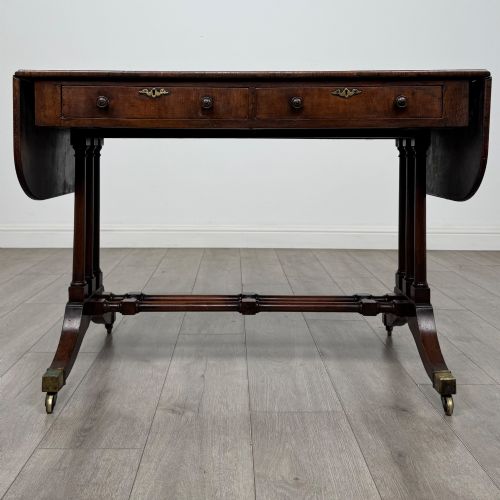
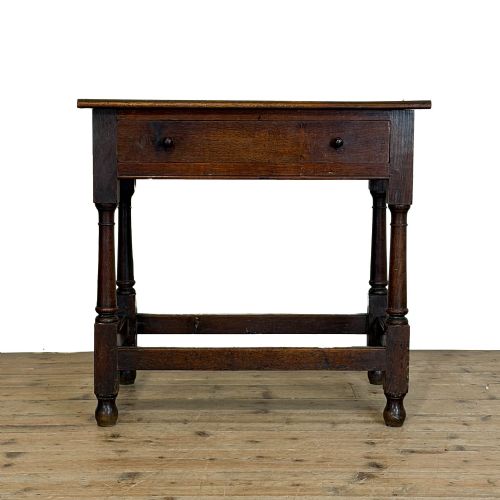
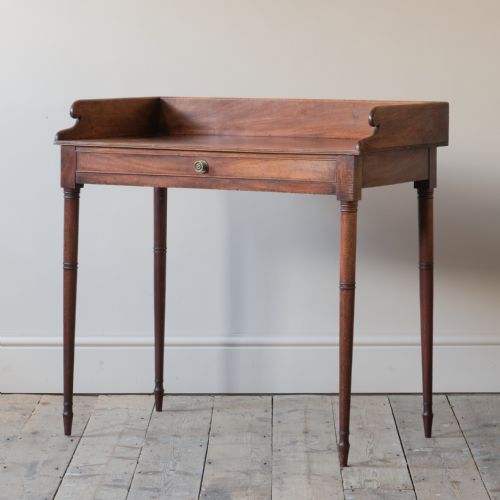
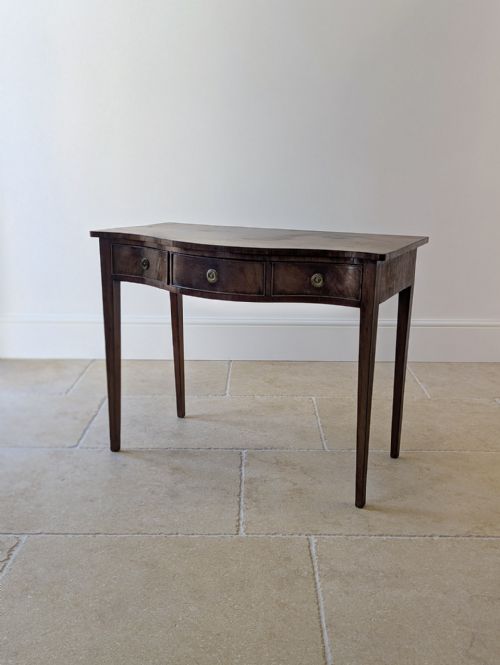
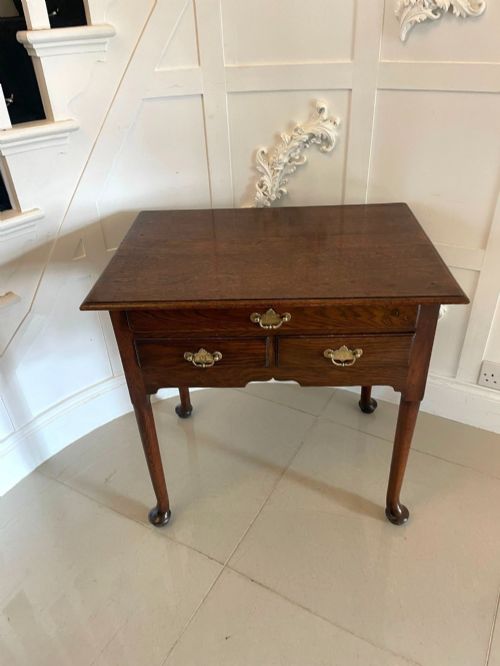
A georgian hall desk typically manifests in the physical record through related forms such as oak lowboys, side tables, and mahogany writing desks suited for an entrance or passage. You are most likely to encounter sturdy oak lowboys or mahogany side tables featuring fitted drawers intended for correspondence and keys.
The architectural requirements of eighteenth century hallways demanded furniture that maintained a shallow depth while offering a solid writing or sorting surface. These utilitarian forms bridge the gap between formal library furniture and casual passage tables.
Makers of the period utilised domestic timbers like oak and walnut alongside imported mahogany to construct pieces that stood firmly against daily household traffic. Their survival demonstrates how effectively these compact desks served domestic circulation.
How they were made
Carpenters constructed these items using dense hardwoods including mahogany, oak, walnut, and fruitwoods like elm and yew, joined with traditional framing methods. Timber selection depended on regional availability and the intended formality of the passage space.
Surface ornamentation relied on figured veneers, burr walnut grains, and occasional marquetry inlay rather than applied metal decoration. Drawers featured hand-cut dovetail joints while structural elements employed pegged mortise and tenon construction.
Listings demonstrate materials spanning mahogany, oak, walnut, burr walnut, elm, fruitwood, and fabric.
What varies in quality
The distinction between ordinary and exceptional examples rests upon the selection of timber figure, such as flame grain mahogany or figured burr walnut, and the crispness of carved details. Superior pieces display refined proportions and uncompromised structural timber thickness in the drawer linings and backboards.
Makers achieved higher standing through meticulous joinery execution, ensuring drawers operate smoothly within their apertures and legs maintain plumb alignment without excessive secondary timber bracing.
Gillows
The Georgian Hall Desk Glossary
- Lowboy
- A small table with one or more drawers supported on four legs, frequently utilised as a dressing table or side table in the eighteenth century.
- Dovetail
- A joint formed by interlocking wedge-shaped fingers, prized for securing drawer corners with permanent tensile strength.
- Burr walnut
- Timber taken from a growth deformity on a walnut tree, yielding highly ornamental swirling grain patterns utilised for cabinet veneers.
- Cabriole leg
- A furniture leg featuring a double curve, swelling outward at the knee and tapering inward toward the foot, typical of eighteenth century design.
- Marquetry
- Decorative veneer work arranged in geometric or pictorial patterns across a furniture surface using various coloured woods.
Georgian Hall Desk: Frequently Asked Questions
What is a lowboy?
A lowboy is a compact table fitted with drawers, standing on relatively tall legs. They served various domestic functions including writing and grooming.
Cabinetmakers built them primarily from oak, walnut, and mahogany during the eighteenth century for placement in bedrooms and hallways.
How do I spot mahogany?
Mahogany exhibits a deep reddish-brown tone that deepens with age and exposure to light. The grain can range from straight and uniform to highly figured flame patterns.
Joiners favoured this dense timber for its stability and resistance to warping in writing furniture.
Where did they sit?
These items stood against walls in entrance halls, corridors, and parlours where space remained at a premium. Their shallow profiles prevented obstruction of household traffic.
Occupants used the top surfaces for temporary storage of correspondence, hats, and candles.
Are oak and walnut different?
Oak provides a coarser, heavily grained texture in lighter brown shades, associated with country workshops and earlier periods. Walnut offers a smoother surface with darker figure variations favoured for formal rooms.
Both timbers responded well to hand-planing and traditional finishing techniques.