





Georgian Glass Print
A georgian glass print brings together the delicate technique of reverse painting and mezzotint engraving to create striking historical wall art.
Georgian Glass Print
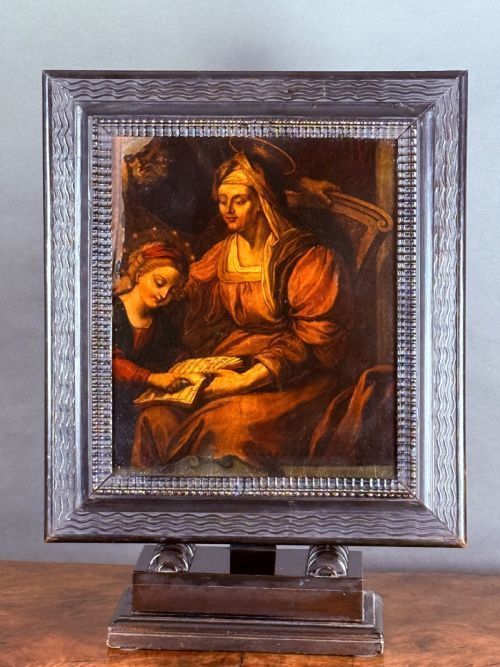
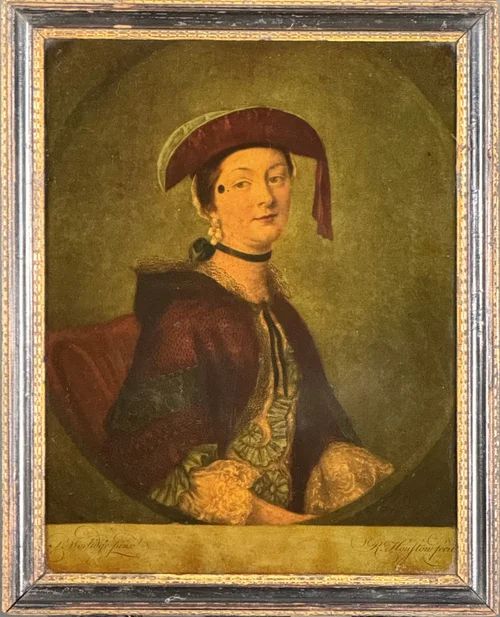
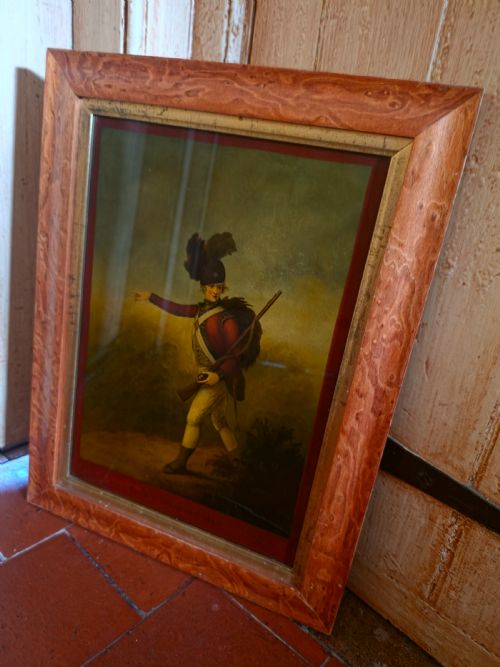
A georgian glass print is a specific form of wall art created by transferring and painting mezzotint or line engravings onto the reverse side of a glass panel. These pieces span periods from the eighteenth century through the regency era into the nineteenth century, encompassing portraits, sporting subjects, and classical allegories.
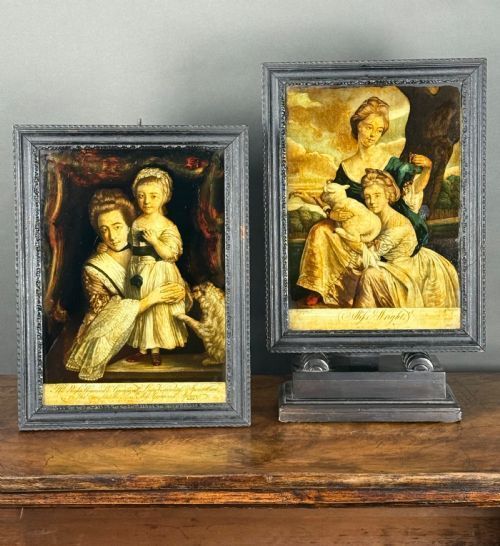
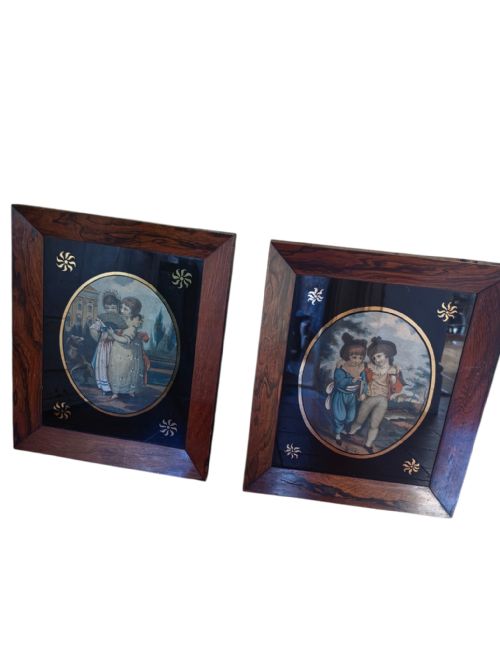
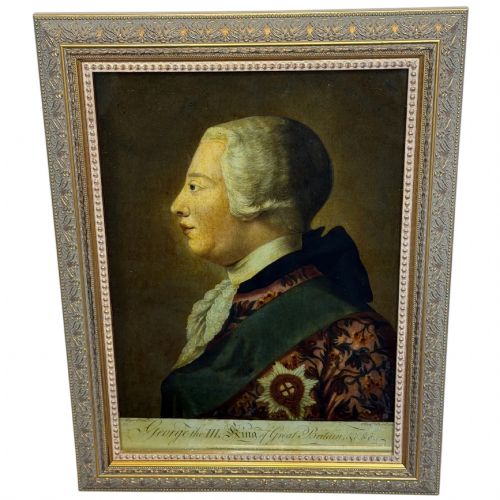
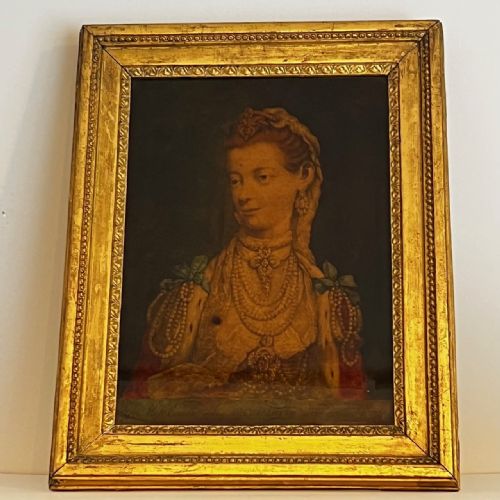
The most common formats met on this page include framed single portraits of royalty and nobility, seasonal pairs, and narrative scenes housed in rosewood, maple, or giltwood frames. Works such as depictions of King George III, Queen Charlotte, and various ladies of the manor demonstrate the primary subjects favoured by makers of the period.
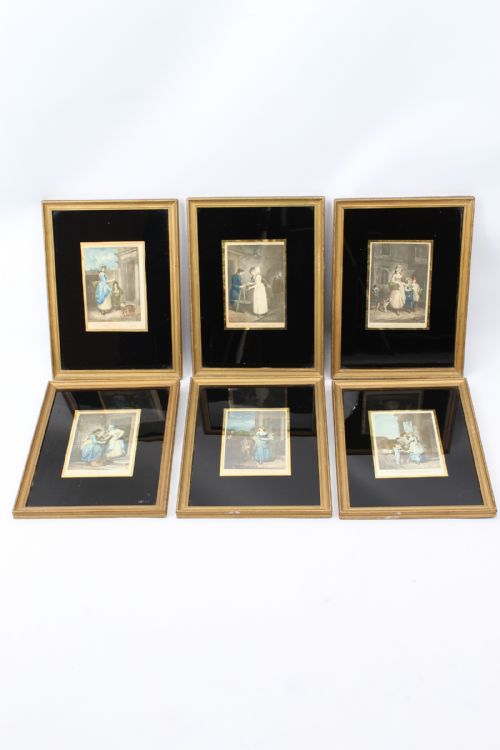
Beyond standard framed prints, buyers encounter related formats like divided mirror sections incorporating glass panels, small oval dome-fronted pictures, and sets of seasonal or allegorical engravings. These objects function as traditional interior decorations that preserve the nuanced pigment and oil paint applied behind the protective transparent surface.
Materials and Technique
The creation of these works relies on applying oil paint, pigment, and gold leaf directly to the back of a glass sheet, often working in reverse so the final image appears correctly oriented from the front. Artisans frequently transferred a printed mezzotint or engraving onto the glass before meticulously hand-colouring the details with pigments and gilt touches.
The finished glass panels required secure housing, leading to the use of wood, paper backing, and specialised frames such as rosewood, maple, or ornate giltwood. Protective elements like dome-fronted glass helped safeguard the fragile painted layers from physical damage and atmospheric wear over the centuries.
Children, infantrymen, and match boys gaze out from behind protective panes, reminding us that eighteenth-century youth sat still for their pigments too.
Distinctions in Quality
Quality in these pieces depends on the precision of the initial engraving and the skill of the hand-applied pigment behind the glass. Works produced by recognised printmakers or executed with finer detail in the brushwork and gold leaf sit at the upper end of the scale, showing greater depth and clarity in portraiture and narrative scenes.
The integrity of the original glass panel and the preservation of the underlying oil paint and pigment determine the overall standard of survival. Pieces retaining their original period frames, such as rosewood or figured maple, maintain a greater level of historical authenticity compared to those altered or re-framed later.
Fletcher·Sebastiaan Vrancx·Charles Spooner·Richard Purcell·Frye·Robert Sayer·Wheatley·Abraham Cooper·W. Bishop·Henry Corbould
The Georgian Glass Print Glossary
- Mezzotint
- A printmaking process of the intaglio family where tones are created by roughening the copper plate with a rocker. This technique allows for subtle gradations of light and shade that translate well when painted over on glass.
- Eglomise
- A method of applying cold painting and metal leaf to the reverse of glass. It provides the reflective and metallic highlights seen in many decorative panels.
- Reverse Glass Painting
- An artwork created by applying paint and pigment to the back side of a glass support. Viewers observe the finished composition through the clean front surface of the glass.
- Giltwood
- Wood that has been coated with a thin layer of gold leaf or gilt powder. It is commonly found on the ornate frames housing antique wall art.
- Mezzotint Engraving
- An engraved copper plate impression that serves as the linear foundation for subsequent hand-colouring. These prints form the base of many historical glass pictures.
Georgian Glass Print: Frequently Asked Questions
What is a georgian glass print?
A georgian glass print is a historical picture formed by adhering an engraving to the reverse side of a glass sheet and hand-painting it with pigments and oils. This technique protects the delicate colours behind a smooth, transparent glaze.
These artworks typically depict royal portraits, classical allegories, and domestic scenes, framed in period woods like rosewood or maple for display as wall art.
How should I hang these pieces?
These artworks require stable interior wall locations away from direct sunlight and excessive moisture to protect the fragile pigments and paper elements sealed behind the glass. Secure wall fixings matched to the weight of the wooden or gilt frames ensure safe suspension.
Because the image is painted on the reverse of the glass, avoid applying pressure directly to the centre of the panel when cleaning or adjusting the frame.
How do I identify the period?
Dating relies on examining the framing materials, the style of the engraving, and the physical characteristics of the glass panel itself. Eighteenth-century and regency examples often feature hand-lettered titles, specific portrait subjects, and characteristic rosewood or maple mouldings.
Comparing the subject matter, such as military uniforms or contemporary hairstyles, against known historical figures provides further confirmation of the era.
Were these used as mirrors?
Some period pieces combine a mirror plate with a painted glass section positioned above the reflective glass. These combined formats served a dual decorative and practical purpose in historical interiors.
Standard examples, however, function purely as wall art without any reflective mirror surface, relying entirely on the opaque pigments and gold leaf behind the glass.