


Georgian Portrait Glass Painting
Georgian portrait glass painting brings history to life through delicate reverse glass prints, silhouettes and mezzotints framed in wood.
Georgian Portrait Glass Painting
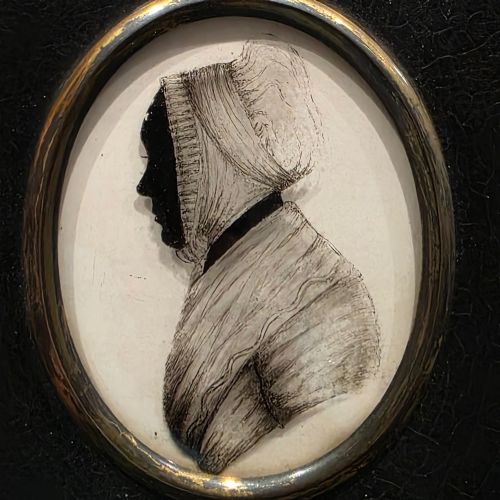
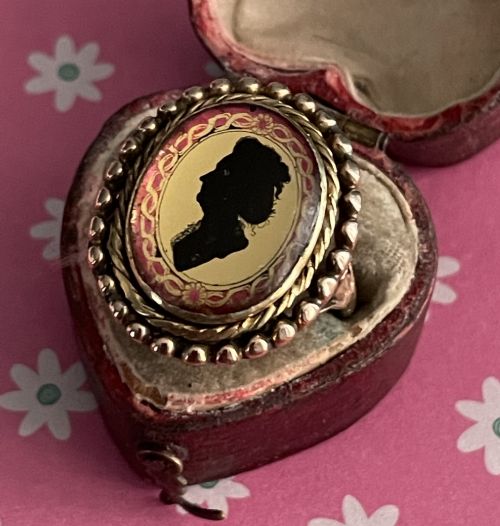
A georgian portrait glass painting combines meticulous reverse techniques with portraiture, capturing figures from royalty to domestic subjects. These works appear as wall art, miniature silhouettes, and rings.
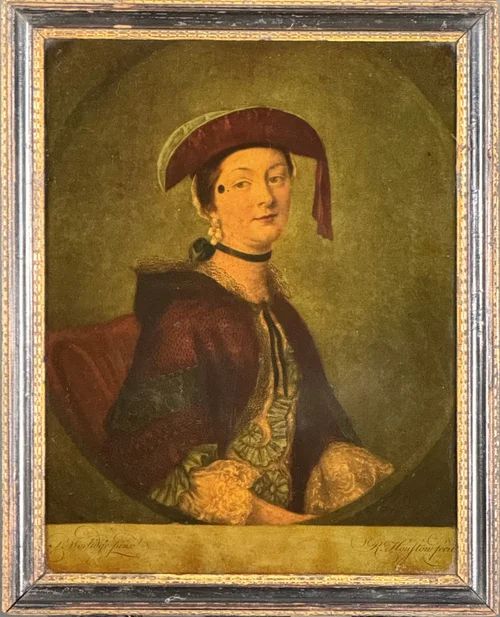
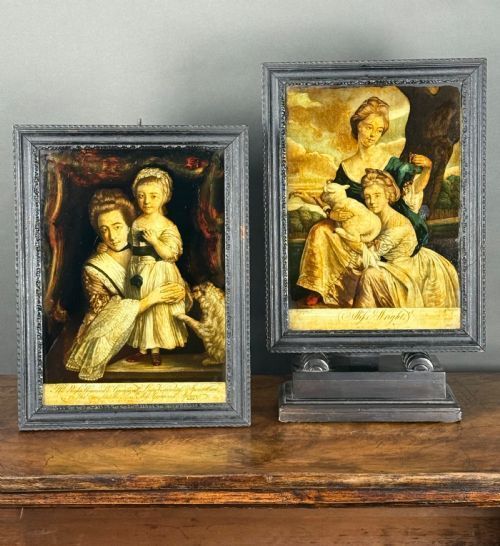
The pieces on this page span the 18th century, the Regency period, and the 19th century. Buyers frequently encounter framed reverse glass prints and miniature silhouettes depicting named sitters.
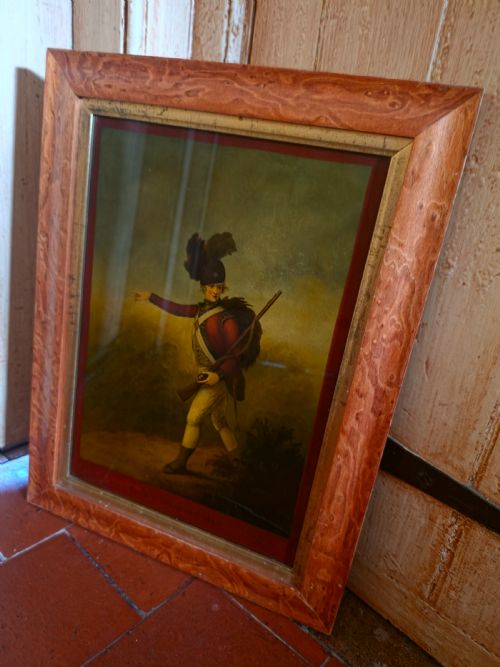
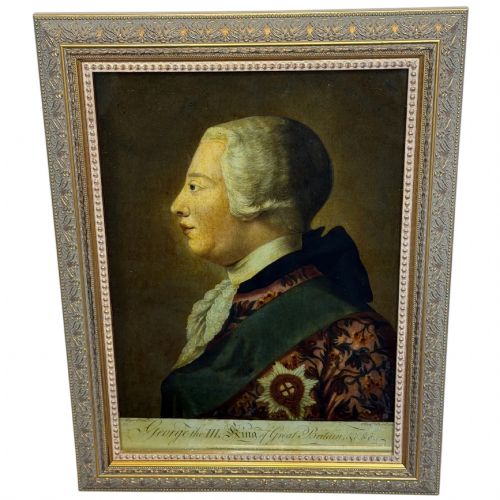
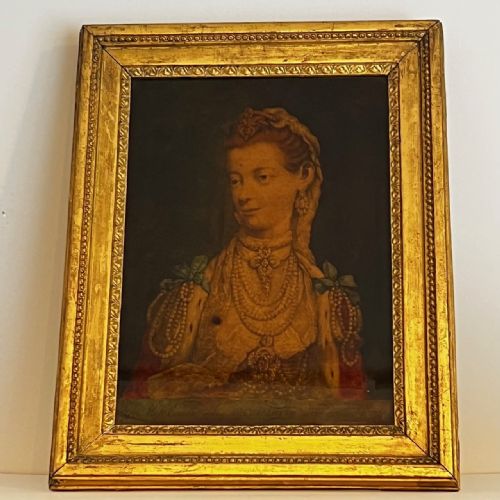
Subjects range from historical figures like King George III and Queen Charlotte to everyday portraits such as Mrs Grace Williams or a light infantryman.
How they were made
Makers applied oil paint, pigment, and gold leaf directly to the reverse side of glass panels. This technique protected the delicate medium from dust and fading while creating a luminous finish.
Artists combined mezzotint engraving and painted details, often finishing pieces with paper backing and wood frames, including giltwood.
Periods represented on this page span the 18th century, Georgian era, Regency, and the 19th century.
What varies in quality
The preservation of the glass and the original framing elements contribute heavily to the overall character of each piece.
Charles Spooner·Richard Purcell·Abraham Cooper·John Barry·Edward Bird
The Georgian Portrait Glass Painting Glossary
- Reverse glass painting
- An artistic technique where the image is painted on the back of a glass panel and viewed from the front. This method protects the pigment and produces a glossy finish.
- Verre eglomise
- A process involving cold painting and gilding on glass, often utilising gold leaf. It creates a reflective, mirror-like border around miniature portraits and silhouettes.
- Mezzotint
- A printmaking process of the intaglio family where tones are created by roughening the metal plate. These prints were frequently transferred to glass and hand-coloured.
- Silhouette
- A solid black or coloured profile portrait, popular in miniature form on glass. These pieces often record specific sitters with remarkable economy of line.
Georgian Portrait Glass Painting: Frequently Asked Questions
How do I hang a glass painting safely?
Hang these pieces on sturdy picture hooks using the existing wooden or giltwood frame rather than relying on modern adhesive fixings.
Keep them away from direct sunlight and damp walls to protect the paint and paper backing from deterioration.
Were these portraits meant for display?
Most works, such as wall art and framed prints, hung in domestic interiors to display family lineage, loyalty to the crown, or personal taste.
Miniature silhouettes and rings served as personal tokens or portable keepsakes carried close to the body.
How do I tell an 18th-century piece from a Regency one?
Examine the framing style, the clothing of the sitter, and the lettering used for any inscribed names or titles.
Eighteenth-century examples often feature elaborate mezzotint techniques, whilst Regency pieces frequently showcase distinct silhouette styles and refined headwear.
What is the difference between a print and a painting on glass?
A reverse glass print transfers a published image, like a mezzotint, onto the glass before hand-colouring is applied.
A painting on glass relies entirely on the artist's hand using oil paint, pigment, and occasionally gold leaf without a printed base.