


Framed Reverse Glass Artwork
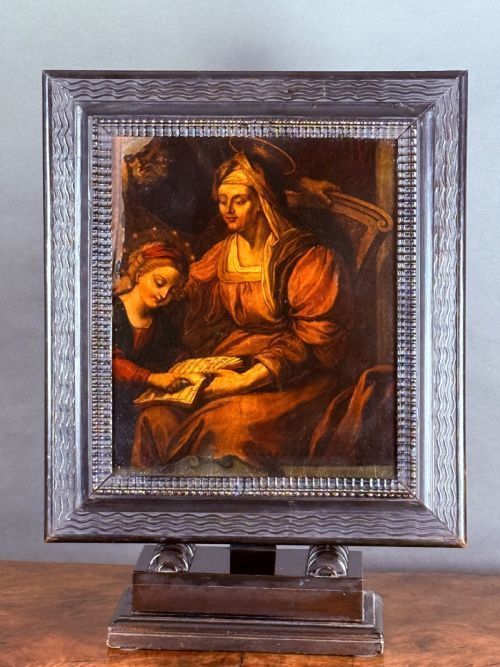
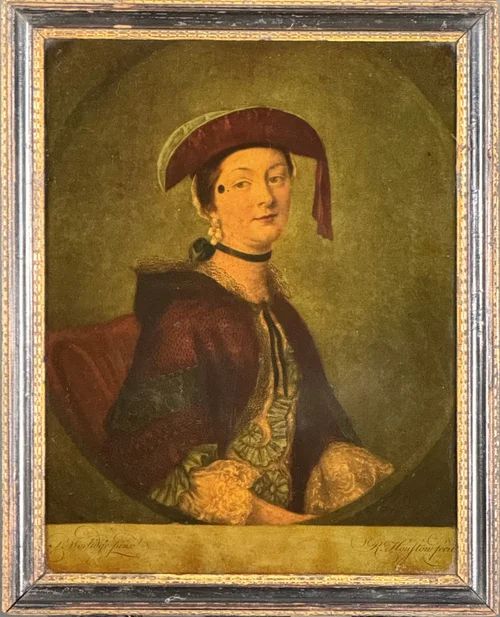
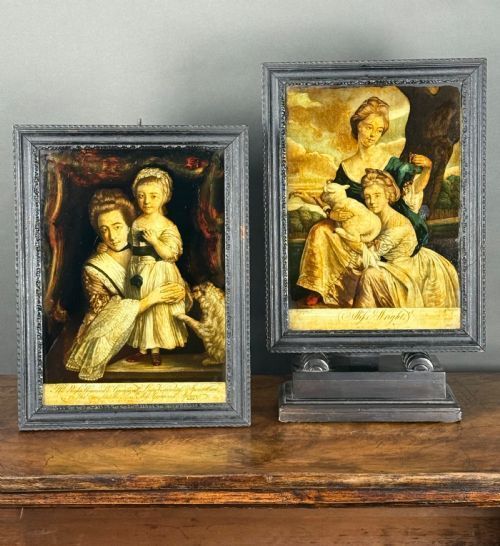
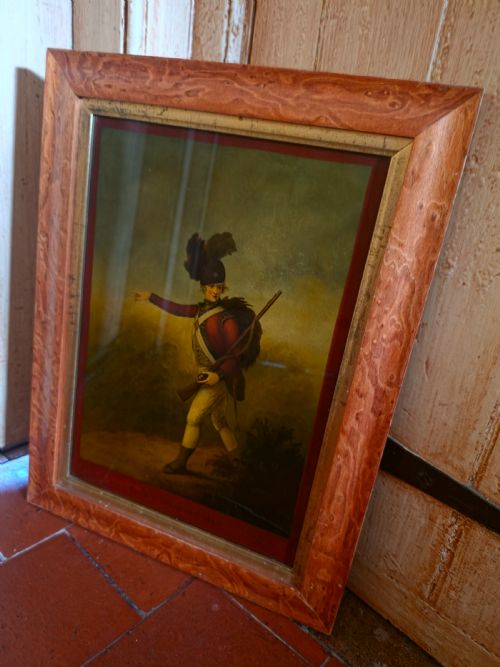
These framed reverse glass artwork pieces deliver meticulous hand-rendered pigment or applied mezzotint prints directly onto glass panels, offering a brilliant alternative to standard canvas.
Framed Reverse Glass Artwork
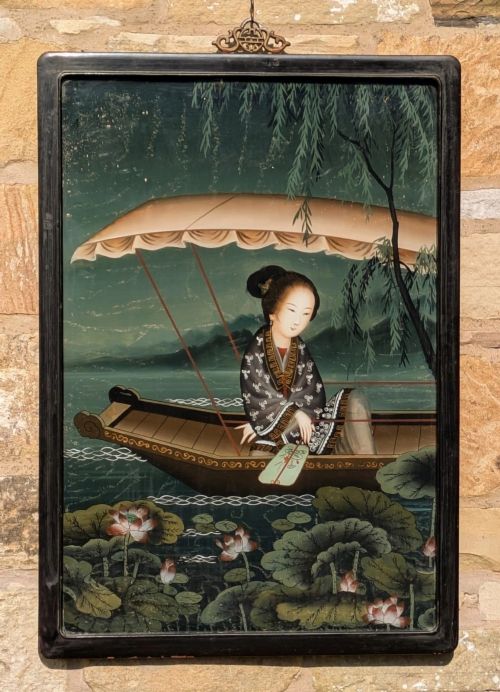
When you search for framed reverse glass artwork, you encounter delicate pieces executed from the eighteenth century through the twentieth century, combining glass, wood, paper, and paint. These objects include Chinese export trade mirror-glass pictures, British mezzotint prints applied to glass, and Victorian crystoleoms.
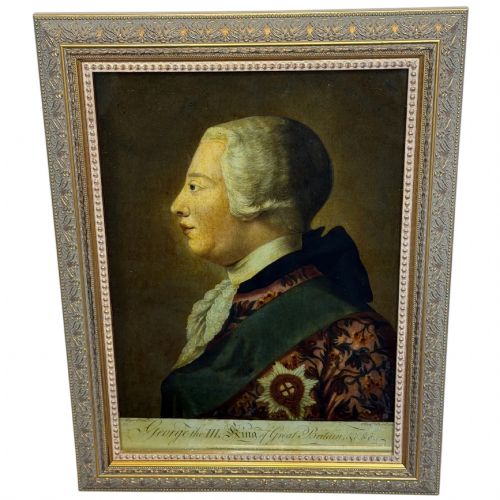
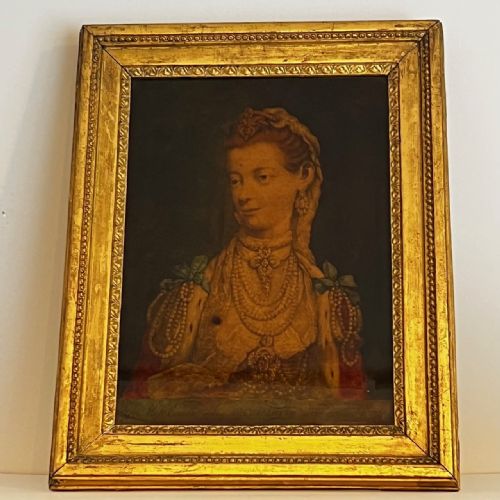
The format requires the artist to paint or transfer the image onto the rear surface of the glass, working in reverse so the final composition appears correctly oriented when viewed from the front. You will find portraits of figures such as Queen Charlotte and Mrs Brooks, naval engagements, allegorical seasonal series, and domestic scenes housed in original wood or gilt frames.
How they were made
The construction relies on applying oil paint, pigment, or transferred mezzotint engravings onto clean glass panels, often utilising meticulous layering to build depth from foreground details to background elements. Because the medium protects the pigments behind a glass barrier, the colours frequently retain an unusual vibrancy.
Makers housed these fragile glass panels within sturdy wood surrounds, maple frames, and gilt wood mouldings, sometimes incorporating divided sections that paired a reverse glass print with a mirror plate.
Listings feature works spanning the 17th century, Georgian era, Regency period, and Victorian era, utilising glass, wood, paper, and oil paint.
What varies in quality
Quality rests upon the precision of the reverse brushwork and the clarity of the underlying mezzotint or engraving transfer. Finer examples display meticulous facial detailing and controlled pigment application that survive without extensive flaking or moisture damage beneath the glass.
The integrity of the surrounding wood or gilt frame heavily influences the standing of a piece, as original housings matched to the exact period provide greater historical coherence than later replacements.
Charles Spooner·Richard Purcell·W Bishop·Takabatake Kasho·Schweninger
The Framed Reverse Glass Artwork Glossary
- Mezzotint
- A printmaking process using a roughened metal plate to achieve tones and rich dark areas, frequently applied to glass panels in eighteenth-century workshops. This technique allowed makers to transfer nuanced portraits of historical figures.
- Crystoleom
- A Victorian method of applying a colour print to glass, making it translucent, and then hand-painting pigments onto the rear. These works often depicted romantic or continental court scenes under convex glass.
- Chinese Export
- Goods manufactured in China specifically for Western markets, encompassing reverse glass paintings and mirror-glass pictures produced during the eighteenth and nineteenth centuries. These items frequently combined traditional Asian craftsmanship with European subject matter.
- Reverse Glass Painting
- An artwork created by applying oil paint or pigment directly onto the back of a glass sheet, forcing the artist to paint the topmost details first. This method seals the pigment from atmospheric dirt.
Framed Reverse Glass Artwork: Frequently Asked Questions
Are these pieces painted or printed?
They can be either, or a combination of both. Many eighteenth-century items utilise mezzotint prints transferred onto the glass and then touched up with oil paint or pigment.
Later Victorian examples, such as crystoleoms, involve treated paper prints rendered translucent and hand-tinted from behind, while others consist entirely of freehand painting.
How do I date a reverse glass picture?
Examine the framing materials, the backing boards, and the paper labels or inscriptions if present. Early eighteenth- and nineteenth-century pieces often feature characteristic hand-beaten nails, old pine boards, and specific engraving styles.
Subject matter also provides a strong clue, as portraits of monarchs like Queen Anne or George III align with specific historical eras.
Why are some images reversed?
The technique demands that the artist paints or adheres the composition onto the back of the glass sheet. Fine details and foregrounds are laid down first, followed by background colours.
When viewed through the front of the glass, the image appears the right way around, which creates a characteristic glossy depth unique to this medium.