


Glass Painting Portrait
Glass painting portrait pieces combine delicate pigments with reflective panes, drawing collectors seeking historic likenesses captured through unusual techniques.
Glass Painting Portrait
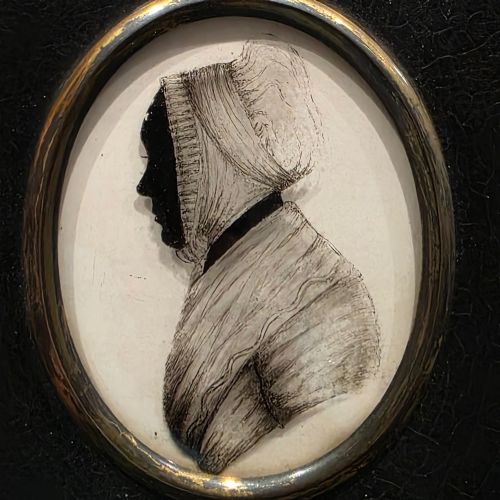
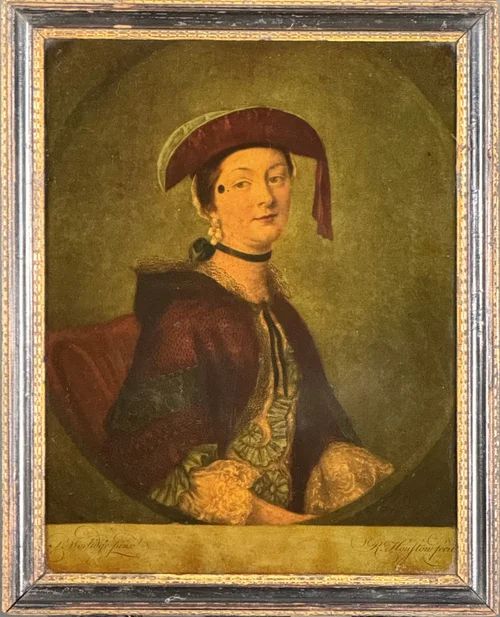
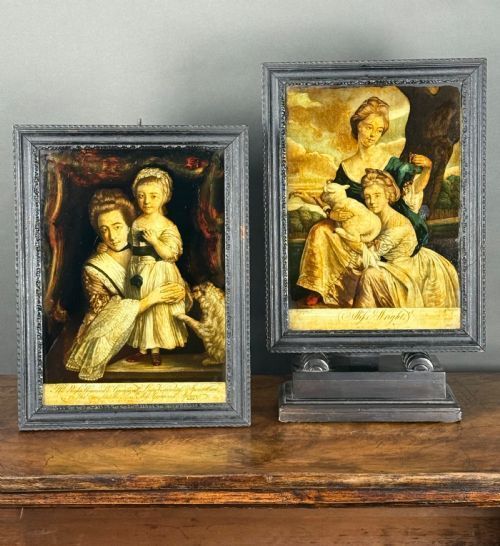
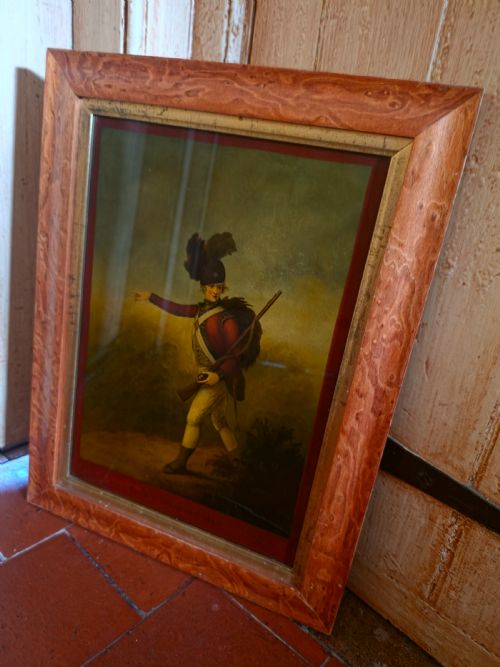
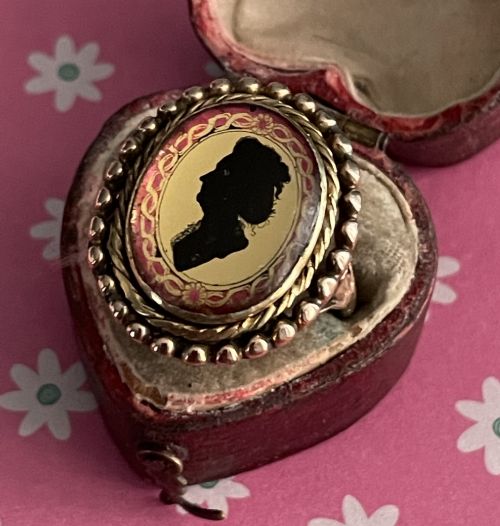
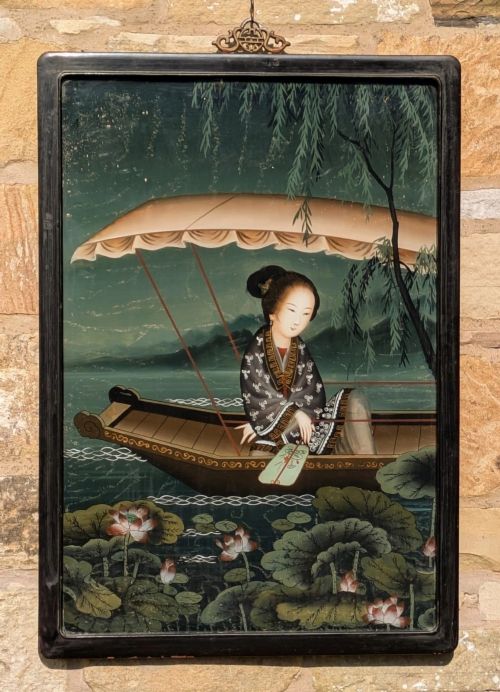
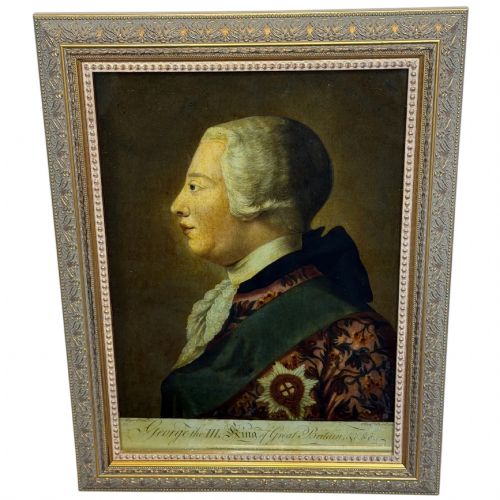
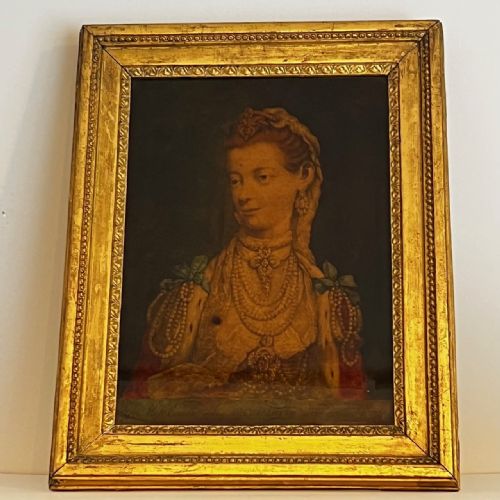
A glass painting portrait captures a likeness directly onto a transparent pane, appearing most frequently in Georgian and nineteenth-century examples across this selection. Collectors encounter silhouette miniatures, reverse glass mezzotints, and Chinese export pieces designed for wall display. These works utilise the smooth reflective surface of the glass to impart a luminous depth unlike canvas or paper.
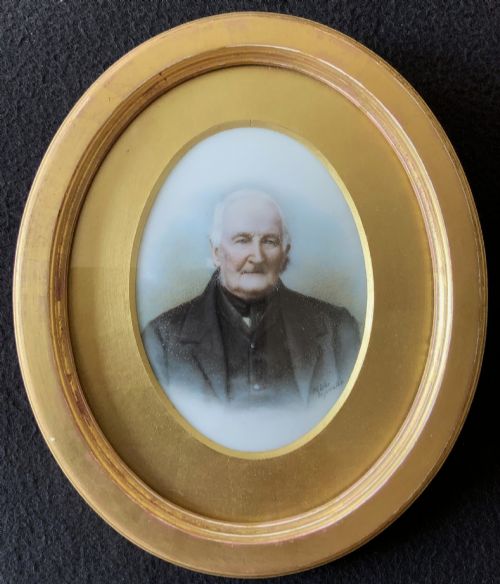
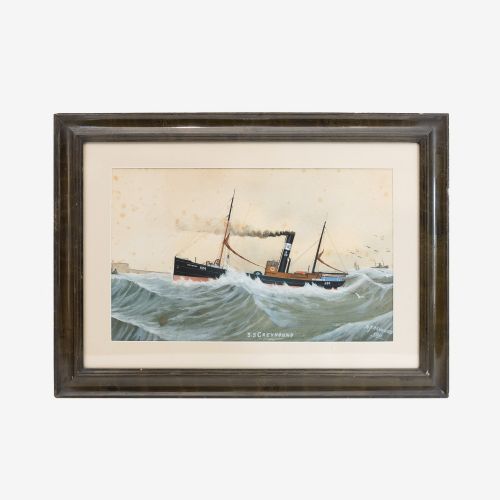
The subjects range from royal figures and military officers to domestic sitters and literary characters, framed in wood or giltwood. Pieces span eighteenth-century British print adaptations to later international workshops and maritime commissions. Each format relies on the precision of painting or printing on the reverse side so the image reads correctly from the front.
How they were made
Mezzotint transfers and hand-painted silhouettes demanded steady hands and careful alignment to transfer printed images onto the glass surface. The interaction between the glass and the underlying paint layer created a permanent bond that preserved the colours once sealed from atmospheric moisture.
Several portraits capture subjects holding reading glasses or magnifying lenses, peering right back at the viewer through the centuries.
What varies in quality
The refinement of the facial drawing and the crispness of the transfer separate standard works from exceptional examples. Skilled artists achieved subtle flesh tones and precise linework that survived the reversal process without blurring or pooling.
The integrity of the original paint layer and the presence of matching period frames influence the character of a piece. Well-preserved gilding and minimal pigment loss maintain the intended luminance of the portrait.
Charles Spooner·Richard Purcell·Alexander Harwood·Takabatake Kasho·Josiah Gilbert
The Glass Painting Portrait Glossary
- Reverse glass painting
- A technique where the artist paints or prints on the back of a glass panel so the finished image is viewed through the front. This method protects the pigment from dust and damage.
- Mezzotint
- A printmaking process that achieves tones and gradations rather than simple lines, often transferred onto glass in eighteenth-century works. It produces soft shadows well suited to portraiture.
- Verre églomisé
- A process involving cold gilding and painting on glass, where metal leaf is applied to the rear surface and etched or painted. It provides a reflective, metallic background for silhouettes and miniatures.
- Silhouette
- A solid shape of a person's profile, typically filled in with black and frequently painted on glass during the Georgian and Regency periods. These portable likenesses preceded photographic portraits.
- Crystoleum
- A Victorian method of applying a hand-coloured print to glass, clearing the paper base, and adding further paint layers behind. The resulting image gains a three-dimensional depth.
Glass Painting Portrait: Frequently Asked Questions
How do I clean a glass painting portrait?
Dust the frame gently with a soft, dry brush and avoid spraying liquid cleaner near the edges where moisture might seep behind the glass.
Because the pigments often sit unprotected on the rear surface, any moisture entering the frame can cause lifting or permanent staining.
Why are some portraits painted in reverse?
Painting on the reverse side places the glass itself as a protective glaze over the delicate pigments and gold leaf.
This technique also imparts a distinct glossy sheen and depth that standard paper or canvas paintings lack.
How can I tell a Georgian piece from a later one?
Georgian examples often feature hand-drawn silhouettes or mezzotint transfers with specific eighteenth-century costume details and handwritten sitter identifications.
Later Victorian and Edwardian iterations frequently employ different framing materials and mechanical transfer methods.
Where were these portraits displayed historically?
Smaller silhouette miniatures and rings were kept as personal tokens or worn, while larger reverse glass prints hung in panelled rooms and parlours.
Export pieces made in China for European markets often decorated merchant houses and formal drawing rooms.