

Georgian Glass Painting
Georgian glass painting brings together fine line and deep pigment applied to the reverse of the plate, capturing royal portraits, pastoral scenes and detailed silhouettes.
Georgian Glass Painting
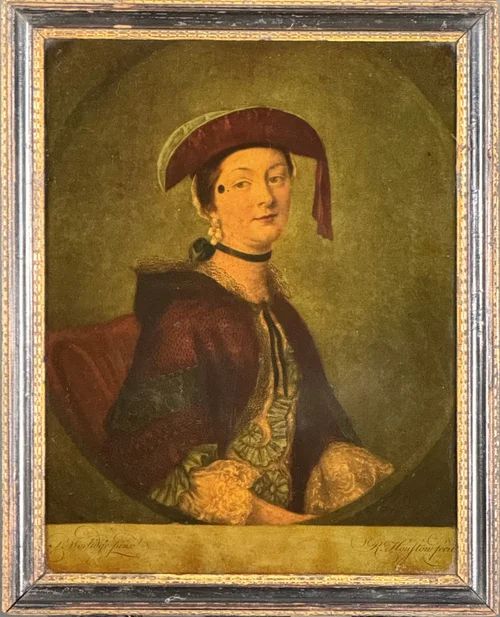
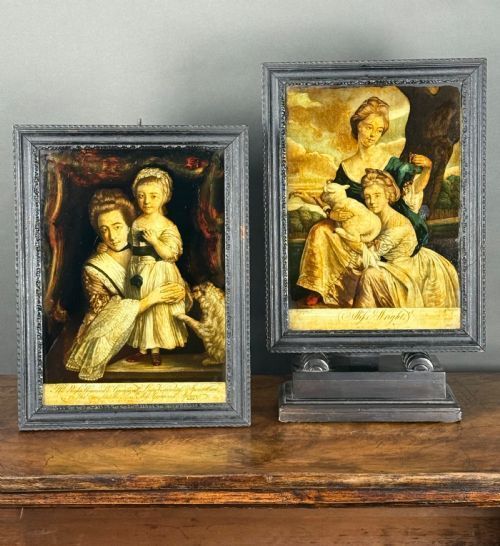
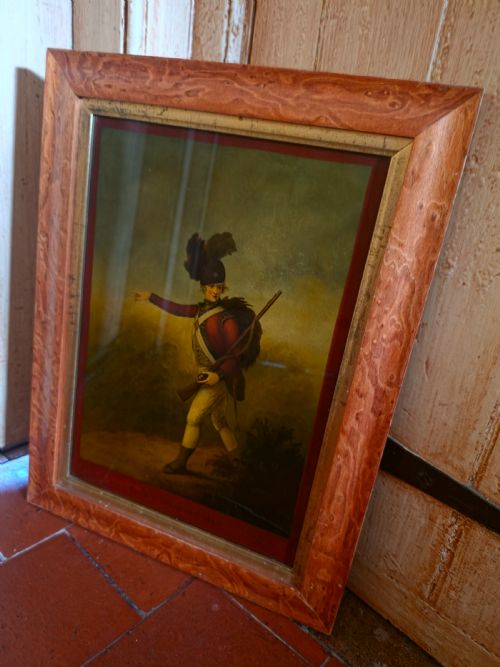
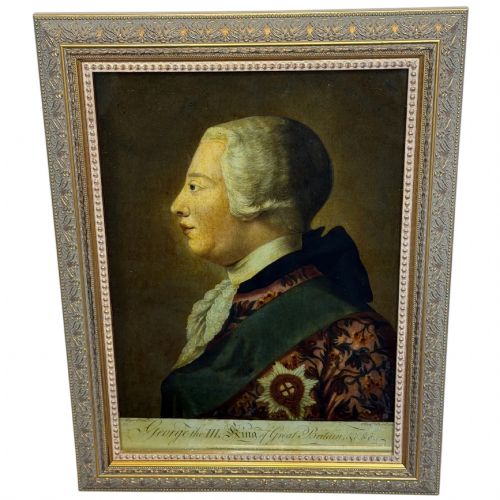
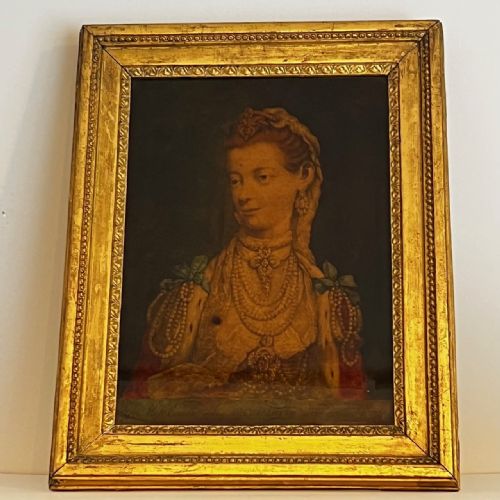
When you search for georgian glass painting, you encounter delicate works executed directly onto the rear surface of the glass pane so that the final image reads correctly from the front. The selection includes portrait miniatures, reverse glass prints, and decorative panels incorporated into mirrors and cabinets.
Most examples date from the eighteenth and nineteenth centuries, spanning the Georgian and Regency periods. Subjects range from sovereigns and military figures to allegorical themes and classical scenes.
These pieces often combine printmaking techniques with hand colouring, using oil paint, pigment, and gold leaf to achieve a luminous finish. The technique protects the delicate layers of pigment from dust and abrasion behind the glass shield.
Materials and Craftsmanship
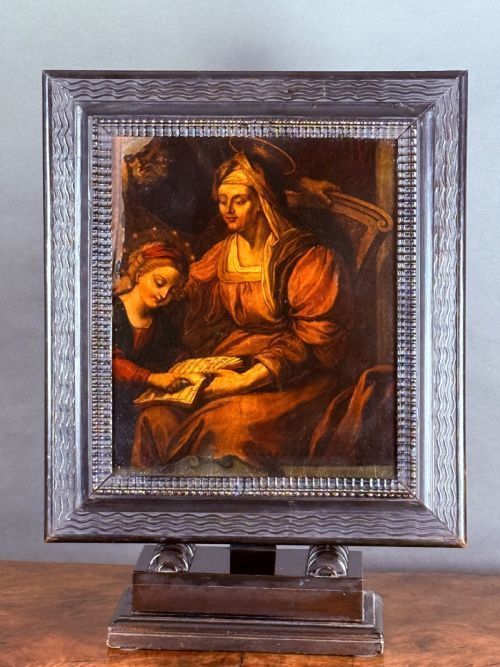
Makers applied pigment, oil paint, and gold leaf directly to the reverse side of the glass, frequently transferring printed mezzotints face down onto the plate before adding colour by hand. This method required precise reverse planning, as details laid down first remained uppermost in the finished view.
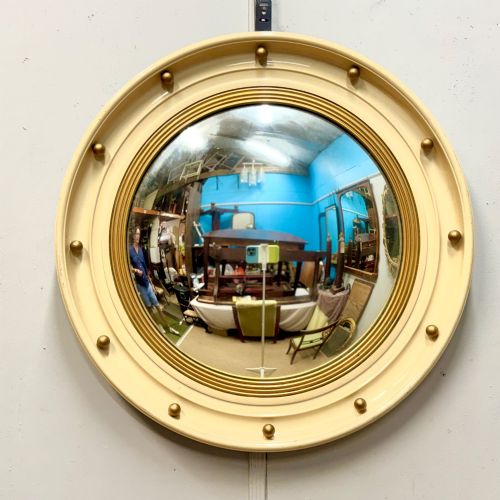
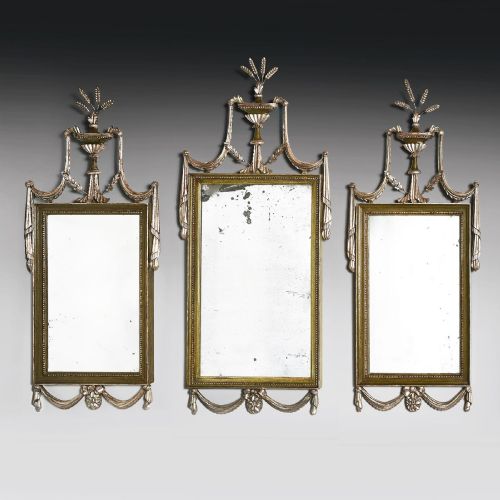
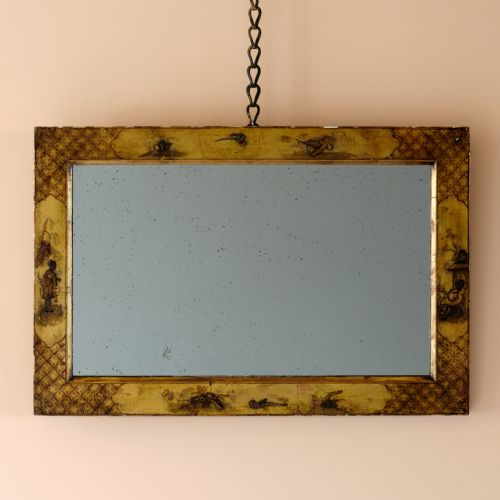
Frames of wood, giltwood, and maple supported the glass panels, sometimes integrating convex or mercury glass alongside painted sections. The interplay of metal leaf and translucent pigments created a reflective depth distinct from standard canvas works.
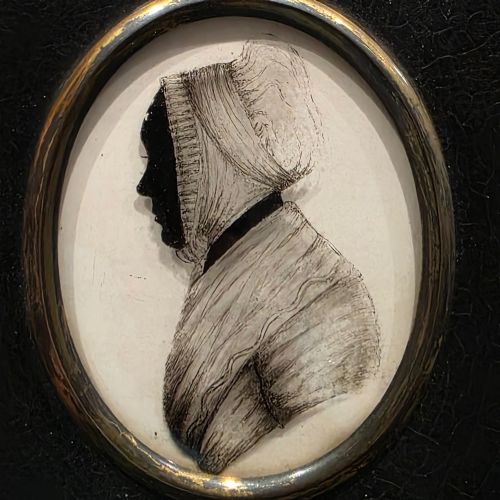
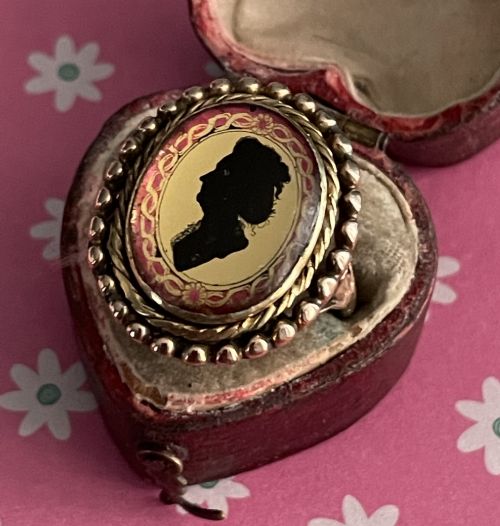
A tiny silhouette ring allows a Georgian wearer to carry a miniature portrait safely upon their finger.
Judging Quality and Execution
The preservation of the original glass plate and the integrity of the delicate pigment layers dictate the desirability of the piece. Intact gilding and original framing enhance the overall standing of the work.
Richard Purcell·Charles Spooner·Fletcher·Sebastiaan Vrancx·Abraham Cooper·W Bishop
The Georgian Glass Painting Glossary
- Verre eglomise
- A traditional technique of cold decoration on glass involving application of gold or metal leaf combined with painting and etching.
- Mezzotint
- A printmaking process using tonal graduation that was frequently applied beneath glass and hand coloured.
- Trumeau
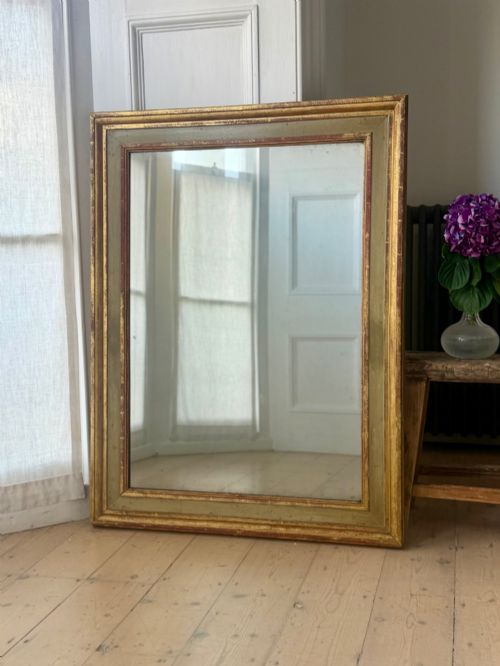
- A decorative wall mirror featuring an upper panel containing a painting or glass print above the reflective glass plate.
- Silhouette
- A solid profile portrait, often painted in black pigment directly onto glass or paper during the Georgian period.
- Astral glazed
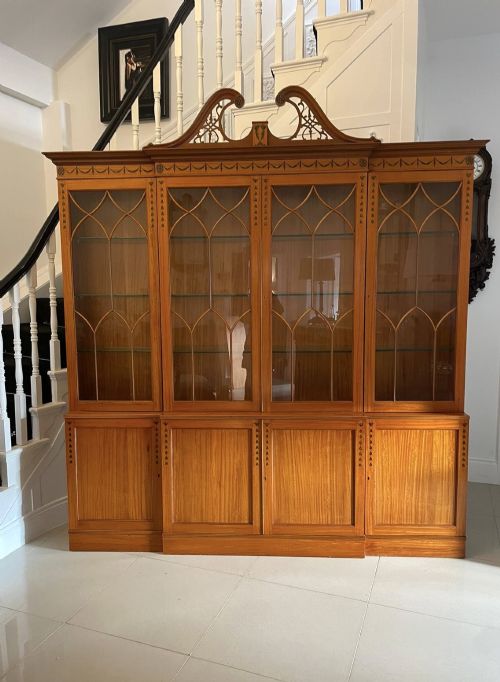
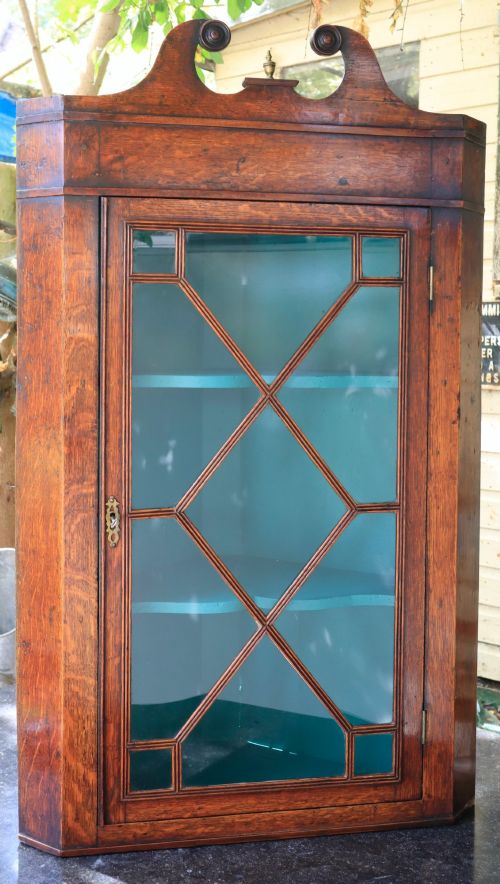
- A style of cabinet door framing with slender wooden bars dividing the glass panes.
Georgian Glass Painting: Frequently Asked Questions
How do you clean glass paintings?
Dust the exterior surface gently with a soft, dry cloth without applying liquid directly to the frame or glass edge.
Moisture can seep behind the plate and damage the delicate pigment layers applied to the reverse.
Where were these pieces displayed?
These works hung in period parlours and drawing rooms, often integrated into overmantel mirrors or pier glasses.
Smaller portrait miniatures and silhouettes were kept in private chambers or worn as personal items.
How are periods identified?
Stylistic clues within the costumes, lettering styles, and framing materials point towards the Georgian or Regency eras.
Handwritten inscriptions on the reverse often record the sitter and the date of execution.
Are these works hand painted?
Many examples combine a printed mezzotint base transferred onto the glass with extensive hand application of oil paint and gold leaf.
Others consist entirely of freehand portraiture executed directly onto the glass surface.