


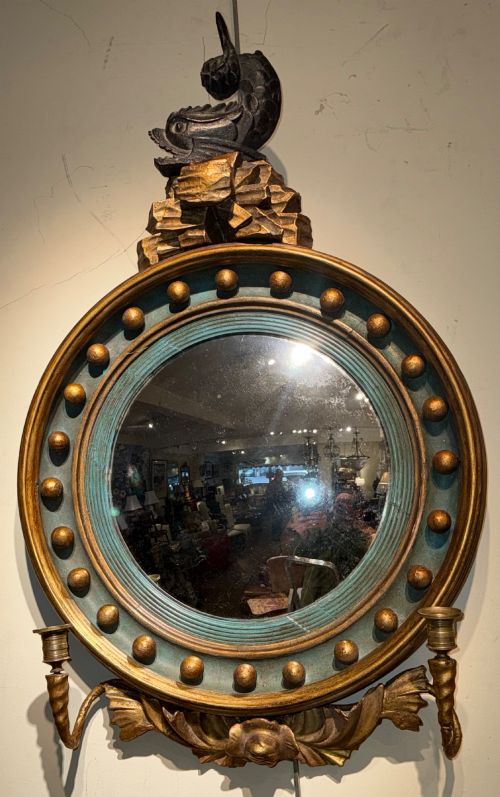


Georgian Giltwood Wall Sconce
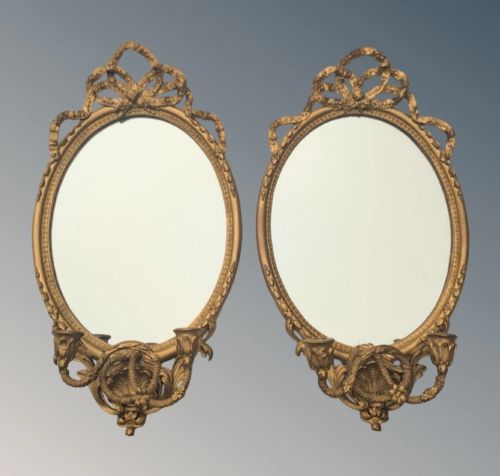
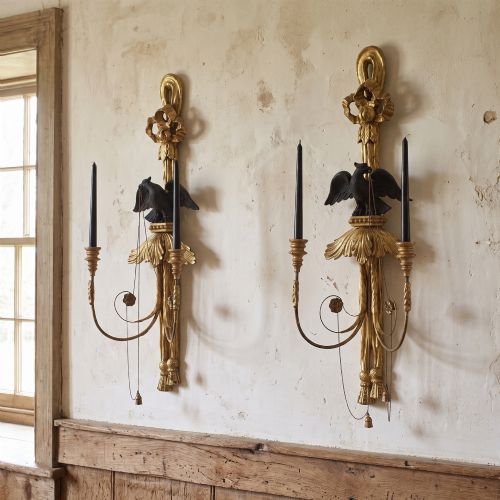
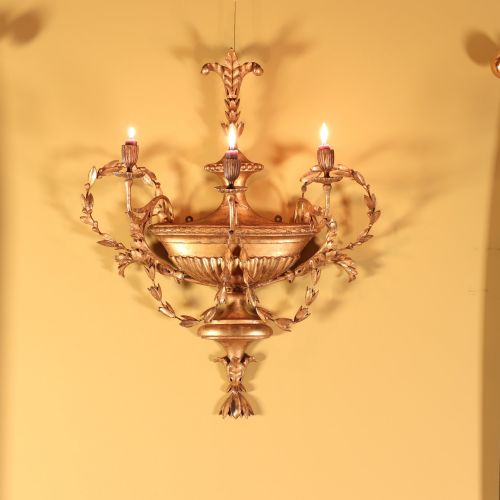
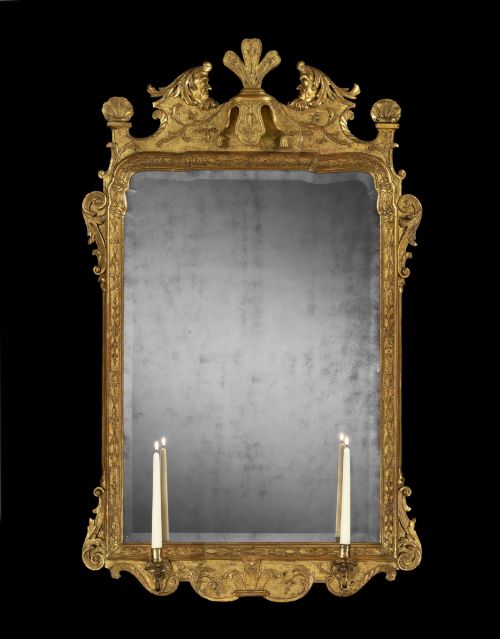
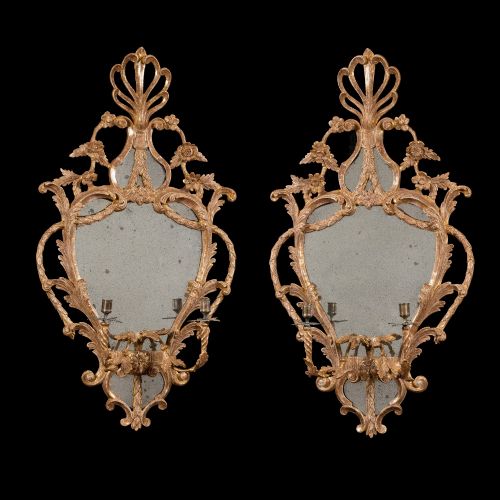
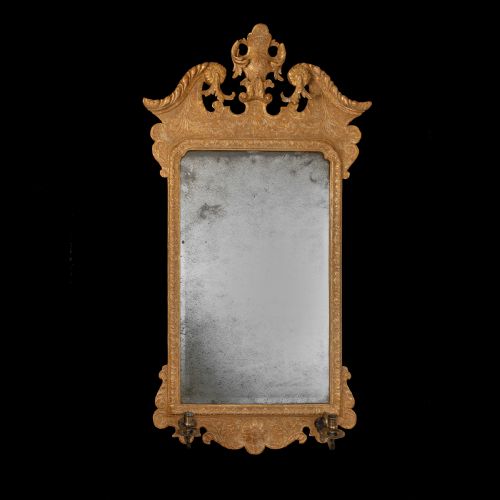
These georgian giltwood wall sconce examples bring reflected candlelight and warmth to a room, catching the eye with their carved surfaces and rich gold leaf.
Georgian Giltwood Wall Sconce
A georgian giltwood wall sconce is a decorative wall-mounted lighting fixture or mirror designed to illuminate and adorn a room. The selection spans the eighteenth century, the Regency era, and later revivals from the nineteenth and early twentieth centuries.
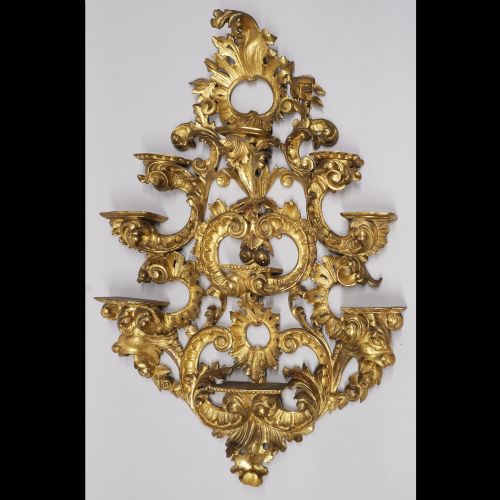
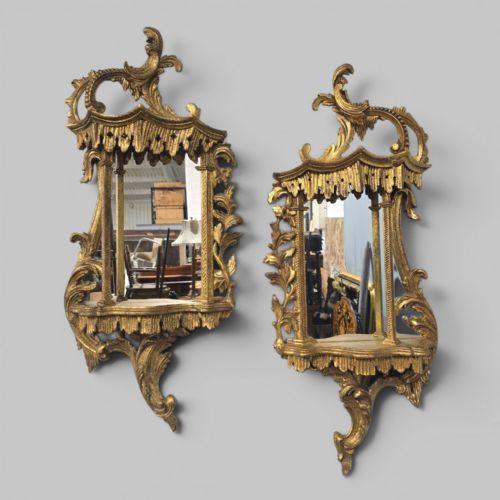
Buyers will encounter various forms on this page, including girandole mirrors with candle branches, carved wall brackets, and convex mirrors. These pieces originate from periods such as the Georgian and Regency eras, alongside later revival interpretations.
The objects function both as practical light reflectors and decorative statements. They range from single wall brackets to matching pairs designed to flank a fireplace or doorway.
How they were made
Craftsmen built the core structure using timber such as pine or ebonised wood, sometimes incorporating white painted sections. Carvers then applied layers of gesso to the wood to create a smooth, responsive surface for intricate detail work.
Gold leaf was laid over the gesso base, often burnished to achieve a brilliant metallic sheen. Brass components appear in structural elements and candle arms, while glass forms the central mirror plates and convex lenses.
Georgian Giltwood Wall Sconce Retail Price Guide 2026
Typical asking prices for georgian giltwood wall sconce among the pieces listed under this phrase on Sellingantiques today, from the lower quarter to the upper quarter. They describe what is for sale here now, not the wider market.
Convex mirrors were once known as banker's mirrors because their wide-angle view allowed shopkeepers to watch over their entire premises.
What varies in quality
The depth and crispness of the wood carving dictate much of the visual merit. Finer pieces display sharply defined acanthus leaves, birds, or architectural motifs rather than soft or muddled relief.
The application and retention of the gold leaf also separate examples. Superior surfaces show skilful gilding that has aged gracefully, whereas lesser pieces may exhibit heavy restoration or modern repainting.
Benjamin Goodison
The Georgian Giltwood Wall Sconce Glossary
- Giltwood
- Timber that has been coated with gold leaf or gold paint. This finish provides the characteristic bright and reflective surface seen on period frames and sconces.
- Gesso
- A mixture of plaster of Paris and glue used as a base layer on wood. It accepts fine carving and holds the gold leaf securely.
- Girandole
- A branched wall sconce or light fixture featuring a mirror backplate. The reflective glass multiplies the light cast by the candles.
- Convex mirror
- A circular mirror with a curved glass plate that reflects a wide, panoramic view of the room. These often feature elaborate gilt frames with eagle crests or ball ornaments.
- Wall bracket
- A projecting shelf or support attached to a wall to display objects. In this context, they share the carved and gilt finishes of contemporary sconces.
Georgian Giltwood Wall Sconce: Frequently Asked Questions
How do I hang a heavy giltwood sconce?
These pieces require secure anchoring into solid wall studs or masonry using appropriate fixings to support the weight of the timber and gesso.
Professional installation is recommended for larger girandole mirrors and convex wall lights to ensure safety.
What is the difference between a sconce and a girandole?
A sconce is a wall-mounted lighting fixture, whereas a girandole specifically incorporates a mirror backplate to reflect the candlelight.
Both forms appear frequently in Georgian and Regency interior decoration.
How should I clean giltwood surfaces?
Dusting should be performed gently with a soft, dry brush to avoid damaging the delicate gold leaf and underlying gesso.
Water and chemical cleaners must be avoided entirely, as moisture strips the historic finish.
Are these pieces original or later revivals?
The listings include both eighteenth-century originals and later nineteenth and twentieth-century revival pieces from periods like the Regency and Chippendale revivals.
Examining the construction materials, backing boards, and wear patterns helps determine the exact age.