




Georgian Giltwood Frame
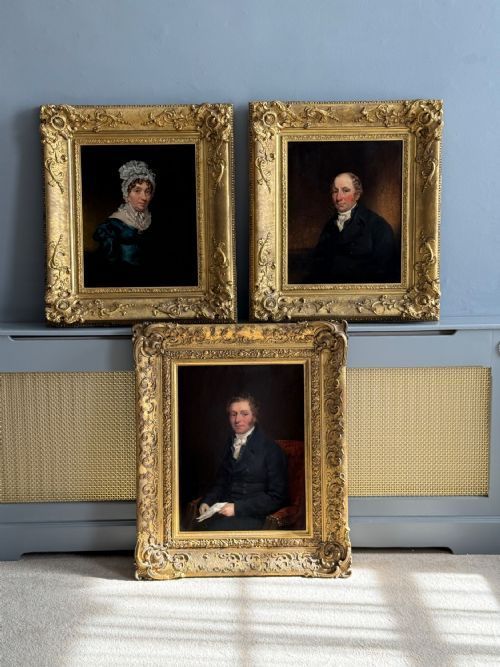
A georgian giltwood frame brings centuries of warmth and craftsmanship to a room, framing mirrors and portraits with carved detail and gold leaf.
Georgian Giltwood Frame
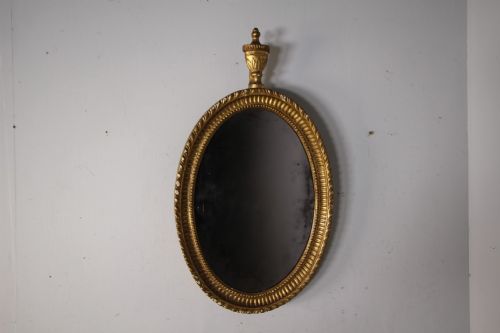
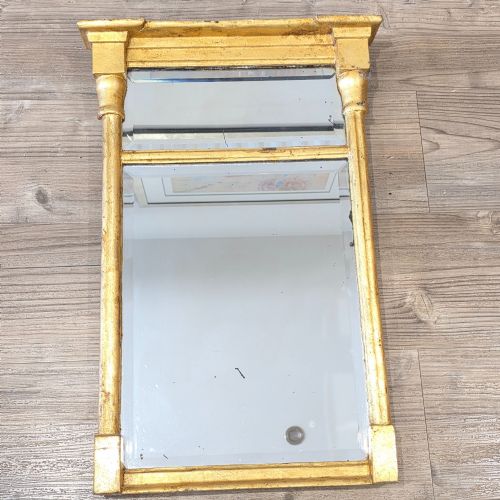
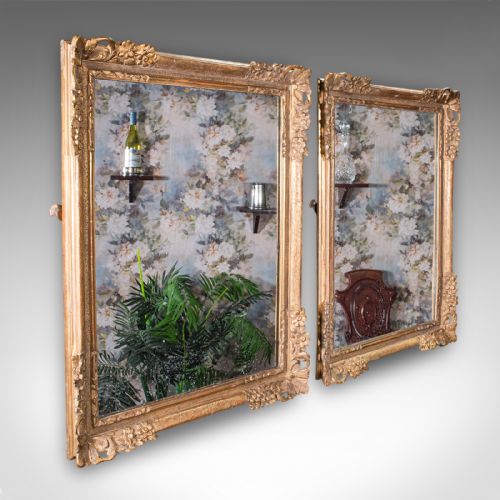
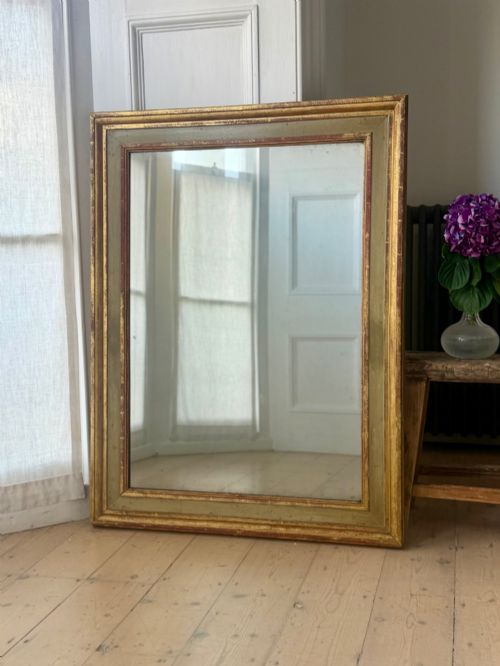
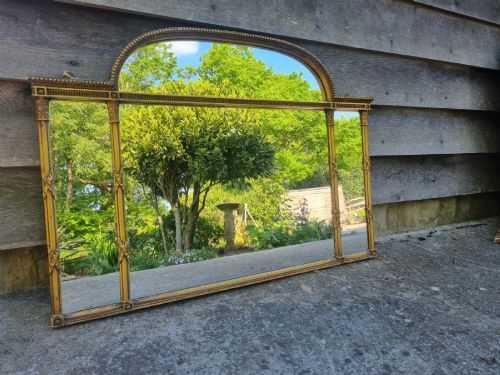
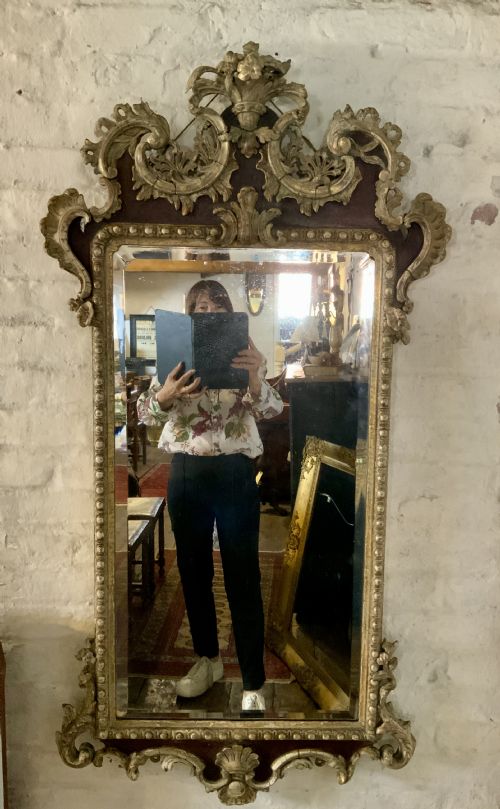
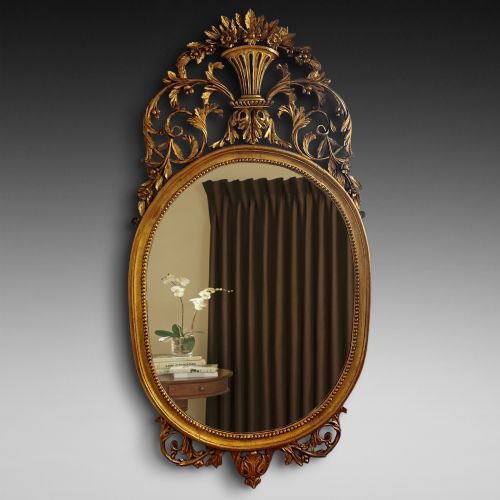
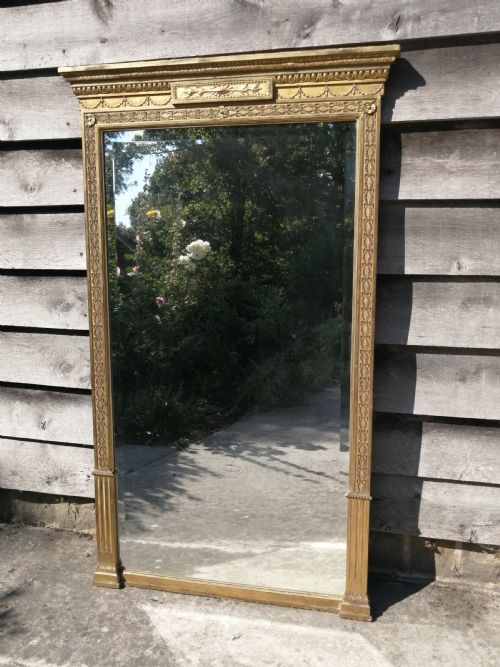
When searching for a georgian giltwood frame, buyers encounter a variety of forms designed to hold mirrors and artwork. Wall mirrors, overmantel mirrors, and pier mirrors dominate the selection, often taking rectangular, oval, or convex shapes.
The pieces on this page span the 18th century, Regency, and 19th-century revival periods, reflecting stylistic shifts from rococo curves to neoclassical restraint.
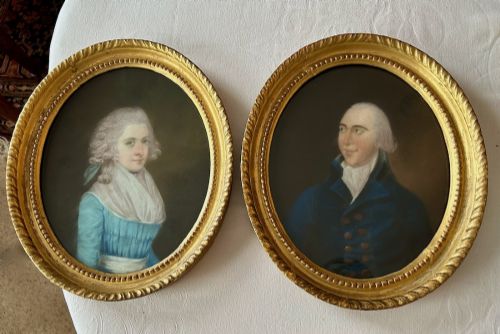
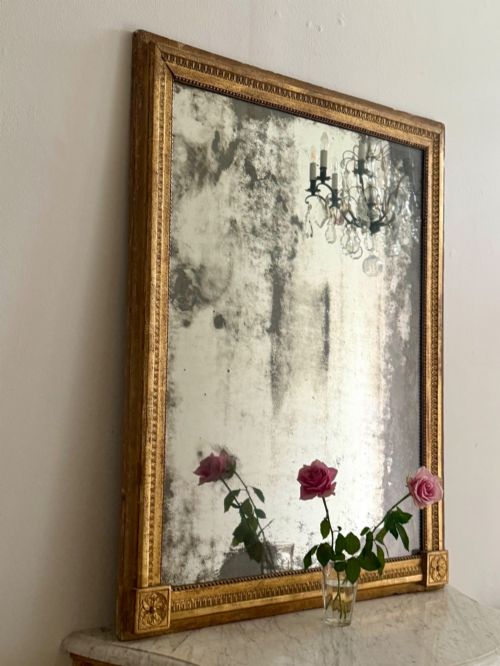
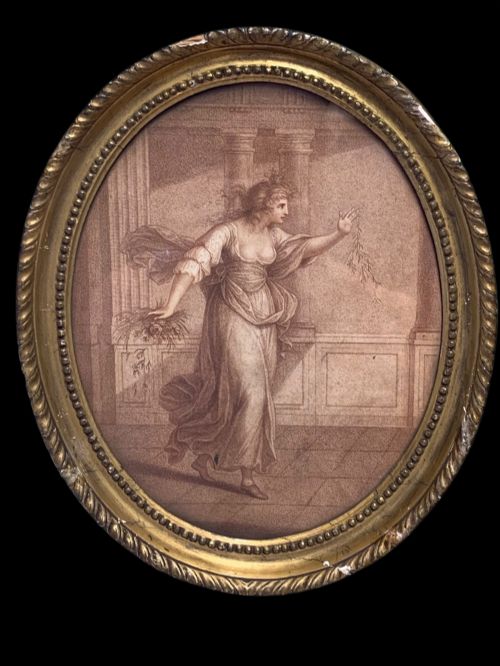
Many frames enclose original oil paintings, pastels, engravings, and silk works, while others house mercury glass mirrors with foxed plates.
Materials and Construction
Makers constructed these frames primarily from wood such as pine, oak, or walnut, applying layers of gesso to create smooth surfaces for intricate carving and moulding.
Gold leaf was then meticulously laid over the prepared surface, sometimes complemented by areas of ebonised wood or parcel-gilt details.
Glass plates in the mirrors were typically silvered using mercury, which develops characteristic foxing and spotting over time.
Several convex mirrors include eagle crests perched on top, keeping a watchful glass eye over the parlour.
Quality and Craftsmanship
The distinction between standard pieces and exceptional examples lies in the crispness and depth of the hand-carved ornamentation. Superior frames exhibit fluid, deeply undercut foliage, scrolls, or classical motifs rather than shallow or mechanical pressing.
The integrity of the original gesso and gold leaf surface significantly impacts the character of the piece. Retaining the authentic gilded finish without heavy overpainting indicates careful preservation over the centuries.
Jean-Baptiste Van Loo·Benjamin Barker of Bath·Francis Hayman·Henry Pickering·T C Hofland·George Morland
The Georgian Giltwood Frame Glossary
- Giltwood
- Wood that has been coated with gold leaf or gold paint. This technique provides the luminous metallic finish characteristic of these antique frames.
- Gesso
- A plaster-like mixture applied to wood frames to create a smooth base for carving and gilding. It allows for intricate relief ornamentation.
- Mercury glass
- A type of double-walled glass blown in the 19th century and silvered inside with a mercury amalgam. It creates a distinctive mottled reflection.
- Convex mirror
- A round mirror with a bulging surface designed to reflect a wide, panoramic view of a room. These were particularly popular during the Regency period.
- Pier mirror
- A tall, narrow mirror designed to hang on the wall between two windows. They often sat above a pier table.
Georgian Giltwood Frame: Frequently Asked Questions
Are the mirror plates original?
Many mirrors retain their original plates, which often display foxing, dark spots, and light distortion.
Replacement glass is sometimes fitted later, so checking the backboards and fixings helps determine the age of the plate.
What is the difference between Georgian and Regency styles?
Georgian frames often feature exuberant rococo curves, naturalistic foliage, and ornate carved crests from the mid-18th century.
Regency frames lean towards neoclassical geometry, incorporating convex circles, reeded columns, and classical motifs like eagles.
Can I hang a heavy overmantel mirror safely?
Overmantel mirrors are substantial pieces that require secure fixing directly into wall studs or masonry.
Professional installation using appropriate mirror brackets ensures the weight is distributed safely.