

Georgian Gilt Pier Glass
A georgian gilt pier glass brings neoclassical elegance and light to a room, hung traditionally between windows.
Georgian Gilt Pier Glass
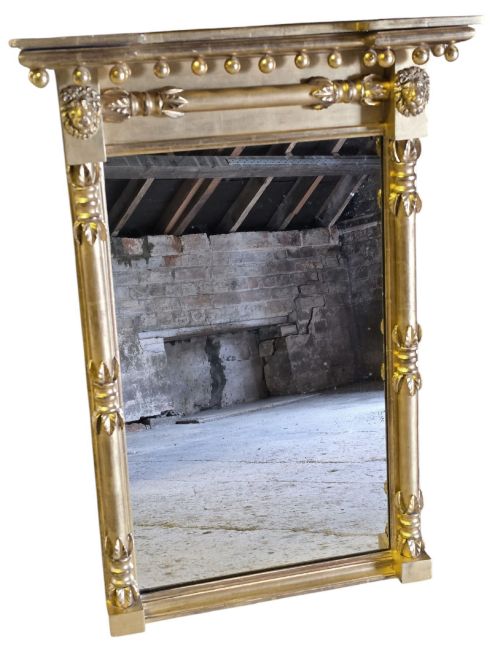
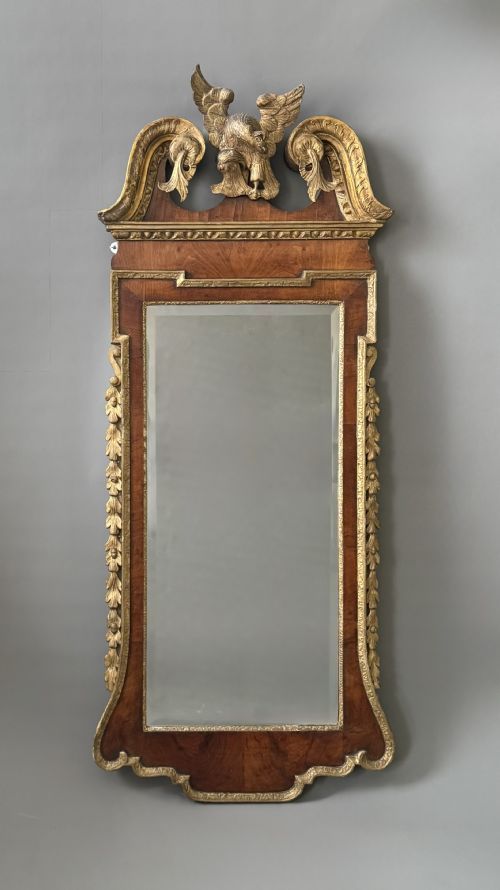
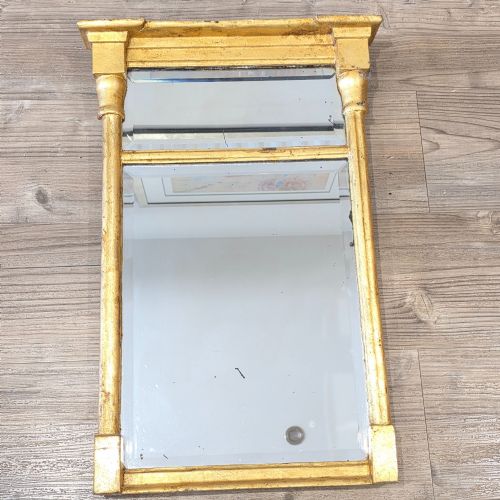
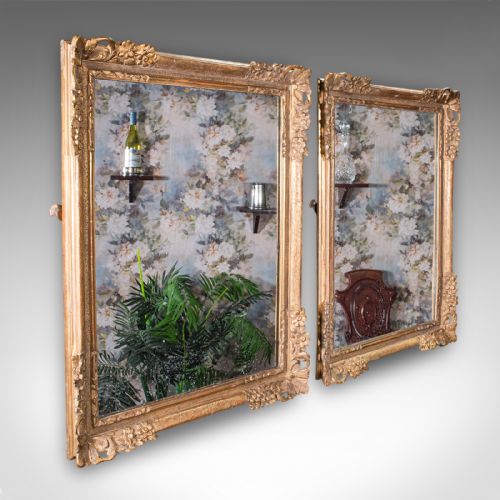
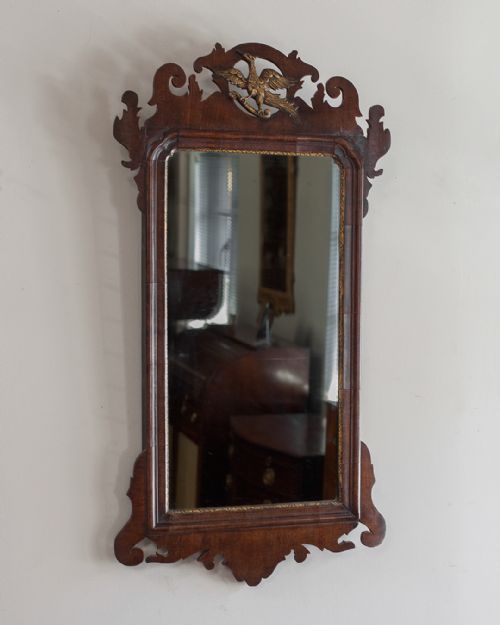
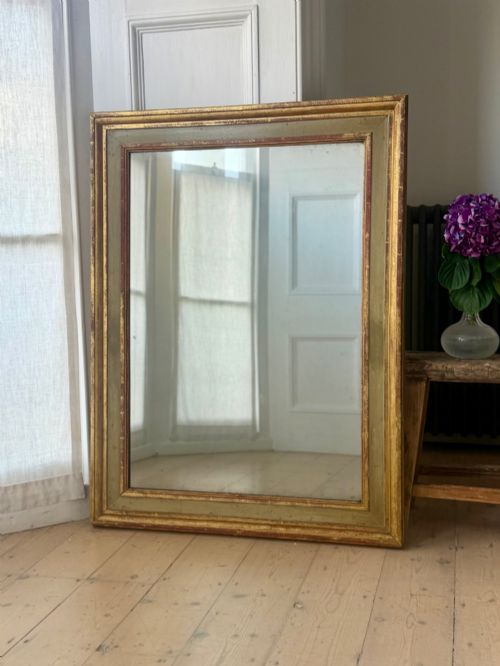
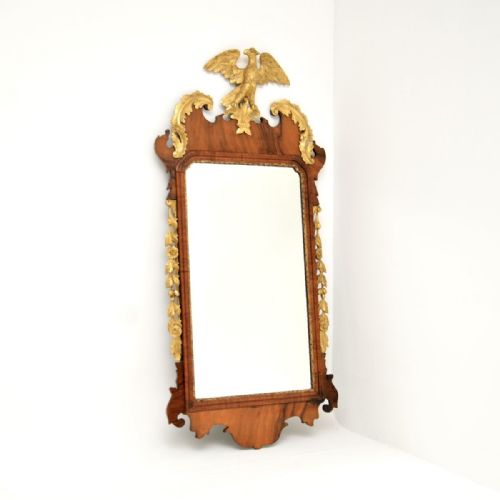
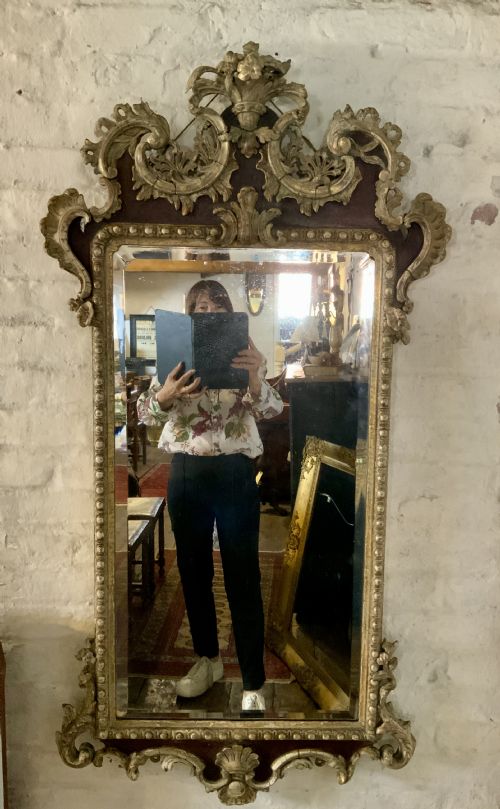
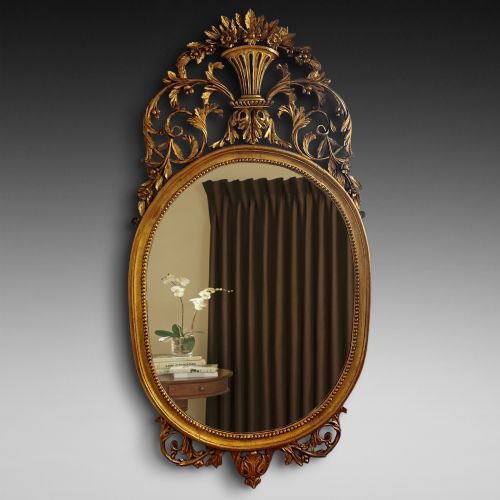
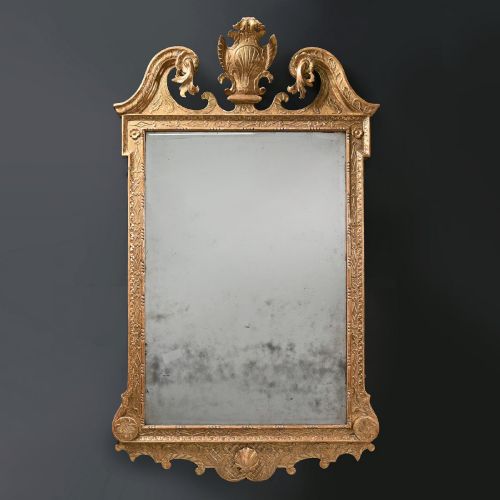
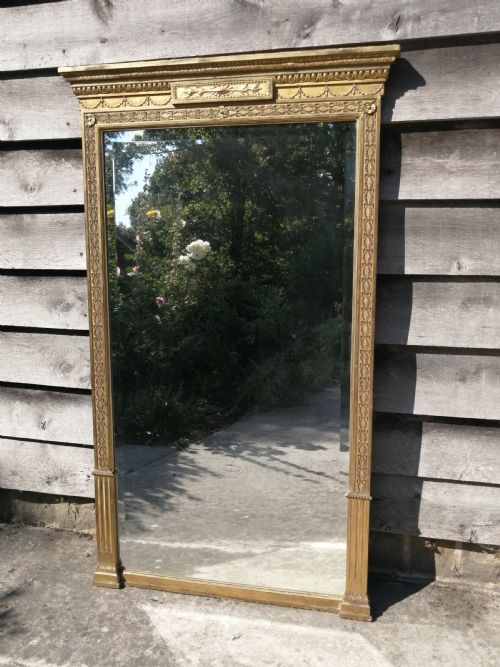
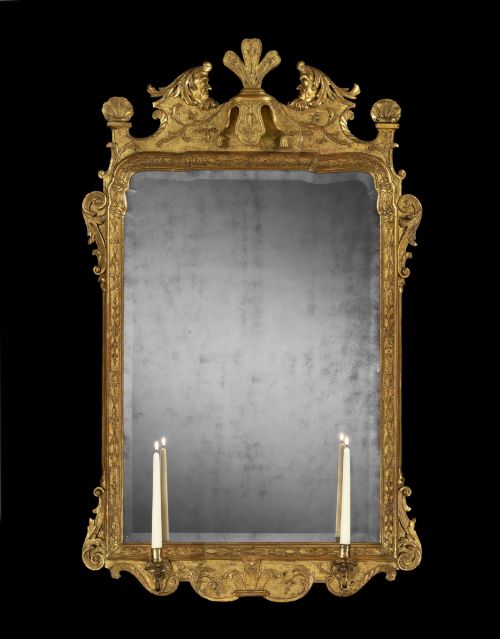
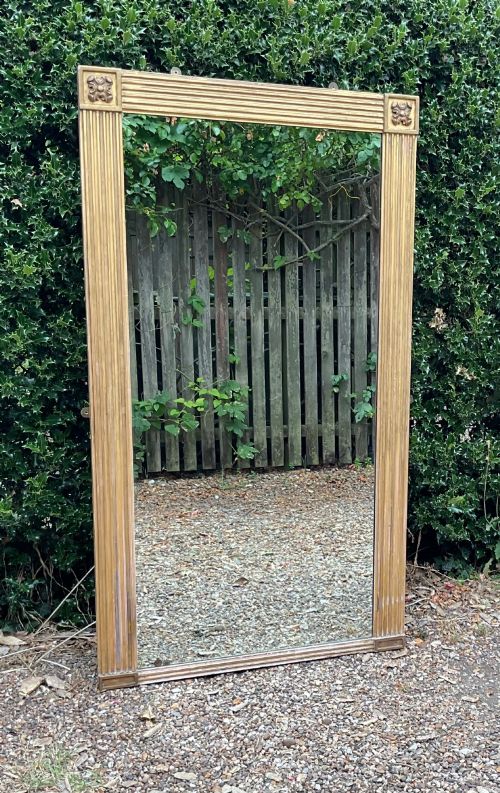
A georgian gilt pier glass takes several distinct forms across this selection, appearing as grand overmantle wall mirrors, tall dressing mirrors, and smaller fretwork or console looking glasses. These pieces span the eighteenth century, the Regency era, and later nineteenth-century revivals.
Makers designed these mirrors to sit on the pier wall between two windows, reflecting light back into the chamber. Surviving examples display the influence of George I, George II, George III, and Adam periods, often executed in walnut, mahogany, or carved giltwood.
Materials and Construction
Carvers shaped frames from timber substrates such as mahogany, walnut, or pine, applying coats of gesso to receive intricate surface decoration. Artisans then laid gold leaf over the prepared gesso ground, burnishing the metal to a brilliant finish.
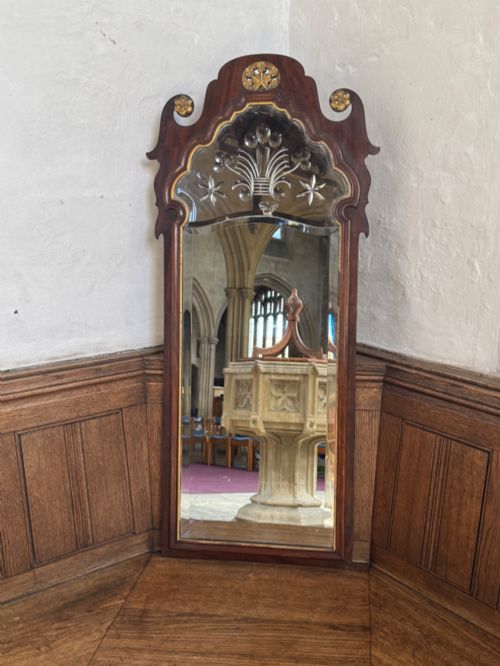
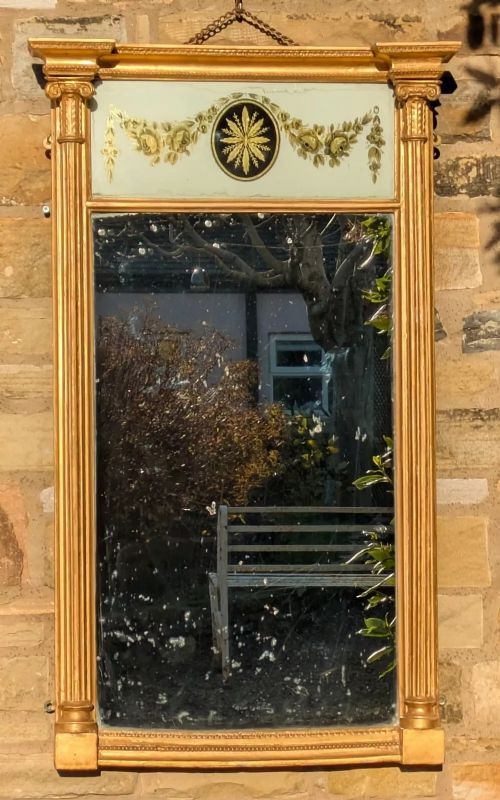
Glaziers set silvered mirror plates into the frames, occasionally incorporating mercury glass or adding decorative verre églomise panels at the top. Detail work included fretwork cutting, parcel-gilding, and the integration of carved motifs such as hoho birds.
Listings feature walnut, mahogany, and sycamore timbers alongside gesso and gold leaf across Georgian and Regency periods.
Distinctions in Execution
The sophistication of the woodcarving distinguishes ordinary frames from exceptional works, particularly in the depth and sharpness of gesso ornament and floral or rococo scrolls. Finer pieces demonstrate careful proportion between the frame width and the mirror plate.
The survival of original glass plates and untouched gilding elevates an object's integrity. Differences in quality also appear in the precision of fretwork joinery and the presence of period secondary timbers.
William Kent·John Belchier·Chippendale
The Georgian Gilt Pier Glass Glossary
- Pier glass
- A tall mirror designed specifically to hang on the narrow wall space between two windows. It frequently matched a console table placed underneath.
- Gesso
- A plaster mixture applied to wood frames to create a smooth surface for gilding. Carvers cut intricate relief designs directly into this hardened layer.
- Verre églomise
- A decorative technique involving cold painting and gilding on the reverse side of glass panels. These panels often appear above the main mirror plate.
- Parcel-gilt
- A decorative treatment where only selected portions of a wooden frame receive gold leaf, leaving the polished walnut or mahogany grain exposed elsewhere.
- Fretwork
- Openwork ornamentation cut from thin boards using a scroll saw. It characterises many eighteenth-century mahogany and walnut frames.
Georgian Gilt Pier Glass: Frequently Asked Questions
Where should I hang a pier glass?
These mirrors suit placement on narrow wall spaces between windows to maximise natural light reflection.
They also function effectively above mantelpieces or as standalone statement pieces in living areas.
What is verre églomise?
This method involves applying gold leaf and painted designs to the reverse side of glass plates.
Craftsmen used these panels to add decorative scenes above the main mirror glass.
How do I identify a revival piece?
Revival mirrors replicate earlier eighteenth-century styles like George I or Adam within nineteenth or twentieth-century production.
Examination of timber age, backboards, and fastener types helps clarify the actual period of manufacture.
Are original mirror plates common?
Some pieces retain their original mercury glass plates, showing characteristic subtle ageing and distortion.
Replacements occur frequently over centuries of domestic use and maintenance.