
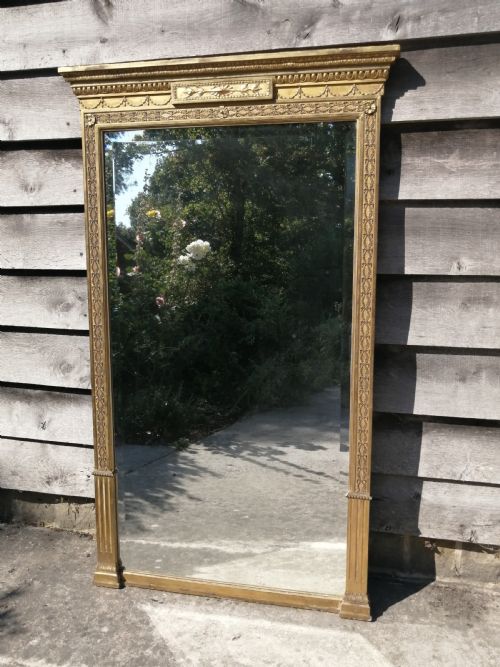
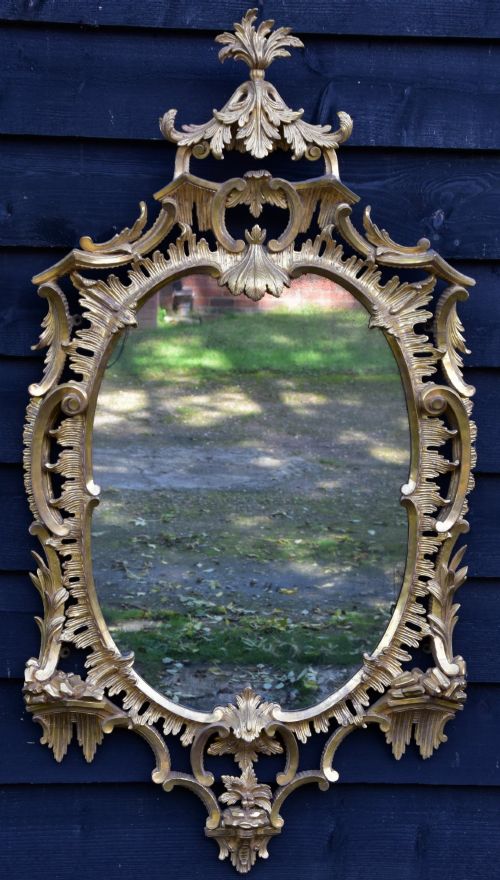
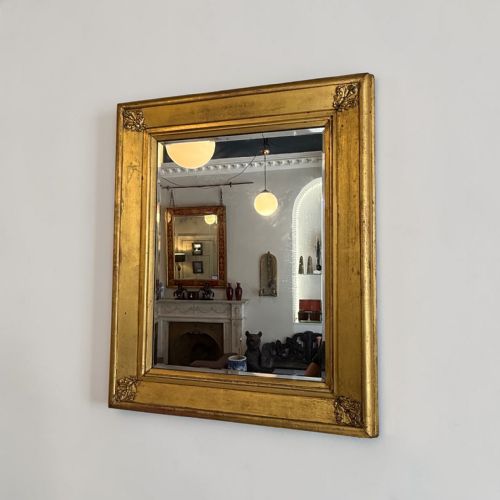
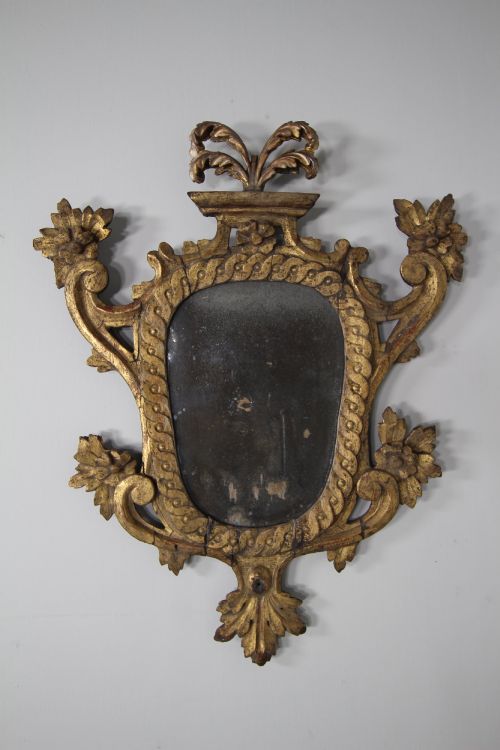
Georgian Gilded Wall Mirror
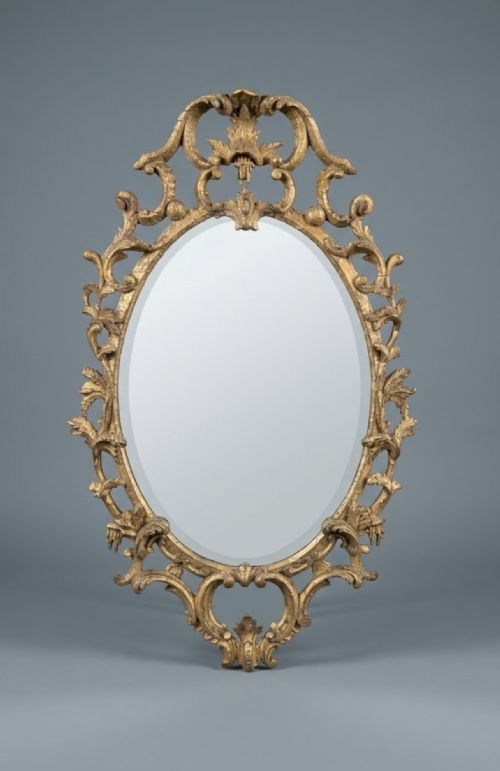
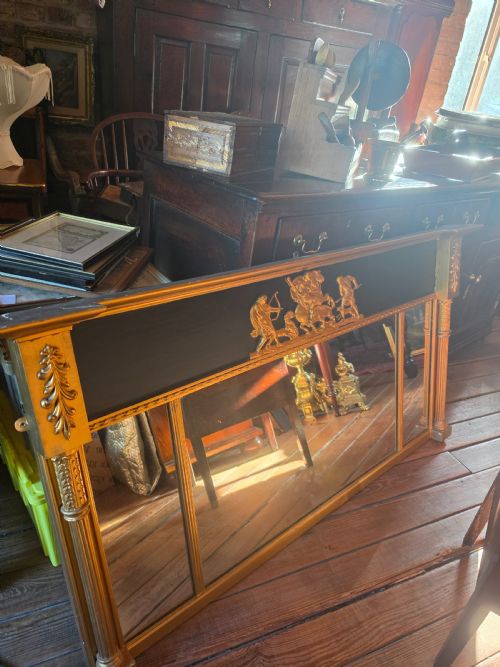
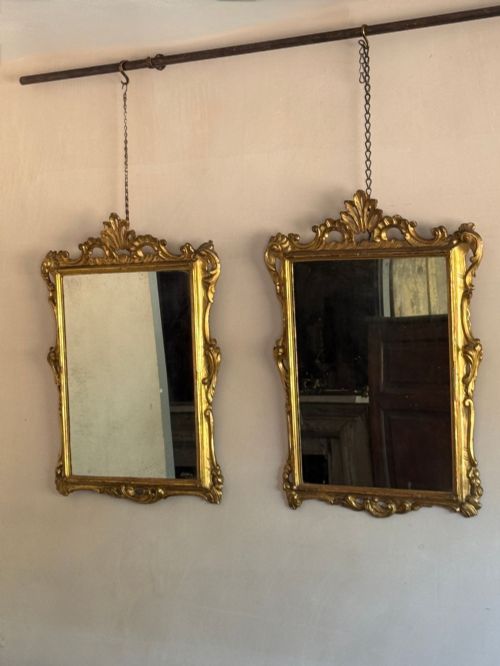
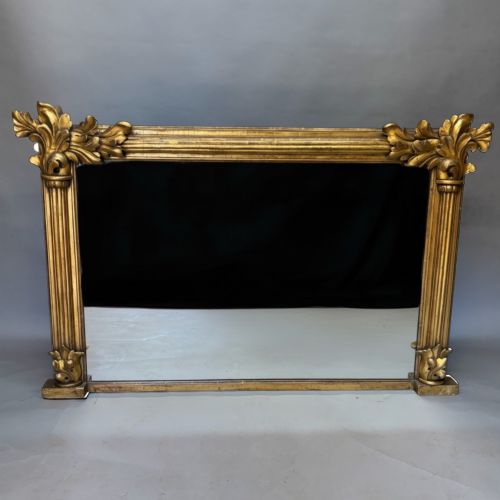
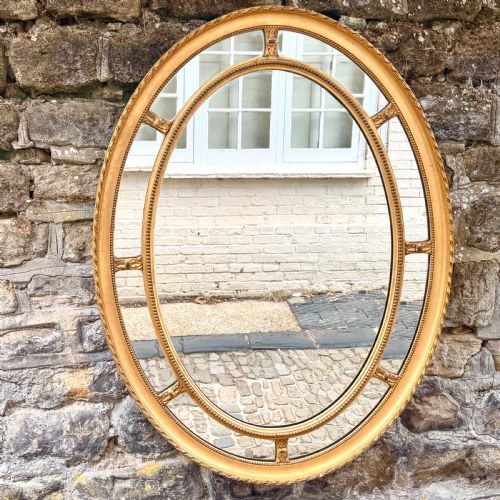
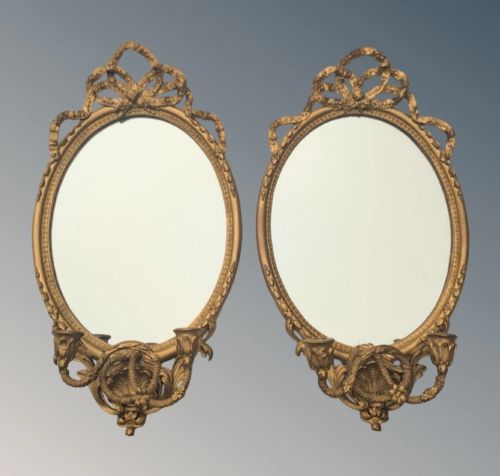
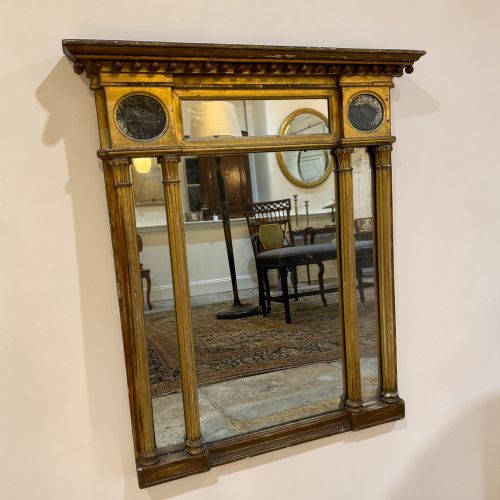
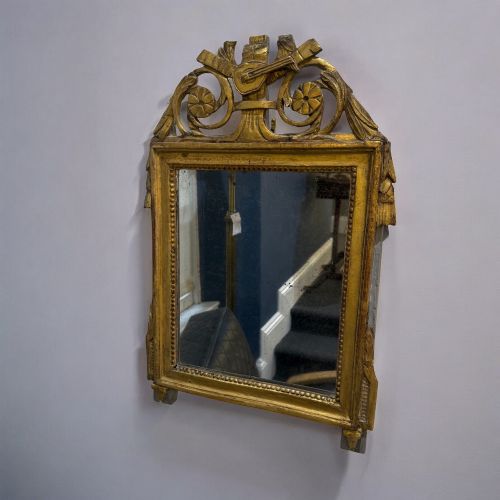
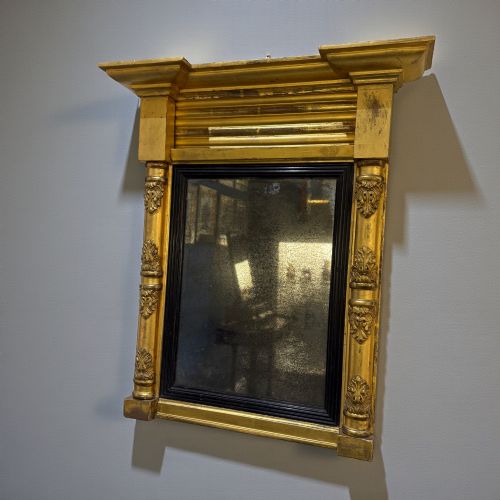
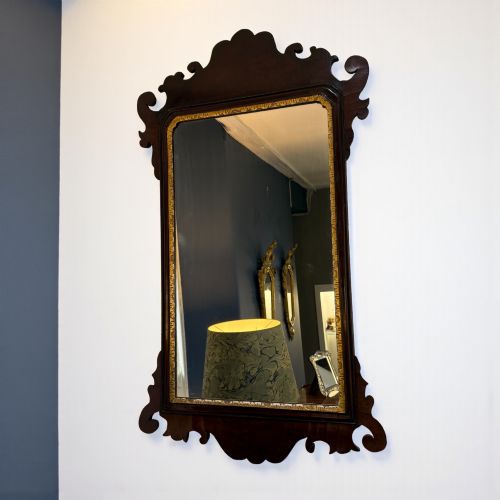
These pieces are a georgian gilded wall mirror, catching the light and opening a room through carved frames and burnished surfaces.
Georgian Gilded Wall Mirror
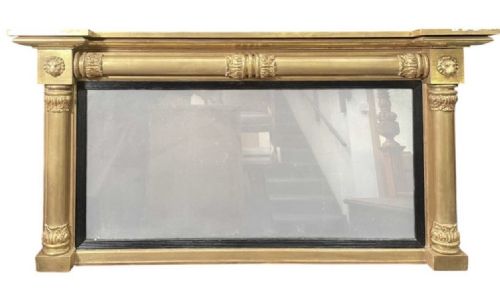
When you search for a georgian gilded wall mirror, you encounter centuries of craftsmanship spanning the 18th century through the Regency period and into later revivals. These objects take several distinct forms, from substantial overmantel and pier mirrors designed for grand reception rooms to smaller oval and convex looking glasses meant for intimate spaces.
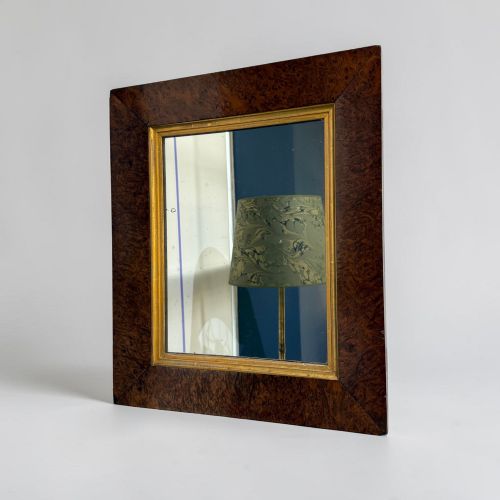
The materials recorded in these pieces include traditional giltwood, gesso, and gold leaf, alongside supporting elements of mahogany, walnut, and ebonised wood. Styles range from restrained classical proportions to exuberant Rococo designs, Chinese Chippendale motifs, and classical Regency treatments.
You are most likely to meet rectangular pier mirrors and round convex glasses on this page, often finished with detailed carvings such as spread eagles, ho-ho birds, and parcel-gilt details. Surviving examples demonstrate how these mirrors served both functional reflective purposes and high-status decorative roles in historic interiors.
How they were made
Makers built these frames using seasoned timber foundations, primarily pine or softwoods for giltwood pieces, and dense hardwoods like mahogany and walnut for fret-cut designs. Artisans applied layers of gesso to the carved wooden base, smoothing and building the surface to receive fine applications of gold leaf or paint.
Carvers worked freehand to shape intricate details such as scrolls, foliage, and crests directly into the wood or onto the applied gesso layer before guilding. Original glass plates, including foxed mercury glass and silvered convex plates, were hand-cast and secured within the rebate using traditional backing boards and pins.
Several birds watch over these rooms, captured mid-perch as carved wooden spread eagles and fret-cut ho-ho birds atop antique frames.
What varies in quality
The depth and sharpness of the hand-carved ornament distinguish finer examples from simpler production, separating crisp acanthus leaves and defined mouldings from softened, shallow execution. Superior pieces retain their original gilded surfaces and gesso build-up, showing natural burnishing and wear rather than heavy modern repainting.
The integrity of the frame construction and the survival of the original mirror plate heavily influence the standing of an individual piece. Original antique glass with characteristic foxing or untouched silvering maintains the historic character of the mirror, whereas later replacements alter the authentic visual balance.
Gillows Of Lancaster
The Georgian Gilded Wall Mirror Glossary
- Giltwood
- Wood that has been coated with gold leaf over a prepared gesso ground. This finish provides the characteristic bright, reflective surface seen on traditional frames.
- Gesso
- A plaster-like mixture applied to wooden frame foundations to create a smooth, responsive surface for fine carving and subsequent gilding. It allows for sharp, detailed relief work.
- Convex glass
- A curved mirror plate that projects outward, capturing a wide, distorted reflection of the entire room. These plates were especially popular during the Regency period.
- Pier mirror
- A tall, narrow looking glass designed specifically to hang on the wall space between windows. They often sat above matching console tables.
- Verre eglomise
- A cold decoration technique where design elements are painted and gilded on the reverse side of glass panels. These panels frequently surmounted the main mirror plate in Regency pier glasses.
Georgian Gilded Wall Mirror: Frequently Asked Questions
Where should I hang a convex mirror?
Convex mirrors work best on principal walls in reception rooms or hallways where their wide-angle reflection can capture the entire space. Placing them opposite a window maximises the incoming daylight.
Because of their optical distortion, they are typically hung at eye level to serve as a focal point rather than a functional grooming glass.
How do I identify a Regency mirror?
Regency mirrors frequently feature bold classical motifs such as reeded ebony inner slips, balls set into the frame mouldings, and convex plates surmounted by carved eagles. The overall design leans towards clean architectural lines and heavy gilt surfaces.
Comparing the proportions and ornament to documented examples helps separate this period from earlier Georgian or later Victorian revivals.
What is an overmantel mirror?
An overmantel mirror is a wide horizontal glass specifically proportioned to hang on the wall above a fireplace mantelpiece. They were traditionally used to bounce firelight around the room and visually expand the hearth area.
Many surviving examples feature arched tops or elaborate crestings designed to complement the surrounding architectural chimneypiece.
Should I clean antique mirror glass?
Historic mirror glass and delicate gilt surfaces require minimal intervention to preserve their original patination and fragile finishes. Avoid modern chemical sprays or abrasive cloths that can damage old silvering and flake the surrounding gold leaf.
Dusting lightly with a dry, soft cloth is usually sufficient for routine maintenance of the frame and glass.