

Georgian Furniture on Stand
These georgian furniture on stand pieces combine practical elevation with fine cabinetry, bringing distinct historical utility to any room.
Georgian Furniture on Stand
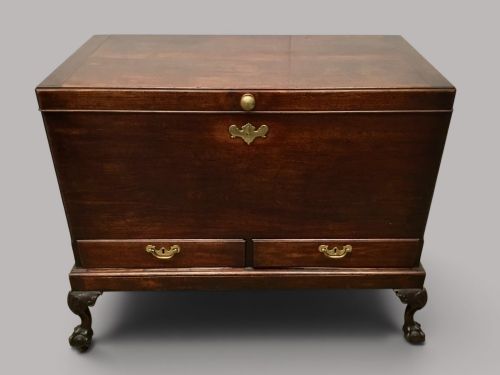
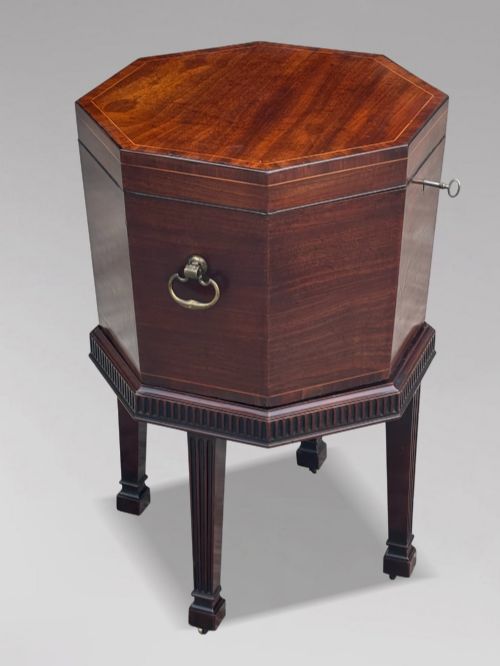
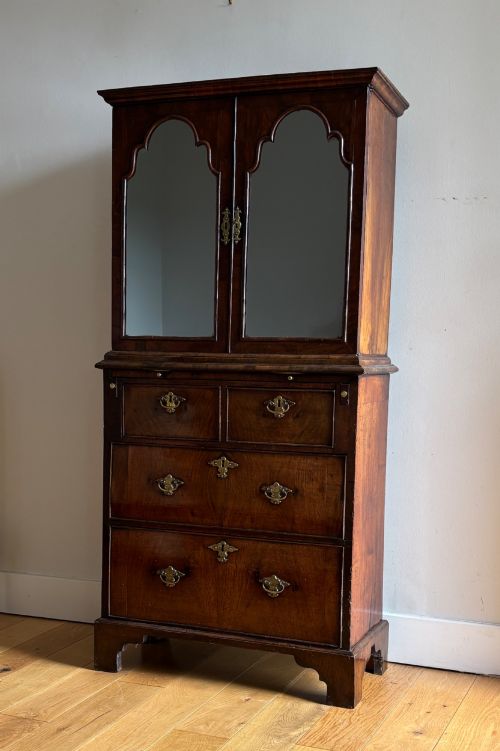
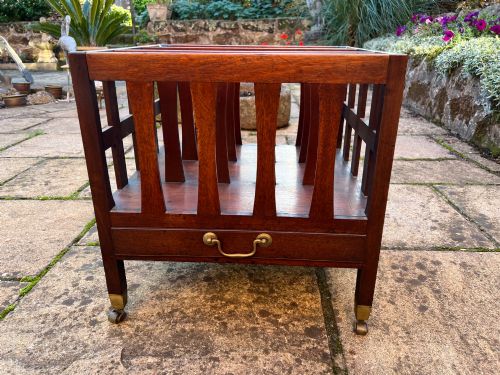
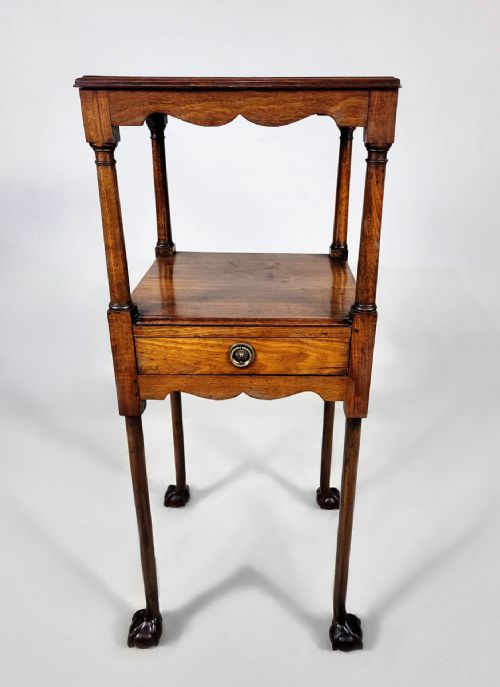
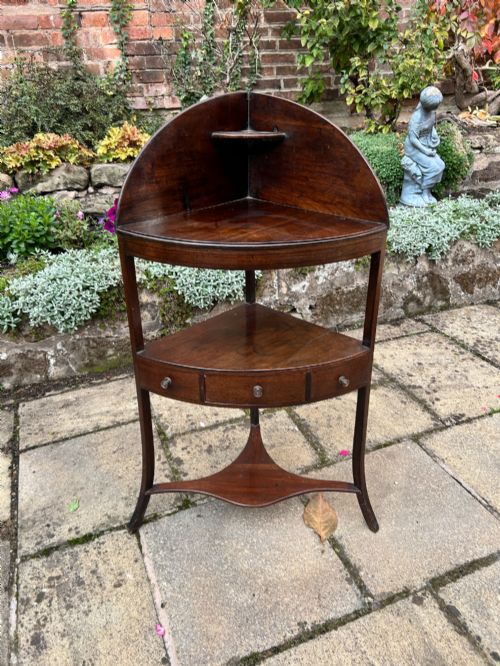
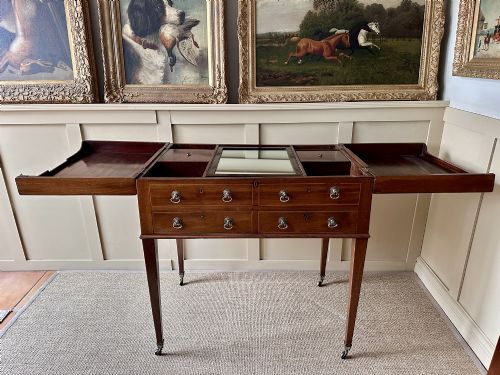
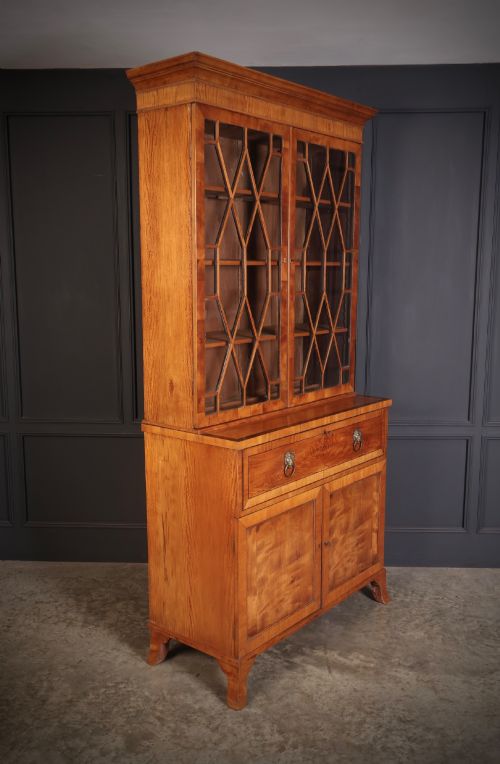
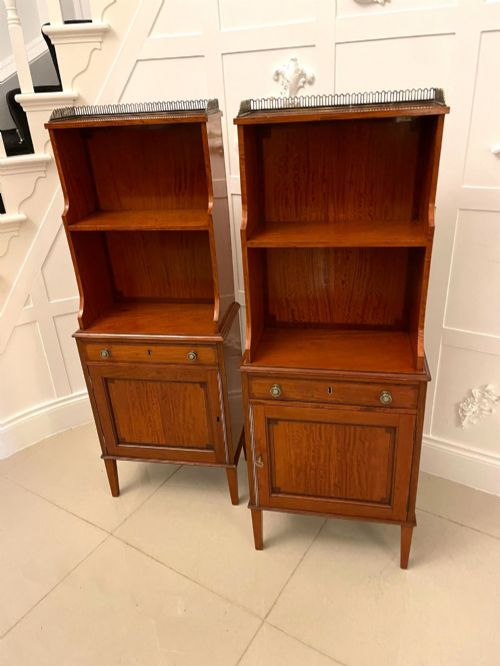
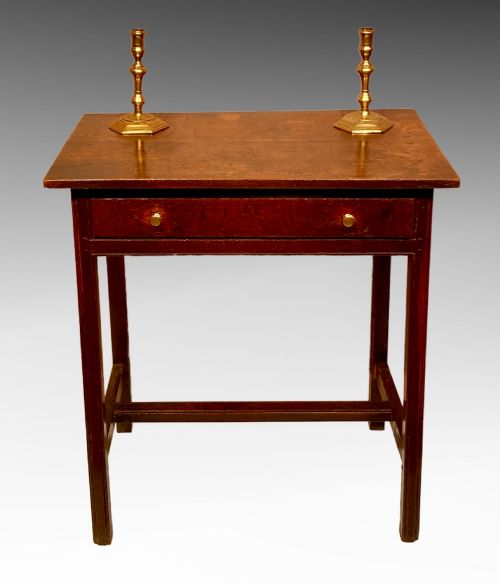
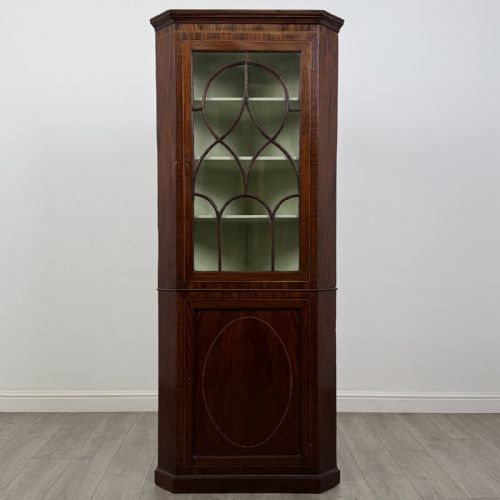
When you search for georgian furniture on stand, you encounter pieces designed to elevate storage and display, most notably chests on stand, cabinets, and basin stands originating from the 18th century and the Regency period. These forms combine a primary cabinet or coffer body with a dedicated base frame, offering structured elevation.
How they were made
Cabinetmakers constructed these pieces using dense hardwoods such as mahogany, walnut, and oak, often applying figured veneers like satinwood and burr walnut to primary visible surfaces. Secondary structural elements commonly utilise pine or elm.
Joinery techniques relied on traditional hand-cut dovetails for drawer construction and mortise and tenon joints for the stands. Surfaces frequently received a polished finish or remained in their original painted or polished state.
Georgian Furniture on Stand Retail Price Guide 2026
Typical asking prices for georgian furniture on stand among the pieces listed under this phrase on Sellingantiques today, from the lower quarter to the upper quarter. They describe what is for sale here now, not the wider market.
Listings feature mahogany, walnut, oak, satinwood, and rosewood across Georgian and Regency periods.
What varies in quality
The distinction between standard examples and the finest works rests upon the choice of timber and the precision of the underlying joinery. Superior items display exceptionally figured veneers, crisp mouldings, and integrated stands that match the exact proportions of the upper body.
Integration between the upper section and the stand remains a key indicator of integrity. Pieces retaining their original supporting frames, hardware, and surface patination command greater interest than those with altered or replaced bases.
Gillows
The Georgian Furniture on Stand Glossary
- Chest on stand
- A cabinet or set of drawers built to sit upon a separate supporting frame with legs. This form elevates storage off the floor.
- Whatnot
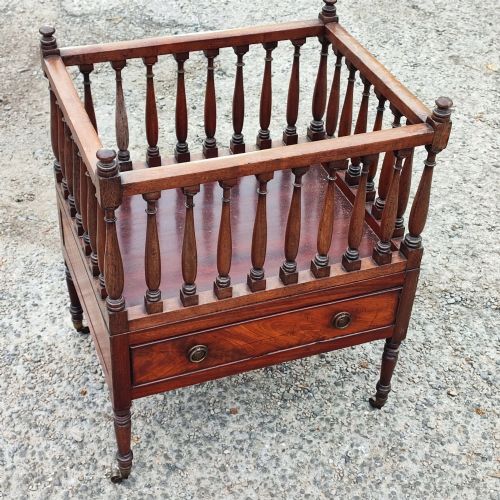
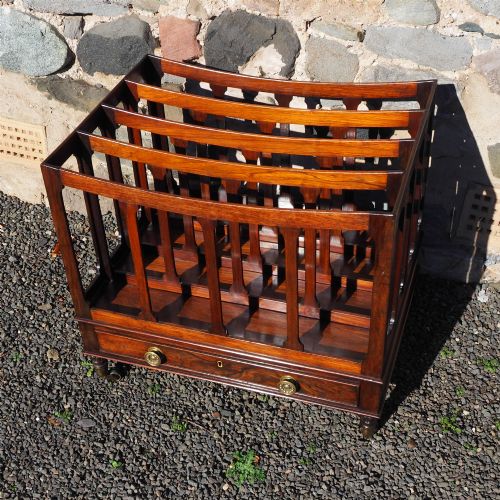
- An open set of tiered shelving units used for displaying books or ornaments. These pieces typically feature slender vertical corner supports.
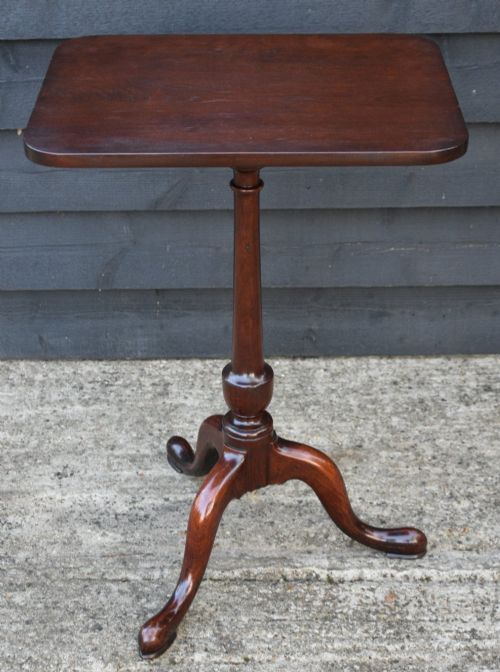
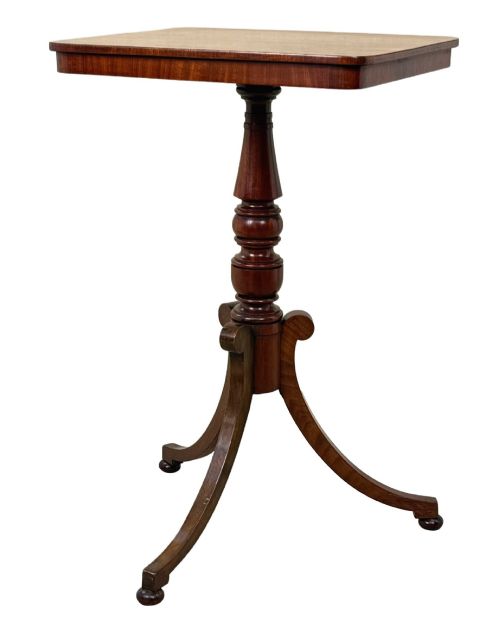
- Tripod table
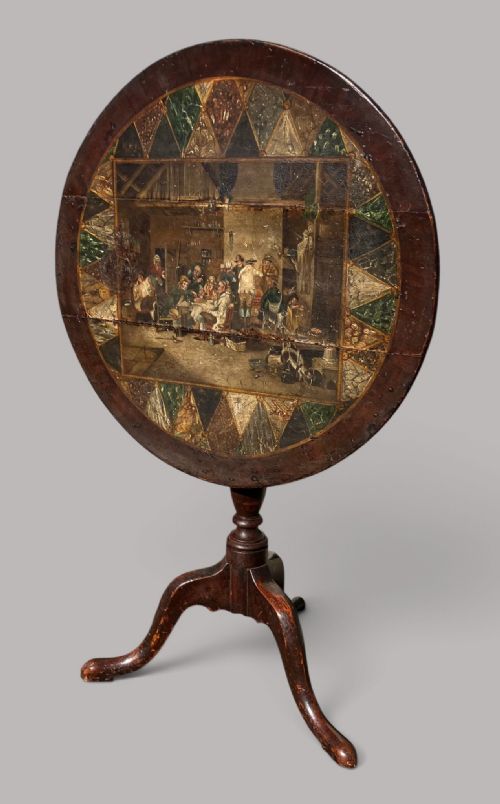
- A small occasional table supported by a central pillar above three splayed legs. Many examples incorporate a tilt-top mechanism.
- Wine table
- A compact occasional table designed for holding glasses or bottles during social gatherings. They frequently appear in mahogany or fruitwood.
- Gallery
- A raised wooden or brass rim surrounding the edge of a tabletop or stand. This feature prevents items from sliding off the surface.
Georgian Furniture on Stand: Frequently Asked Questions
What is georgian furniture on stand?
These are elevated cabinets, chests, and tables created during the 18th and early 19th centuries. They pair a storage or display body with a fitted base frame.
Such pieces range from walnut chests on stand to mahogany wine tables and multi-tiered whatnots. Each form serves specific domestic tasks while providing raised storage.
How were these stands used?
Owners used these elevated pieces to store valuables, linens, and documents safely above damp or drafty floors. Smaller stands held drinks, books, or wash basins in reception rooms and bedrooms.
The raised design kept contents easily accessible without requiring deep bending. This made them versatile additions to period interiors.
How do I identify a Georgian piece?
Examination of the timber, construction methods, and secondary woods reveals the period. Georgian makers relied on solid mahogany, oak, and walnut with hand-cut joinery.
Proportions, hardware styles, and patination patterns also help distinguish 18th-century work from later revivals. Original backboards and drawer linings provide further chronological clues.
How should I care for timber stands?
Keep these pieces away from direct heat sources and strong sunlight to prevent wood shrinkage and fading. Maintain a stable indoor humidity level.
Apply traditional beeswax occasionally to nourish the surface polish. Avoid modern silicone sprays that can damage historic finishes.