

Georgian Framed Engravings
Georgian framed engravings bring the rich character of eighteenth-century portraiture and classical design directly to your walls.
Georgian Framed Engravings
When searching for georgian framed engravings, buyers look at works on paper created during the eighteenth and early nineteenth centuries, housed in period surrounds.
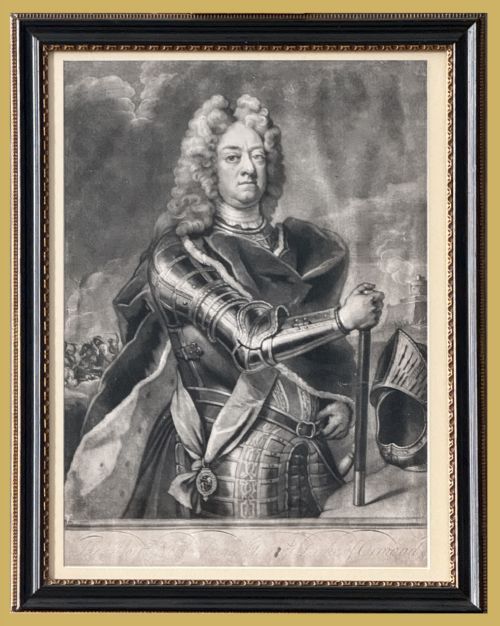
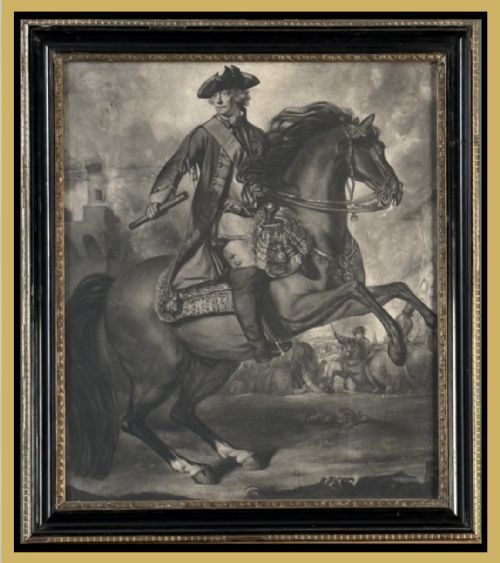
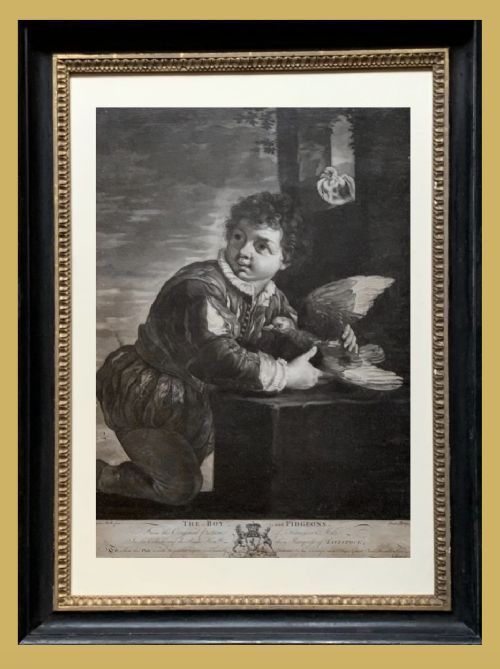
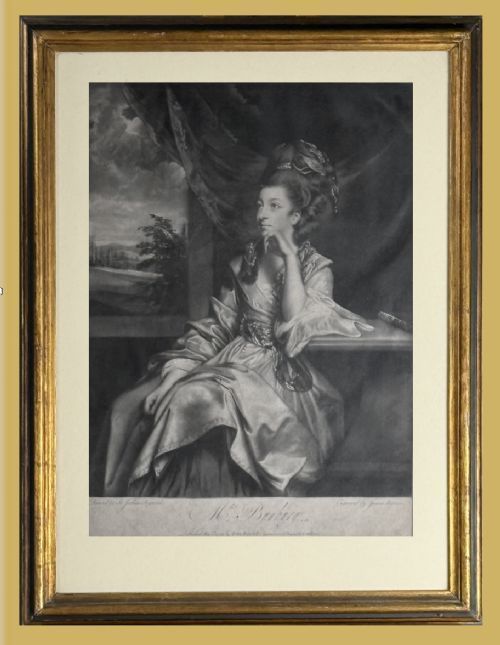
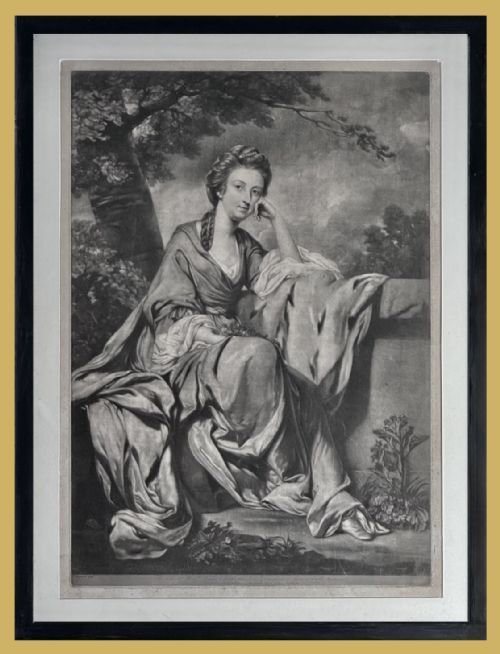
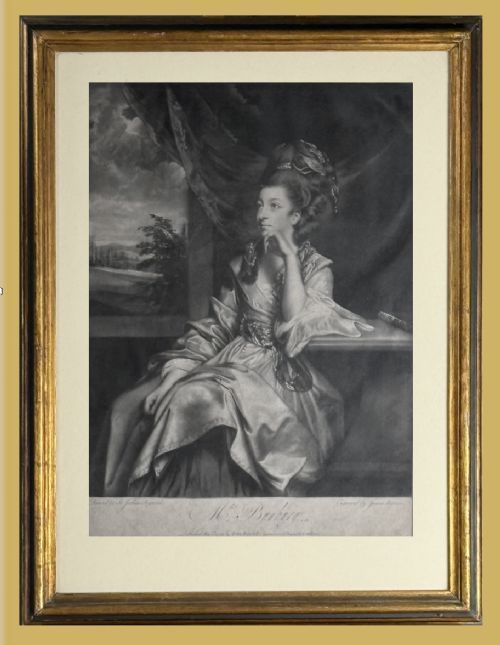
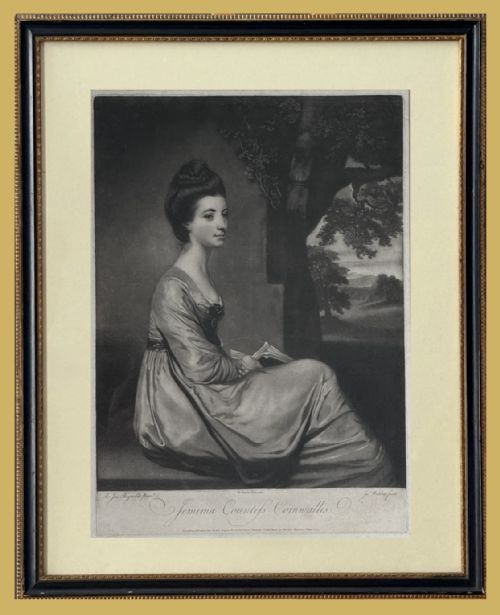
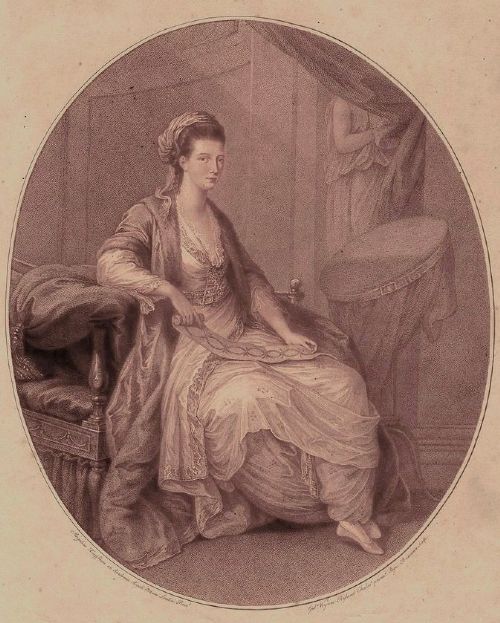
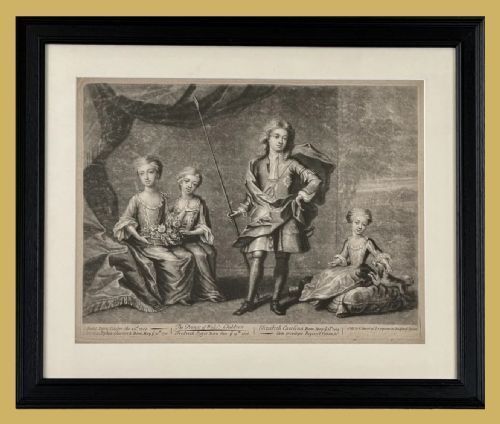
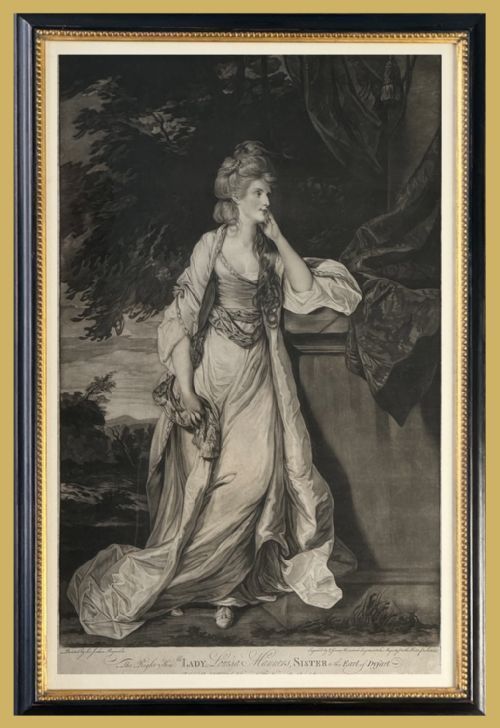
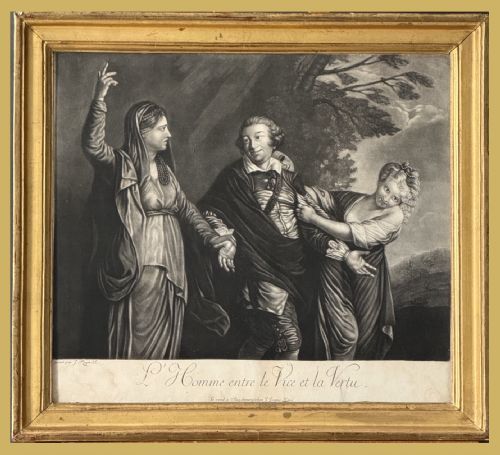
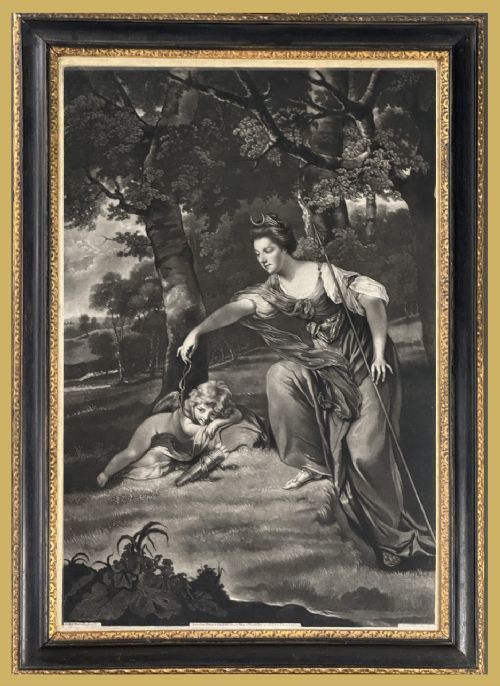
The most common examples on this page are mezzotint and stipple portraits after painters like Sir Joshua Reynolds, executed by notable printmakers.
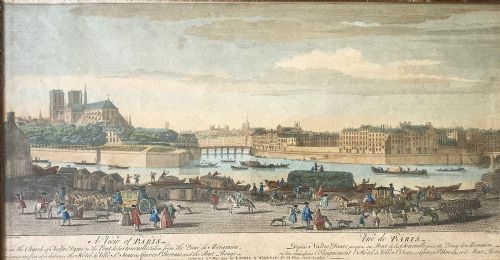
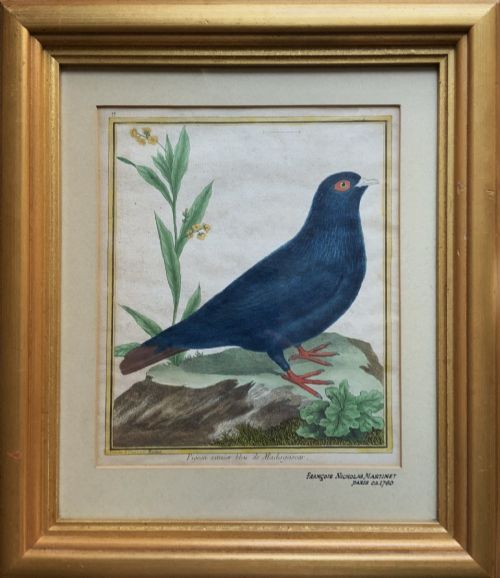
Subjects range from nobility and military leaders to allegorical scenes, theatrical figures and ornithological studies.
Materials and methods
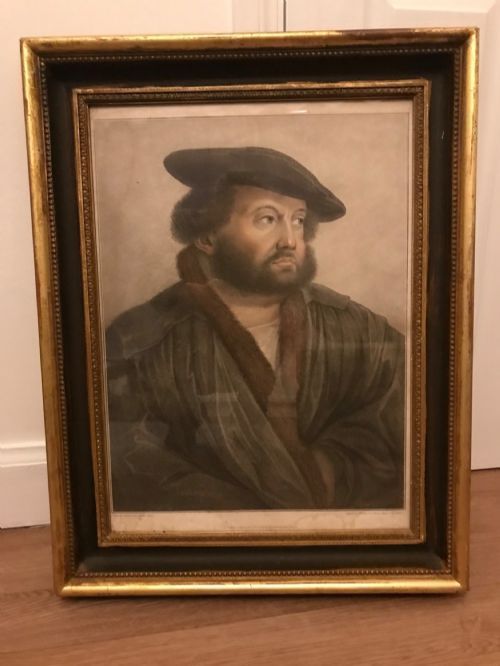
Printmakers utilised techniques such as mezzotint and stipple engraving on paper, sometimes adding hand colouring to enhance the printed ink.
The resulting works are secured behind glass within wooden frames finished in gold leaf, gilt wood or giltwood.
Materials recorded across the inventory include paper, ink, glass, wood, gold leaf, gilt wood and giltwood.
Distinctions in quality
Quality depends upon the clarity of the plate impression and the skill of the engraver translating the original painter's composition onto copper.
The preservation of the paper surface, the vibrancy of any original hand colouring and the originality of the accompanying gilt frame elevate certain examples above others.
John Simon·Edward Fisher·John Boydell·James Watson·Francesco Bartolozzi·John Smith·Valentine Green·Thomas Frye
The Georgian Framed Engravings Glossary
- Mezzotint
- A printmaking process where the copper plate is roughened uniformly to produce rich dark tones and subtle gradations of light. This method was widely used for dramatic portraiture.
- Stipple engraving
- A technique using dots of varying density to create tonal effects and soft flesh tones, popular for neoclassical subjects.
- Giltwood
- Wood carved and coated with gold leaf or a gold-coloured finish. This material characterises the traditional framing of the period.
- Plate mark
- The indentation left on the paper by the edge of the copper plate during the printing press operation. It confirms the authenticity of an antique print.
Georgian Framed Engravings: Frequently Asked Questions
How do I identify a true Georgian frame?
Authentic period frames typically exhibit traditional joinery, heavy timber construction and genuine gilt leaf application that shows age-related wear beneath the gold.
Closer inspection often reveals older glass panels with minor bubbles or imperfections typical of eighteenth-century manufacturing methods.
What is the difference between an engraving and a mezzotint?
Standard line engravings rely on sharp incisions made directly into the metal plate to outline the subject with crisp precision.
Mezzotints work from dark to light by roughening the entire plate surface, creating deep tonal shadows and painterly transitions favoured for portraiture.
Are these works hand coloured?
Some botanical or topographical examples feature original hand colouring applied with watercolour washes shortly after the ink impression dried.
Many portrait prints, however, rely entirely on the tonal qualities of black or sepia ink without additional colour.
How should I care for framed paper art?
These works require placement away from direct sunlight to prevent the fading of printer's ink, paper degradation and gilt frame damage.
Maintaining stable room humidity protects the fragile paper and prevents the wooden frame backing from warping over time.