


Set of Portrait Prints
A set of portrait prints gathers likenesses and characters together on paper, offering an immediate gallery of historic faces and figures.
Set of Portrait Prints
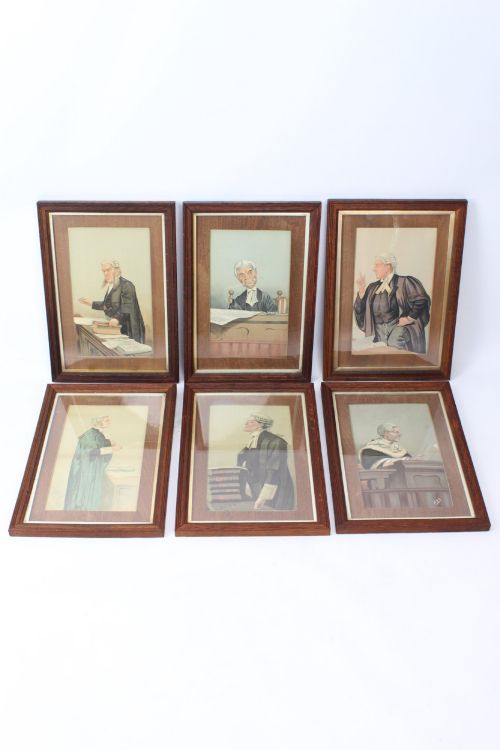
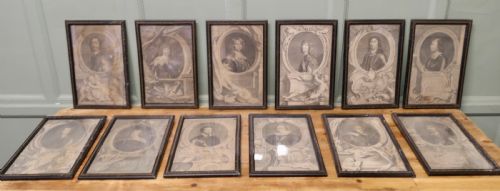
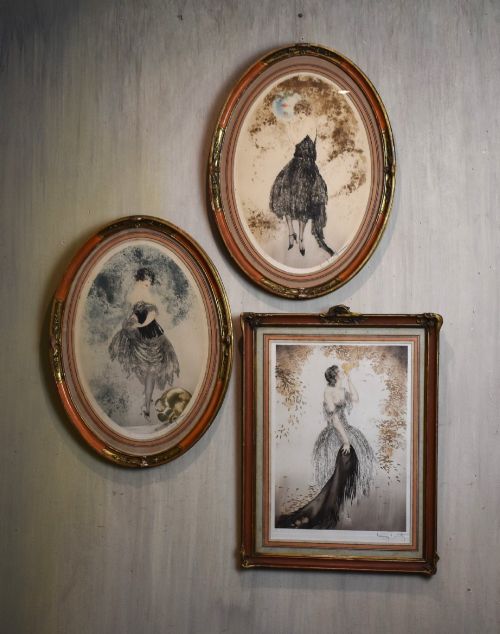
A set of portrait prints brings together multiple framed works on paper, capturing recognizable personalities, types or figures from history. Buyers seeking a set of portrait prints encounter groupings ranging from Victorian caricatures and Edwardian society personalities to eighteenth-century engravings of royalty and dignitaries.
The selections on this page span several centuries and styles, including Japanese woodblock prints, mezzotints, engravings and photographic racehorse studies. Whether depicting statesmen, jockeys, theatrical actors or artists' models, these groupings provide a cohesive visual narrative across multiple frames.
How they were made
The creation of these works relies fundamentally on paper, ink and various printmaking techniques such as engraving, mezzotint and woodblock printing. Artisans employed skilled methods to transfer fine lines and tonal gradations onto paper sheets before mounting them behind glass.
Frames play a structural and aesthetic role, frequently utilising wood, metal and gilt wood to house the prints securely. Additional decorative elements such as tinsel and decoupage appear alongside mixed media and gouache applications in specific theatrical and portrait examples.
Listings feature paper works utilising ink, gouache, and woodblock techniques across periods from the eighteenth century to the mid-twentieth century.
What varies in quality
The distinction between tiers of work rests on the clarity of the impression and the fidelity of the ink transfer across the paper. Sharper lines and richer tonal depths in engravings and mezzotints elevate the visual impact of the grouping.
Framing and preservation also dictate the overall standard, with period gilt wood frames and clean glass protection contributing significantly to the presentation. Complete sets that retain their original formatting demonstrate greater integrity than assembled collections.
Louis Icart·Edward Stodart·Kitagawa Utamaro·Jacobus Howbraken·Matisse
The Set of Portrait Prints Glossary
- Mezzotint
- A printmaking process of the intaglio family where the plate is roughened to achieve rich dark tones and subtle gradations of light. This technique allows for velvety backgrounds and smooth facial modelling.
- Engraving
- A method of cutting design into a metal plate with a burin so that the resulting ink lines form the image under pressure. It yields crisp, enduring lines suitable for detailed portraiture.
- Woodblock print
- A technique where an image is carved into a block of wood, inked, and transferred to paper. Japanese examples often employ multiple blocks for distinct colour applications.
- Tinsel print
- A popular nineteenth-century theatrical print embellished with pieces of tinsel, silk and fabric applied by hand. These works capture performers in character with shimmering detail.
- Gilt wood
- Wood that has been coated with a thin layer of gold leaf or gilt finish. Frames utilising this material provide a traditional decorative border for historic prints.
Set of Portrait Prints: Frequently Asked Questions
How should I hang a set of portrait prints?
Arrange the frames at eye level with consistent spacing to allow the group to read as a single visual unit.
Keep them away from direct sunlight to protect the paper and ink from fading over time.
What periods do these portrait prints come from?
The selections span multiple eras, including eighteenth-century engravings, Victorian caricatures and early twentieth-century works.
Each period utilises distinct printing techniques and framing styles characteristic of its time.
Are these prints original period pieces?
The listings comprise authentic historical prints from periods such as the eighteenth, nineteenth and early twentieth centuries.
Materials and printing methods correspond directly to the stated era of each set.
How do I care for framed paper prints?
Maintain stable indoor humidity levels and avoid damp environments to prevent paper degradation and mould growth.
Dust the frames gently with a dry cloth and avoid spraying cleaning liquids directly onto the glass.