

Georgian Engraved Portraits
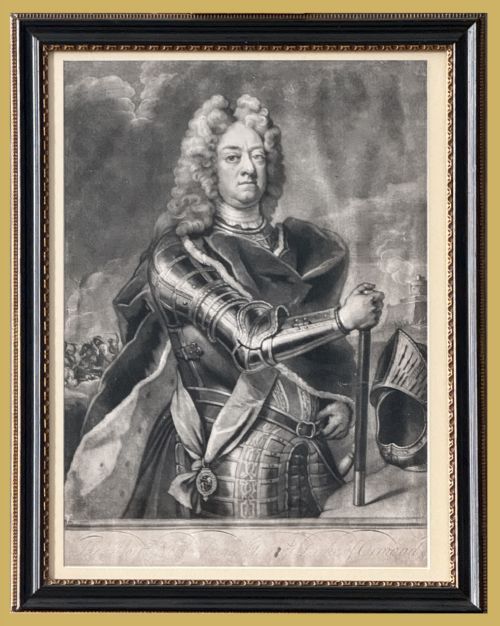
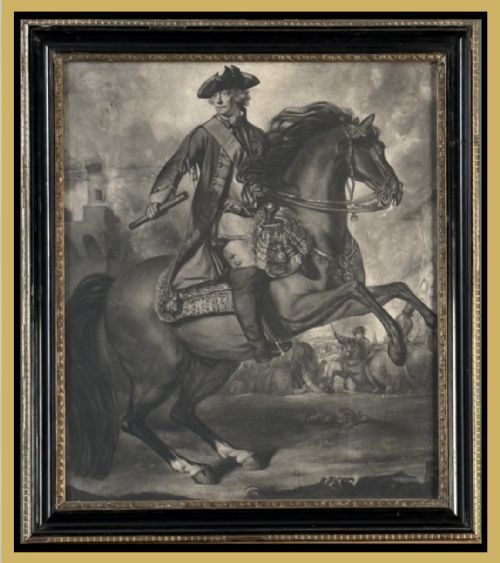
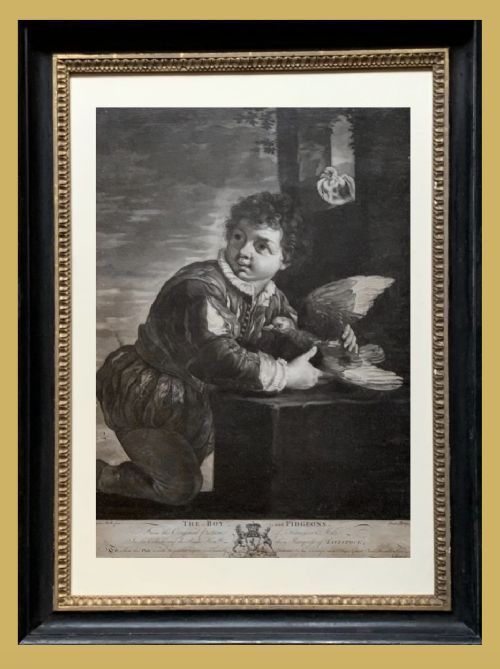
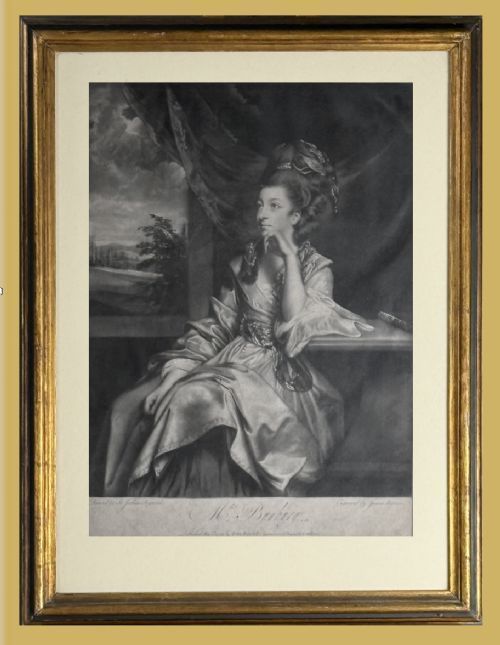
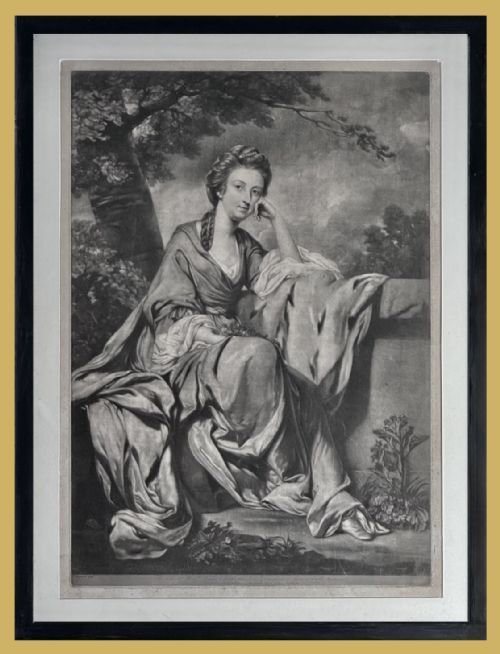
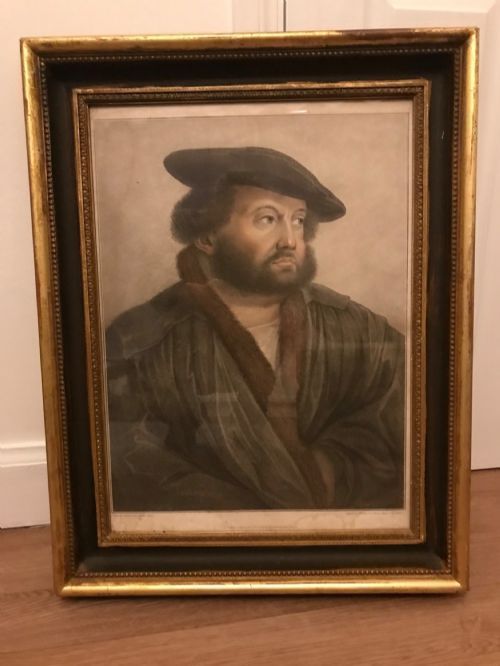
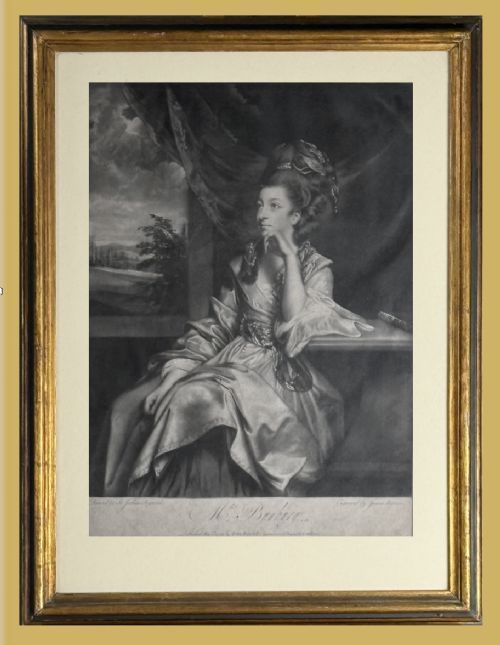
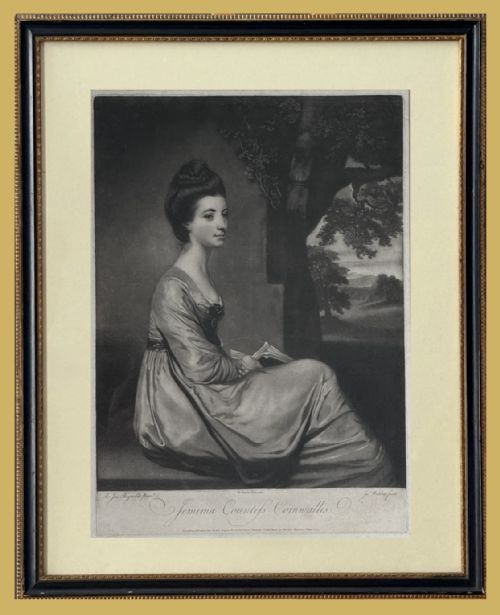
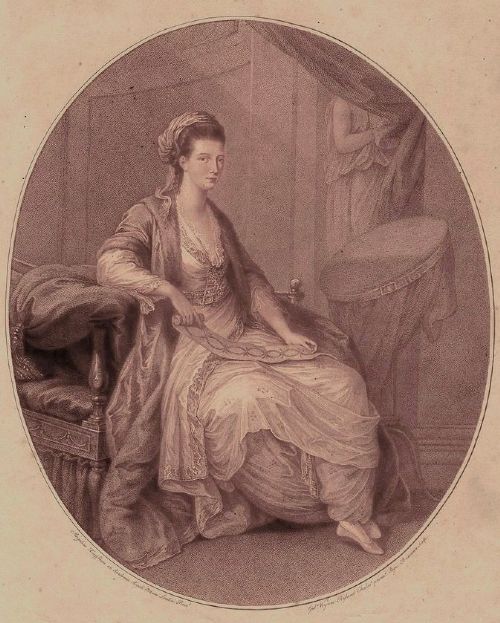
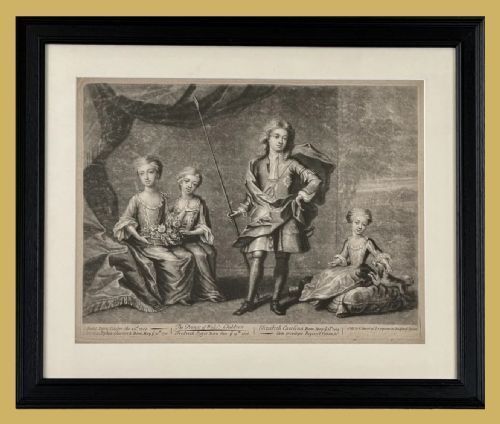
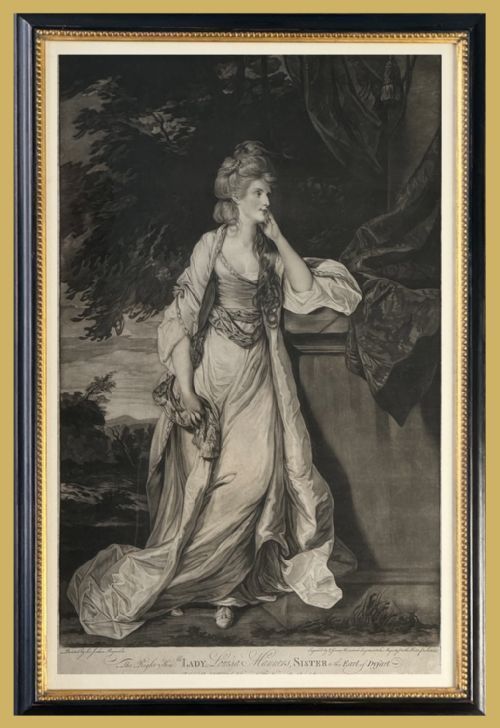
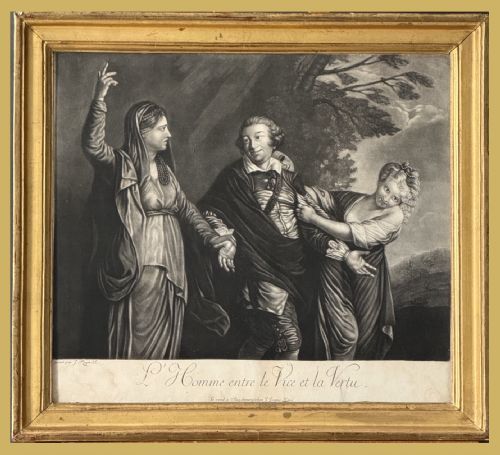
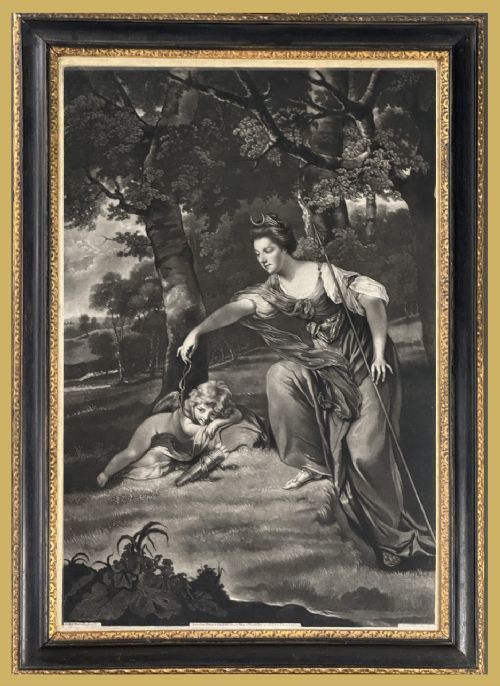
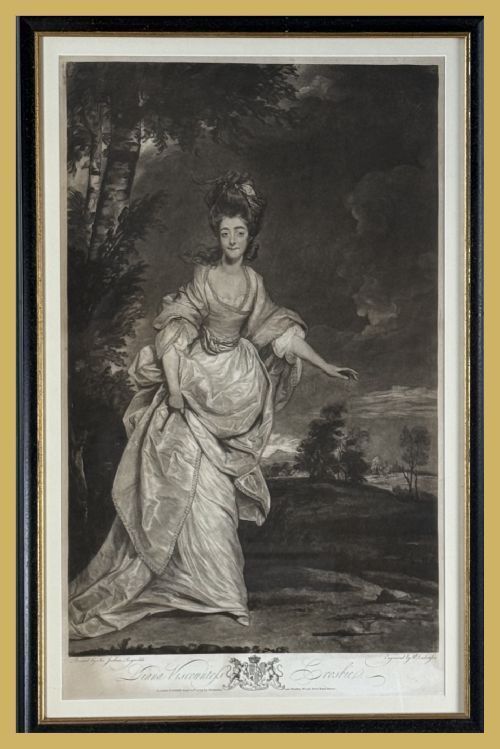
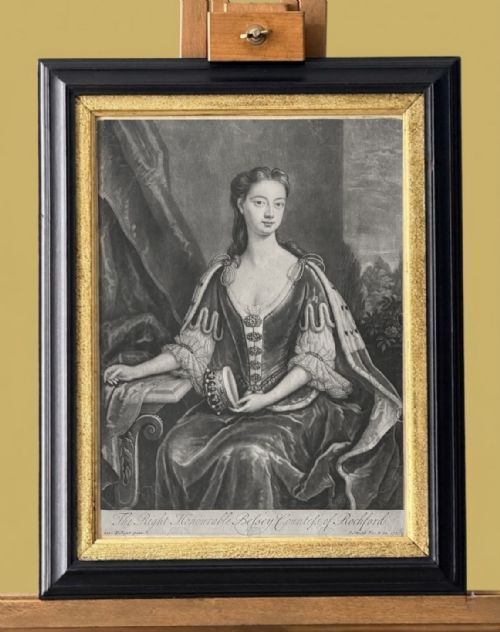
Georgian engraved portraits capture the likenesses of nobility and notable figures through delicate ink on paper, housed within period wooden frames.
Georgian Engraved Portraits
Georgian engraved portraits encompass printed likenesses of historical figures, nobility, and artists produced during the eighteenth and early nineteenth centuries.
Buyers on this page will most frequently encounter framed prints and wall art executed in print and engraving techniques from the eighteenth century.
These works often represent notable sitters originally painted by prominent artists of the period such as Sir Joshua Reynolds and Sir Godfrey Kneller.
Materials and Techniques
These portraits rely primarily on ink applied to paper through specialised engraving methods, capturing fine tonal variations and delicate lines.
Framing materials such as wood, gilt wood, and glass serve to protect the delicate paper substrates while providing period-appropriate presentation.
Mezzotint and stipple engraving techniques allow printmakers to achieve rich dark tones and subtle gradations that emulate oil paintings.
Artistic collaborations dominate the selection, pairing engravers like James Watson with portrait painters such as Sir Joshua Reynolds.
Factors of Quality
Quality rests significantly upon the skill of the printmaker in translating an artist's original painted canvas into inked impressions on paper.
The clarity of the impression and the richness of the ink mark the difference between early strikes and later impressions.
The preservation of the paper sheet alongside the originality of the period wooden or gilt frame contributes substantially to the standing of a piece.
John Simon·Edward Fisher·John Boydell·James Watson·Francesco Bartolozzi·John Smith·Valentine Green·James McArdell·Richard Houston·Richard Purcell
The Georgian Engraved Portraits Glossary
- Mezzotint
- A printmaking process where the copper plate is roughened to produce dark tones, allowing smooth gradations of light and shade.
- Artist proof
- An impression printed to test the plate, usually pulled before the edition is officially published.
- Reverse painted
- A decorative technique where paint is applied directly to the underside of glass to create a finished picture viewed from the front.
Georgian Engraved Portraits: Frequently Asked Questions
What is a mezzotint portrait?
A mezzotint portrait is an intaglio print created by roughening a copper plate to produce rich, velvety dark areas and subtle tonal gradations.
This technique was frequently utilised during the Georgian period to reproduce oil paintings of notable figures with remarkable depth.
How should these prints be displayed?
These works require hanging away from direct sunlight to prevent the ink and paper from fading over time.
Keeping them behind protective glass within their period wooden frames helps shield the paper from atmospheric moisture and dust.
Are these portraits original period pieces?
The listings consist primarily of works originating from the eighteenth and nineteenth centuries, executed using traditional printmaking methods of those eras.
Makers utilised techniques such as stipple and line engraving to produce contemporary records of famous sitters and artists.
How do stipple engravings differ from line engravings?
Stipple engravings utilise clusters of small dots to render soft contours and flesh tones, creating a painterly effect.
Line engravings rely instead on crisp, incised strokes to define sharp outlines and structured details across the composition.