



Georgian Floral Ceramic Urn
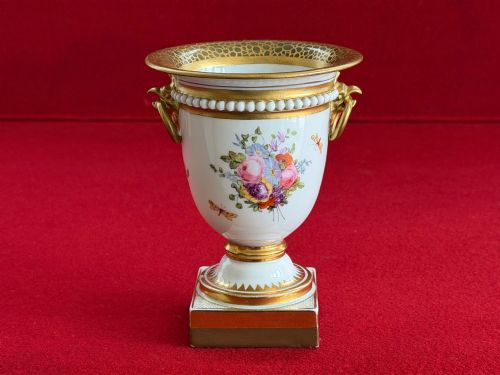
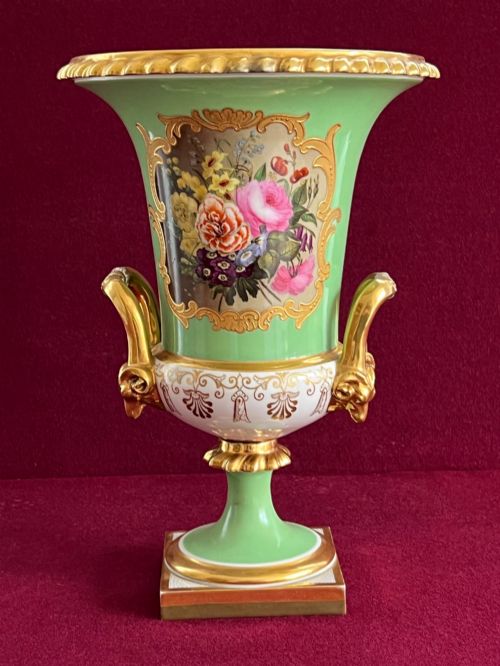
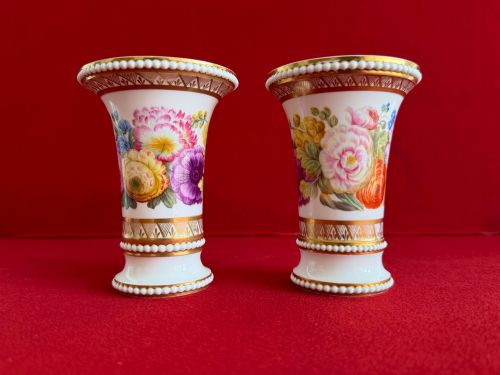
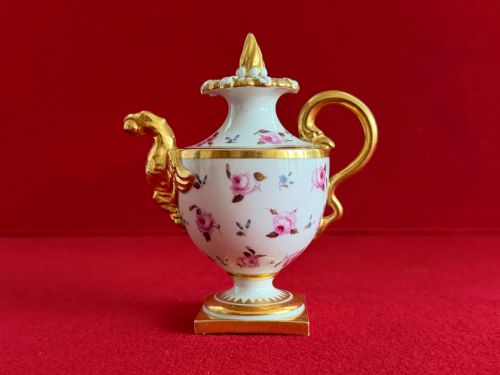
These georgian floral ceramic urn pieces bring botanical painting and classical form together for any tabletop or mantelpiece.
Georgian Floral Ceramic Urn
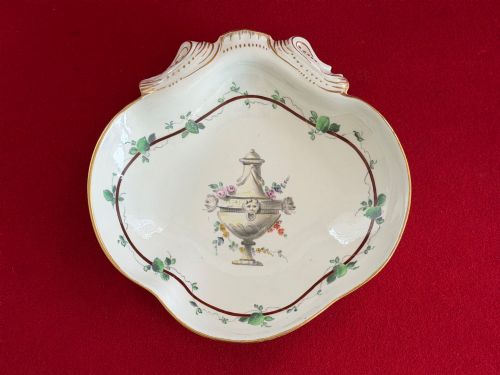
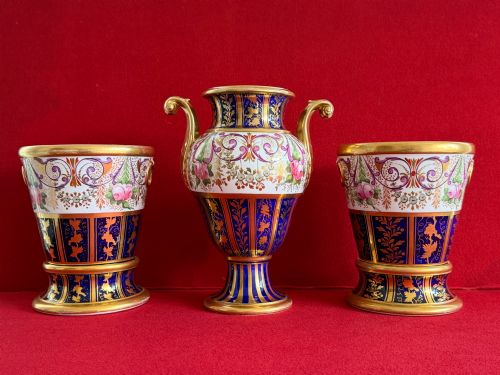
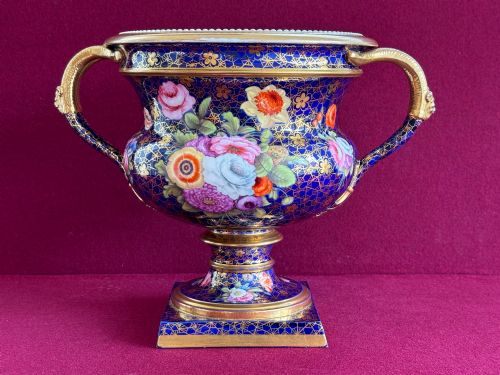
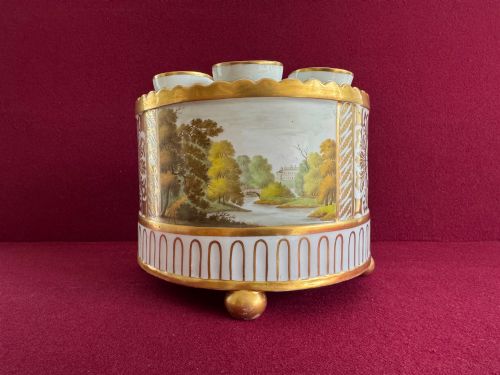
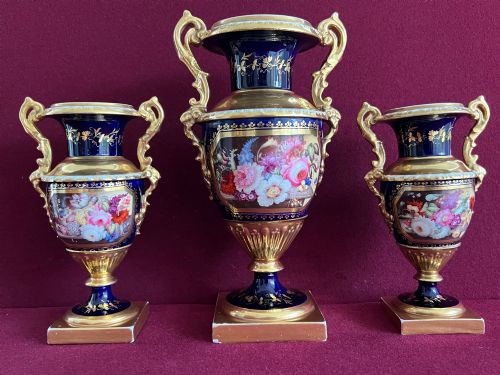
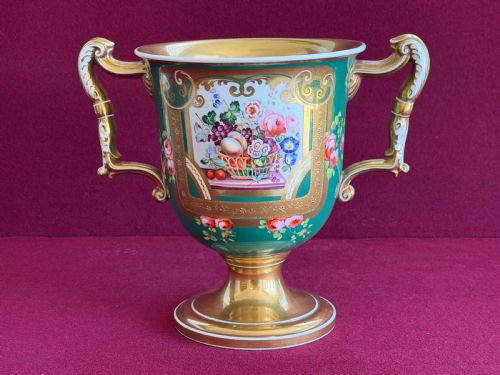
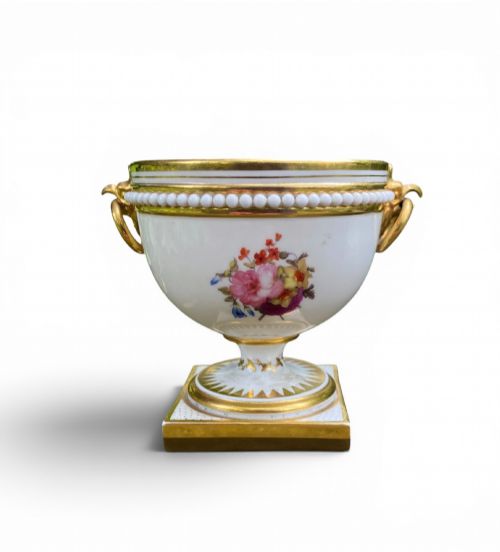
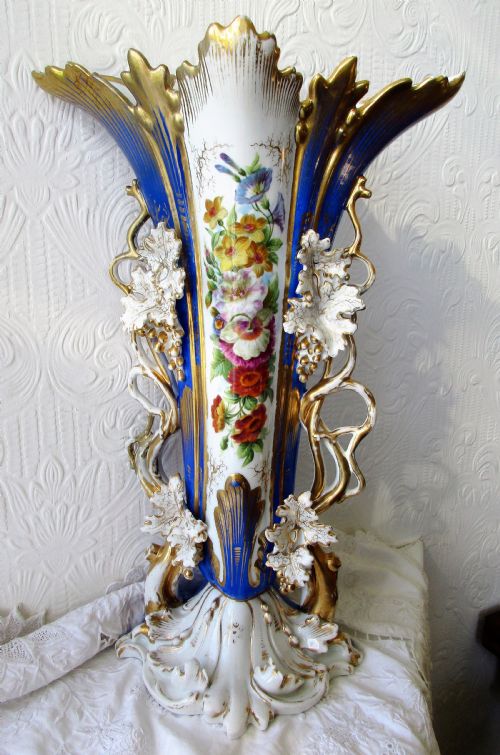
When searching for a georgian floral ceramic urn, collectors encounter decorative vessels, vases, ice pails, loving cups, and rose water sprinklers originating from the Georgian and Regency periods. These items combine classical urn silhouettes with painted or transfer-printed floral decoration.
The objects seen here span earthenware, creamware, ironstone, and porcelain. Many pieces display rich enamel colours alongside gilding and gold leaf accents.
How they were made
Potters utilised materials such as refined porcelain, ironstone, and creamware to form these vessels. Bodies were shaped on wheels or cast in moulds before receiving intricate decorative treatments.
Makers applied polychrome enamels and blue transfer printing to depict floral motifs, often finished with hand-applied gilding and gold leaf highlights.
Georgian Floral Ceramic Urn Retail Price Guide 2026
Typical asking prices for georgian floral ceramic urn among the pieces listed under this phrase on Sellingantiques today, from the lower quarter to the upper quarter. They describe what is for sale here now, not the wider market.
Object forms span standard vases and urns alongside specialised items like rose water sprinklers and ice pails.
What varies in quality
The refinement of the ceramic body and the crispness of the moulding set pieces apart. Thinner, more translucent porcelain bodies indicate a higher standard of production than heavier earthenware.
The precision of the floral painting and the richness of the gilding determine the success of the decoration. Hand-painted enamel details demonstrate greater skill than standard transfer prints.
Flight Barr And Barr·H R Daniel·Miles Mason·Spode
The Georgian Floral Ceramic Urn Glossary
- Creamware
- A fine earthenware with a pale yellowish-cream glaze, developed in Yorkshire during the eighteenth century. It became popular for domestic and decorative tableware.
- Ironstone
- A heavy, durable type of earthenware patented in the nineteenth century. It resists chipping and provided a sturdy base for colourful transfer-printed designs.
- Enamel
- Opaque glass fused to ceramic surfaces at high temperatures to create vibrant colours. It allowed makers to introduce detailed floral palettes.
- Gilding
- The application of gold leaf or powdered gold onto the ceramic surface. This technique added reflective highlights to handles, rims, and floral borders.
Georgian Floral Ceramic Urn: Frequently Asked Questions
What is a georgian floral ceramic urn?
These objects are decorative vessels created during the Georgian and Regency eras, combining classical shapes with botanical painting.
They encompass forms like vases, ice pails, and rose water sprinklers designed for interior display.
How were these ceramic urns used?
Many served as ornamental display pieces on mantelpieces and side tables within period interiors.
Some specific forms, such as ice pails or loving cups, fulfilled functional dining and social roles before becoming purely decorative.
What materials did potters use?
Makers worked in porcelain, ironstone, creamware, and earthenware depending on the factory and the intended function.
Surfaces frequently received enamel decoration, gold leaf, and gilding to enhance their appearance.
How do I identify a Regency piece?
Regency items often display classical revival forms, such as the Warwick vase shape, alongside precise floral painting.
Stylistic cues include Rococo Revival influences, Chinoiserie decoration, and specific factory marks from makers like Spode or Worcester.