

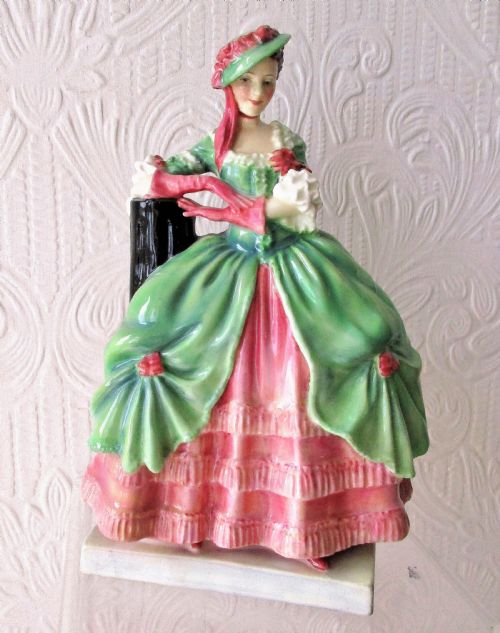


Georgian Figure Painting
Georgian figure painting captures human presence across canvas and paper, bringing domestic scenes and pastoral landscapes to life through period portraiture and narrative watercolours.
Georgian Figure Painting
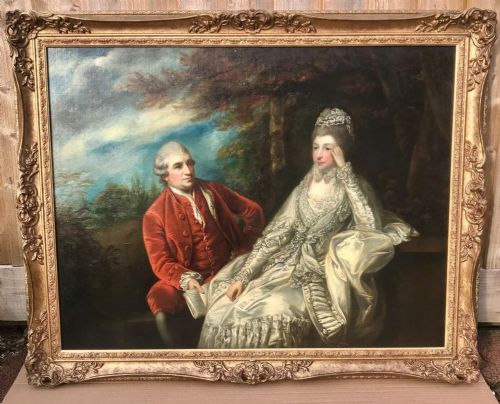
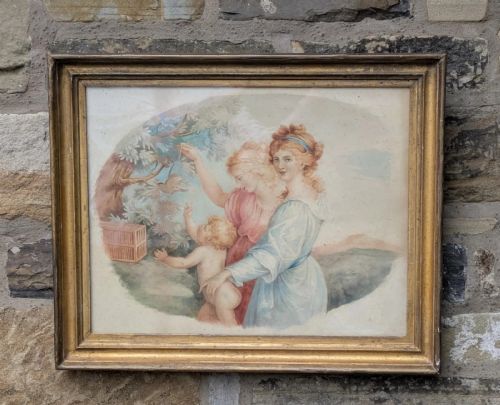
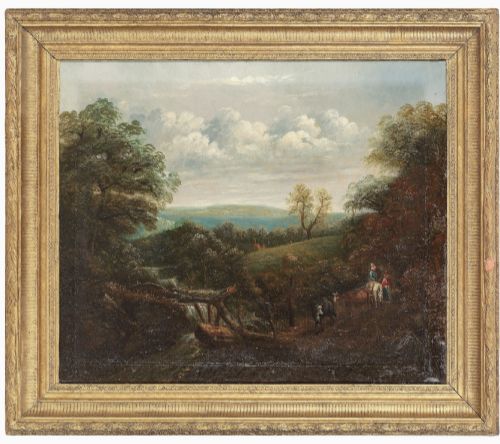
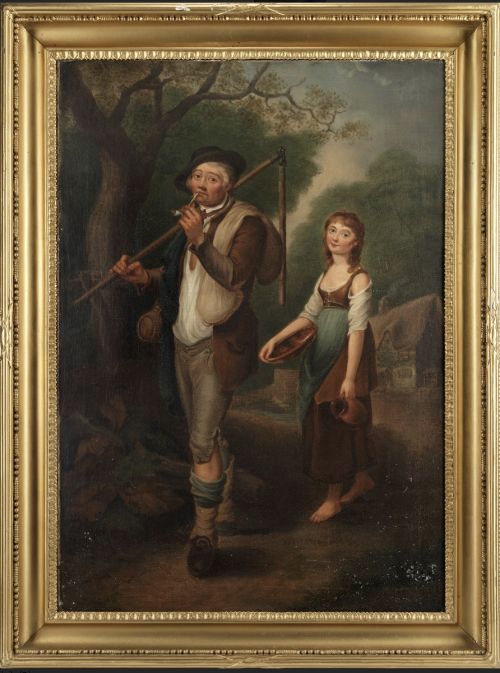
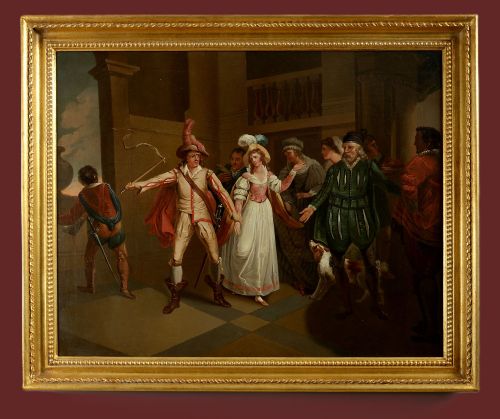
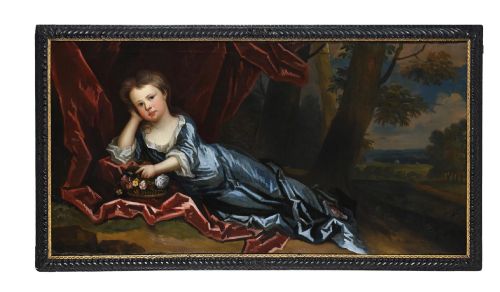
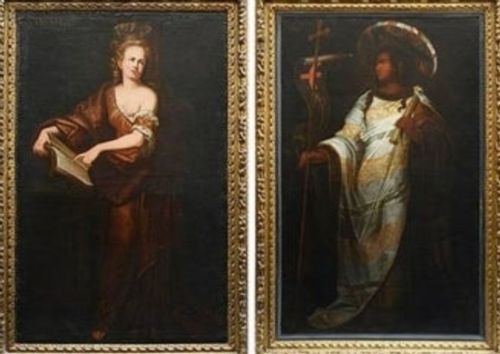
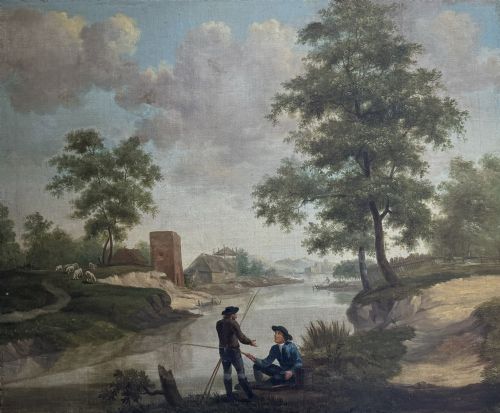
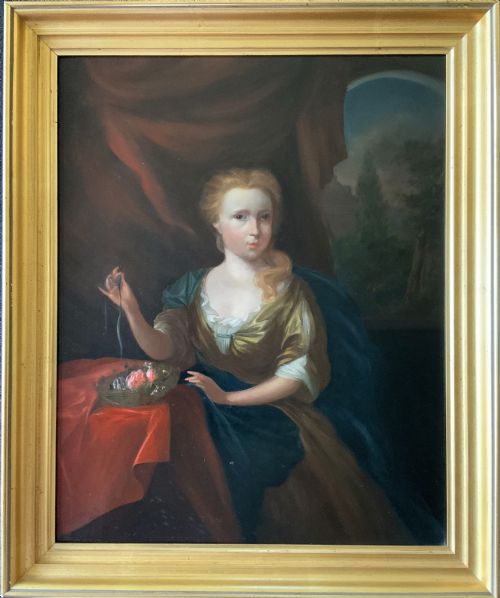
When you search for georgian figure painting, you encounter canvases, watercolours and oil studies that place people at the centre of 18th-century and Regency compositions. These works range from formal studio portraits and mythological pairs to rustic scenes of country paths and riverside conversations.
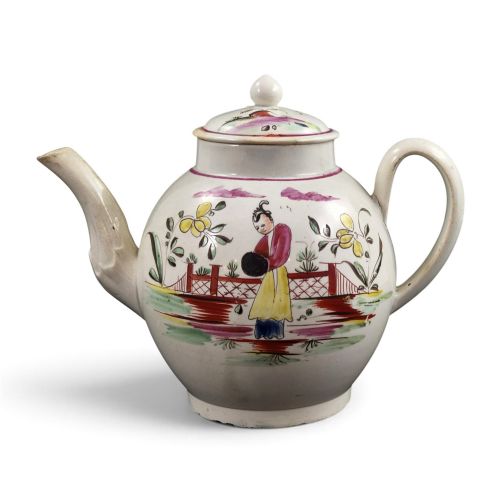
The pieces on this page are most frequently oil on canvas or delicate watercolours, often reflecting British schools of the 18th and early 19th centuries. Collectors also find related figure groups rendered in soft-paste porcelain, enamel and carved wood that echo the pictorial themes of the era.
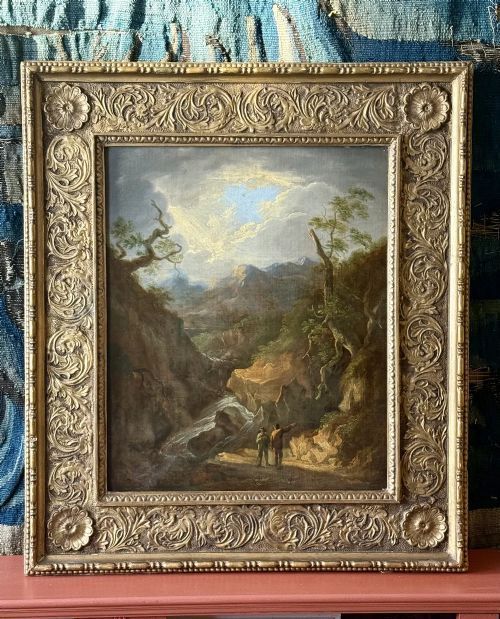
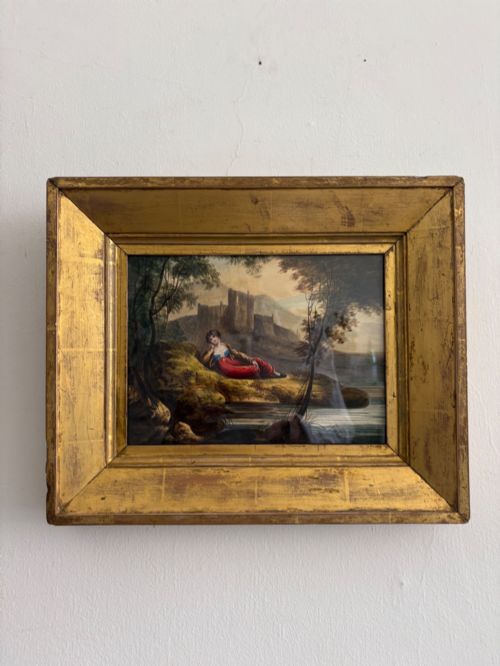
Compositions stretch from intimate cabinet paintings to expansive landscape views populated by figures, capturing both real historical individuals and romanticised rural subjects. The survival of these works offers direct insight into the visual culture and aesthetic priorities of the Georgian period.
How They Were Made
Painters of this era applied oil pigments to stretched canvas or prepared wooden panels, building up rich glazes and tonal depth through layered brushwork. Watercolour artists worked on paper surfaces, using translucent washes to capture light and atmosphere in landscape and portrait studies.
Porcelain figures and vessels were shaped using soft-paste porcelain mixtures, then hand-painted with detailed enamels and sometimes highlighted with gold leaf before firing. Carved wood objects involved traditional joinery and hand-chizzling to form solid sculptural representations.
Makers utilised specialised techniques such as mezzotint printmaking to reproduce popular painted portraits, translating oil compositions into tonal prints on paper. Frame construction relied on timber mouldings, frequently finished with gesso and gilt leaf to complement the artwork.
Silent wooden companions painted to life wait in corners, guarding empty hallways with painted stares.
What Varies in Quality
Provenance and attribution strongly influence standing, particularly when a painting links to a recognised circle, studio or named hand of the period. The harmony of the colour palette and the preservation of the original paint surface or glaze determine how successfully the visual narrative endures.
In three-dimensional porcelain or wood pieces, quality shows in the crispness of the modelling, the delicacy of painted details such as floral motifs or facial expressions, and the retention of original enamels without later overpainting.
Joshua Reynolds·Thomas Barker of Bath·Charles D’Agar·Royal Doulton·Bow Porcelain
The Georgian Figure Painting Glossary
- Oil on Canvas
- Pigment mixed with drying oil applied to a woven fabric support. This traditional medium allowed artists to achieve deep colour saturation and subtle tonal gradations.
- Watercolour
- Pigments suspended in a water-soluble vehicle applied to paper. It was widely used for rapid landscape studies and finished miniature portraits.
- Soft-paste Porcelain
- A ceramic composition containing glass frit and white clay, fired at lower temperatures than hard-paste porcelain. It produced a warm, creamy body favoured by 18th-century factories.
- Mezzotint
- A printmaking process of the printmaker's art that achieves tonal gradations by roughening a metal plate with a rocker. It allowed faithful reproductions of oil paintings.
- Dummy Board
- A painted wooden figure cut out and placed in rooms to create a trompe-l'œil illusion of a real person. These silent companions were popular in domestic interiors.
Georgian Figure Painting: Frequently Asked Questions
What subjects appear in georgian figure painting?
These works feature a diverse range of subjects, from aristocratic portraits and mythological figures to everyday country folk engaged in rural labour or leisure.
Artists frequently integrated human forms into landscape backgrounds, balancing architectural ruins, coastal views and pastoral settings with narrative storytelling.
What is soft-paste porcelain?
Soft-paste porcelain is an early ceramic body created by blending white clay with glass frit rather than hard feldspathic minerals. It yields a distinctive translucent glaze that absorbs underglaze colours softly.
18th-century factories utilised this material extensively for decorative figures and tableware before hard-paste recipes became common.
How can I identify 18th-century paintings?
Identifying these works involves examining the canvas weave, stretcher construction and pigment composition alongside any visible signatures or studio stamps. Older canvases often show characteristic oxidation and craquelure across the paint surface.
Stylistic cues such as costume details, framing styles and historical provenance help narrow down the date of execution.