

Period Canvas Portrait
A period canvas portrait brings centuries of character into a room through oil paint applied to woven textile surfaces.
Period Canvas Portrait
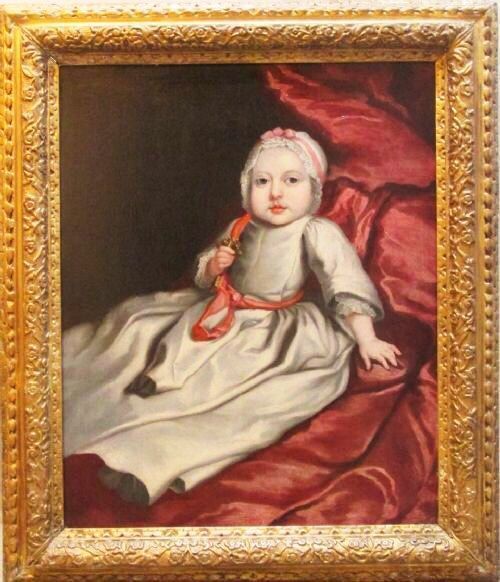
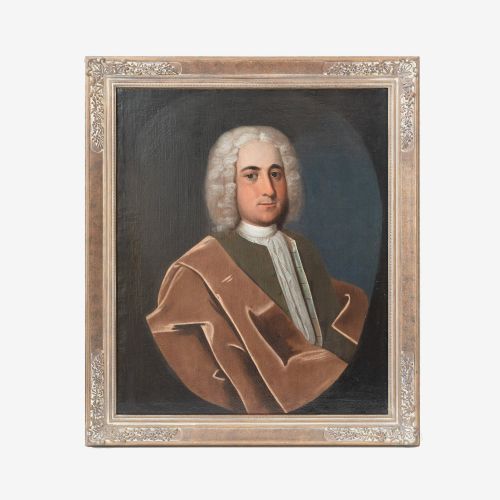
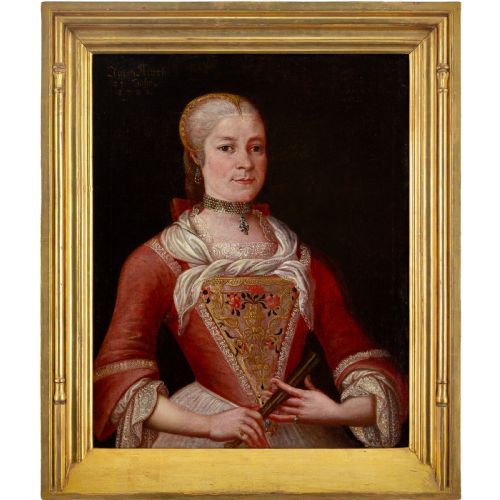
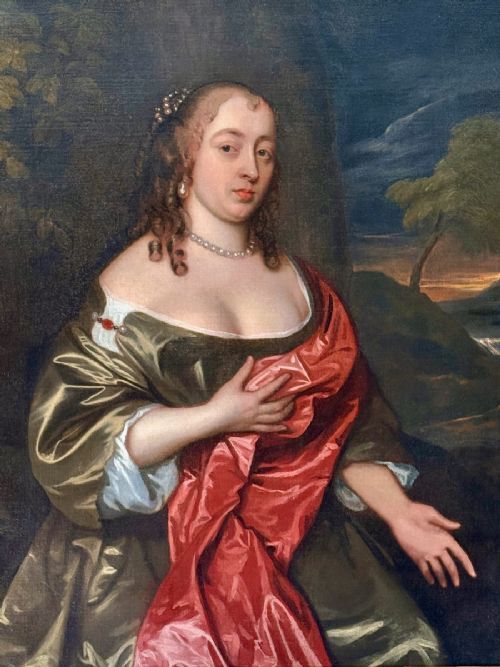
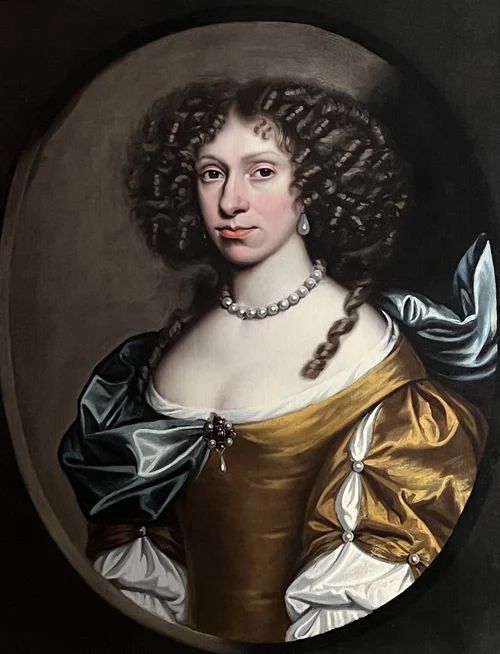
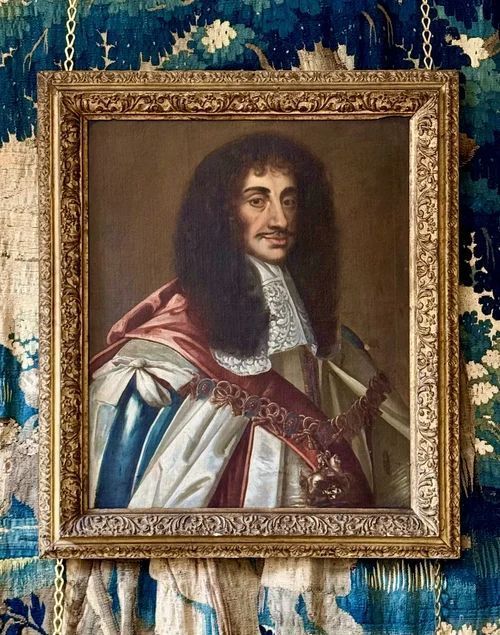
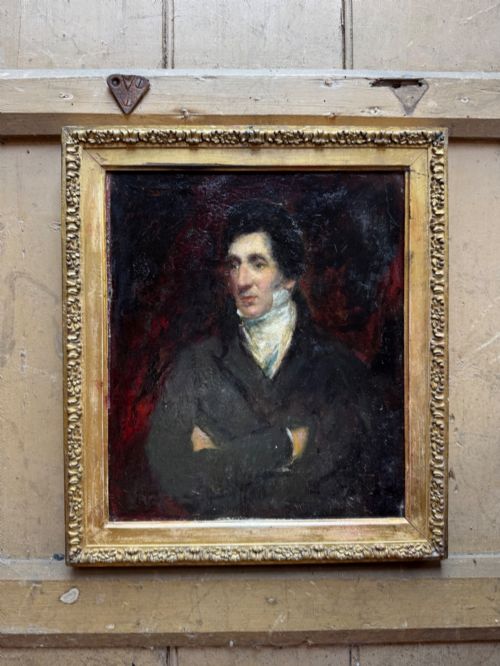
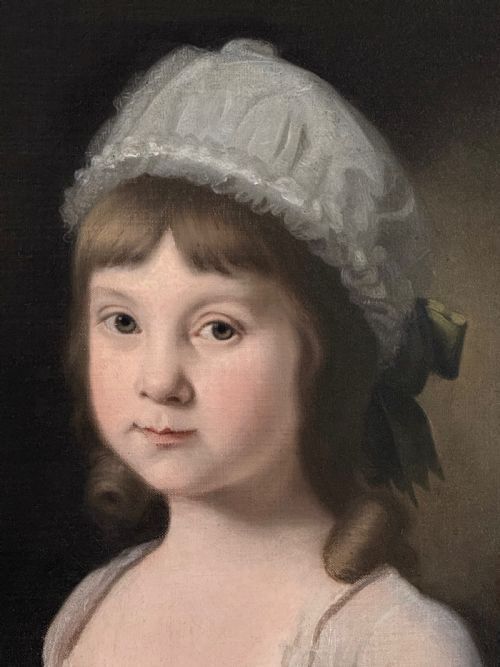
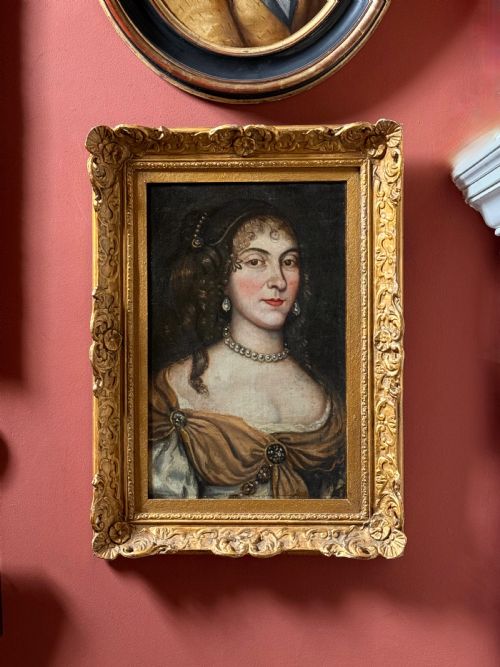
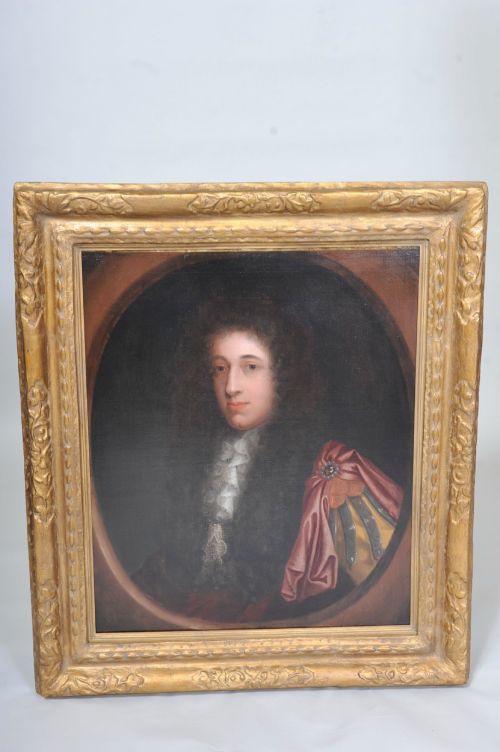
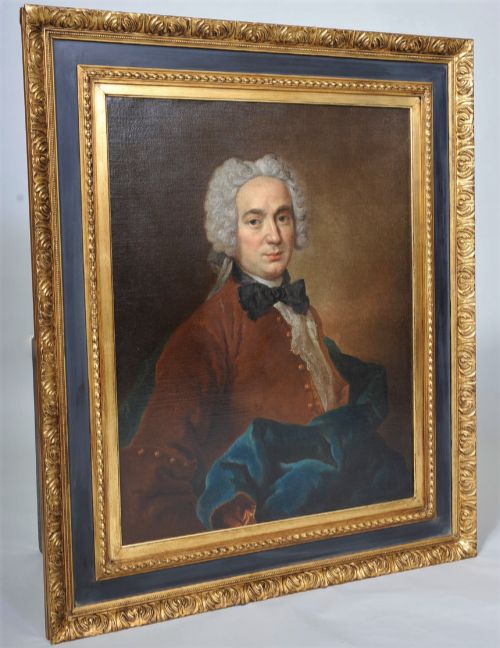
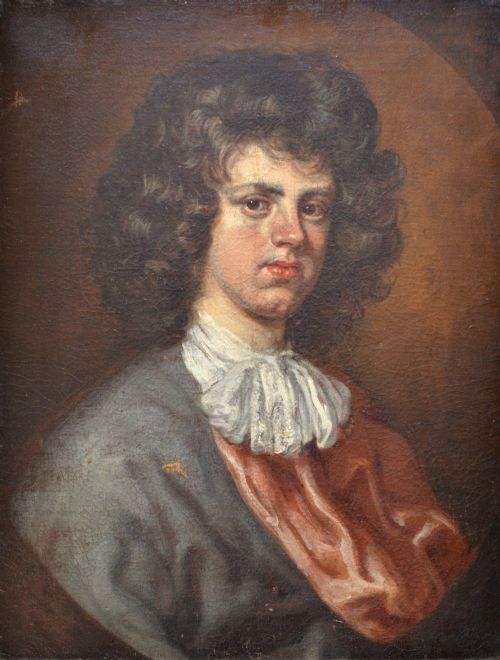
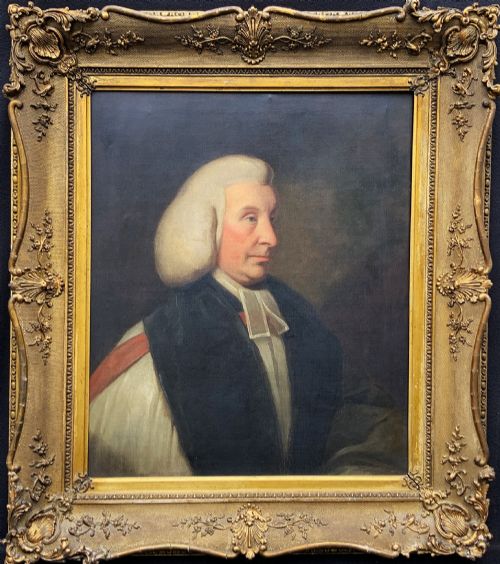
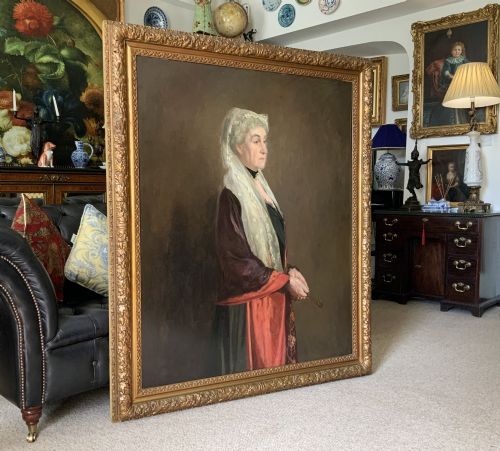
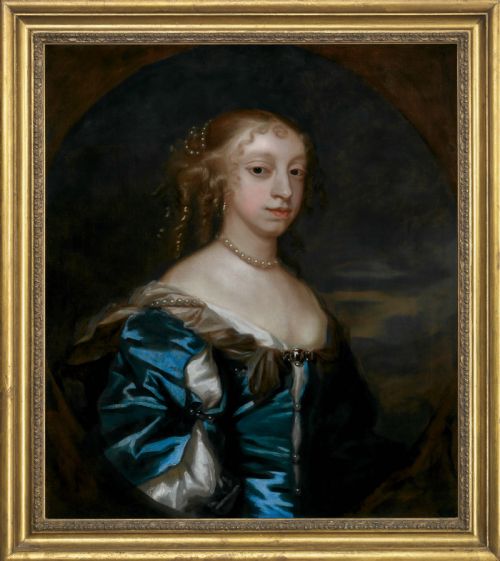
A period canvas portrait captures the likeness of historical figures, ranging from noblewomen and military officers to gentlemen and children, executed in oil paint. These works span the seventeenth, eighteenth, and nineteenth centuries, reflecting the evolving fashions and social standing of their sitters.
The selection on this page leans heavily towards seventeenth-century and eighteenth-century examples, often associated with British and European schools. Buyers frequently encounter works created within the circles of prominent portraitists, alongside pieces from the Georgian, Regency, and Edwardian eras.
Subjects appear either as half-length studies, full-length compositions in landscapes, or intimate facial studies. Many retain their original framing materials, such as giltwood or gold leaf frames, which complete the historical presentation of the artwork.
How They Were Made
Artists applied oil paint to stretched woven canvas, building up layers of pigment to achieve depth, realistic skin tones, and rich fabric textures. Ground layers were prepared on the textile to receive the oil colours, allowing painters to blend shades smoothly across the subject.
Frames made from wood and finished with carved giltwood or applied gold leaf were constructed to house the paintings securely. These frames often match the period of the artwork, utilising traditional joinery and decorative moulding techniques appropriate to the century of creation.
Listings feature works spanning the 17th, 18th, and 19th centuries, executed in oil paint on canvas within British, Dutch, and European schools.
What Varies in Quality
The integrity of the original canvas and paint layers influences the desirability of a piece. Works that retain their unlined canvases and stable pigment surfaces without excessive overpaint stand higher in the historical hierarchy than heavily restored examples.
John Hayls·David Scougall·Sir Peter Lely·Joshua Reynolds·Mary Beale·Thomas Beach·Sir Thomas Lawrence·John Greenhill·Allan Ramsay·John Michael Wright·Trajan Hughes·Jeremiah Davison·Henry Pickering·Sir Anthony Van Dyck·James Maubert·Joseph Highmore·John Riley·John Closterman·Robert Walker·Gottlob Fischer·Moses Vanderbank
The Period Canvas Portrait Glossary
- Circle of
- A term used when a painting shows the direct influence and style of a master artist without being attributed to their own hand. It indicates an artist working in the same studio or immediate professional environment.
- Giltwood
- Wood that has been coated with a thin layer of gold leaf or gold paint for decorative effect. This finish is commonly found on antique frames surrounding period portraits.
- Half-length
- A compositional format showing the sitter from the waist or hips up. This traditional portrait style allows the artist to focus on facial expression while including hand gestures or costume details.
- Oil on canvas
- A technique involving pigment suspended in a drying oil, applied to a woven fabric support stretched over a wooden frame. This medium allowed artists to achieve subtle tonal gradations and rich colours.
- School
- A designation assigned to artworks sharing the stylistic characteristics of a particular region, country, or time period. It groups works by geographic and temporal origin when a specific master cannot be named.
Period Canvas Portrait: Frequently Asked Questions
How do I identify the period of a portrait?
Examine the clothing, hairstyle, and lace collars worn by the sitter, as these details shifted noticeably between the seventeenth, eighteenth, and nineteenth centuries. Portrait formats and framing styles also offer strong chronological clues.
Compare the technique and canvas preparation with documented examples from specific decades. Signed works or archival attribution notes further clarify the exact timeframe of creation.
What does attribution to a circle mean?
Attribution to the circle of a specific artist denotes that the painter worked closely alongside or under the direct influence of that master. These works reflect the exact aesthetic and technical standards of the primary workshop.
Such pieces provide historical value by demonstrating how techniques spread among contemporaries. They represent high-level artistic production from the same cultural moment.
How should I care for an oil on canvas painting?
Keep the artwork away from direct sunlight, high humidity, and rapid temperature fluctuations to prevent the canvas from warping and the oil paint from cracking. Stable environmental conditions preserve the organic materials indefinitely.
Dust the surface gently with a soft, dry brush or professional conservation tool, avoiding chemical cleaners or moisture. Consult a professional conservator for any cleaning or structural stabilization.
Why do some portraits feature elaborate frames?
Period frames made from carved wood and finished with gold leaf were designed to complement the status of the sitter and the grandeur of the interior space. A matching frame enhances the historical context of the artwork.
Original frames demonstrate the craftsmanship of period gilders and woodworkers. They form an integral part of the surviving object's heritage.